Luogo d'arte e cultura · Kyoto
Minami-za
南座
Fotografia
.jpg)
- Oggi
- Orari non registrati
- Durata della visita
- 1 ora
- Accessibilità
- Non registrato
- Prezzo
- Non registrato
- Posizione
- Alto · Sito del patrimonio
- Rango
- Classifica 81 di 10,060
Informazioni su Minami-za
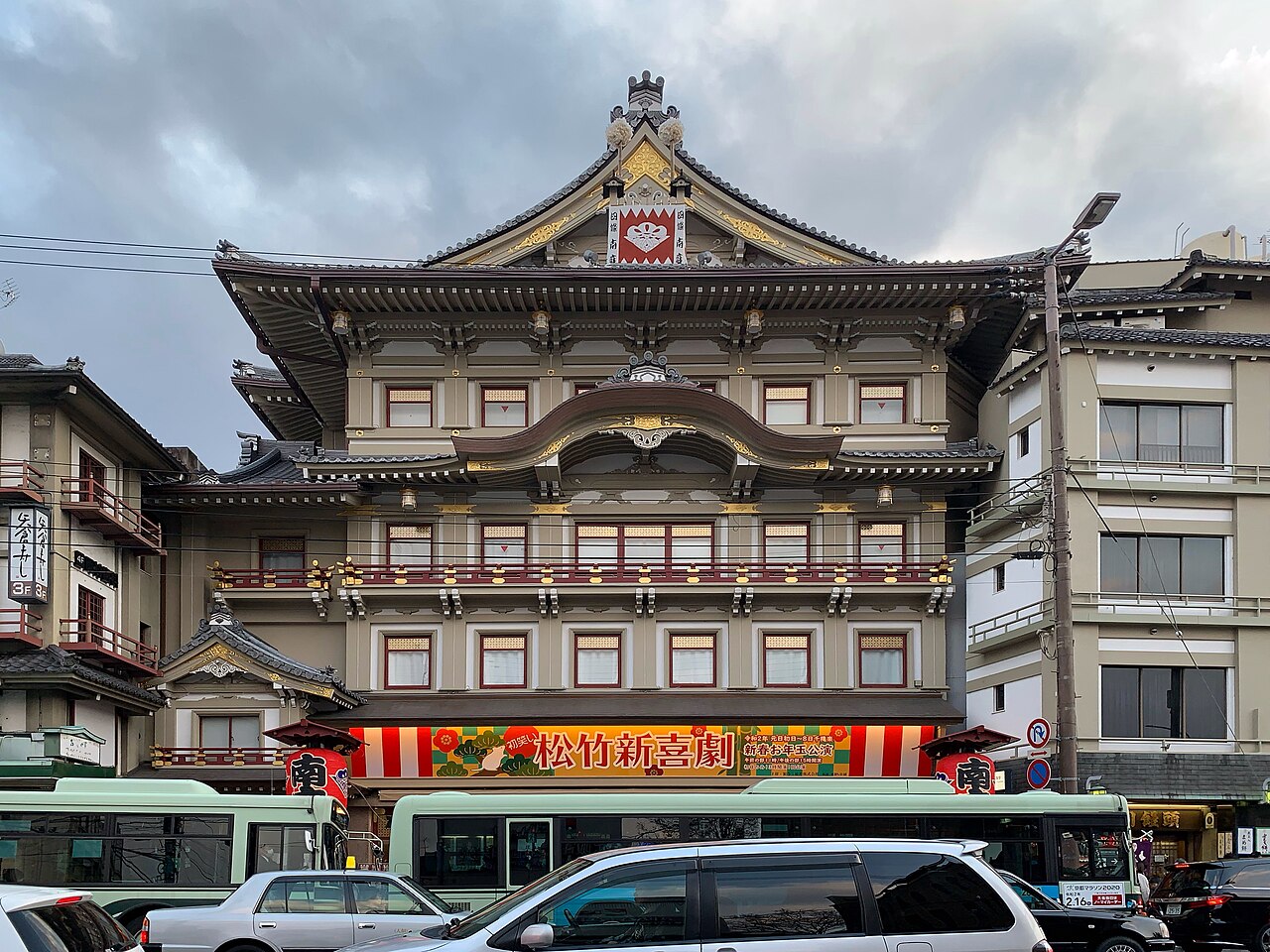
Minami-za, known locally as 南座, is a historic kabuki theatre located in Kyoto, Japan. It is recognized as the oldest extant kabuki theatre in Japan, with origins dating to the early Edo period. The current building reflects traditional architectural design adapted for theatrical performance. The structure occupies a prominent position in the city and serves as a significant cultural institution preserving classical Japanese performing arts. Its Wikidata entry Q919524 and OpenStreetMap way 273471468 document its established identity.
Controllato 2026-08-28
Cosa c'è dentro
The interior of Minami-za is designed specifically for kabuki performance, featuring a traditional stage with hanamichi runway extending into the audience, revolving stage mechanisms, and seating arrangements characteristic of historic Japanese theatres. The building includes performer dressing rooms, backstage areas, and audience facilities. Decorative elements reflect theatrical tradition. Specific details about current interior furnishings, accessibility features, or recent renovations are Not recorded. Visitors should expect a preserved historical atmosphere rather than modern theatrical amenities. A flexible visit keeps attention on what is distinctive at Minami-za without treating one room, viewpoint or photograph as the whole experience. Conditions on arrival should decide the final pace.
Controllato 2026-08-28

Quanto tempo dedicare
A typical kabuki performance at Minami-za traditionally extends across a full day, with distinct acts performed in morning, afternoon, and evening segments. Individual acts may last several hours. Visitors attending complete performances should allocate substantial time. Those seeking shorter experiences might select single-act attendance where permitted. The duration of self-guided building visits, if available, is Not recorded. Visitors should verify current programming schedules and allocate flexible time for this cultural experience in Kyoto. Minami-za also earns time in a kyoto itinerary because its setting and role differ from the surrounding ranked stops. Compare the place with the nearby streets before deciding how it fits the day.
Controllato 2026-08-28

.jpg)
Stagione e folla
Minami-za historically operates during specific theatrical seasons, particularly the kaomise performance in December, a tradition of presenting new actor lineups. Other programming occurs throughout the year. Visitors should consult official sources directly for current performance calendars, as kabuki schedules follow traditional patterns rather than fixed daily operations. Seasonal variations and special events affect accessibility. Advance planning is essential given the theatre's irregular operational pattern tied to performance cycles. The useful approach is to connect Minami-za with the rest of the area while leaving enough time for the next stop. This works for both a focused first visit and a slower return. Check the operator's own site for the travel date before relying on a schedule or fare.
Controllato 2026-08-28
Biglietti
Kabuki theatre tickets traditionally vary by seating category, with distinctions between box seats, standard seating, and standing room where available. Prices reflect performance prestige and seat location. Visitors should purchase through authorized channels only, including the theatre box office if accessible or verified official vendors. Same-day tickets may be limited. International visitors may face language barriers in booking. Advance reservation is advisable for popular performances, particularly during the December kaomise season. Check the operator's own site for the travel date before relying on a schedule or fare.
Controllato 2026-08-28

.jpg)
Come arrivare
Minami-za occupies a central location in Kyoto, accessible via the city's public transportation network. The theatre sits near the Kamo River in the Shijo-Kawaramachi district, a major commercial and transit hub. Multiple bus routes serve the surrounding area. The nearest rail connections include Hankyu and Keihan lines, with walking access from Shijo and Gion-Shijo stations. Exact pedestrian directions from specific transit points are Not recorded. Visitors should use current mapping services with way 273471468 for precise navigation in Kyoto's dense urban environment.
Controllato 2026-08-28

.jpg)
A cosa prestare attenzione
Visitors should respect the formal atmosphere of traditional kabuki performance. Photography and recording are typically prohibited during performances. Food and beverage policies vary by seating area. The theatre's historic structure may present accessibility challenges including stairs and narrow passages. Language barriers affect non-Japanese speakers; English assistance is not guaranteed. Performances demand attentive, quiet audience behavior. Late entry may be restricted or disruptive. Visitors should confirm current policies directly, as traditional venues maintain strict protocols that differ from Western theatrical conventions.
Controllato 2026-08-28

.jpg)
Fotografia
Photography policies at Minami-za are restrictive. Interior photography during performances is traditionally prohibited to preserve theatrical atmosphere and copyright protections. Exterior photography of the building facade may be permitted from public spaces, though commercial use requires authorization. Specific current policies are Not recorded. Visitors should observe posted restrictions and staff instructions without assumption. Flash photography is never appropriate. Those seeking photographic documentation should inquire about designated opportunities or official imagery availability rather than risking equipment confiscation or removal from the premises.
Controllato 2026-08-28
Domande comuni
Is Minami-za open year-round?
Not recorded. Kabuki theatres traditionally operate on performance schedules rather than continuous daily opening. Visitors should verify current programming through official sources.
Can non-Japanese speakers enjoy performances?
English audio guides or subtitle devices may be available for some performances, but specific services are Not recorded. Kabuki's visual storytelling transcends language, though plot comprehension benefits from translation assistance.
Are there dining facilities inside?
Not recorded. Traditional theatres may offer limited refreshments or bento boxes during intermissions, but visitors should not assume full dining services and may wish to eat beforehand in surrounding Shijo-Kawaramachi.
Is advance booking necessary?
Advance booking is strongly recommended for popular performances, particularly the December kaomise. Walk-up availability is unpredictable and Not recorded for current operations.
Does the building have wheelchair access?
Not recorded. Historic theatres often present accessibility challenges. Visitors requiring accommodations should contact operators directly well in advance of intended visits.
Are children permitted at performances?
Not recorded. Traditional kabuki performances are lengthy and formal, potentially challenging for young children. Family suitability depends on individual child temperament and specific programming.
Dov'è
Caricamento della mappa interattiva…
Impossibile caricare la mappa interattiva.
Nelle vicinanze
Inseriscilo in un piano
Collegamenti esterni
Ultimo aggiornamento:
Fonte: Contributori di OpenStreetMap, Wikidata ·