


1 min walk · Paris 16e Arrondissement
La Danse Triomphale
- Notable
- Art and culture venue
Language · 1 published
Family attraction · Paris 16e Arrondissement, Paris
Aquarium de Paris - Cinéaqua
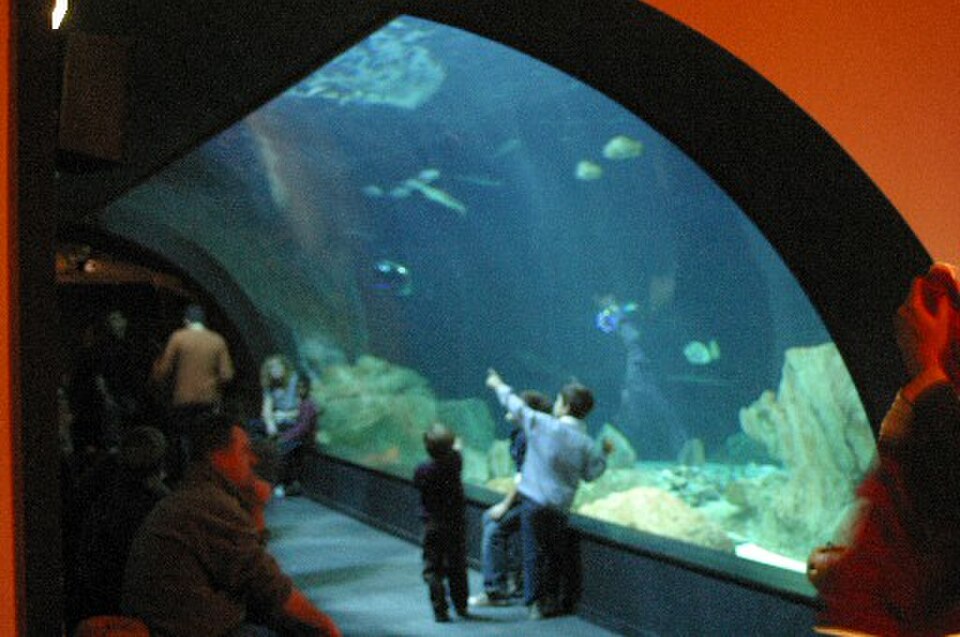
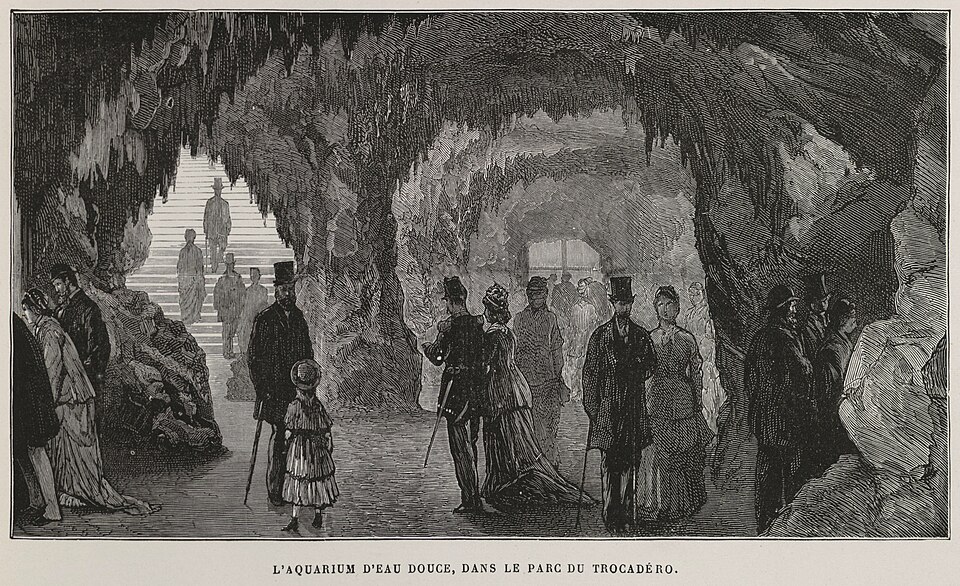
Aquarium de Paris occupies the old quarry tunnels beneath the Trocadero hill, first opened as the Aquarium du Trocadero for the 1878 Exposition Universelle, one of the earliest public aquariums built in France.
It closed in 1985 after decades of decline and reopened in 2006 under new private operators as Cineaqua, combining the aquarium with two on-site cinemas showing ocean-themed programming as part of the same ticket.
The tunnels sit entirely underground, directly below the Jardins du Trocadero and the terrace that gives the well-known view across the river to the Eiffel Tower — a visitor can stand on that terrace with no sign of the aquarium beneath their feet.
Checked 2026-08-24 · Source
Around 43 tanks hold roughly 500 species and about 10,000 fish and other aquatic animals, laid out as a route through French river life, tropical reef, jellyfish and a shark tank that is the aquarium's centrepiece.
A dedicated clownfish exhibit trades on the Finding Nemo association directly, and a touch pool lets visitors handle rays and other shallow-water species under staff supervision.
The two cinemas show short ocean documentaries and children's programming included in the entry ticket, which is what distinguishes Cineaqua from a conventional aquarium format.
The route is arranged as a loop through the old quarry galleries rather than a straight corridor, so the shark tank — positioned roughly at the midpoint — sits between the freshwater and reef sections rather than at either end, and the tunnels' original stone walls are still visible in places between the tanks, a reminder that the aquarium is built into 1878 excavation work rather than a purpose-built modern shell.
Checked 2026-08-24 · Source
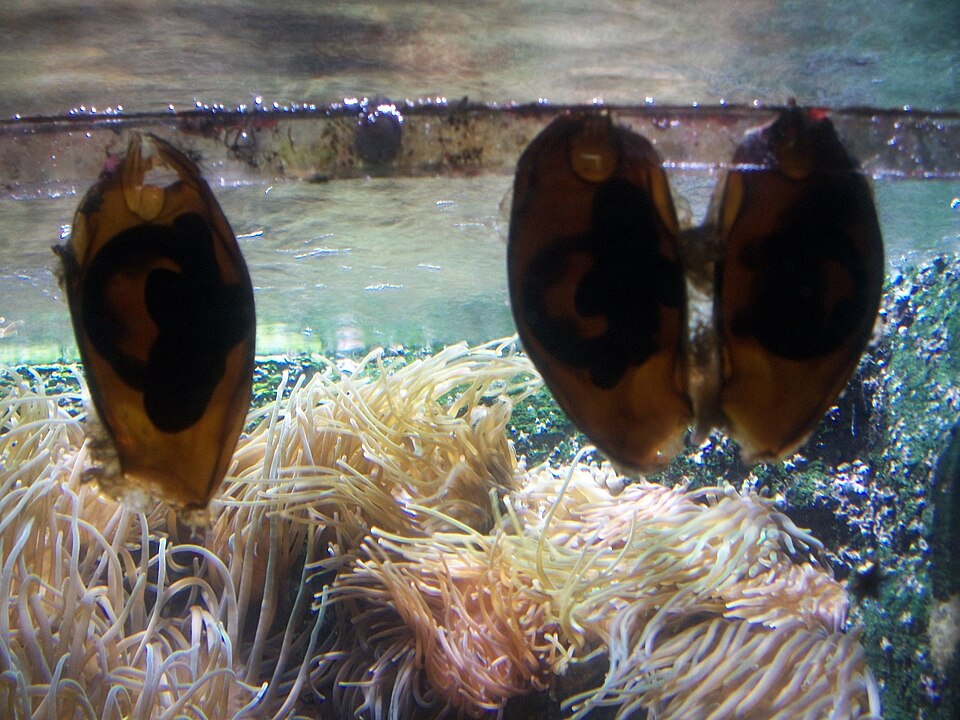
One and a half to two hours for the tanks at an unhurried pace, longer with young children at the touch pool or if a film screening is included in the visit.
There is no natural light anywhere in the tunnels, so the visit does not thin out with the time of day the way an outdoor sight does — it is a consistent indoor experience whatever the weather or the hour.
Checked 2026-08-24 · Source
Weekday mornings run quieter than weekends and French school holiday periods, when the aquarium draws heavily on family and school-group visits. Exact current opening and closing times are not recorded on the sources this page uses — confirm on the operator's own site before travelling.
Because the entire visit is indoors and underground, the weather outside makes no difference to the experience, which makes it a reasonable choice on a wet day when an outdoor sight is not.
Checked 2026-08-24 · Source
Paid entry, with the standard reduced-rate structure for children and family tickets typical of Paris attractions. Current prices are not reproduced on this page; they are set and published by the operator directly.
There is no free admission window at Aquarium de Paris — it is privately run, unlike the city's municipal museums, which do sometimes offer free permanent collections. Combined tickets covering the aquarium with the nearby Cite de l'architecture or the Trocadero terrace are not part of the standing offer either, as far as the sources this page draws on record.
Checked 2026-08-24 · Source
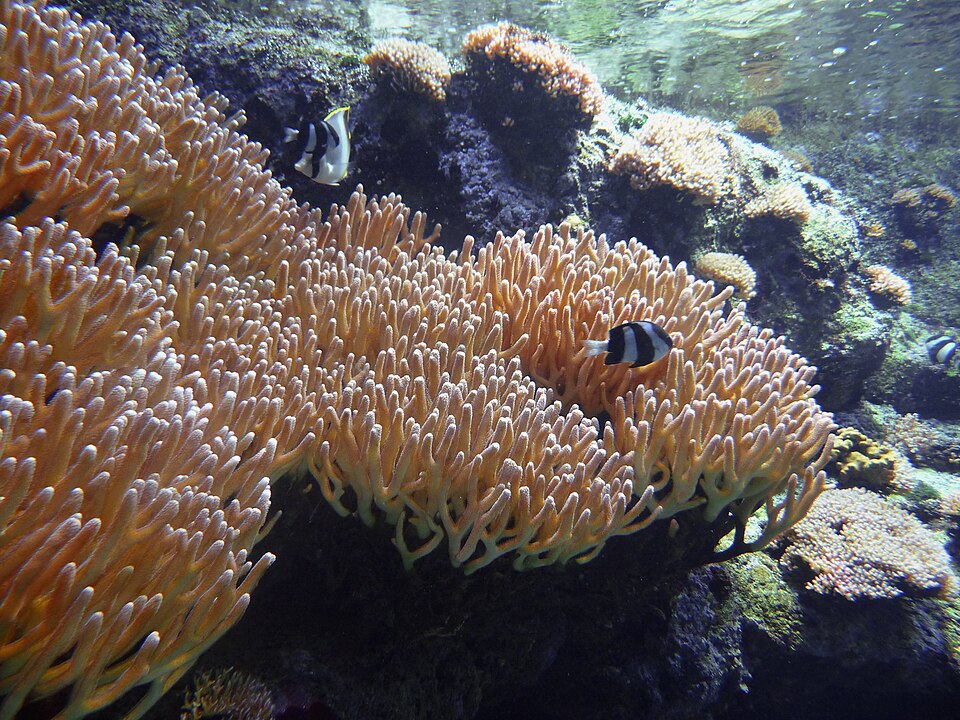
Trocadero station on Metro lines 6 and 9 opens directly onto the square in front of the Palais de Chaillot; the aquarium entrance is on Avenue des Nations Unies, at the foot of the gardens below the terrace.
Iena on line 9 and Passy on line 6 are both a short walk on the opposite bank side of the approach.
Checked 2026-08-24 · Source
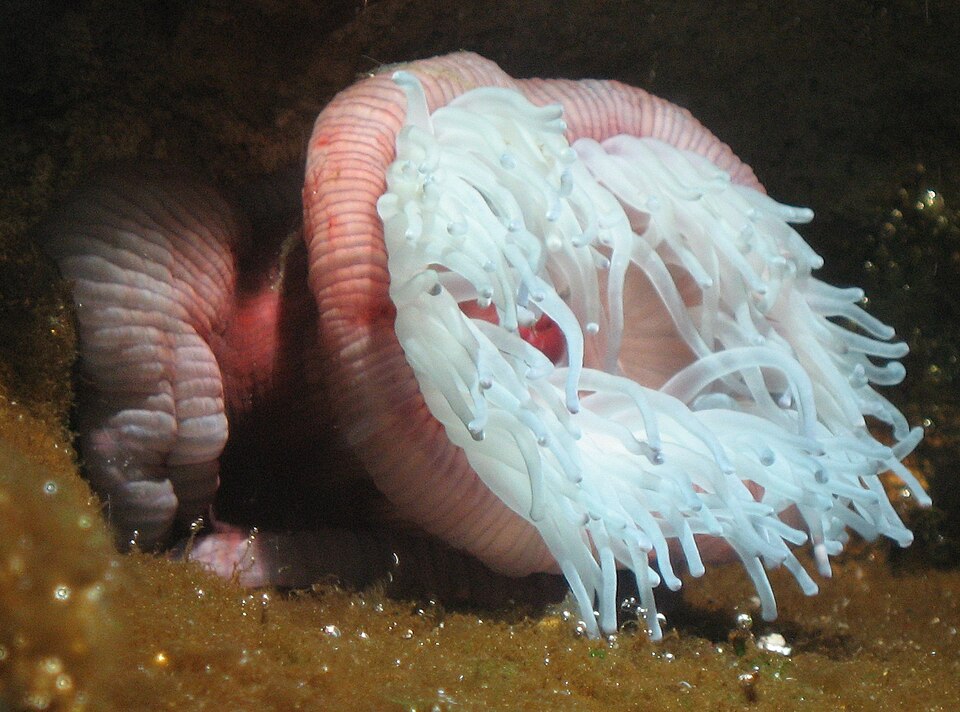
The whole visit is underground with artificial lighting only — there is no daylight and no signal for a phone at any point in the tunnels, which surprises some visitors expecting a lobby with windows.
Shark and ray feeding times are posted at the entrance and draw crowds around those tanks; arriving right at opening avoids the densest points of the route. Strollers are accommodated but the tunnel route narrows in places, and school groups on weekday mornings can back up the busiest tanks.
Checked 2026-08-24 · Source
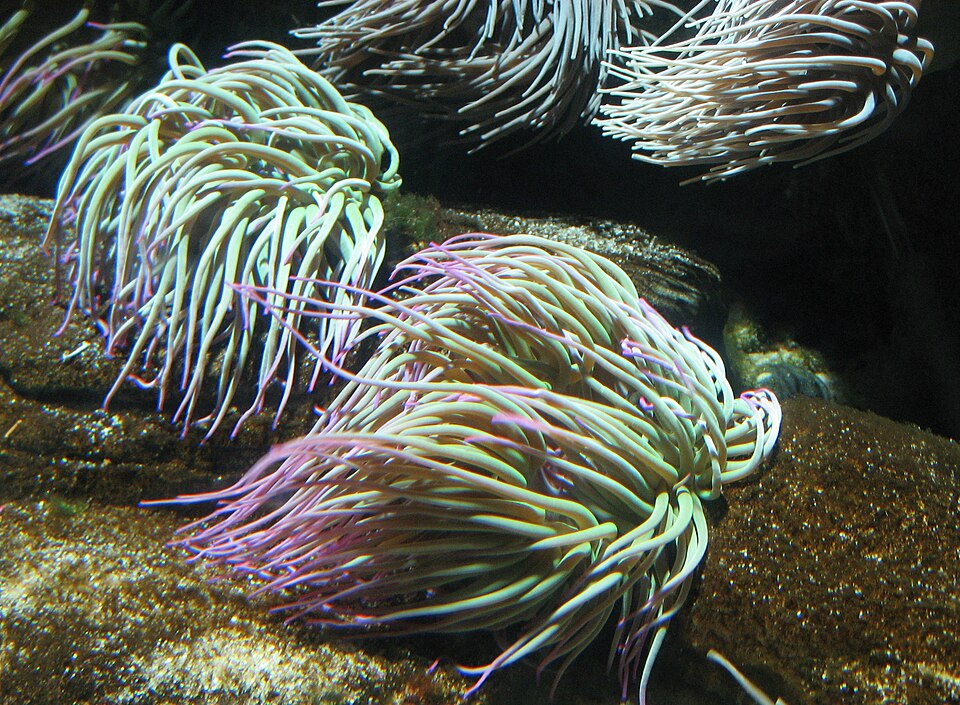
Flash photography is generally discouraged around the shark and ray tanks, in line with standard practice at dark-tank aquariums, though the exact current policy is best confirmed at the entrance rather than assumed.
The jellyfish tanks, lit from within against dark surroundings, give the strongest images without flash; a phone camera set to night mode handles the low light better than a flash would regardless of the rule in force that day.
Checked 2026-08-24 · Source
Underground, in old quarry tunnels beneath the Trocadero gardens, directly below the terrace that overlooks the Eiffel Tower.
As the Aquarium du Trocadero for the 1878 Exposition Universelle; it closed in 1985 and reopened in its current form as Cineaqua in 2006.
Roughly 500 species and about 10,000 fish and other aquatic animals across around 43 tanks.
Yes. Two on-site cinemas show ocean documentaries and children's programming included in the entry ticket.
Yes, the shark tank is part of the standard route through the aquarium, not a separately ticketed section.
About one and a half to two hours, longer with children at the touch pool or if a film screening is included.
Loading the interactive map…
The interactive map could not be loaded.
Last updated:
Source: OpenStreetMap contributors, Wikidata ·