Musée · Mexico
Memory and Tolerance Museum
Museo Memoria y Tolerancia
Photographie

Horaires d'ouverture
| lundi | Fermé |
|---|---|
| mardi | 09:00 – 18:00 |
| mercredi | 09:00 – 18:00 |
| jeudi | 09:00 – 18:00 |
| vendredi | 09:00 – 18:00 |
| samedi | 10:00 – 19:00 |
| dimanche | 10:00 – 19:00 |
Analyse à partir des heures d'ouverture d'OpenStreetMap le 2026-08-26.
- Aujourd'hui
- Ouvert aujourd'hui, 10:00 – 19:00
- Durée de la visite
- 1 h 30 min
- Accessibilité
- Non renseigné
- Prix
- Non renseigné
- Classement
- Incontournable
- Rang
- Rang 27 sur 6,437
À propos de Memory and Tolerance Museum
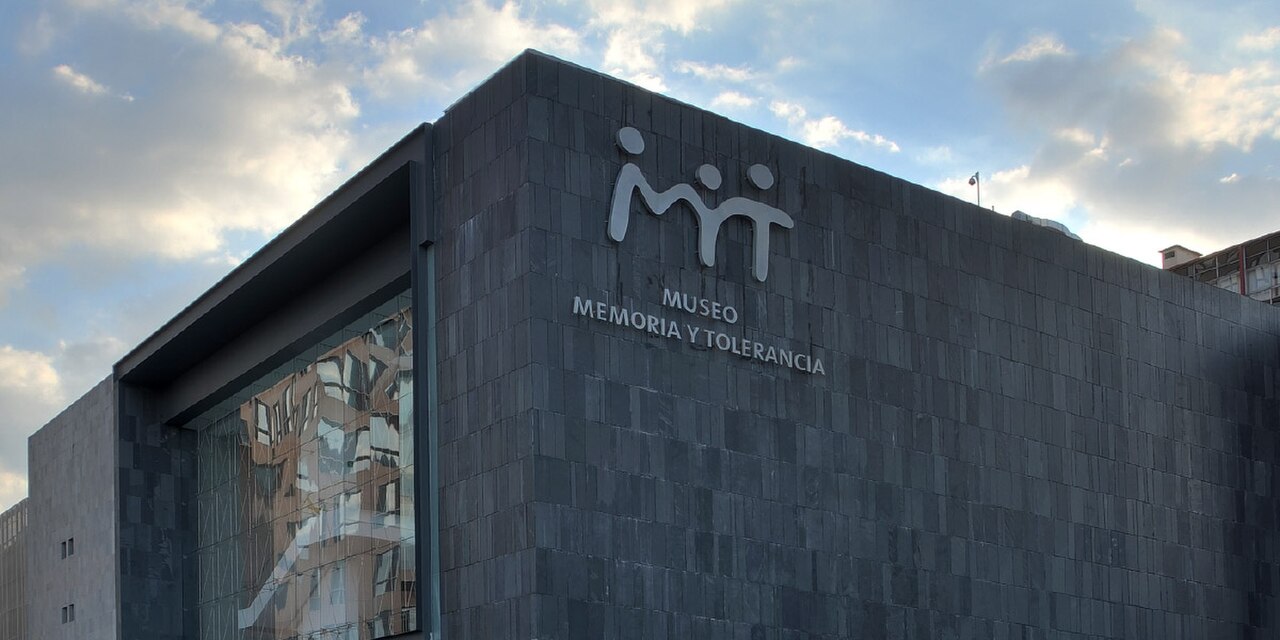
The Memory and Tolerance Museum is an internationally focused institution in Mexico City dedicated to examining genocide, human rights, and civic tolerance. Located beside Alameda Central, the museum occupies a prominent position in the historic center. Its mission centers on education and reflection about historical atrocities and contemporary human rights challenges. The institution serves as a cultural and educational space rather than a traditional tourist attraction, emphasizing learning and social consciousness through its programming and permanent installations.
Vérifié le 2026-08-26
Qu'y a-t-il à l'intérieur
The museum presents exhibitions addressing genocide and human rights violations across different historical periods and geographical contexts. Content encompasses the Holocaust, Armenian genocide, Rwandan genocide, and other mass atrocities. Displays incorporate documentary materials, testimonies, photographs, and audiovisual resources. Thematic sections extend to contemporary human rights issues and promote civic tolerance. Educational programming and temporary exhibitions complement permanent collections. The institution's focus remains on historical documentation and fostering visitor reflection regarding discrimination, violence, and societal responsibility. A flexible visit lets travellers connect Memory and Tolerance Museum with the rest of the day without treating one room, viewpoint or photograph as the whole experience. The useful pace depends on personal interest and conditions on arrival.
Vérifié le 2026-08-26


Combien de temps passer
Visitor duration varies substantially based on individual engagement with dense historical content. Most visitors should allocate between two and three hours for meaningful exploration of exhibitions. Those with strong interest in genocide studies, human rights documentation, or specific historical events may prefer extended visits. The emotionally weighty nature of subject matter may necessitate breaks during the visit. Groups with educational objectives typically require additional time for guided components or discussion periods following exhibition viewing. Memory and Tolerance Museum also earns time in a mexico city itinerary because This internationally focused museum addresses genocide, human rights, and civic tolerance beside Alameda Central; no in-scope production POI exists. Its value becomes clearer when the stop is compared with the surrounding streets and the other ranked places nearby.
Vérifié le 2026-08-26


Saison et foule
Visitors should verify current opening schedules directly with the museum before planning attendance. The museum's location beside Alameda Central in the historic center provides accessibility throughout the week, though surrounding area activity patterns may influence visit timing. Weekday mornings potentially offer quieter conditions for contemplative engagement with serious subject matter. Weekend visits may coincide with higher foot traffic given the central location and proximity to other cultural institutions and public spaces. Check the operator's own site for the travel date before relying on a schedule or fare.
Vérifié le 2026-08-26
Billets
Visitors must obtain current admission information directly from official museum channels. Pricing structures may include categories for general admission, students, seniors, or other designated groups. Special exhibitions or educational programs might carry separate fees. The museum's institutional mission suggests possible accessibility considerations, though specific policies remain unverified. Advance purchase options, if available, should be confirmed through official sources. Group rates or educational discounts require direct inquiry with museum administration. Check the operator's own site for the travel date before relying on a schedule or fare.
Vérifié le 2026-08-26


Y arriver
The museum sits adjacent to Alameda Central in Mexico City's historic center, a well-connected district served by multiple transportation options. Metro stations within walking distance include Bellas Artes and Hidalgo, both on Line 2, with additional connectivity via Line 8 at Bellas Artes. Metrobus corridors serve surrounding avenues. The central location permits pedestrian access from numerous downtown hotels and attractions. Street parking presents typical urban challenges; visitors should consider public transit. Taxi and rideshare services operate throughout the area.
Vérifié le 2026-08-26


À quoi faut-il faire attention
Content addressing genocide, mass violence, and human rights abuses contains disturbing material unsuitable for young children or sensitive visitors. Graphic documentation including photographs, testimonial accounts, and historical evidence may provoke strong emotional responses. The museum environment demands respectful conduct appropriate to memorial and educational spaces. Crowding may occur during peak periods given central location. Personal belongings require standard urban vigilance. Visitors should prepare for intensive intellectual and emotional engagement rather than casual entertainment, adjusting expectations and mental readiness accordingly.
Vérifié le 2026-08-26


Photographie
Photography policies within the museum remain unverified and should be confirmed with staff upon entry. Institutions addressing sensitive historical content often restrict image capture in certain exhibition areas. Flash photography typically faces prohibition to protect artifacts and maintain atmosphere. Visitors should observe posted signage and staff guidance regarding permitted documentation. Respect for subject matter and fellow visitors should inform all photography decisions. Commercial or professional photography likely requires advance authorization through institutional channels rather than casual visitor permission.
Vérifié le 2026-08-26
Questions courantes
Is the Memory and Tolerance Museum suitable for children for Memory and Tolerance Museum in Mexico City?
The museum addresses genocide, mass violence, and human rights abuses through documentary evidence that may disturb young visitors. Parental discretion is strongly advised. Content includes graphic historical documentation and testimonial accounts of atrocities. Families should assess individual child maturity and sensitivity before visiting. No specific age recommendations are recorded.
Are guided tours available for Memory and Tolerance Museum in Mexico City?
Guided tour availability is not recorded. Visitors should inquire directly with the museum regarding educational programming, group visits, or guided services. The institution's educational mission suggests possible structured visitation options, though specific schedules, languages offered, and reservation requirements remain unverified.
Does the museum have accessibility accommodations for Memory and Tolerance Museum in Mexico City?
Specific accessibility features are not recorded. Visitors requiring accommodations should contact the museum directly to verify entrance access, elevator availability, restroom facilities, exhibition navigation, and services for visitors with visual, auditory, or mobility considerations. The historic center location may present infrastructure challenges typical of older urban districts.
How does this museum differ from other Mexico City museums for Memory and Tolerance Museum in Mexico City?
Unlike institutions emphasizing Mexican art, archaeology, or history, this museum maintains an international focus on genocide studies and human rights across multiple countries and periods. Its educational mission prioritizes social consciousness and tolerance promotion over aesthetic or national heritage display. The serious subject matter creates a contemplative rather than recreational visitor experience.
Can I visit the museum and Alameda Central together for Memory and Tolerance Museum in Mexico City?
The museum's direct adjacency to Alameda Central permits combined visits. The park offers outdoor space for reflection before or after intensive museum engagement. This proximity allows visitors to structure time between the structured indoor experience and the historic public garden, though weather and personal stamina should inform scheduling decisions.
Is there a café or restaurant inside for Memory and Tolerance Museum in Mexico City?
Onsite dining facilities are not recorded. Visitors should verify current amenities directly with the museum. The central historic location provides numerous external dining options within walking distance. Given the emotionally demanding nature of exhibitions, visitors may wish to plan meal breaks outside the institution rather than assuming internal food service availability.
Où c'est
Chargement de la carte interactive…
La carte interactive n'a pas pu être chargée.
À proximité
Insérez-le dans un plan
Liens externes
Dernière mise à jour:
Source: Contributeurs OpenStreetMap, Wikidata ·