Historisches Denkmal · Rom
Aurelian Walls
Mura Aureliane


- Heute
- Öffnungszeiten nicht erfasst
- Besuchsdauer
- 45 Min
- Barrierefreiheit
- Nicht erfasst
- Preis
- Nicht erfasst
- Einordnung
- Muss man gesehen haben · Kulturerbe
- Rang
- Rang 49 von 6,547
Über Aurelian Walls
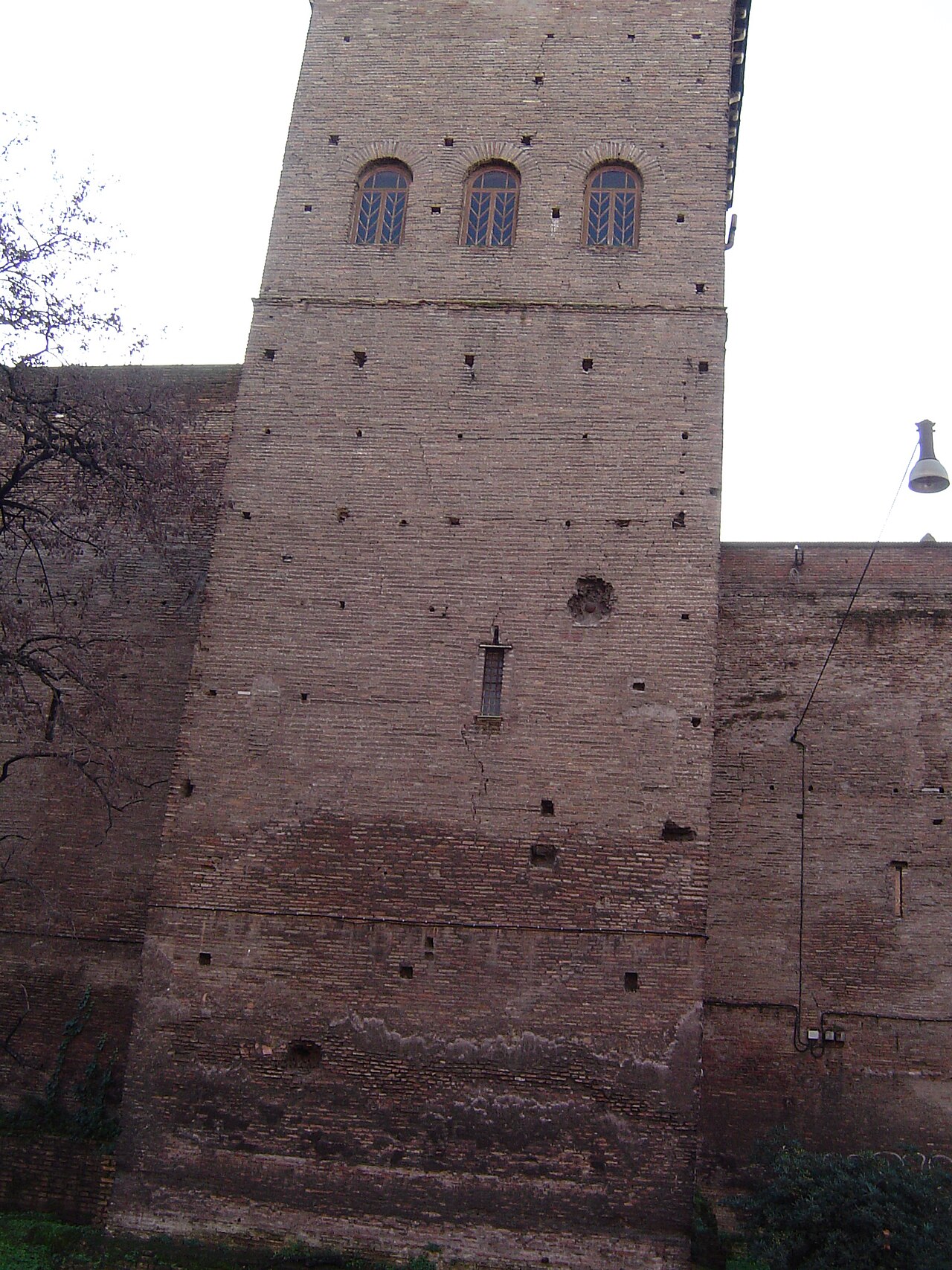
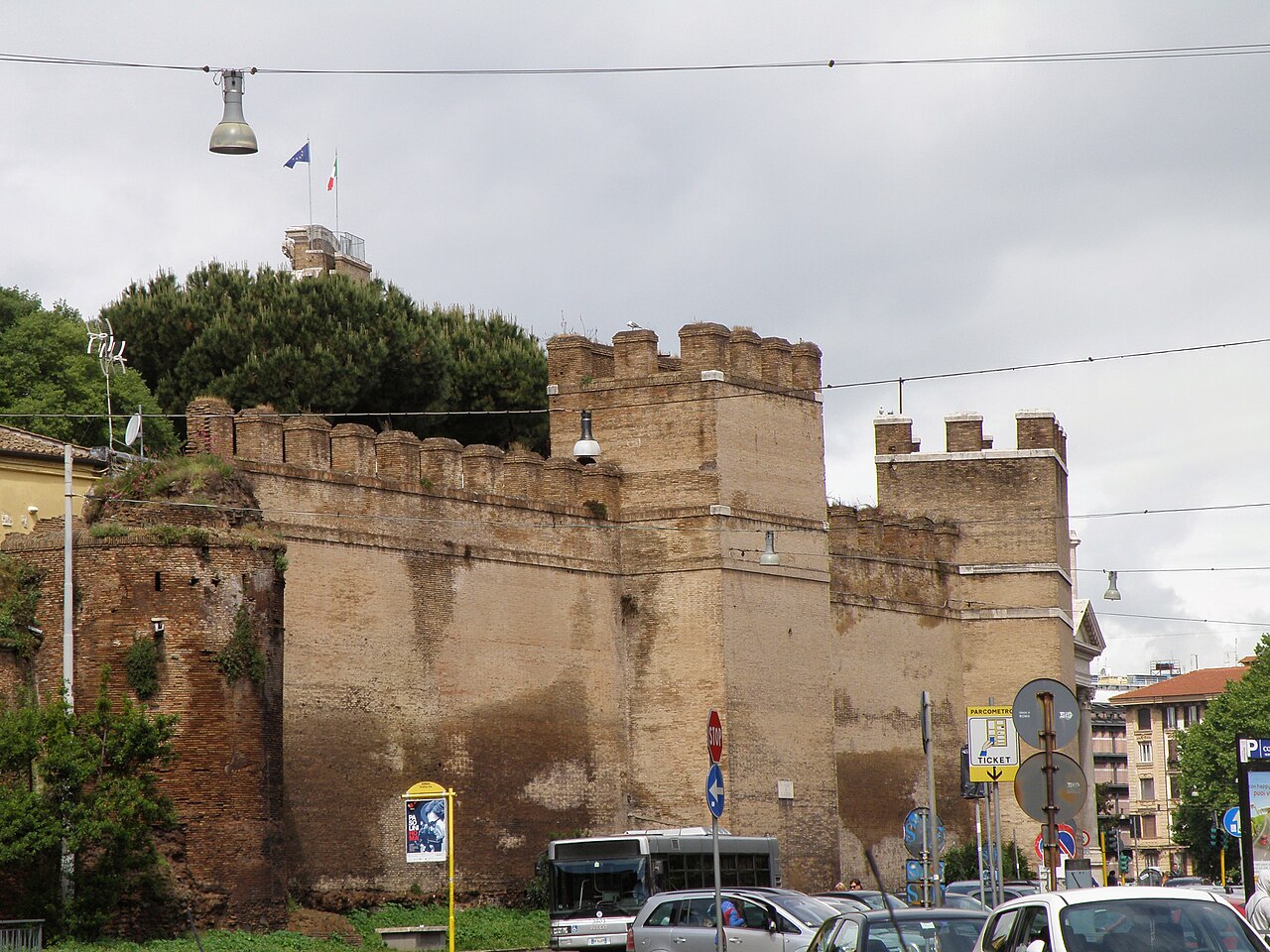
The Aurelian Walls, known locally as Mura Aureliane, constitute a circuit of ancient defensive walls encircling the historic centre of Rome, Italy. Constructed during the reign of Emperor Aurelian between 270 and 275 CE, these fortifications were later enhanced by subsequent emperors. The walls stretch for approximately 19 kilometres, incorporating earlier structures and featuring towers, gates, and battlements. They represent one of the most significant surviving examples of Roman military architecture and continue to define the boundary of Rome's central archaeological zone.
Geprüft 2026-08-28
Was ist drin?
The walls incorporate numerous gates, or porte, that have served as entry points to the city for centuries. Notable examples include Porta San Sebastiano, which houses a museum dedicated to the walls, and Porta Maggiore, originally built to support aqueducts before being absorbed into the fortifications. Various towers punctuate the circuit at intervals, and stretches of the original masonry remain visible alongside later restorations. The walls traverse diverse urban environments, from parkland to dense residential quarters, offering varied perspectives on their construction and historical evolution.
Geprüft 2026-08-28

Empfohlene Besuchsdauer
A complete circumnavigation of the Aurelian Walls on foot would require several hours and is not a conventional visitor experience. Most visitors concentrate on specific accessible sections, typically spending between thirty minutes and two hours at chosen locations. The Porta San Sebastiano museum can be explored in approximately forty-five minutes. Those wishing to examine multiple gates or extended wall segments should allocate half a day or more, depending on walking pace and interest in architectural detail. The useful pace at Aurelian Walls depends on personal interest and conditions on the day. Keep the surrounding part of the itinerary flexible if access or visitor flow differs from expectations.
Geprüft 2026-08-28


Jahreszeit und Menschenmassen
The Aurelian Walls can be viewed externally at any time, as they form part of the urban fabric. Visitors should verify current opening arrangements before travel. Early morning and late afternoon typically offer favourable lighting for observation and photography. Summer midday heat may make extended outdoor examination uncomfortable, while winter conditions can render some peripheral sections less accessible due to weather. Check the operator's own site for the travel date before relying on a schedule or fare.
Geprüft 2026-08-28
Tickets
Many sections of the Aurelian Walls are freely visible from public streets and require no admission. Visitors should not assume free entry to all associated sites and should verify current fee structures before arrival. Any applicable charges would typically be modest for municipal heritage attractions, but this cannot be confirmed without authoritative source documentation. Aurelian Walls is best treated as a distinct stop rather than a generic example of its category. Focus on the setting, surviving features and visitor route visible on arrival. Check the operator's own site for the travel date before relying on a schedule or fare.
Geprüft 2026-08-28


Ankommen
The Aurelian Walls encircle central Rome, making numerous access points reachable by public transport. Metro stations including San Giovanni, Piramide, and Circo Massimo provide proximity to different sections. Various bus routes intersect the wall circuit at multiple locations. Walking from central archaeological zones is feasible for many segments. Specific transport connections depend on chosen destination points along the walls. Visitors should consult current public transport resources for route planning, as services and schedules are subject to modification.
Geprüft 2026-08-28


Worauf Sie achten sollten
Traffic presents a consideration at gates where roads pass through the walls. Some sections border busy thoroughfares with limited pedestrian provision. Uneven surfaces and varying maintenance standards affect walkability along certain stretches. The walls traverse neighbourhoods of differing character; visitors should exercise standard urban awareness, particularly after dark. Not all sections are equally well-preserved or accessible. Signage is inconsistent, and locating specific features may require advance research or navigation assistance. A flexible visit to Aurelian Walls leaves room to adjust for access conditions without relying on unverified schedules, prices or closure assumptions. Confirm practical details with the operator when available.
Geprüft 2026-08-28
.jpg)
Fotografie
Photography rules for the Aurelian Walls and associated sites are Not recorded pending review. Exterior photography from public spaces is generally permissible, though tripod use may attract attention in traffic-sensitive areas. Interior photography policies for museums or controlled spaces should be verified on site. The walls offer diverse photographic subjects, from monumental gate architecture to textured masonry details and urban juxtapositions. Optimal conditions vary by location and time of day; south-facing sections receive direct morning light, while other orientations suit different hours.
Geprüft 2026-08-28
Häufige Fragen
Can you walk the entire length of the Aurelian Walls for Aurelian Walls in Rome?
A complete circumnavigation is possible but not established as a standard visitor route. The walls traverse varied urban terrain, and continuous pedestrian access is not guaranteed along all sections.
Are the Aurelian Walls illuminated at night for Aurelian Walls in Rome?
Illumination of specific sections may occur, but comprehensive lighting of the entire circuit is Not recorded pending review. Night-time visibility varies by location.
How old are the Aurelian Walls for Aurelian Walls in Rome?
Construction began under Emperor Aurelian in 270 CE and was substantially completed by 275 CE, with subsequent modifications throughout late antiquity and beyond.
Do the walls follow the boundary of ancient Rome for Aurelian Walls in Rome?
The Aurelian Walls enclose a larger area than the earlier Servian Wall, incorporating expanded districts of the imperial city.
Are guided tours available for Aurelian Walls in Rome?
Organised tour availability for the walls specifically is Not recorded pending review. General Rome tours may include wall segments incidentally.
Is the Porta San Sebastiano museum accessible for Aurelian Walls in Rome?
Accessibility provisions are Not recorded pending review. Visitors requiring specific accommodations should contact relevant authorities directly before visiting.
Wo es ist
Interaktive Karte wird geladen…
Die interaktive Karte konnte nicht geladen werden.
In der Nähe
Passen Sie es in einen Plan ein
Externe Links
Zuletzt aktualisiert:
Quelle: OpenStreetMap-Mitwirkende, Wikidata ·