Historisches Denkmal · Dublin
Dunsink Observatory
Foto

- Heute
- Öffnungszeiten nicht erfasst
- Besuchsdauer
- 45 Min
- Barrierefreiheit
- Nicht erfasst
- Preis
- Nicht erfasst
- Einordnung
- Muss man gesehen haben
- Rang
- Rang 56 von 3,083
Über Dunsink Observatory
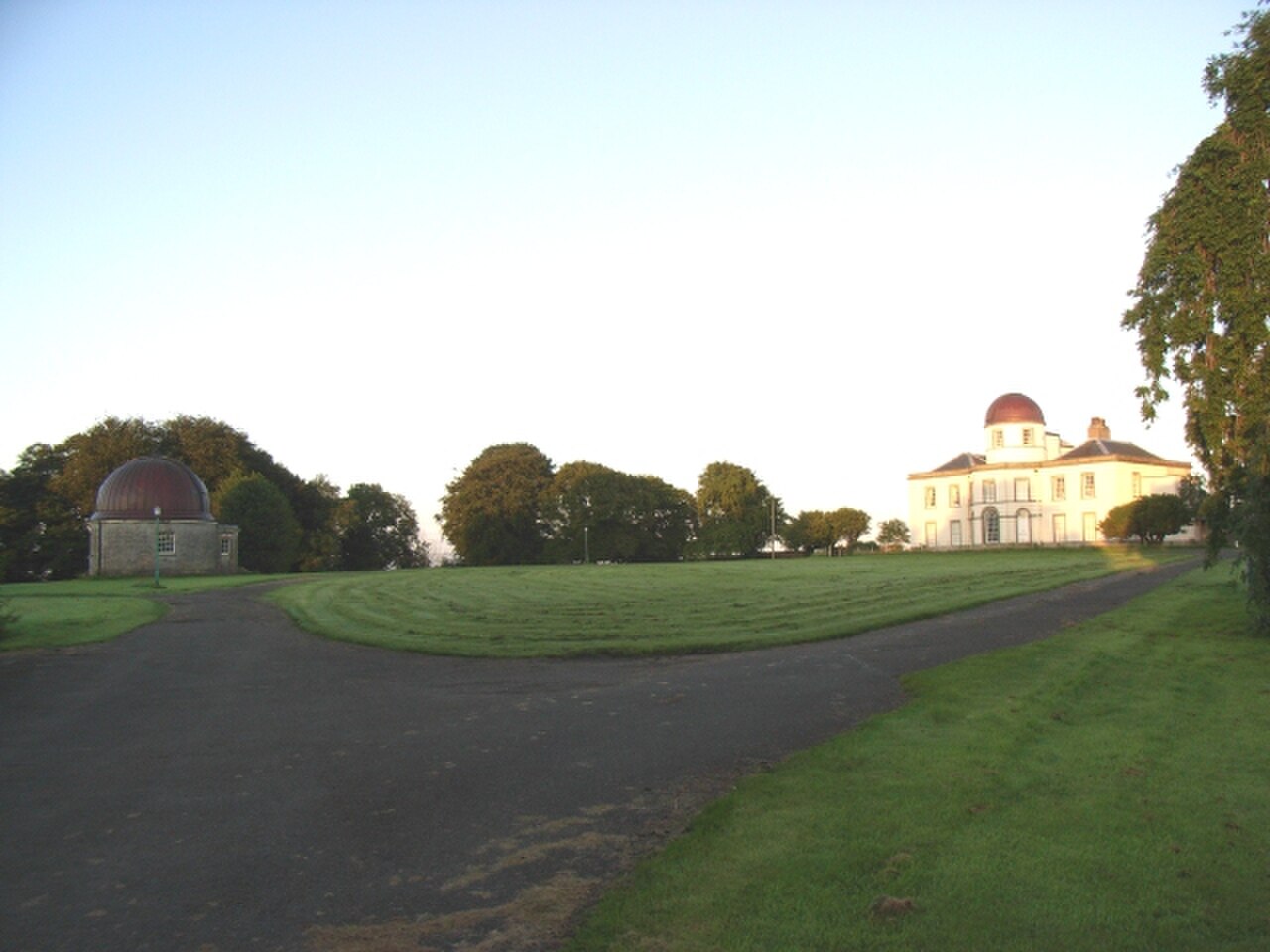
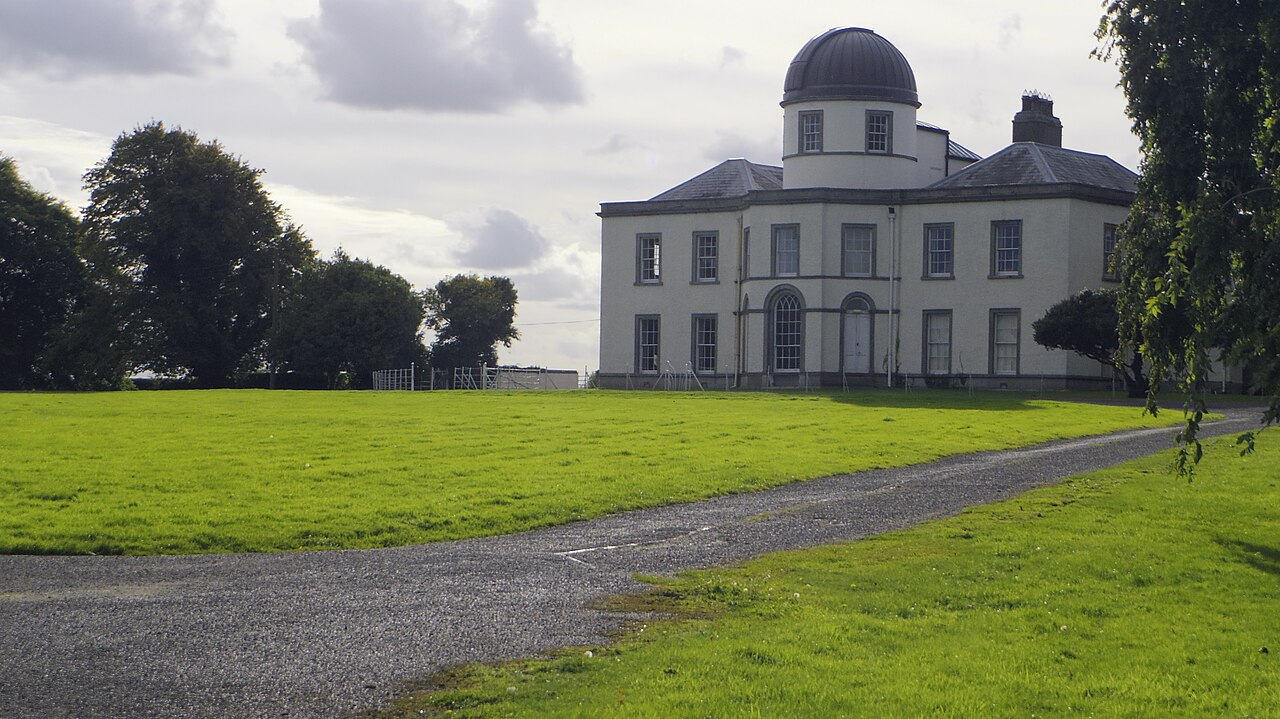
Dunsink Observatory is an astronomical observatory situated in the northern suburbs of Dublin, Ireland. Established in the eighteenth century, it holds historical significance as one of the oldest scientific institutions in the country. The observatory was formerly associated with Trinity College Dublin and served as a working research facility for generations of astronomers. Its distinctive domed structures and classical architectural elements make it a notable landmark. The site represents an important chapter in Irish scientific heritage and continues to attract visitors interested in astronomy, history, and architectural preservation.
Geprüft 2026-08-26
Was ist drin?
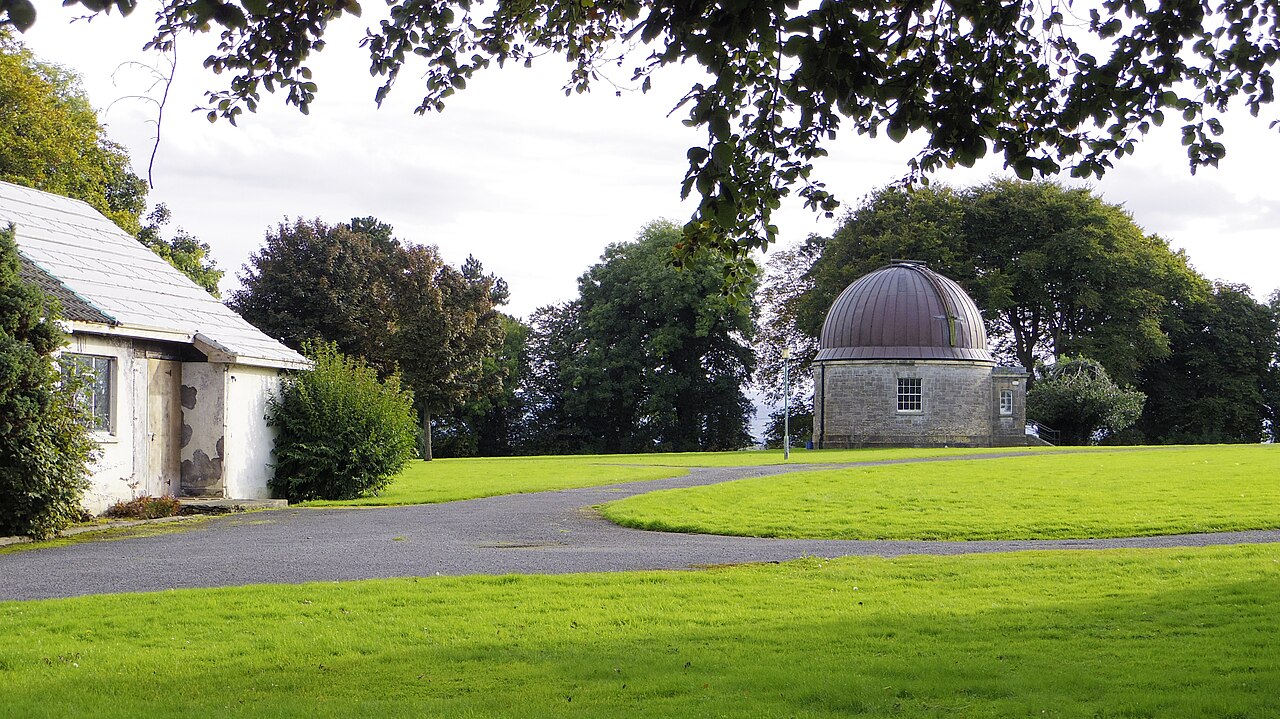
The observatory complex contains historic telescope domes and associated scientific instruments that were employed for astronomical observation over centuries. The main building features period architectural details reflecting its establishment era. Visitors may encounter exhibition materials related to the history of Irish astronomy and notable figures who worked at the site. The interior spaces include rooms that were once used for calculations, observations, and scholarly activities. The preserved environment offers insight into how astronomical research was conducted before modern digital technologies transformed the field.
Geprüft 2026-08-26

Empfohlene Besuchsdauer
A visit to Dunsink Observatory typically requires between one and two hours depending on individual interest levels and any guided components available at the time of attendance. Those with strong enthusiasm for astronomical history or scientific instrumentation may wish to allocate additional time for thorough examination of displays and architectural features. Casual visitors often find that a shorter duration suffices for appreciating the main highlights. The compact nature of the historic site means that extensive walking is not required, making it accessible for varied pacing preferences.
Geprüft 2026-08-26


Jahreszeit und Menschenmassen
Operator-confirmed opening hours are Not recorded pending review. Prospective visitors should verify current accessibility and any seasonal variations in public opening before planning their journey. The Dublin region experiences mild but changeable maritime climate conditions throughout the year, with summer months generally offering more favourable conditions for travel and outdoor site approach. Winter visits may be complicated by shorter daylight hours and inclement weather. Advance confirmation of any scheduled events, tours, or temporary closures is strongly advisable given the site's operational characteristics as a heritage scientific institution.
Geprüft 2026-08-26
Tickets
Operator-confirmed admission prices are Not recorded pending review. Visitors should consult official channels or associated institutional contacts to determine whether entry fees apply, what payment methods are accepted, and whether any concession categories exist for eligible groups. Some heritage scientific sites operate with variable pricing structures depending on tour inclusion, special exhibitions, or event programming. Group bookings may be handled through separate arrangements. Advance reservation could be necessary during periods of high demand or for specialised astronomical viewing sessions if such opportunities are offered by current management.
Geprüft 2026-08-26

Ankommen
Dunsink Observatory occupies a position in Dublin's northern suburban area, removed from the immediate city centre. Public transport connections including bus services may serve the general vicinity, though specific route details and walking distances from stops should be verified through current transport authority information. Private vehicle access involves navigating suburban road networks with attention to local traffic patterns. Cycling represents another potential approach for suitably equipped visitors. The elevated site position may influence final approach routes, and visitors should prepare for possible gradient changes when walking from nearby transport points.
Geprüft 2026-08-26


Worauf Sie achten sollten
The historic nature of the observatory buildings necessitates careful attention to preservation requirements and any visitor restrictions that protect delicate scientific instruments and architectural fabric. Weather protection is advisable given Dublin's unpredictable precipitation patterns. Limited interior spaces within older structures may constrain movement during busier periods. Visitors should respect any roped-off areas or staff instructions regarding sensitive equipment. Mobile telephone reception in older buildings with thick walls may be unreliable. Appropriate footwear is recommended for exterior grounds that may become uneven or slippery in wet conditions characteristic of the local climate.
Geprüft 2026-08-26


Fotografie
Photography policies at heritage scientific sites vary considerably, and visitors should seek explicit guidance regarding permitted practices at Dunsink Observatory. Flash photography may be restricted around sensitive historic instruments to prevent deterioration of materials. Tripod use could be limited due to spatial constraints and visitor flow considerations. The distinctive domed silhouette and classical architectural elements offer exterior photographic opportunities subject to weather and lighting conditions. Interior photography may capture rare scientific heritage objects not commonly accessible elsewhere, making respectful documentation practices particularly important for preserving these resources for future visitors.
Geprüft 2026-08-26
Häufige Fragen
Is Dunsink Observatory still used for astronomical research for Dunsink Observatory in Dublin?
Not recorded. The historical research function has evolved, and current operational status should be verified through official sources.
Are guided tours available at Dunsink Observatory for Dunsink Observatory in Dublin?
Not recorded. Visitors should contact the site directly or consult official channels to determine whether guided tour options exist.
Does Dunsink Observatory have wheelchair accessibility for Dunsink Observatory in Dublin?
Not recorded. Historic scientific buildings often present accessibility challenges; prospective visitors with mobility requirements should seek current information from operators.
Can children visit Dunsink Observatory for Dunsink Observatory in Dublin?
Not recorded. Family visitor policies and any age-appropriate programming should be confirmed through official communication channels before planning.
Is there a café or restaurant at Dunsink Observatory for Dunsink Observatory in Dublin?
Not recorded. The compact heritage nature of the site suggests limited catering facilities; visitors may wish to identify nearby alternatives.
Does Dunsink Observatory host special astronomical viewing events for Dunsink Observatory in Dublin?
Not recorded. Any evening observation sessions, stargazing programmes, or special celestial event activities should be verified through official announcements.
Wo es ist
Interaktive Karte wird geladen…
Die interaktive Karte konnte nicht geladen werden.
In der Nähe
Passen Sie es in einen Plan ein
Externe Links
Zuletzt aktualisiert:
Quelle: OpenStreetMap-Mitwirkende, Wikidata ·