


5 min walk
Washington Youth Garden
- Notable
- Nature site
Language · 1 published
Nature site · Washington
U.S. National Arboretum

The United States National Arboretum is a large federal botanical research institution in Washington, D.C. Established by Congress in 1927, it operates under the U.S. Department of Agriculture's Agricultural Research Service. The arboretum serves scientific research, conservation, and public education purposes across extensive grounds. It houses significant plant collections including azaleas, bonsai, and woody landscape plants. The site is notable for the National Capitol Columns, twenty-two Corinthian columns relocated from the U.S. Capitol building in 1958. The arboretum functions as both a working research facility and a public garden destination.
Checked 2026-08-26
Major features include the National Capitol Columns arranged on a raised earth platform, the National Bonsai and Penjing Museum displaying cultivated miniature trees, and extensive azalea collections. The arboretum contains multiple gardens and collections organized by plant type and research function. The National Grove of State Trees represents tree species from all fifty states. Additional collections focus on hollies, magnolias, dogwoods, and other woody plants. The Fern Valley Native Plant Collection showcases plants indigenous to the mid-Atlantic region. Various research plots and experimental gardens support active scientific study.
Checked 2026-08-26

Visitors typically spend two to four hours exploring the arboretum's grounds and collections. A comprehensive visit covering all major gardens, the Capitol Columns, and the Bonsai Museum requires half a day. The extensive road network and walking paths connect dispersed collections across the property. Those with limited time often prioritize the Capitol Columns and central garden areas. The arboretum's scale rewards extended exploration for plant enthusiasts and photographers. Self-guided touring allows flexible pacing based on individual interests and seasonal conditions.
Checked 2026-08-26
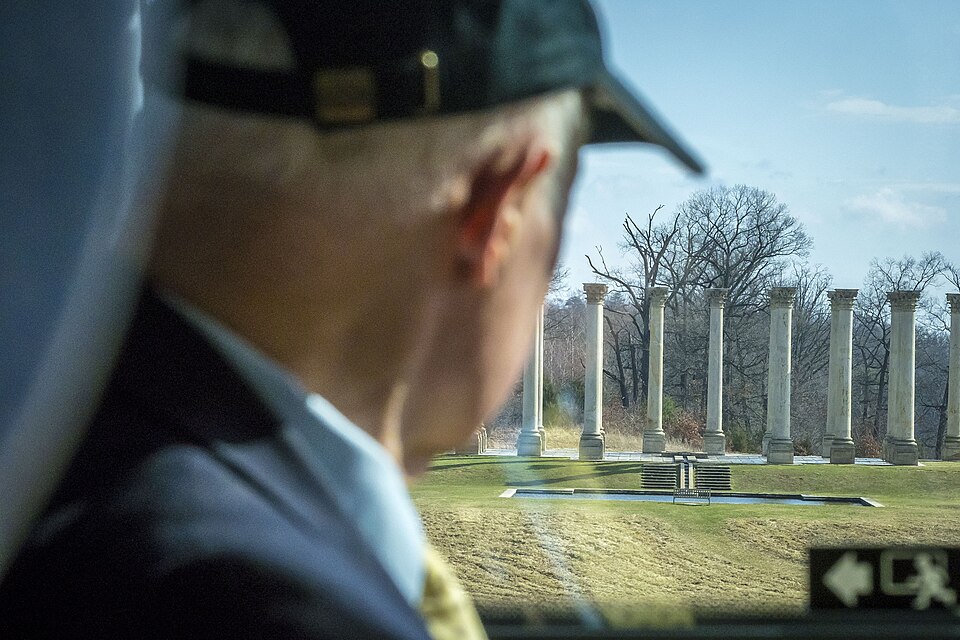
The arboretum offers different seasonal experiences throughout the year. Spring brings azalea and flowering tree displays. Summer provides full foliage across collections. Fall features autumn color changes. Winter reveals architectural plant forms and evergreen specimens. Operator-confirmed hours are Not recorded pending review. Visitors should verify current opening times before planning their trip. Weather conditions affect both accessibility and visual appeal of outdoor collections. Some indoor museum spaces may offer shelter during inclement conditions. Seasonal variations in plant interest may influence timing decisions for specialized visits.
Checked 2026-08-26
The United States National Arboretum operates as a federal facility. Admission policies and any applicable fees for special programs or parking require direct verification. Operator-confirmed prices are Not recorded pending review. Visitors should consult official sources for current cost information. Some federal botanical institutions maintain free general admission with possible charges for specific events or services. Donation opportunities may support arboretum programs. Group arrangements or educational programming might involve separate fee structures requiring advance inquiry with administrative staff. United States National Arboretum also earns time in a washington dc itinerary because A large federal botanical institution with major plant collections and the Capitol Columns. Live Wikipedia resolved Q8203264; its coordinate is 199 m from the unique production POI. Its value becomes clearer when the stop is compared with the surrounding streets and the other ranked places nearby.
Checked 2026-08-26
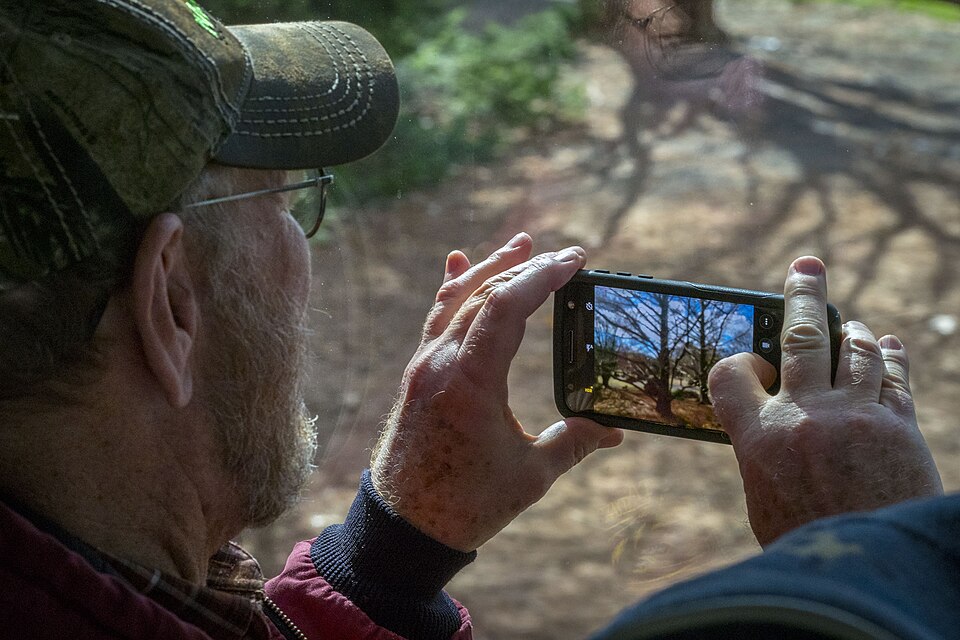
The arboretum occupies northeastern Washington, D.C., accessible by private vehicle with parking available on site. Public transit access requires careful planning given the location. The nearest Washington Metro stations necessitate additional connection by bus, rideshare, or significant walking. Bicycle access is possible via area road networks. The internal road system facilitates vehicular movement between distant collections. Visitors without vehicles should research current transit options thoroughly. Signage directs drivers to entrance points from major approaching roads. Mobility considerations may affect choices between walking and driving within the grounds.
Checked 2026-08-26
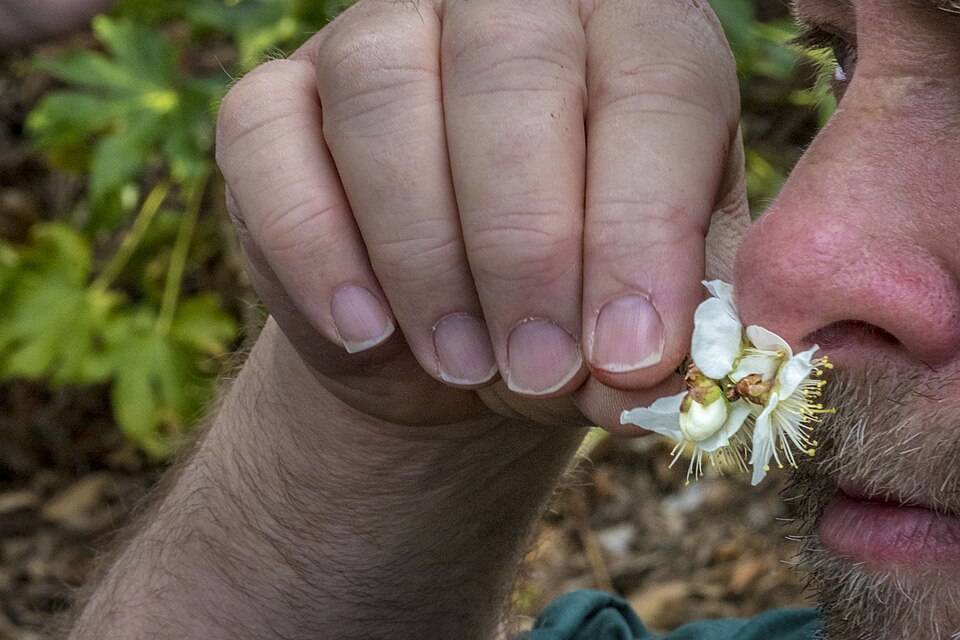
The arboretum comprises extensive outdoor terrain with variable surfaces and elevation changes. Weather exposure is substantial across open landscapes. Summer heat and humidity demand hydration and sun protection. Winter conditions may affect path accessibility. Wildlife including deer inhabits the grounds. Research areas may carry access restrictions. The dispersed layout requires attention to distances between features. Vehicle traffic shares some internal routes. Visitors should remain on designated paths to protect plant collections and research plots. Emergency services may require extended response times given the property's size and some remote locations.
Checked 2026-08-26
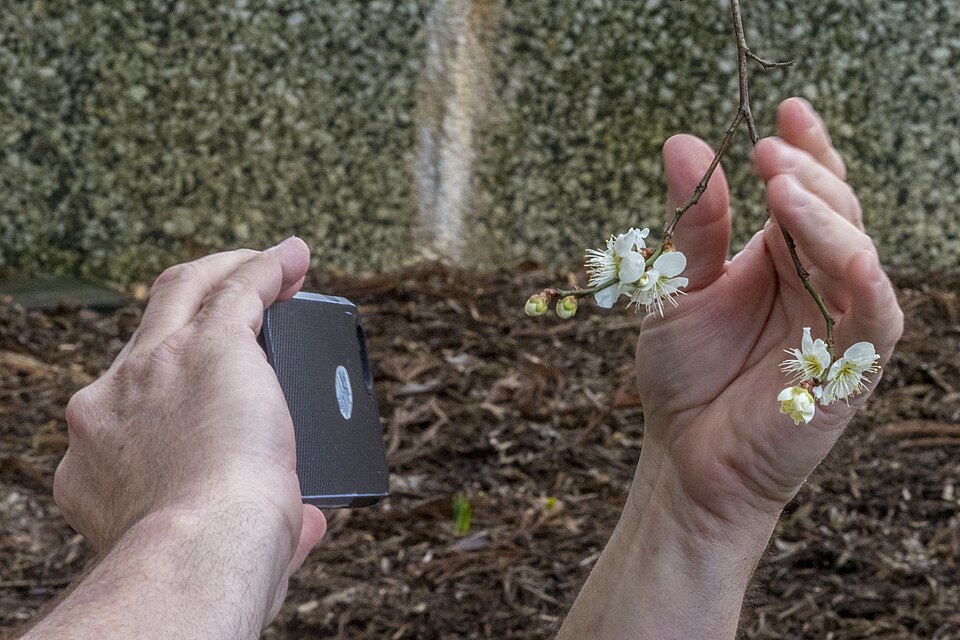
The Capitol Columns and formal garden settings provide prominent photographic subjects. Seasonal blooms offer changing compositional opportunities. Early morning and late afternoon light enhance landscape photography. The bonsai collection permits detailed close-up work. Tripod policies should be verified for indoor museum spaces. Commercial or posed photography may require permits. The spacious grounds allow photographers to work without crowding. Architectural elements including columns and garden structures add geometric interest. Weather conditions significantly affect outdoor shooting possibilities. Visitors should respect research areas and plant specimens while positioning for photographs.
Checked 2026-08-26
Operator-confirmed admission policies are Not recorded pending review. Visitors should consult official sources for current information.
Operator-confirmed hours are Not recorded pending review. Visitors must verify current schedules before visiting.
Public transit access requires connections from Washington Metro stations via bus, rideshare, or walking. Visitors should research current options.
The National Capitol Columns at the arboretum are original columns removed from the U.S. Capitol during 1958 renovation work.
The National Bonsai and Penjing Museum is a public feature of the arboretum, though specific access conditions should be verified.
On-site dining facilities are Not recorded pending review. Visitors should plan accordingly and verify current amenities.
Loading the interactive map…
The interactive map could not be loaded.
Last updated:
Source: OpenStreetMap contributors, Wikidata ·