
.jpg)
.jpg)


19 min walk
United States National Arboretum
- Must see · Heritage site
- Nature site
Language · 1 published
Nature site · Washington
Kenilworth Park & Aquatic Gardens
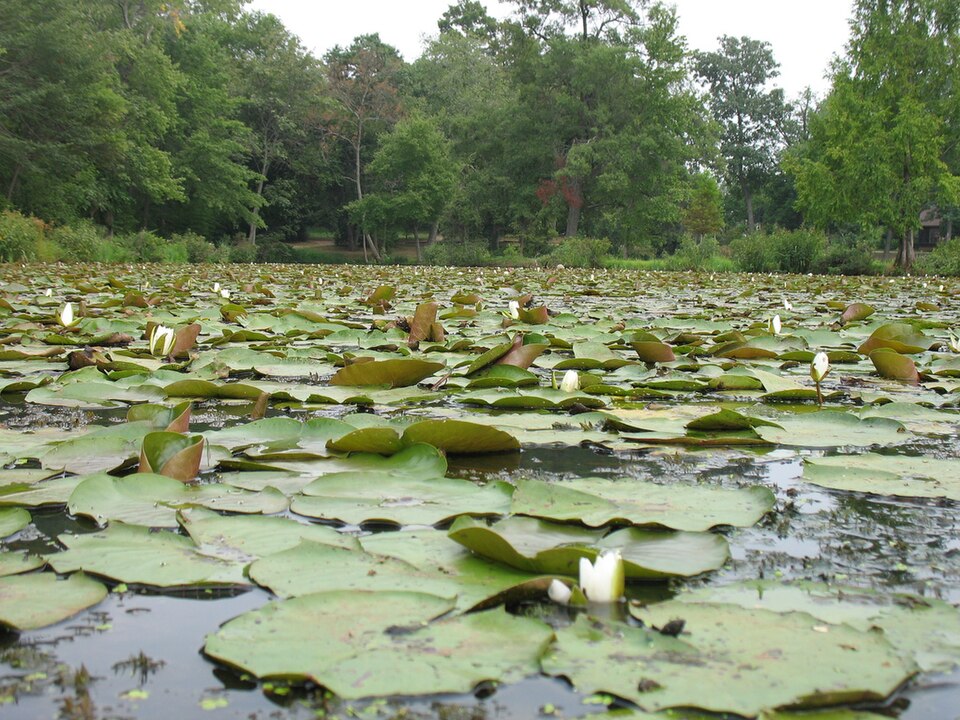
Kenilworth Park and Aquatic Gardens is a National Park Service site in Washington, D.C. It preserves marsh, pond, and aquatic garden habitats along the Anacostia River. The area originated from the work of water gardener Walter B. Shaw, who created cultivated ponds beginning in the 1880s. The National Park Service now manages the property as a natural and cultural resource. It represents a rare wetland environment within an urban setting, providing habitat for wildlife and serving as a recreational destination for visitors seeking nature experiences in the nation's capital.
Checked 2026-08-26
The site contains cultivated aquatic gardens with water lilies and lotus plants, alongside natural tidal marsh and freshwater wetland areas. Boardwalks and trails allow visitor access through portions of the landscape. The gardens feature both native and historically cultivated aquatic plant species. Wildlife including birds, turtles, fish, and insects inhabit the wetlands. The Anacostia River forms part of the boundary. Seasonal changes affect which plants are visible, with water lily and lotus blooms occurring during warmer months. The combination of maintained garden pools and wild marshland creates distinct zones within the park.
Checked 2026-08-26
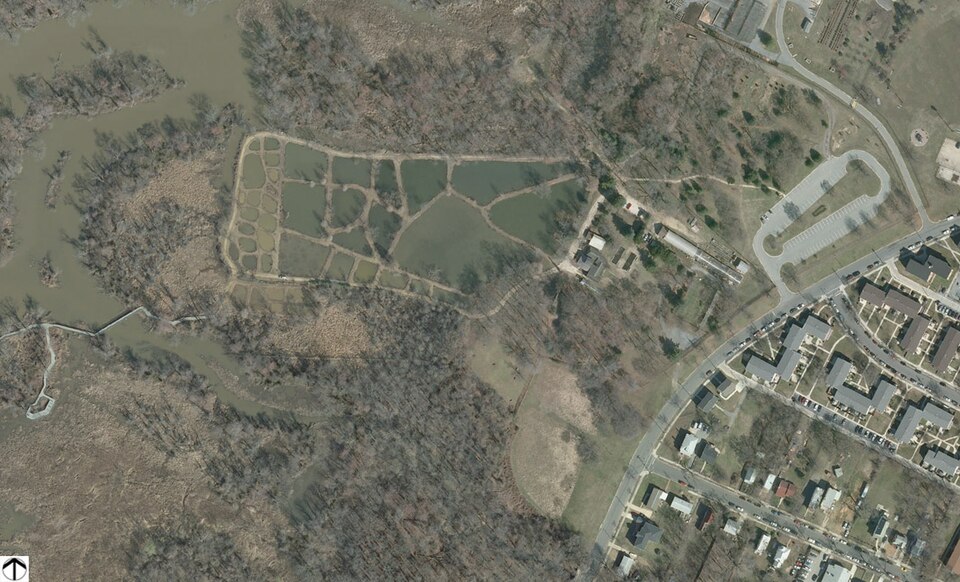
Visitor time varies by interest level and seasonal conditions. A focused walk through the aquatic gardens and boardwalk areas typically requires one to two hours. Birdwatchers, photographers, and those seeking extended nature observation may spend longer periods. The compact nature of the developed garden areas means the core experience does not demand extensive time. Visitors combining the site with adjacent Kenilworth Park or engaging in repeated seasonal visits will extend their overall engagement. Personal pacing and weather conditions influence individual visit duration significantly.
Checked 2026-08-26
Peak interest occurs during water lily and lotus blooming periods, generally in summer months, though exact timing varies annually with weather conditions. Early morning visits often provide calmer water surfaces and active wildlife. Operator-confirmed hours are Not recorded pending review. Visitors should consult the National Park Service official channels for current operating schedules before planning. Seasonal changes dramatically affect the visual experience, with winter presenting dormant vegetation and reduced accessibility. Personal tolerance for heat, humidity, and insects should inform timing decisions, as wetland environments intensify these factors.
Checked 2026-08-26
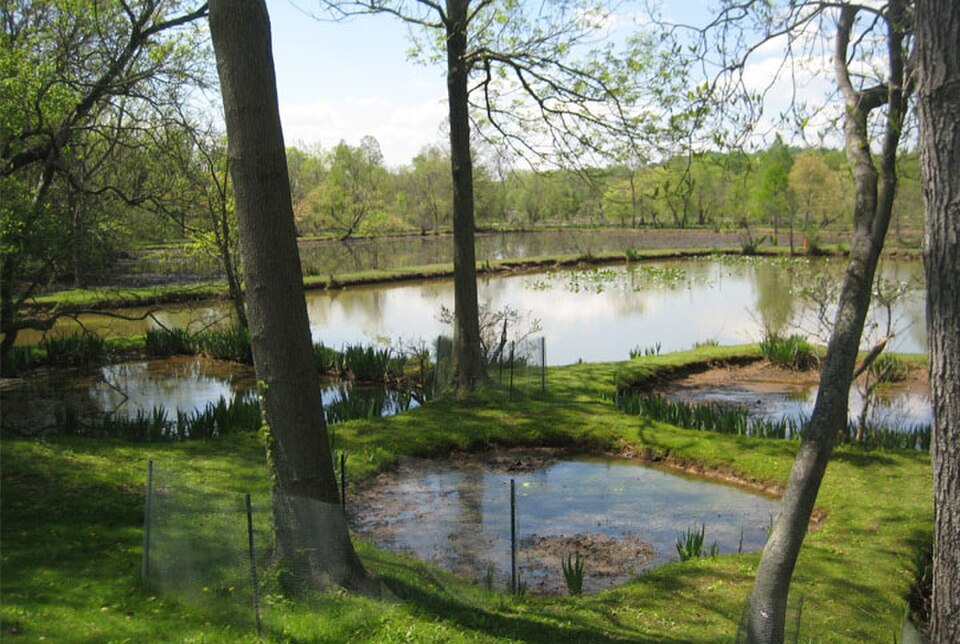
As a National Park Service property, Kenilworth Park and Aquatic Gardens typically does not charge entrance fees, consistent with many urban NPS sites. Operator-confirmed prices are Not recorded pending review. Visitors should verify current fee status through official National Park Service communications. Special programs or events may occasionally involve separate arrangements. The lack of admission cost makes this an accessible destination for repeated visits across seasons. Visitors should not rely on unofficial sources for financial planning and must confirm directly with managing authorities for any recent policy modifications.
Checked 2026-08-26
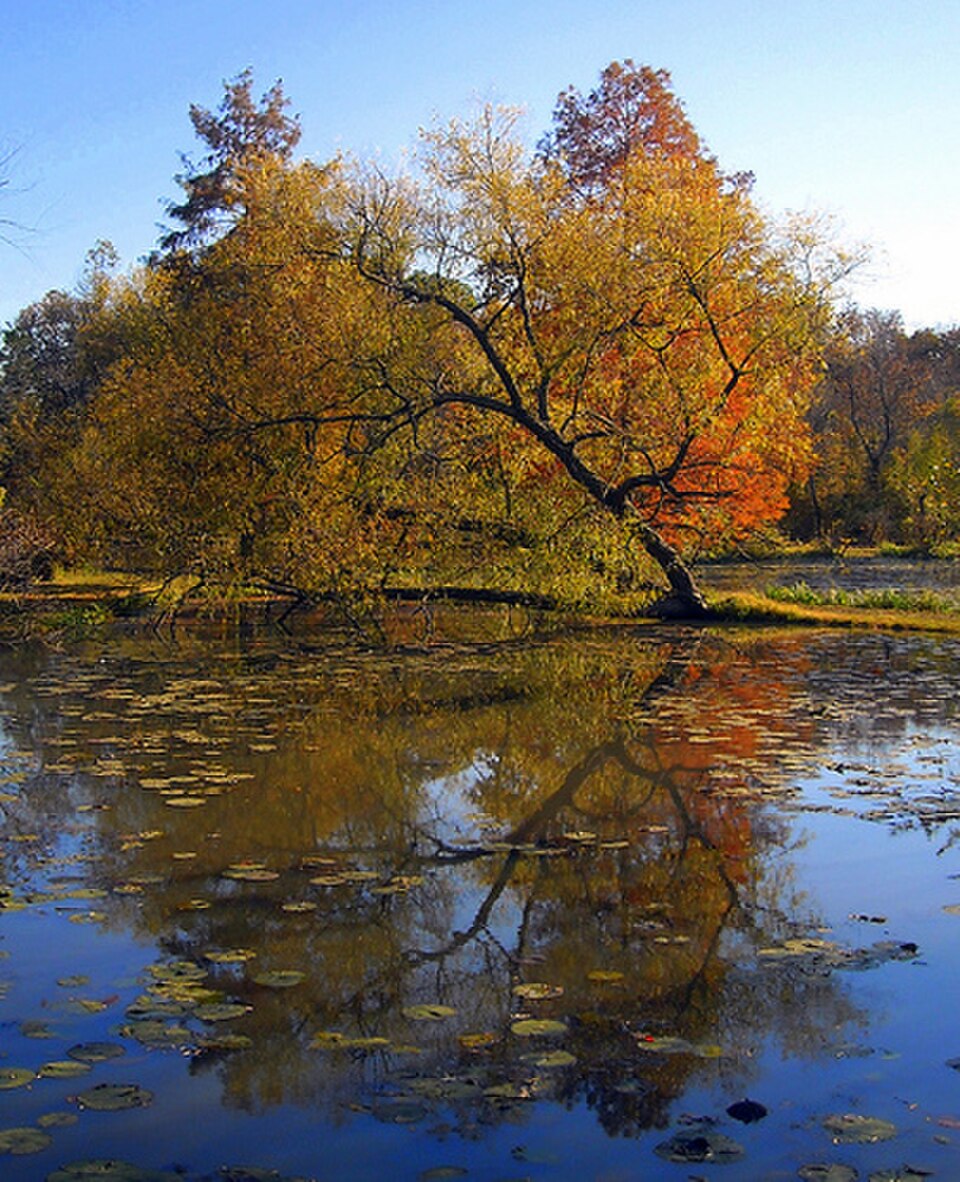
The site occupies a location in northeast Washington, D.C., near the Anacostia River. Public transportation options include Metrobus service with stops requiring additional walking. The nearest Metrorail station is not immediately adjacent, necessitating bus connection, bicycle, or walking completion. Personal vehicle access involves limited parking availability. Bicycle routes serve the area through Washington's developing trail network. Visitors should consult current transit schedules and route maps, as service patterns change. The urban wetland location means surrounding infrastructure is primarily residential and industrial rather than commercial, affecting nearby amenity availability.
Checked 2026-08-26
Wetland environments present inherent considerations: uneven boardwalk surfaces, standing water proximity, and seasonal mosquito abundance. Sun exposure is limited by tree cover in portions but significant in open pond areas. Visitors should carry water and sun protection. Wildlife encounters require appropriate distance maintenance. Water quality in natural areas reflects urban watershed conditions. Isolated trail sections suggest visitors remain aware of surroundings. Weather impacts site conditions rapidly; flooding can affect accessibility. Proper footwear for potentially muddy or damp conditions is advisable. Children require supervision near water features.
Checked 2026-08-26
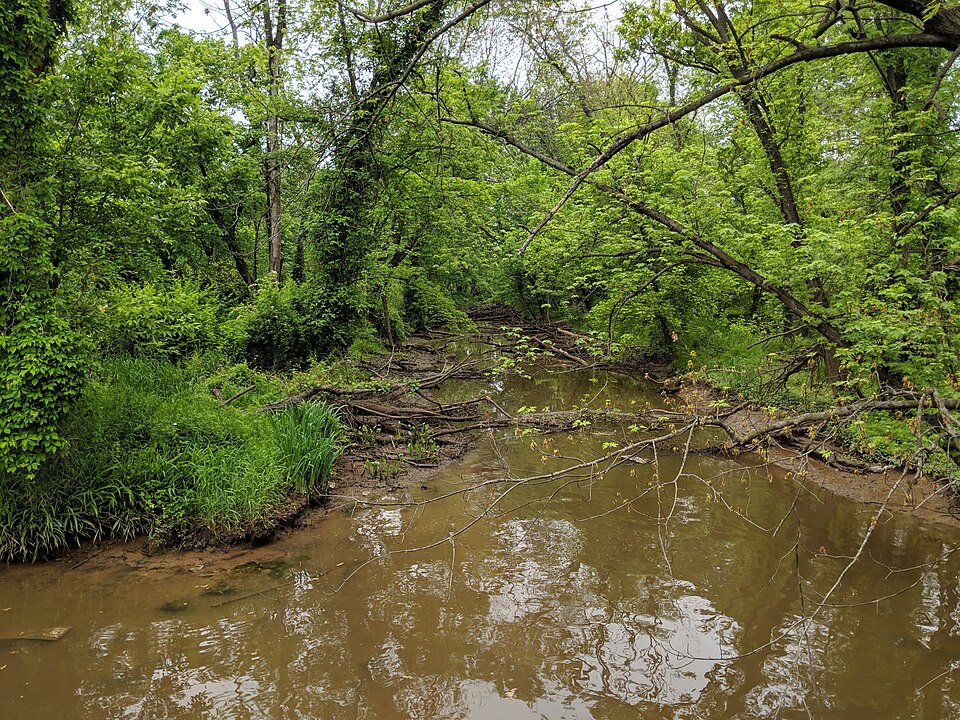
The aquatic gardens offer distinctive photographic subjects including water lilies, lotus flowers, reflections, and wildlife. Morning light generally provides favorable conditions with reduced glare on water surfaces. Macro photography suits flower details, while longer lenses benefit bird and wildlife capture. Tripod use may be restricted on narrow boardwalks due to pedestrian traffic considerations. Seasonal variation provides different visual opportunities, from summer blooms to winter structural forms. Overcast conditions reduce harsh contrast in open pond areas. Patience rewards photographers seeking wildlife behavior. Respect for habitat boundaries limits certain vantage points.
Checked 2026-08-26
The site typically operates without entrance fees as a National Park Service property, but visitors should verify current status through official channels.
Lotus and water lily blooming generally occurs in summer months, though exact timing varies with annual weather conditions.
Metrobus serves the area with stops requiring additional walking; Metrorail access involves connecting bus service, bicycle, or walking.
Boardwalk conditions vary; visitors should assess current surface conditions and width constraints against individual mobility needs.
Picnic facilities are not a prominent feature; the site emphasizes wetland habitat observation rather than developed recreation amenities.
Standard urban park awareness applies; some trail sections are relatively isolated, suggesting visitors remain attentive to surroundings.
Loading the interactive map…
The interactive map could not be loaded.
Last updated:
Source: OpenStreetMap contributors, Wikidata ·