


3 min walk
Decatur House
- High · Heritage site
- Museum
Language · 1 published
Nature site · Washington
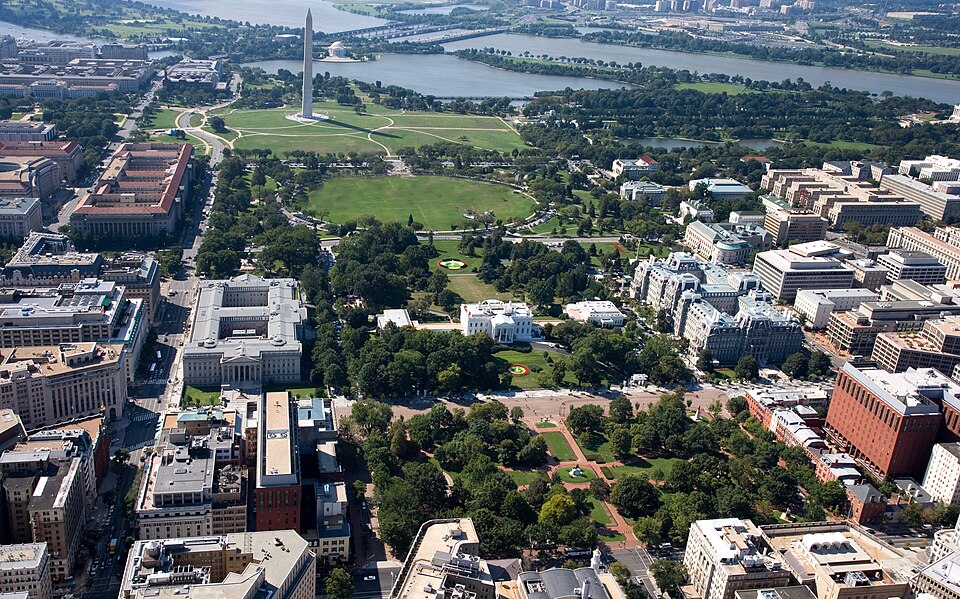
Lafayette Square is a historic public square in Washington, D.C., located directly north of the White House. The seven-acre park forms part of President's Park and has served as a prominent civic space since the early nineteenth century. The square is named for Gilbert du Motier, Marquis de Lafayette, the French aristocrat and military officer who fought in the American Revolutionary War. The park contains several statues of foreign Revolutionary War heroes and has been the site of numerous political demonstrations, protests, and public gatherings throughout American history.
Checked 2026-08-26
The square features five major equestrian statues placed around its central grounds. These monuments honor Major General Marquis Gilbert de Lafayette, Major General Comte Jean de Rochambeau, Brigadier General Thaddeus Kosciuszko, Major General Friedrich Wilhelm von Steuben, and an unnamed figure. The park contains landscaped gardens with mature trees, walking paths, and open lawn areas. The surrounding streets include historic buildings such as the Hay-Adams Hotel, the U.S. Department of the Treasury, and the Renwick Gallery. The White House North Lawn and portico face directly onto the southern edge of the square.
Checked 2026-08-26
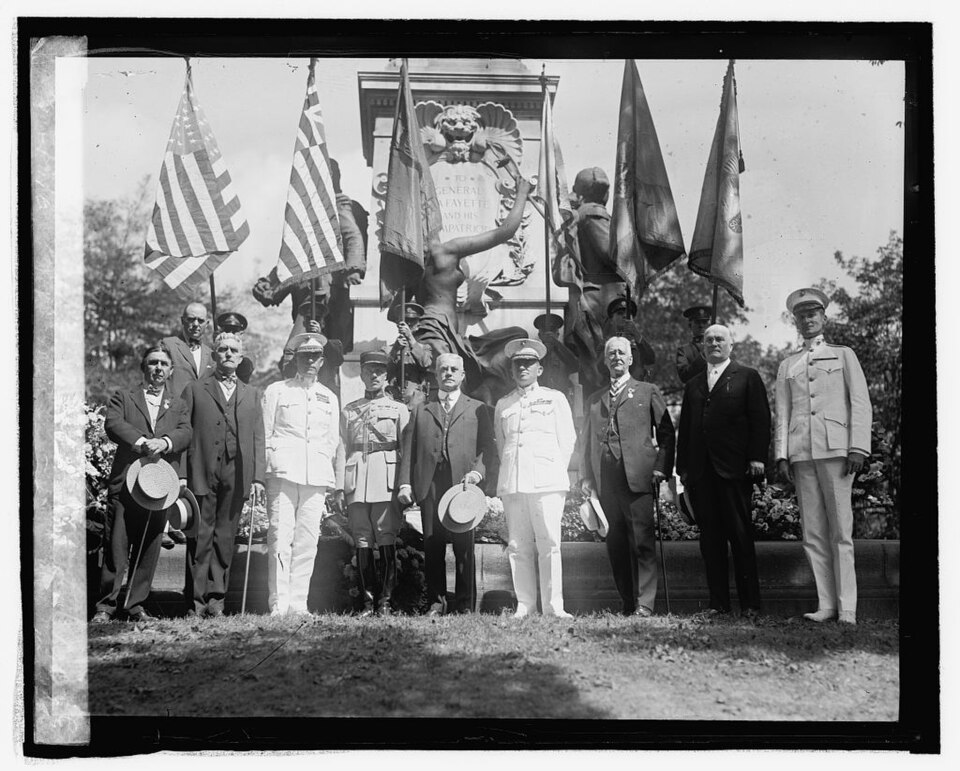
Visitors typically spend between thirty minutes and one hour at Lafayette Square, depending on their interest in examining the statues and reading historical markers. A brief walk through to view the monuments and White House backdrop may take fifteen minutes. Those wishing to sit on benches, observe the architecture, or watch for potential presidential motorcade activity may stay longer. The square connects to other nearby attractions including the White House Visitor Center, the Ellipse, and the National Mall, allowing visitors to incorporate it into a longer walking itinerary through central Washington, D.C.
Checked 2026-08-26
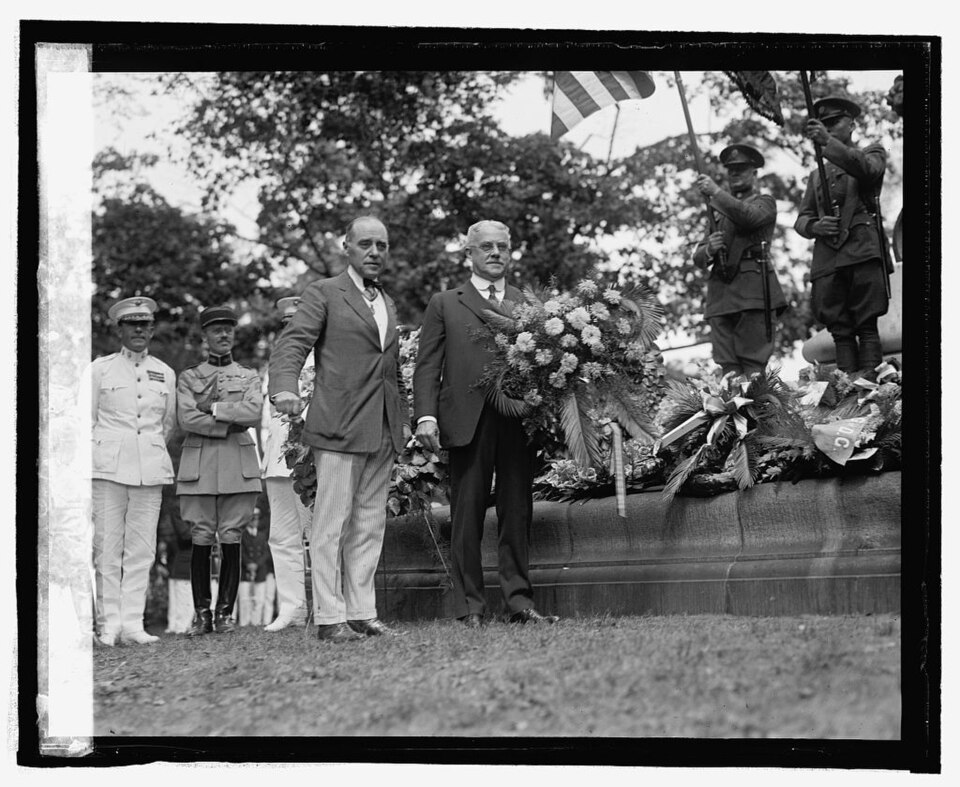
Lafayette Square is an outdoor public park accessible throughout the year during daylight and evening hours. Operator-confirmed hours are Not recorded pending review. The square offers different experiences across seasons: spring brings flowering trees, summer provides shaded areas, autumn features changing foliage, and winter presents unobstructed views through bare branches. Political activity and protest gatherings occur unpredictably and may affect access or atmosphere. Visitors seeking quieter conditions may prefer early mornings or weekdays. Those interested in civic demonstrations may find weekend afternoons more active. Weather conditions should be considered for comfort.
Checked 2026-08-26
Lafayette Square is a public park with no admission fee. Operator-confirmed prices are Not recorded pending review. No tickets are required for entry. The surrounding streets are freely accessible. Visitors should note that special events, security incidents, or presidential movements may result in temporary closures or restricted access without advance notice. No guided tour services operate from within the square itself, though various commercial walking tours of the White House neighborhood include the park in their routes. Visitors are responsible for their own expenses including transportation, food, and any optional tour purchases from private operators.
Checked 2026-08-26
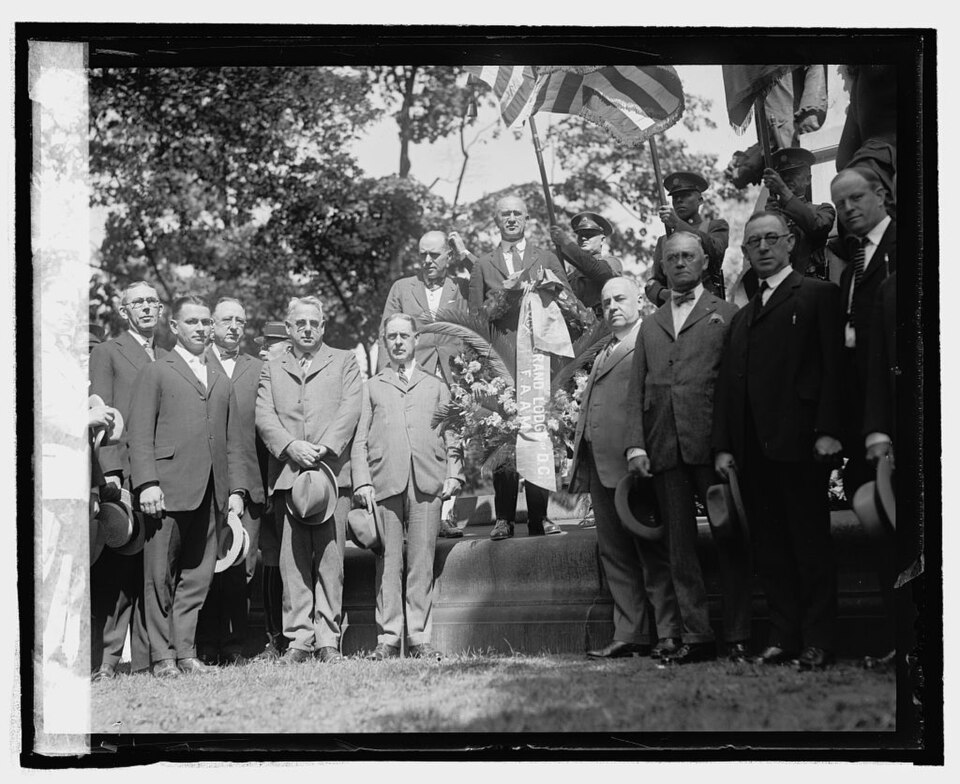
Lafayette Square is situated in downtown Washington, D.C., at the intersection of H Street and 16th Street NW, directly north of the White House. The nearest Washington Metro stations are McPherson Square on the Orange, Silver, and Blue lines and Farragut West on the same lines, each approximately three to four blocks away. Metrobus routes serve nearby streets. The square is highly walkable from the National Mall and other central D.C. landmarks. Limited street parking exists in the surrounding area; visitors should observe posted restrictions. Bicycle racks are available nearby. The park is fully outdoors with no enclosed structures.
Checked 2026-08-26
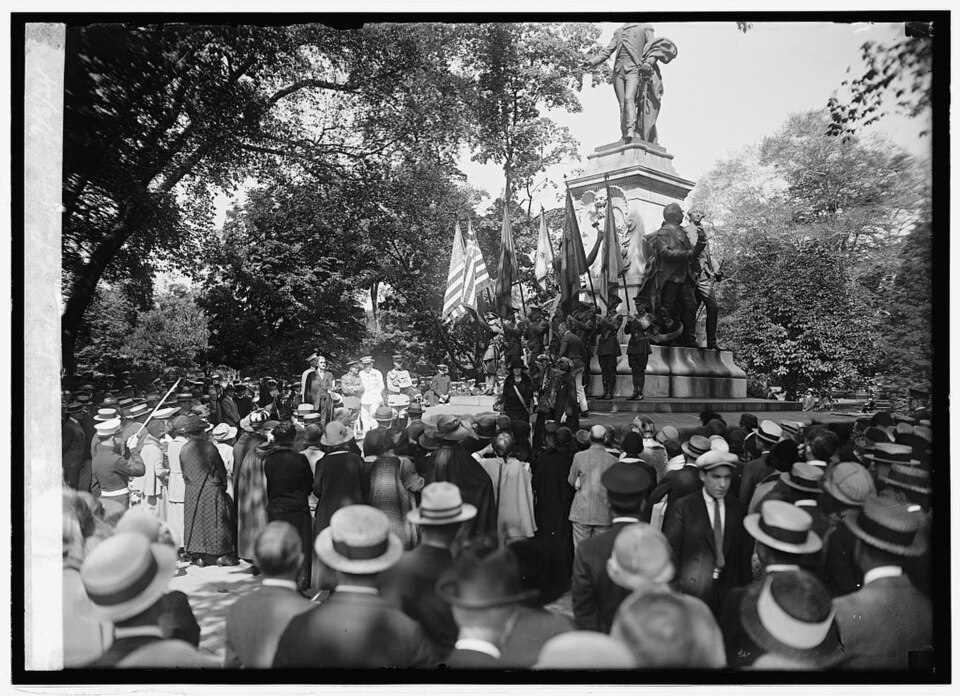
Security presence is substantial due to proximity to the White House. Visitors should expect uniformed officers and may encounter temporary fencing or access restrictions. All bags are subject to search. Climbing on statues or entering restricted zones is prohibited. Political demonstrations occur regularly and may become crowded or vocal; visitors should exercise situational awareness. The park has minimal shade in central areas during midday summer heat. No drinking fountains or restrooms exist within the square itself; facilities are available at nearby buildings and businesses. Weather exposure is complete. Visitors should remain on designated paths and respect all posted signage and officer instructions.
Checked 2026-08-26
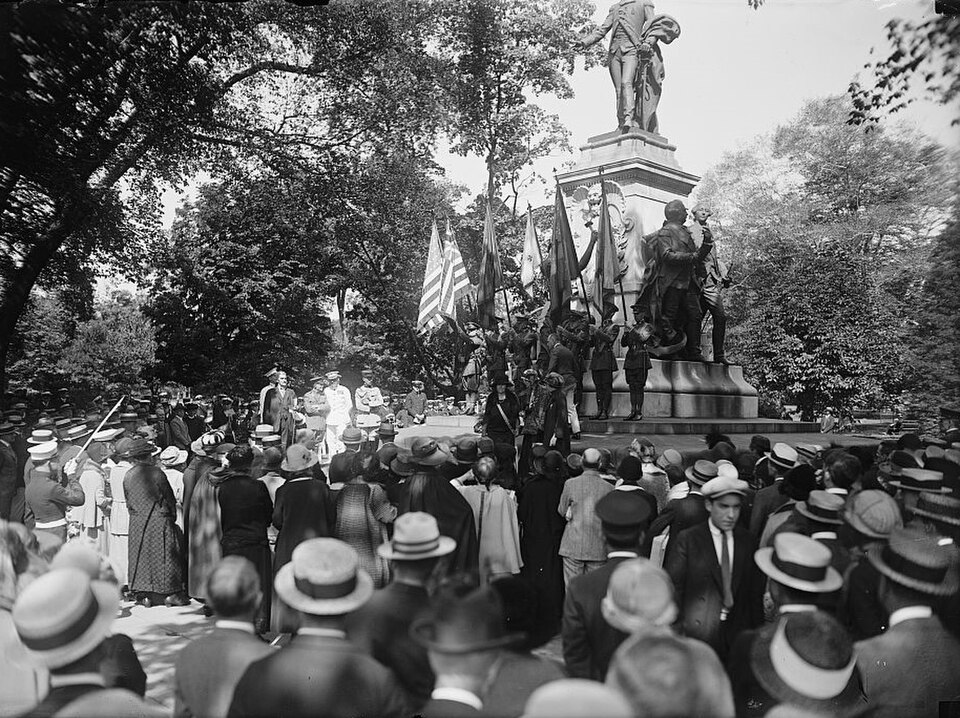
Photography is permitted throughout Lafayette Square for personal use. The square offers iconic views of the White House North Portico, particularly from the southern edge near Pennsylvania Avenue. The equestrian statues provide subjects for architectural and historical photography. Tripods and professional equipment may attract security attention given the sensitive location. Drone operation is prohibited. The best natural lighting for White House photographs typically occurs in morning hours when the facade faces east. Night photography is possible with park lighting, though security officers may question extended loitering. Visitors should not photograph security personnel, checkpoints, or operational details. Commercial photography may require permits.
Checked 2026-08-26
Lafayette Square is not part of the White House interior but lies directly north within President's Park, managed by the National Park Service. It is separated from the White House grounds by Pennsylvania Avenue and security barriers.
No. The White House is not accessible from Lafayette Square. Public tours require advance arrangements through congressional offices and enter from a different location. The square offers only exterior views of the North Portico.
The statues were installed between 1891 and 1910. They were not original to the square's 1800s creation but were added during a period of memorial expansion in the capital.
The square has a long history as a protest site, though access has varied. In 2020, fencing temporarily restricted entry. Prior to that, the park was more freely accessible for demonstrations.
No public restrooms exist within Lafayette Square itself. Visitors must use facilities in nearby buildings, hotels, or museums. Planning ahead is advisable.
The park contains paved paths, though some areas may have uneven surfaces or gravel. The surrounding sidewalks are generally accessible. Visitors with mobility concerns should note that the square is entirely outdoors with no sheltered areas.
Loading the interactive map…
The interactive map could not be loaded.
Last updated:
Source: OpenStreetMap contributors, Wikidata ·