


.jpeg)
2 min walk
Millennium Park
- Must see
- Nature site
Language · 1 published
Nature site · Chicago
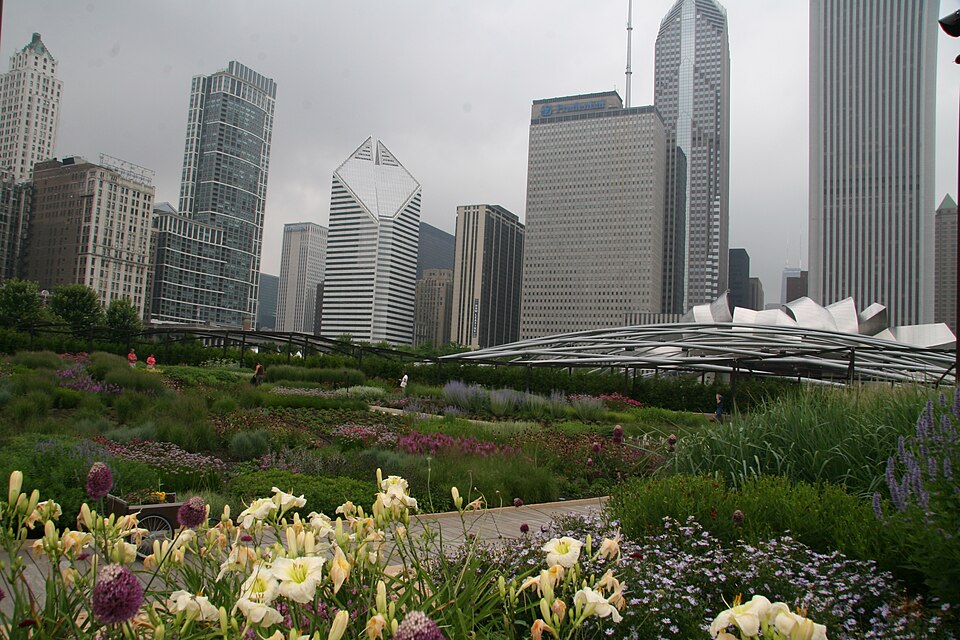
Lurie Garden is a public garden and planted landscape situated within Millennium Park in downtown Chicago. Named for philanthropist Ann Lurie, the garden occupies a significant footprint in the northwest section of the park. It represents a contemporary approach to urban horticulture, combining ecological principles with designed landscape. The garden serves as a free public space for visitors to experience nature amid the dense city environment, offering a contrast to the surrounding architectural and cultural attractions of Millennium Park.
Checked 2026-08-26
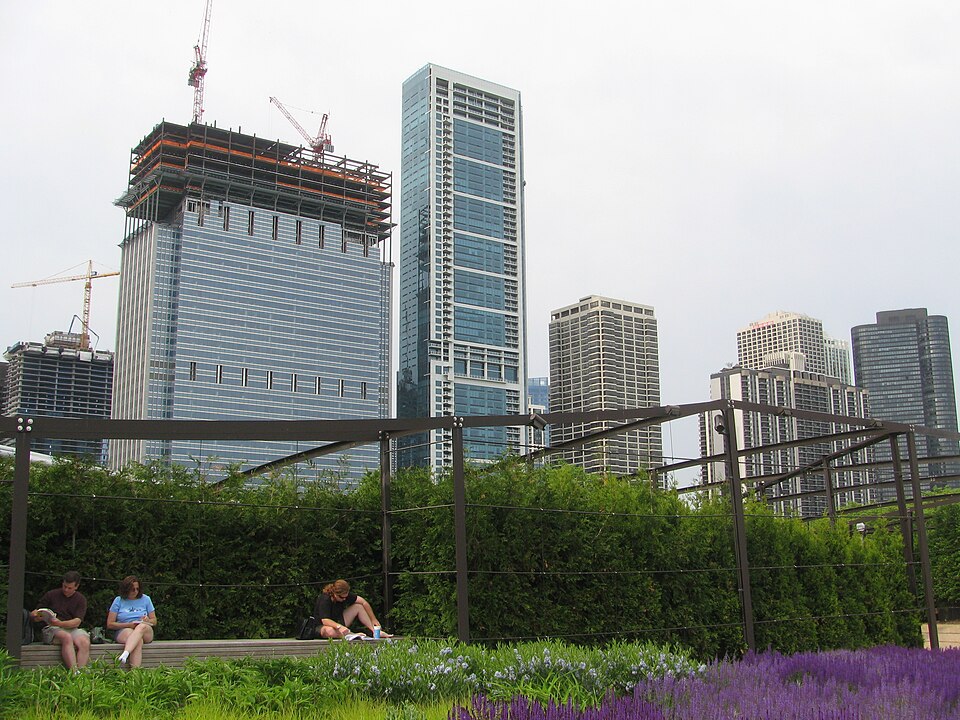
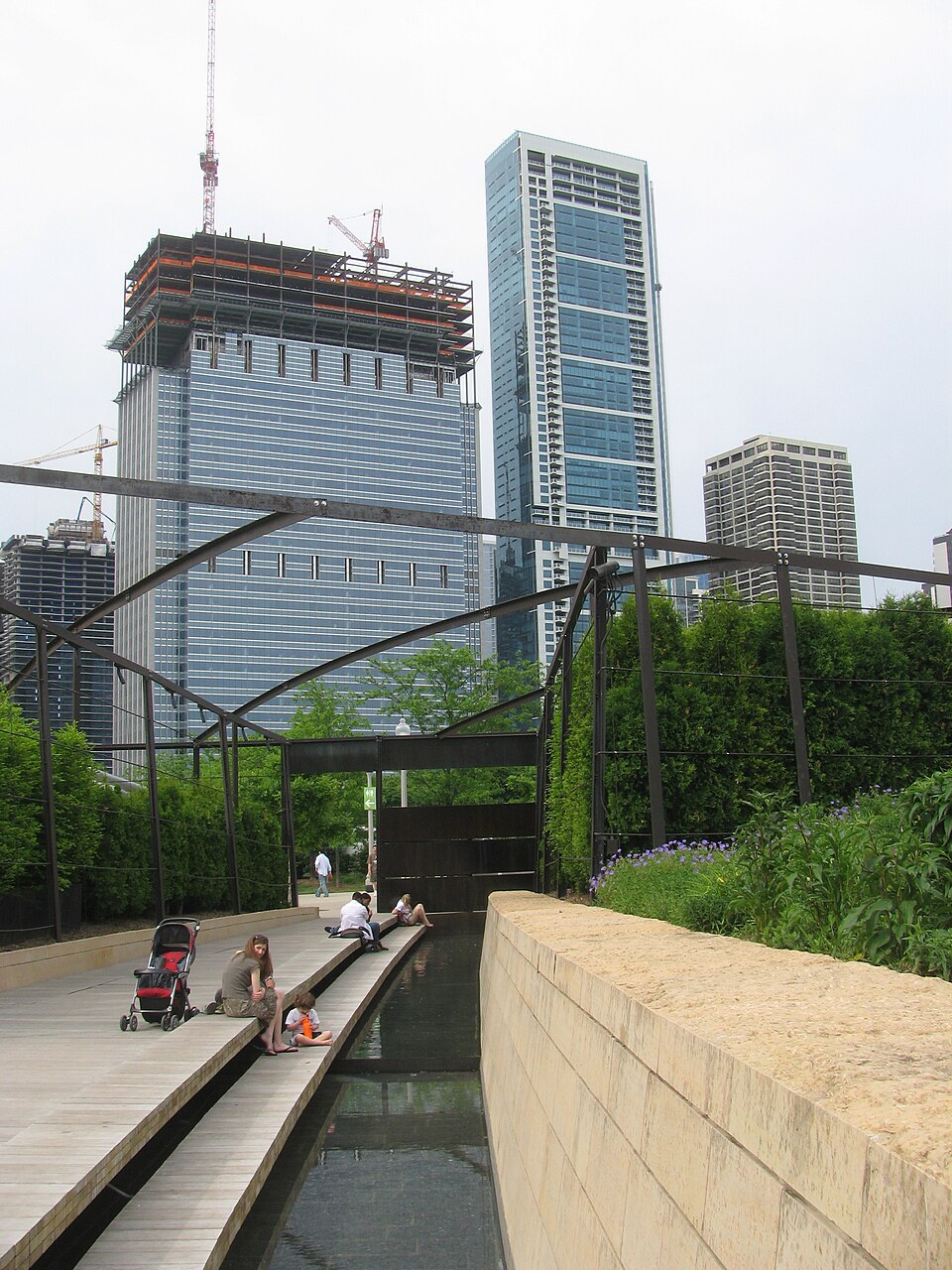
The garden features a diverse collection of perennial plants arranged in designed beds and naturalistic drifts. A notable design element is the shoulder hedge, a tall planting that creates spatial enclosure within the garden. Water features contribute to the sensory experience. The planting design emphasizes seasonal variation, with species selected for ecological appropriateness to the regional climate. Hardscape elements including pathways allow visitor circulation through the planted areas. The garden integrates with the larger Millennium Park context while maintaining its own distinct character.
Checked 2026-08-26

Visitor duration at Lurie Garden varies considerably based on individual interest in horticulture and landscape design. Casual passersby may spend fifteen to twenty minutes traversing the pathways. Visitors with specific interest in plant identification, photography, or contemplative experience may remain for forty-five minutes to over an hour. The garden's integration with Millennium Park allows flexible visit length, as it can serve either as a brief stop within a larger park itinerary or as a focused destination. Seasonal changes may influence repeat visitation patterns.
Checked 2026-08-26
The garden presents different qualities across seasons due to its perennial planting scheme. Spring brings emergent growth and early flowering. Summer offers peak display of many species. Autumn provides seed heads and late-season color. Winter reveals structural elements and dormant plant forms. Operator-confirmed hours are Not recorded pending review. Visitors should consult official Millennium Park or Chicago sources for current accessibility. Weather conditions affect comfort and plant appearance. The urban location means the garden remains visually accessible during daylight regardless of formal operating status, though pathway access may vary.
Checked 2026-08-26
Lurie Garden operates as a free public amenity within Millennium Park. No admission fee is required for entry. Operator-confirmed prices are Not recorded pending review. The garden's public funding and philanthropic support model eliminates ticket purchase requirements. Visitors should verify current status through official channels, as policies may change. No advance reservation system is indicated in available sources. Associated costs would be limited to personal transportation, food, or other Millennium Park attractions that may carry separate fees. The free access principle aligns with the broader public mission of Millennium Park.
Checked 2026-08-26
Lurie Garden is located within Millennium Park in Chicago's Loop district. The park is bounded by Michigan Avenue to the east, Columbus Drive to the west, Randolph Street to the north, and Monroe Street to the south. Multiple public transportation options serve the area, including Chicago Transit Authority bus and rail lines with nearby stops. The garden's specific location in the northwest portion of the park requires navigation from the main park entrances. Downtown pedestrian infrastructure connects to surrounding hotels, cultural institutions, and business districts. Personal vehicle access faces typical urban center constraints including limited parking.
Checked 2026-08-26
Visitors should exercise standard urban park awareness regarding personal belongings and surroundings. The garden's water features and planted areas require respectful behavior to protect both ecology and infrastructure. Pathway surfaces may become slippery in wet conditions. Plant material should not be collected or disturbed. The shoulder hedge and dense plantings may limit sightlines in certain areas, suggesting companion awareness for visitors. Seasonal pollen and insect activity follow natural patterns. The downtown location means surrounding traffic and event noise may intrude. Crowding varies with Millennium Park programming and tourism patterns, potentially affecting the contemplative experience.
Checked 2026-08-26

The garden offers photographic subjects including designed plant compositions, water features, and contextual views with surrounding Chicago architecture. Natural light conditions vary throughout day and season, affecting image quality. The shoulder hedge and spatial enclosure create framing opportunities. Tripod use may be restricted or require consideration of pathway traffic. Commercial photography likely requires permit through Millennium Park administration. The free public status suggests personal photography is generally permitted. Morning and evening light provides favorable conditions. Overcast conditions reduce harsh shadows on plant material. The urban backdrop offers contrast between natural and built environments for compositional variety.
Checked 2026-08-26
No admission fee is required. The garden operates as a free public space within Millennium Park.
Operator-confirmed hours are Not recorded pending review. Visitors should consult official Millennium Park or Chicago sources.
Casual visits may take fifteen to twenty minutes. Interested visitors may spend forty-five minutes to over an hour.
The planted landscape presents seasonal variation. Physical accessibility of pathways should be verified with operators for current conditions.
Specific regulations are Not recorded pending review. Visitors should observe posted guidelines and respect the planted landscape.
The garden is a public space accessible to all visitors. Close supervision is advisable near water features and among plantings.
Loading the interactive map…
The interactive map could not be loaded.
Last updated:
Source: OpenStreetMap contributors, Wikidata ·