
.jpg)
.jpg)
.jpg)


7 min walk
Alfred Caldwell Lily Pool
- Notable · Heritage site
- Nature site
Language · 1 published
Family attraction · Chicago

Lincoln Park Zoo is a free public zoo founded in 1868 within landscaped Lincoln Park. Its visitor experience is defined by large mammals, primates, African habitats, farm animals, birds, indoor houses, gardens, and Nature Boardwalk. Lincoln Park Zoo is both zoological institution and public landscape, so habitats, gardens, and urban ecology belong in one route. This choice keeps the advice tied to the site's actual visitor experience rather than borrowed assumptions. The zoo's free-entry tradition sits alongside scientific conservation and an urban park setting, making it different from a single-ticket animal attraction. Historic animal houses sit beside modern habitat and ecological design, allowing visitors to read changing zoo practice within one compact park. The surrounding neighborhood remains visible through that institutional landscape.
Checked 2026-08-26 · Source
The visit is organized around large mammals, primates, African habitats, farm animals, birds, indoor houses, gardens, and Nature Boardwalk. Treat these as distinct choices rather than one continuous display, and use the current operator map to establish which spaces are open. Follow habitat zones and accept temporary closures instead of crossing the campus for a single species. Nature Boardwalk works as a separate closing loop. This choice keeps the advice tied to the site's actual visitor experience rather than borrowed assumptions. Indoor houses and outdoor habitats respond differently to weather. Grouping them by location allows shelter without repeatedly crossing the campus.
Checked 2026-08-26 · Source
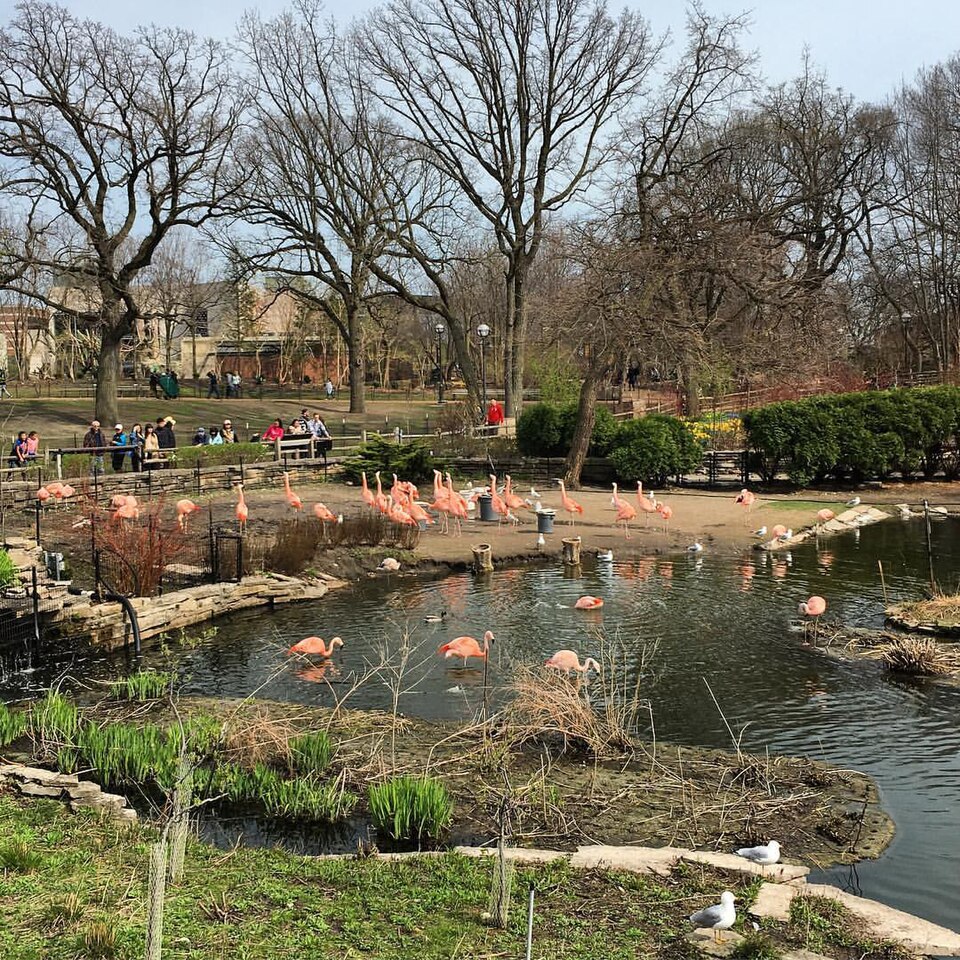
Allow about two to three hours for a selective visit to Lincoln Park Zoo; compact outdoor or observation visits may finish sooner, while large museum, animal, event, or interactive programmes can take longer. Animal behavior, family pace, and seasonal building access make the duration variable. The estimate favors attentive observation over counting enclosures. This choice keeps the advice tied to the site's actual visitor experience rather than borrowed assumptions. Animal encounters are observational, not scheduled inventory. Time spent waiting quietly at one habitat can be more valuable than adding several hurried stops.
Checked 2026-08-26
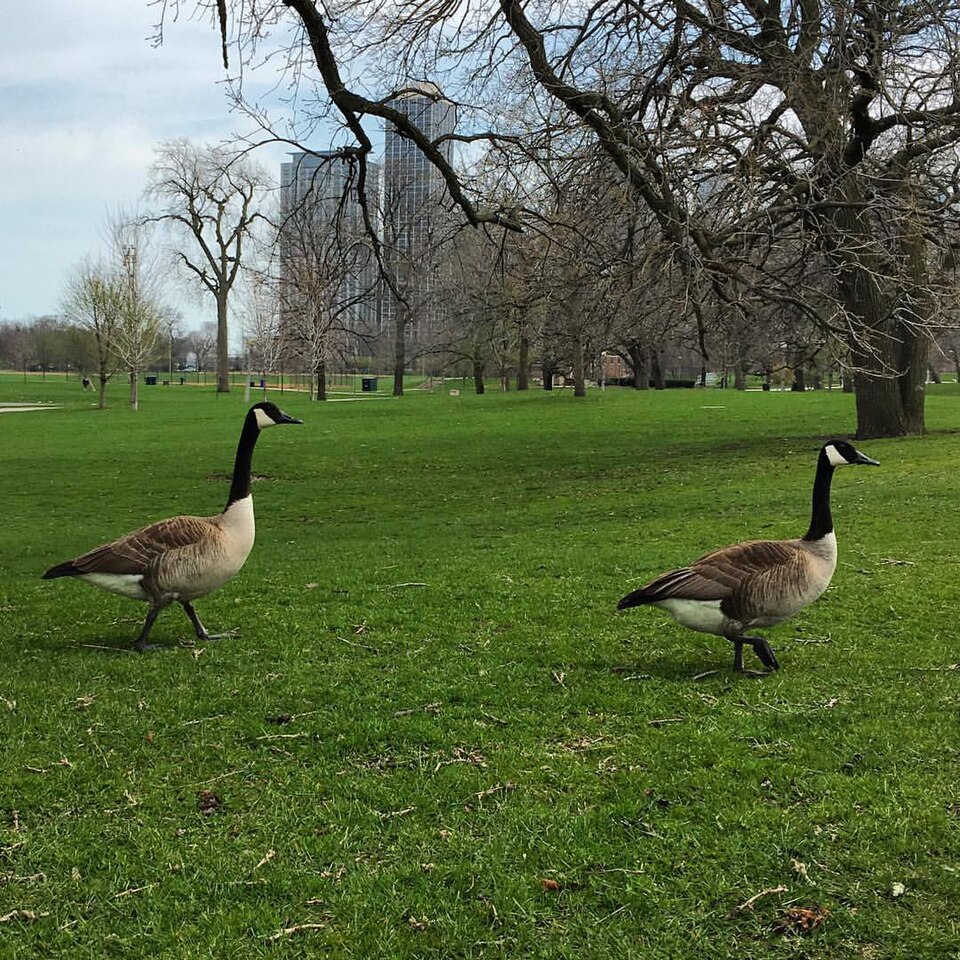
The earliest practical arrival usually gives more control over the route at Lincoln Park Zoo, while late afternoon can improve exterior light. The best time still depends on the current programme, weather, and operating notice. Cooler hours may improve comfort, yet sightings remain uncertain. The zoo's daily notice should guide entrances, houses, programmes, and weather decisions. This choice keeps the advice tied to the site's actual visitor experience rather than borrowed assumptions. Seasonal building access and animal choice can overturn a fixed species list. The daily operator notice should shape priorities without promising sightings.
Checked 2026-08-26 · Source
Current admission prices, reservation requirements, and detailed ticket conditions for Lincoln Park Zoo are Not recorded here. Free general entry should not be mistaken for free parking, food, rides, events, or every optional programme offered on the grounds. This choice keeps the advice tied to the site's actual visitor experience rather than borrowed assumptions. Free entry supports flexible visits, yet special events and services can still require payment or reservation. Verify only the additions actually intended.
Checked 2026-08-26 · Source
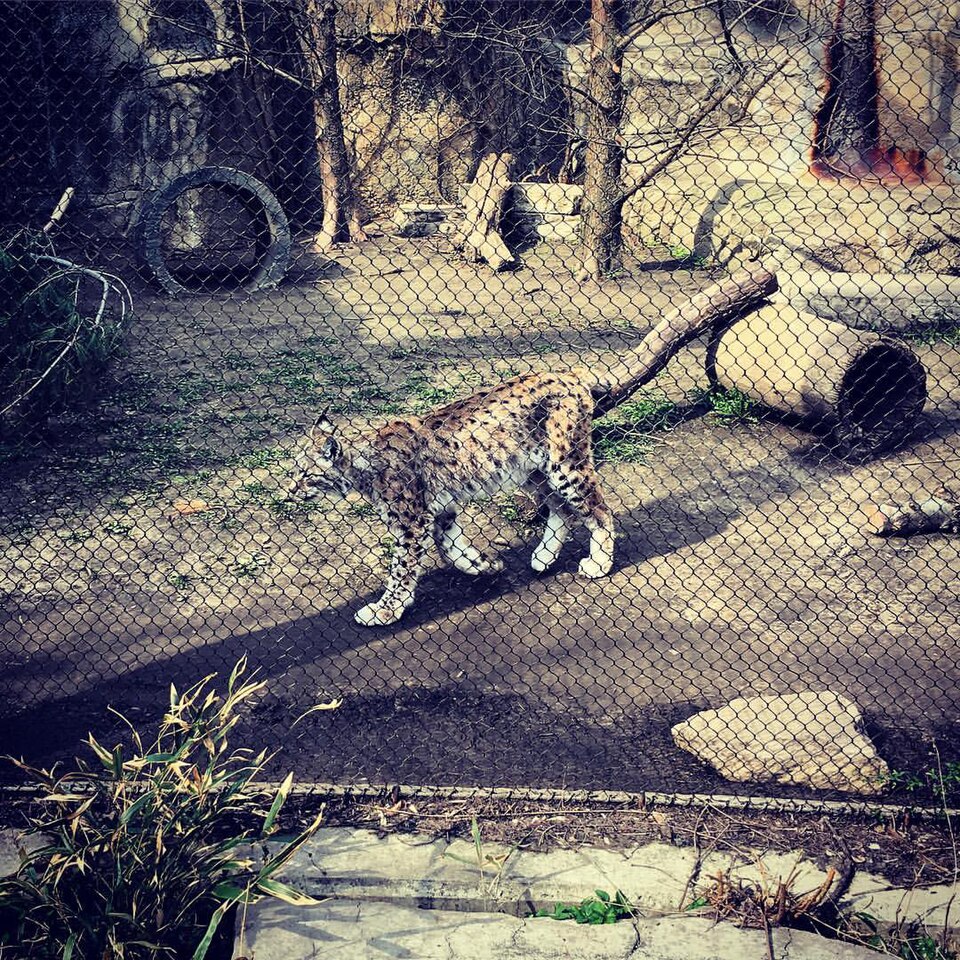
Lincoln Park Zoo is approached through Clark Street, lakefront paths, CTA buses, park entrances, and accessible campus routes. Choose the entrance or meeting point that matches the first item in the planned route. Multiple park entrances are useful only when matched to the route. Construction and winter conditions can shift the accessible choice. This choice keeps the advice tied to the site's actual visitor experience rather than borrowed assumptions. A north or south entrance can save substantial walking when matched to the first habitat. The surrounding park paths make several valid approaches.
Checked 2026-08-26 · Source
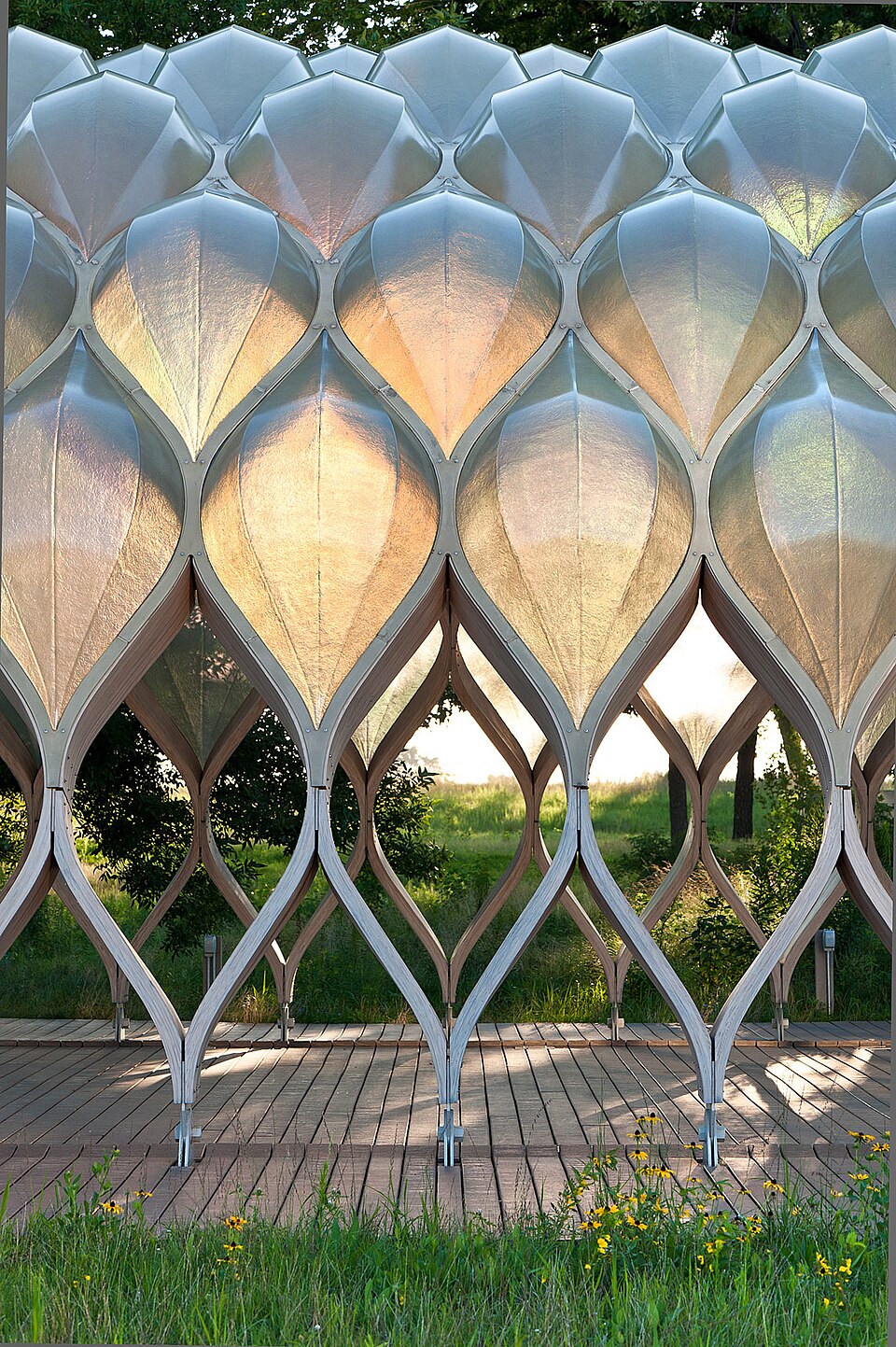
Before visiting Lincoln Park Zoo, account for animal welfare, barriers, glass, flash, children near water, and separately charged programmes. A zoo visit depends on restraint around animals. Barriers, noise limits, feeding rules, glass, and water edges are functional protections. This choice keeps the advice tied to the site's actual visitor experience rather than borrowed assumptions. Respectful distance improves welfare and visibility. Calling, feeding, tapping, flash, and crowding are not shortcuts to a better encounter.
Checked 2026-08-26 · Source
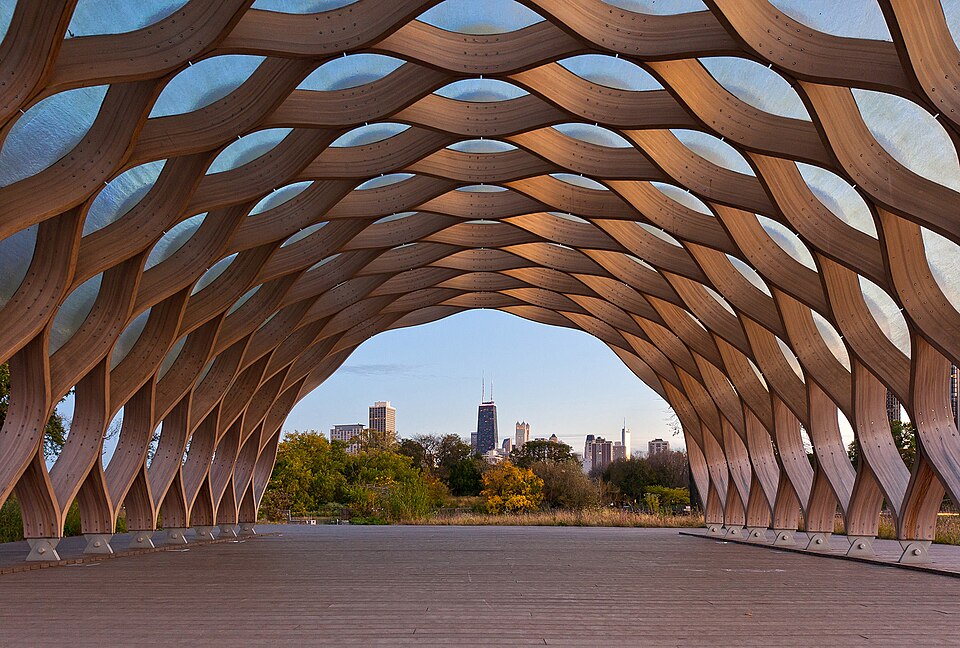
Photography at Lincoln Park Zoo is strongest around Nature Boardwalk, skyline views, habitat windows, gardens, and patient animal observation. Nature Boardwalk gives a rare wetland-and-skyline frame. Inside habitats, patience and distance produce better images than attempts to attract attention. This choice keeps the advice tied to the site's actual visitor experience rather than borrowed assumptions. Nature Boardwalk combines wetland habitat with a downtown backdrop unavailable inside the houses. Its broad view complements close animal portraits.
Checked 2026-08-26
Start with large mammals, primates, African habitats, farm animals, birds, indoor houses, gardens, and Nature Boardwalk. Choose two priorities from that group, follow one geographic circuit, and leave optional programmes until the end so the visit does not become a sequence of rushed crossings.
Two to three hours is a practical editorial baseline, adjusted downward for a focused outdoor stop or upward for large galleries, animal habitats, timed experiences, performances, detailed reading, queues, and mobility needs.
Not recorded. Check the operator's official visit page on the travel date because hours, public entrances, event access, maintenance, weather restrictions, and temporary closures can change independently.
Not recorded. Use the operator's official booking path and verify the named ticket, date, entry time, included spaces, cancellation terms, and any separately charged exhibition, ride, tour, programme, or encounter.
Plan for animal welfare, barriers, glass, flash, children near water, and separately charged programmes. Follow current signs and staff directions, protect accessible circulation, and verify any reservation or closure that would determine whether the visit still meets its purpose.
Look for Nature Boardwalk, skyline views, habitat windows, gardens, and patient animal observation. Treat this as editorial composition advice: current photography signs, staff instructions, privacy, safe circulation, artwork rules, and animal welfare always determine what is permitted.
Loading the interactive map…
The interactive map could not be loaded.
Last updated:
Source: OpenStreetMap contributors, Wikidata ·