


7 min walk
Leith Market
- Must see
- Market
Language · 1 published
Museum · Edinburgh
Trinity House
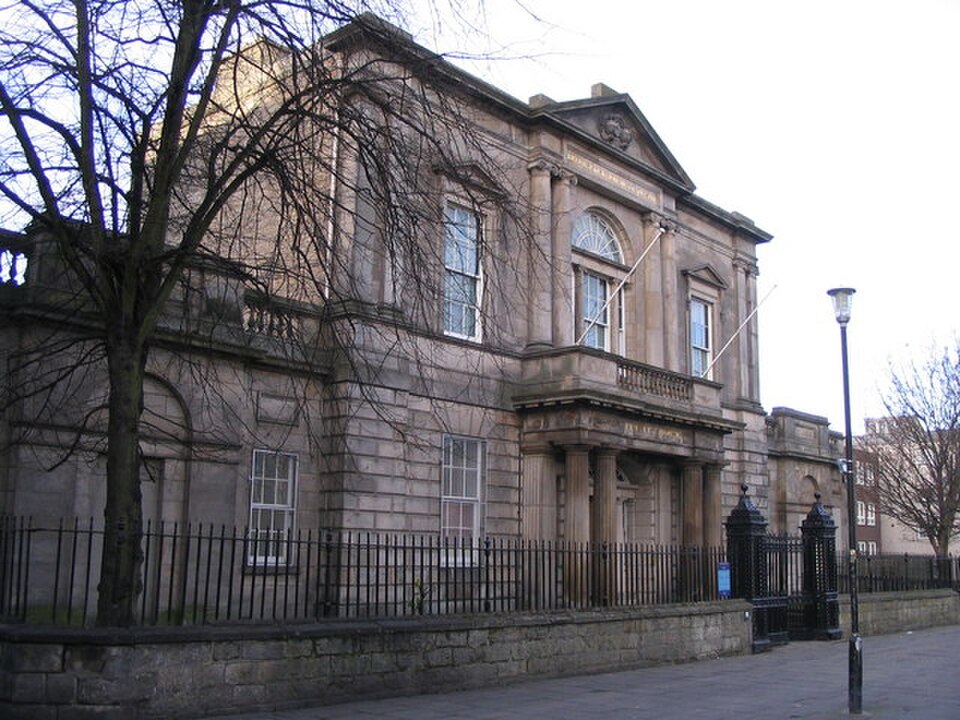
Trinity House of Leith is a historic maritime building in Edinburgh's port district of Leith. The structure served as the headquarters for the Incorporation of Masters and Mariners, a guild governing seafaring activities. Its position near the Water of Leith reflects Leith's centuries-long role as Scotland's principal port. The building embodies the mercantile and naval heritage that shaped this independent burgh before its 1920 amalgamation with Edinburgh. Architectural and social significance attaches to its survival amid Leith's transformation from industrial harbour to regenerated waterfront.
Checked 2026-08-26
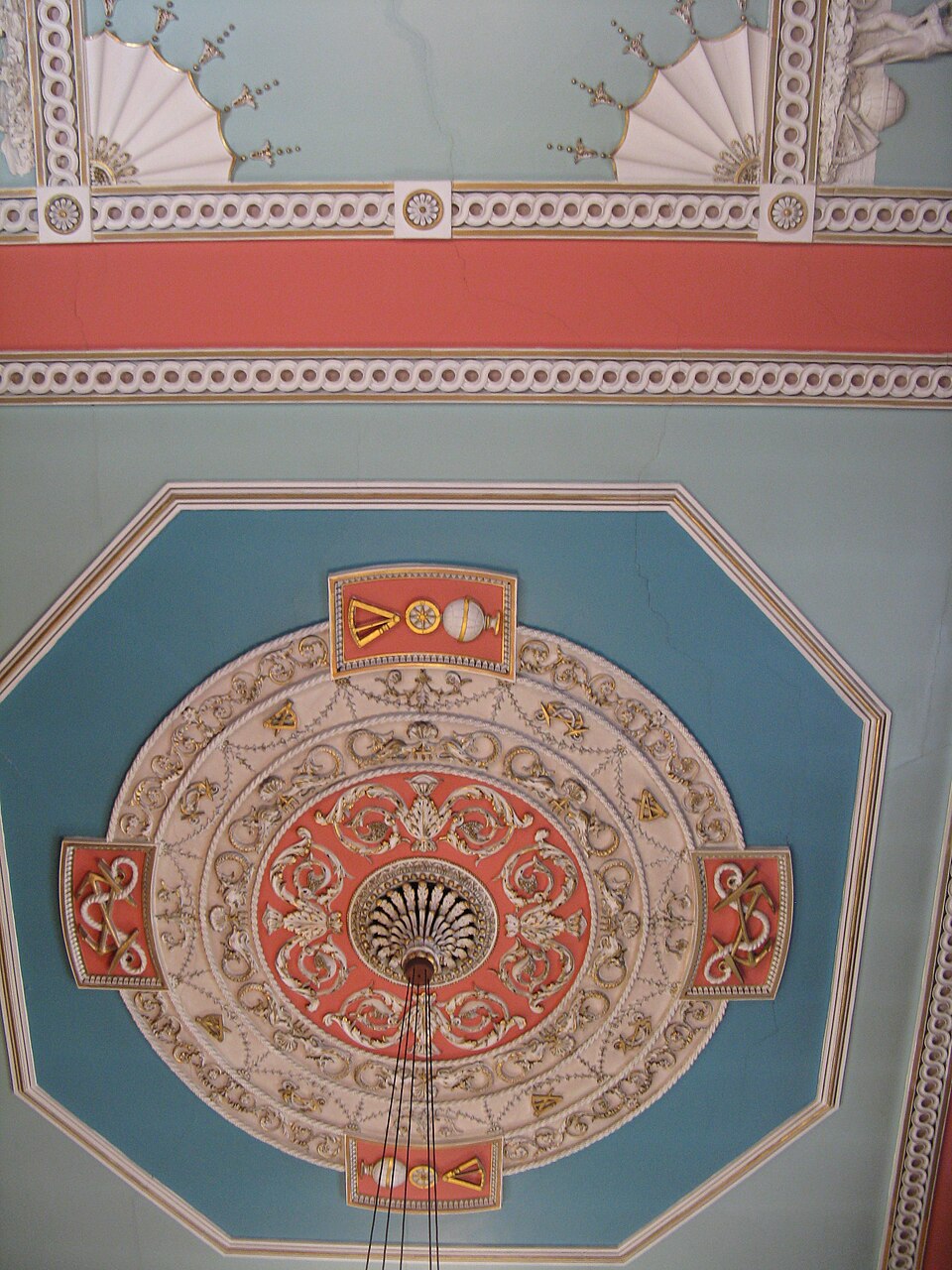
The interior retains features associated with maritime guild functions, including ceremonial and administrative spaces. Historical collections connected to seafaring may be present, reflecting the institution's purpose of supporting mariners and their dependents. Decorative elements potentially include nautical symbolism, portraits of office-holders, and documents of incorporation. The building's fabric likely contains period woodwork, plasterwork, and fittings appropriate to its status. Specific current displays, accessibility of upper floors, and completeness of original interiors are Not recorded. Visitors should verify what rooms are open before planning detailed examination of contents.
Checked 2026-08-26

A thorough visit to Trinity House of Leith would require between forty-five minutes and ninety minutes depending on which spaces are accessible and individual interest in maritime history. Those examining architectural details, reading historical documents, or studying guild-related artefacts may need additional time. The compact nature of the building suggests limited physical scope, though concentrated historical layering rewards attentive observation. Visitors with broad curiosity about Leith's social history should allow marginally longer. No guided tour duration is documented; self-paced exploration appears the probable format.
Checked 2026-08-26

Operator-confirmed hours are Not recorded pending review. Prospective visitors must establish current opening arrangements through direct enquiry before travel. Seasonal variation in Scottish visitor attractions is common, with reduced winter access frequent for historic properties. Weather considerations affect Leith's waterfront location throughout the year, though the building itself provides shelter. Summer daylight hours extend evening exploration possibilities in Edinburgh generally. Special events or private functions may restrict public access unpredictably. Advance verification remains essential given the specialised nature of this heritage site and its likely limited regular opening.
Checked 2026-08-26
Operator-confirmed prices are Not recorded pending review. Admission policies for Trinity House of Leith require direct verification with managing authorities. Many comparable Scottish maritime heritage sites operate with variable charging structures, sometimes including donation-based entry, concession categories, or free access periods. Group arrangements may differ from individual admission. Membership of affiliated heritage organisations might confer benefits if reciprocal agreements exist. No pricing information should be assumed current without authoritative confirmation. Budget-conscious visitors should prepare for possible charges while remaining alert to free-entry opportunities that some small historic properties intermittently offer.
Checked 2026-08-26

Trinity House of Leith occupies a position in Edinburgh's Leith district, north of the city centre. The area connects to central Edinburgh via multiple bus services operating along Leith Walk and adjacent corridors. Edinburgh's broader public transport network includes rail connections to Waverley and Haymarket stations, with onward bus or walking options. The waterfront location places it within reasonable walking distance of Ocean Terminal and the Scottish Government building at Victoria Quay. Cyclists find Leith increasingly served by dedicated infrastructure. Private vehicle access encounters typical urban parking constraints.
Checked 2026-08-26

The building's age and specialised function imply potential accessibility limitations including stairs, uneven surfaces, and narrow doorways. Visitors with mobility requirements should confirm provisions in advance. Leith's regenerated waterfront brings foot traffic and associated urban considerations. The surrounding area mixes commercial, residential, and maritime functions, creating variable street environments. Interior conditions may be cool regardless of season, suggesting appropriate clothing. Photography restrictions may apply to specific artefacts or spaces. As a historic property with likely irregular opening, locked doors despite nominal hours represent a realistic possibility requiring patience and alternative planning.
Checked 2026-08-26
Photography policies at Trinity House of Leith are Not recorded. Many Scottish historic properties permit non-flash photography in general areas while restricting it in spaces containing sensitive artefacts or loaned collections. Flash photography potentially damages organic materials and disturbs other visitors. Tripod use typically requires advance permission due to space constraints and safety considerations. Exterior photography from public thoroughfares generally encounters no restriction, though adjacent private property boundaries demand respect. Commercial or publication photography almost certainly requires formal application. Visitors should observe posted signage and staff direction regarding any equipment limitations.
Checked 2026-08-26
Current public access status is Not recorded. Direct enquiry with managing authorities is essential before visiting.
Historical collections connected to seafaring may be present, though specific current displays are Not recorded.
No guided tour format or schedule is documented; self-paced exploration appears probable.
Accessibility provisions are Not recorded. The building's age suggests potential limitations; advance confirmation is strongly advised.
It embodies the maritime heritage of Leith, which operated as an independent port burgh before 1920 amalgamation with Edinburgh.
Interior photography policies are Not recorded. Visitors should observe posted signage and staff directions upon arrival.
Loading the interactive map…
The interactive map could not be loaded.
Last updated:
Source: OpenStreetMap contributors, Wikidata ·