
_-_geograph.org.uk_-_6367793.jpg)

52 min walk
Edinburgh Zoo
- Must see
- Family attraction
Language · 1 published
Art and culture venue · Edinburgh
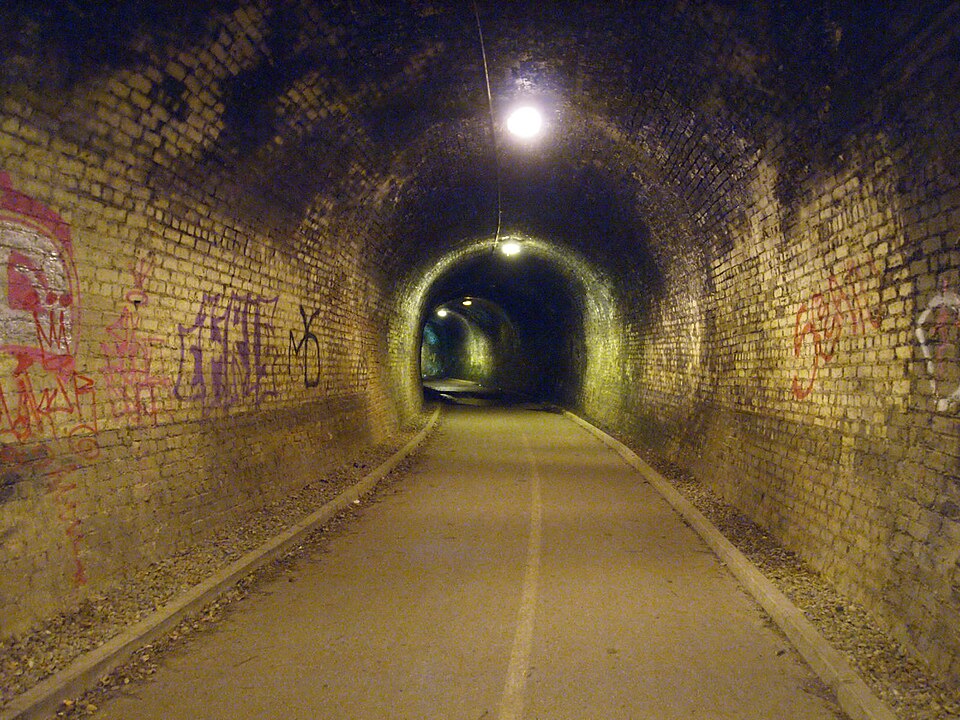
Colinton Tunnel is a historic railway tunnel situated in the Colinton area of Edinburgh, Scotland. The structure formed part of the former Edinburgh and Glasgow Union Canal route and later served railway purposes. The tunnel runs beneath the village of Colinton and represents significant Victorian engineering heritage. Its brick-lined construction and substantial length make it a notable example of 19th-century transport infrastructure. The tunnel has gained contemporary recognition for its artistic transformation, with interior walls now serving as a canvas for extensive murals that celebrate local history, literature, and community identity.
Checked 2026-08-26
The interior of Colinton Tunnel features comprehensive mural artwork created through community collaboration. These paintings depict scenes and figures connected to Robert Louis Stevenson, who spent childhood years in Colinton, alongside imagery of local wildlife, historical village life, and canal heritage. The artwork transforms the formerly utilitarian brick tunnel into an immersive gallery experience. Lighting installations illuminate the murals for safe passage and visual appreciation. The tunnel floor provides a level walking surface. No facilities, seating, retail, or refreshment services exist within the tunnel itself.
Checked 2026-08-26
The tunnel extends for a considerable distance beneath the elevated ground of Colinton. Visitors should anticipate a walking duration of several minutes to traverse the full length at moderate pace, with additional time required for those wishing to examine the mural details thoroughly. The exact measurement of the tunnel is not recorded in available sources. The path continues beyond the tunnel in both directions, connecting to broader walking and cycling networks. Appropriate footwear is advisable given the tunnel environment and potential surface conditions.
Checked 2026-08-26
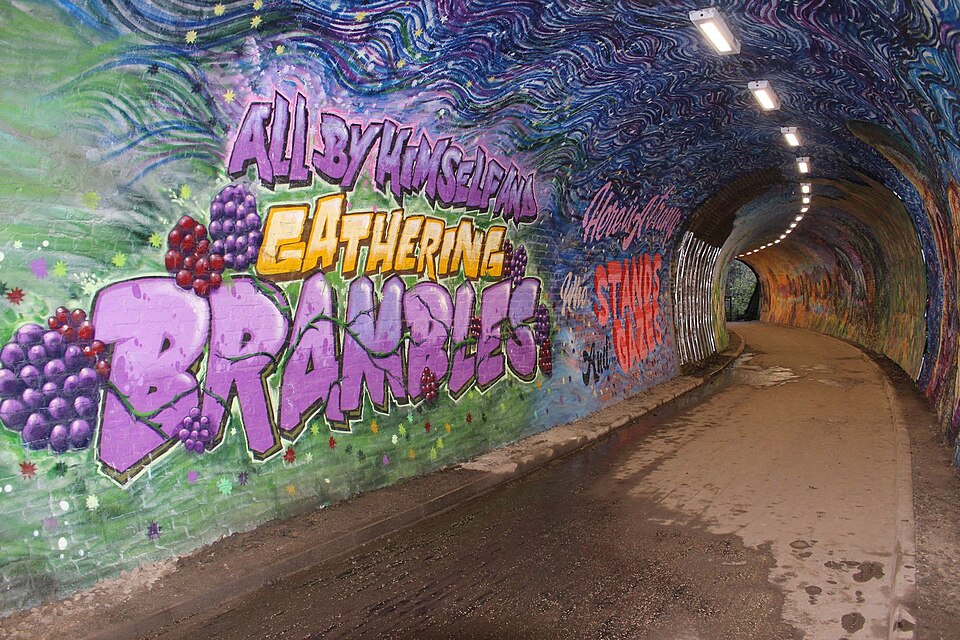
Operator-confirmed hours are Not recorded pending review. The tunnel functions as a public pedestrian and cycle thoroughfare without apparent controlled access points or gates. Natural daylight penetrates partially from portal entrances, though interior sections require artificial illumination. Visibility of mural details depends upon lighting conditions and functionality of installed systems. Seasonal weather affects approach paths rather than tunnel interior directly. Visitors should verify current accessibility and any maintenance schedules through local authority channels before making specific journey plans, as unannounced works may occasionally restrict passage.
Checked 2026-08-26
Operator-confirmed prices are Not recorded pending review. No ticketing infrastructure, payment stations, or staffed entry points are evident at this public access route. The tunnel appears to function as free-to-access civic infrastructure integrated into the wider pathway network. No donation mechanisms, membership requirements, or timed entry systems are documented. Visitors should not anticipate any direct costs for tunnel passage itself, though associated travel expenses to reach Colinton apply. Any future changes to access policy would require installation of physical control mechanisms not currently present.
Checked 2026-08-26
Colinton Tunnel lies within Edinburgh's city boundaries in the southwestern area. The Colinton district is served by multiple Lothian Bus routes connecting to central Edinburgh and surrounding neighbourhoods. The nearest railway stations are not immediately adjacent, requiring onward bus or walking connection. Vehicle access to Colinton village is possible via main arterial roads, with on-street parking availability subject to local restrictions. The tunnel portals connect to the Water of Leith Walkway and National Cycle Network routes. Approach on foot or by bicycle from canal-side paths represents the most direct access method.
Checked 2026-08-26
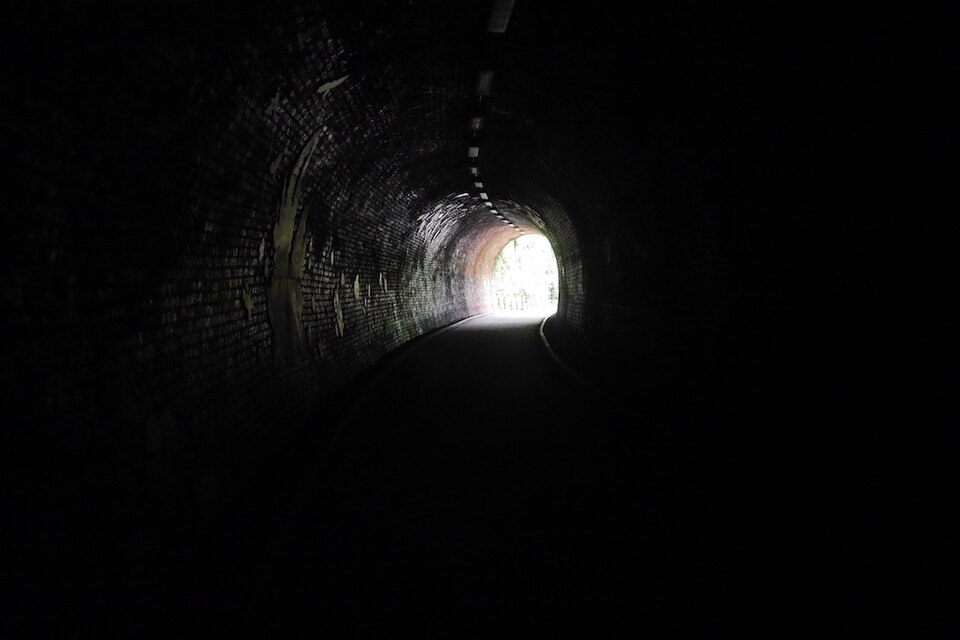
The tunnel environment presents specific conditions requiring visitor awareness. Artificial lighting may experience intermittent failure, reducing visibility significantly in central sections. Surface conditions can become slippery, particularly following rainfall when moisture enters through ventilation or structural features. Cyclists share the narrow passage with pedestrians, necessitating caution and reduced speed. The enclosed space amplifies sound and may affect those with claustrophobic tendencies. No emergency call points or staff presence are visible. Mobile telephone signal strength may diminish within the tunnel structure. Visitors should traverse in groups where possible and carry independent light sources as precautionary measure.
Checked 2026-08-26
The mural artwork presents substantial photographic interest for visitors. Artificial lighting within the tunnel creates colour temperature challenges requiring camera adjustment. Tripod use may obstruct the narrow shared path and should be exercised with consideration for passing pedestrians and cyclists. Flash photography is technically feasible but may produce harsh reflections on painted surfaces and disturb other visitors. The tunnel portals offer natural light transitions suitable for atmospheric capture. No photography restrictions are indicated, though commercial or organised shoots may require local authority consultation. Respect for the artwork and other tunnel users should govern all photographic activity.
Checked 2026-08-26
The tunnel provides a level surface without steps, though width constraints, lighting variability, and surface conditions may present practical difficulties. Cautious visitor judgement is advised.
No restrictions are recorded. Standard responsible dog ownership practices apply, with particular attention to shared path etiquette given constrained space.
Artificial lighting is installed but reliability is not guaranteed. Visitor judgement regarding personal safety and lighting functionality should determine after-dark visits.
The tunnel interior provides complete weather protection, though approach paths remain exposed. No facilities exist within or immediately adjacent to the tunnel.
The tunnel dates from the Victorian period of railway expansion. Exact construction dates are not recorded in supplied sources.
Specific maintenance responsibility is not recorded. The tunnel likely falls under local authority or transport infrastructure management, with artwork potentially supported by community or heritage organisations.
Loading the interactive map…
The interactive map could not be loaded.
Last updated:
Source: OpenStreetMap contributors ·