Calton Hill
- Must see
- Nature site
Language · 11 published
Historic monument · Edinburgh
Reviewed by Elena Voss · SSMTour Travel Editor
It carries the category A listed building heritage designation.
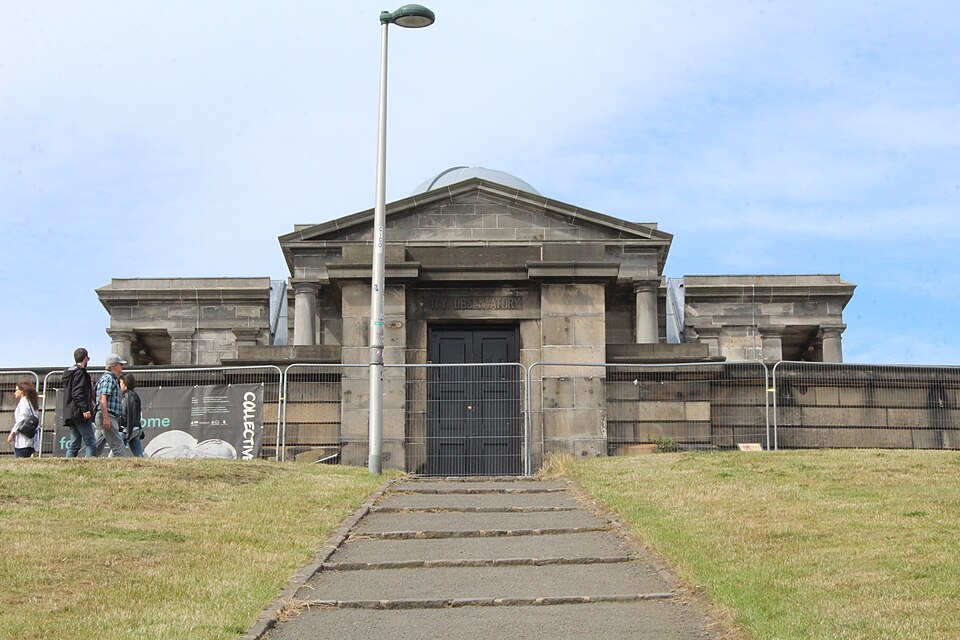
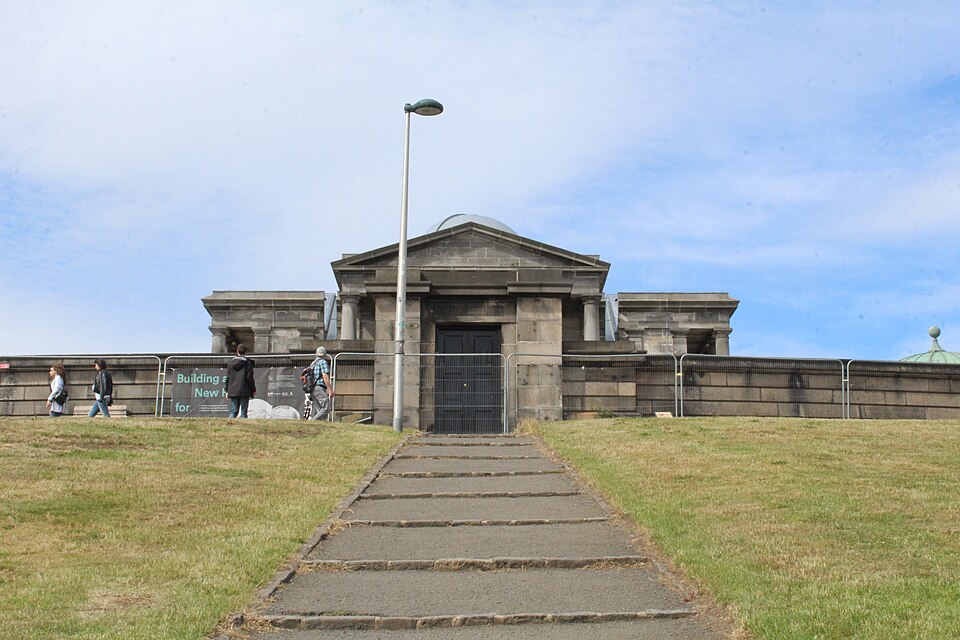
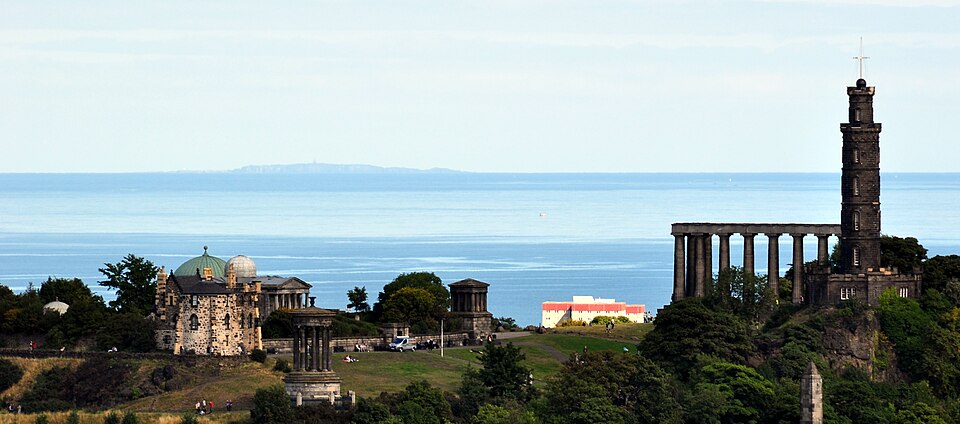
City Observatory is a historic astronomical complex on Calton Hill, one of Edinburgh's most recognisable viewpoints. Founded in 1818, the observatory represents an important chapter in Scottish scientific history and forms part of the wider heritage landscape on the hill. Its buildings stand above the New Town and place astronomy within a setting of monuments, skyline views and open paths. The site is best understood as an architectural and historical landmark within Calton Hill, rather than as a guaranteed daily museum visit. The City Observatory is a historic astronomical institution on Calton Hill in Edinburgh. Established in 1818, it represents an important chapter in Scottish scientific heritage. The site comprises several buildings constructed across different periods, reflecting evolving approaches to astronomical observation. Its prominent position on Calton Hill makes it a visible landmark within Edinburgh's cityscape. Calton Hill remains accessible, but building interiors may have restricted access.
Checked 2026-08-26 · Source
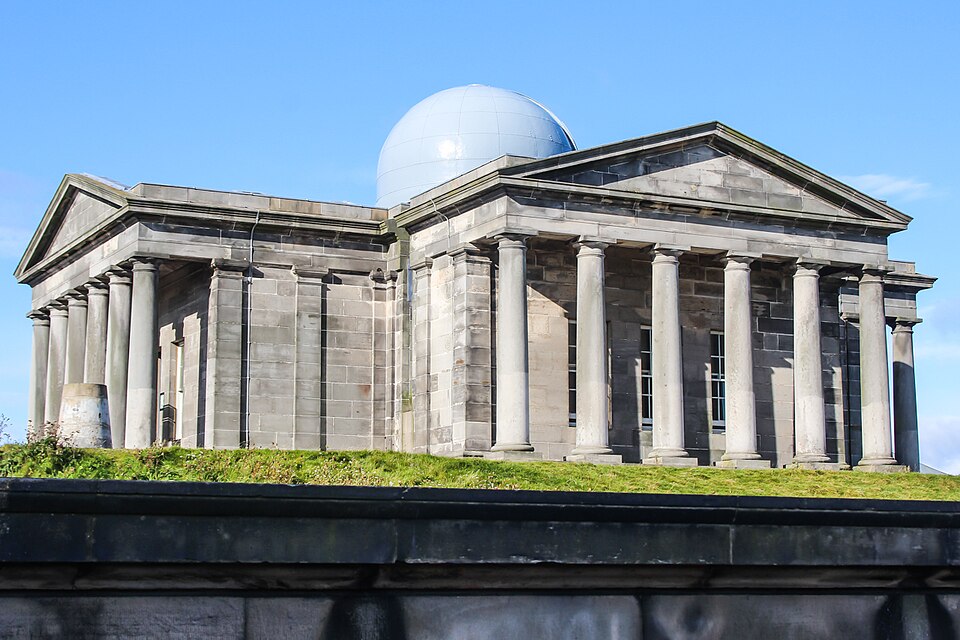
The complex includes William Henry Playfair's original 1818 building, the 1894 New Observatory and a telescope dome dating from the 1930s. The buildings once accommodated astronomical instruments, observation rooms and living spaces for astronomers. Their neoclassical and Victorian forms are as important to the visit as their scientific purpose. A walk around the exterior reveals the layered development of the complex. Interior arrangements vary with access, while the surrounding hill supplies the broader context: City Observatory belongs to a collection of monuments and viewpoints rather than standing alone.
Checked 2026-08-26 · Source
Allow fifteen to thirty minutes for the observatory buildings, exterior details and the immediate hilltop view. Add time if you want to explore Calton Hill's monuments, photograph the skyline or walk back through the New Town. The approach from Regent Road or Royal Terrace includes an ascent, so the walking portion should be part of your visit plan. City Observatory works especially well as one stop in a central Edinburgh circuit linking the hill, Princes Street, Waverley Station and the Old Town.
Checked 2026-08-26 · Source
Calton Hill is public open space, making the hilltop a useful Edinburgh stop throughout the day. Daylight is best for reading the architecture and seeing Arthur's Seat, Edinburgh Castle and the Firth of Forth. Sunrise and sunset bring stronger light and a busier atmosphere. Winter visits can be cold and windy, while wet weather may make paths slippery. If your aim is the interiors rather than the public hill, plan around the access arrangement for the observatory buildings.
Checked 2026-08-26 · Source
Calton Hill is freely accessible public space, so the exterior observatory setting and hilltop views can be enjoyed without an admission charge. Entry to an observatory building or a guided experience may follow a separate arrangement. City Observatory therefore suits a low-cost walking itinerary even when the interiors are not part of your visit. The main value comes from combining Playfair's architecture, the historic astronomical setting and the elevated panorama over central Edinburgh.
Checked 2026-08-26 · Source
City Observatory is on Calton Hill immediately east of Edinburgh's New Town. From Waverley Station or Princes Street, walk uphill for roughly ten to twenty minutes. Staircases rise from Regent Road, while gentler approaches come from Royal Terrace and the Leith Walk side. Buses run along nearby London Road and Leith Street. The observatory sits on the hilltop rather than beside a road, so the final section is on foot. The ascent and steps can be demanding for visitors with limited mobility.
Checked 2026-08-26 · Source
Calton Hill is exposed to strong wind, and wet weather can make paths slippery. Wear shoes with secure grip and take care near steep edges on the hillside. Historic buildings may contain narrow stairs and heritage features that need careful treatment. Crowds increase around sunset and during Edinburgh's festival periods. Bring a waterproof layer even when the city centre looks bright. Respect signs around restoration or restricted areas, and keep the uphill route in mind when planning a visit with children or anyone who finds stairs difficult.
Checked 2026-08-26 · Source
City Observatory is one of Calton Hill's strongest architectural subjects. Playfair's classical proportions suit both wide views and close details, while the summit frames Arthur's Seat, Edinburgh Castle and the Firth of Forth. Sunrise and sunset create warm light across the stone buildings, although those periods can be busy. Public outdoor photography fits naturally into the visit. Ask before photographing interior spaces, keep a tripod out of walking lines and use the hill's open viewpoints for skyline compositions.
Checked 2026-08-26 · Source
City Observatory was founded in 1818 on Calton Hill.
William Henry Playfair designed the original 1818 City Observatory building.
Calton Hill is freely accessible public space, including the outdoor setting around City Observatory.
The hilltop looks towards Arthur's Seat, Edinburgh Castle and the Firth of Forth.
Walk uphill from Waverley Station through the city centre; the journey to Calton Hill typically takes ten to twenty minutes.
The complex includes the 1894 New Observatory and a telescope dome dating from the 1930s.
Loading the interactive map…
The interactive map could not be loaded.
Last updated:
Source: OpenStreetMap contributors, Wikidata ·