.JPG)


1 dk yürüyüş · Innere Stadt
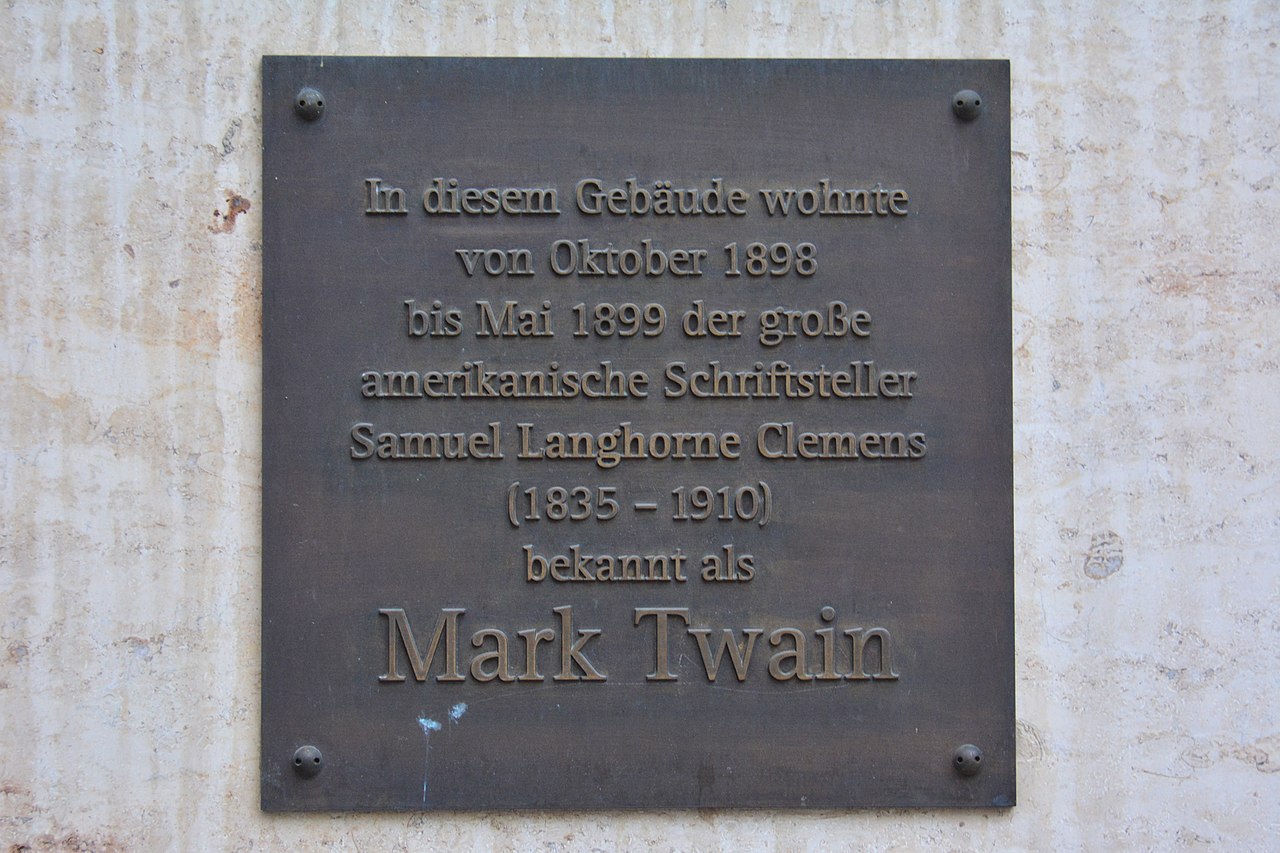
Mark Twain
- Yüksek
- Tarihi anıt
Dil · 11 yayınlandı
Tarihi anıt · Innere Stadt, Vienna

| Pazartesi | 10:00 – 18:00 |
|---|---|
| Salı | 10:00 – 18:00 |
| Çarşamba | 10:00 – 18:00 |
| Perşembe | 10:00 – 18:00 |
| Cuma | 10:00 – 18:00 |
| Cumartesi | 10:00 – 18:00 |
| Pazar | 10:00 – 18:00 |
OpenStreetMap açılış saatlerinden 2026-08-25 tarihinde ayrıştırıldı.
OpenStreetMap erişim etiketlerinden okunur; listede olmayan için kayıtlı etiket yoktur.
Planlayıcıda grup türünü aile seçtiğinizde gün penceresi tek kişilik bir günün yaklaşık dörtte üçüne iner.
The Imperial Crypt is where the Habsburgs are buried, and it is under an ordinary friary church on a shopping street.
Anna of Tyrol founded it in 1618, beneath the Capuchin Church in the Innere Stadt, a few minutes from the Hofburg.
It holds the bones of 145 Habsburgs and urns with the hearts or ashes of four more — twelve emperors and eighteen empresses among them. There are 107 metal sarcophagi and five heart urns visible, ranging from puritan plainness to full rococo.
It is still in use. The most recent entombment was on 7 October 2023, when Archduchess Yolande of Austria was interred.
2026-08-23 kontrol edildi · Kaynak
Sarcophagi in chronological rooms, and the strangest funerary custom in Europe.
The Habsburgs were buried in three places at once: the body here, the heart in an urn in the Herzgruft at the Augustinian Church, and the viscera in the Ducal Crypt under St Stephen's Cathedral. All three sites are within ten minutes of each other and all three can be visited.
Maria Theresa's double sarcophagus, shared with Francis I Stephen, weighs about 1,700 kg and is the centrepiece — an enormous rococo bed on which the two of them are shown sitting up looking at one another.
Franz Joseph I lies between Empress Elisabeth and Crown Prince Rudolf. Otto von Habsburg, who lived to 98, is here too.
2026-08-23 kontrol edildi · Kaynak
Forty-five minutes.
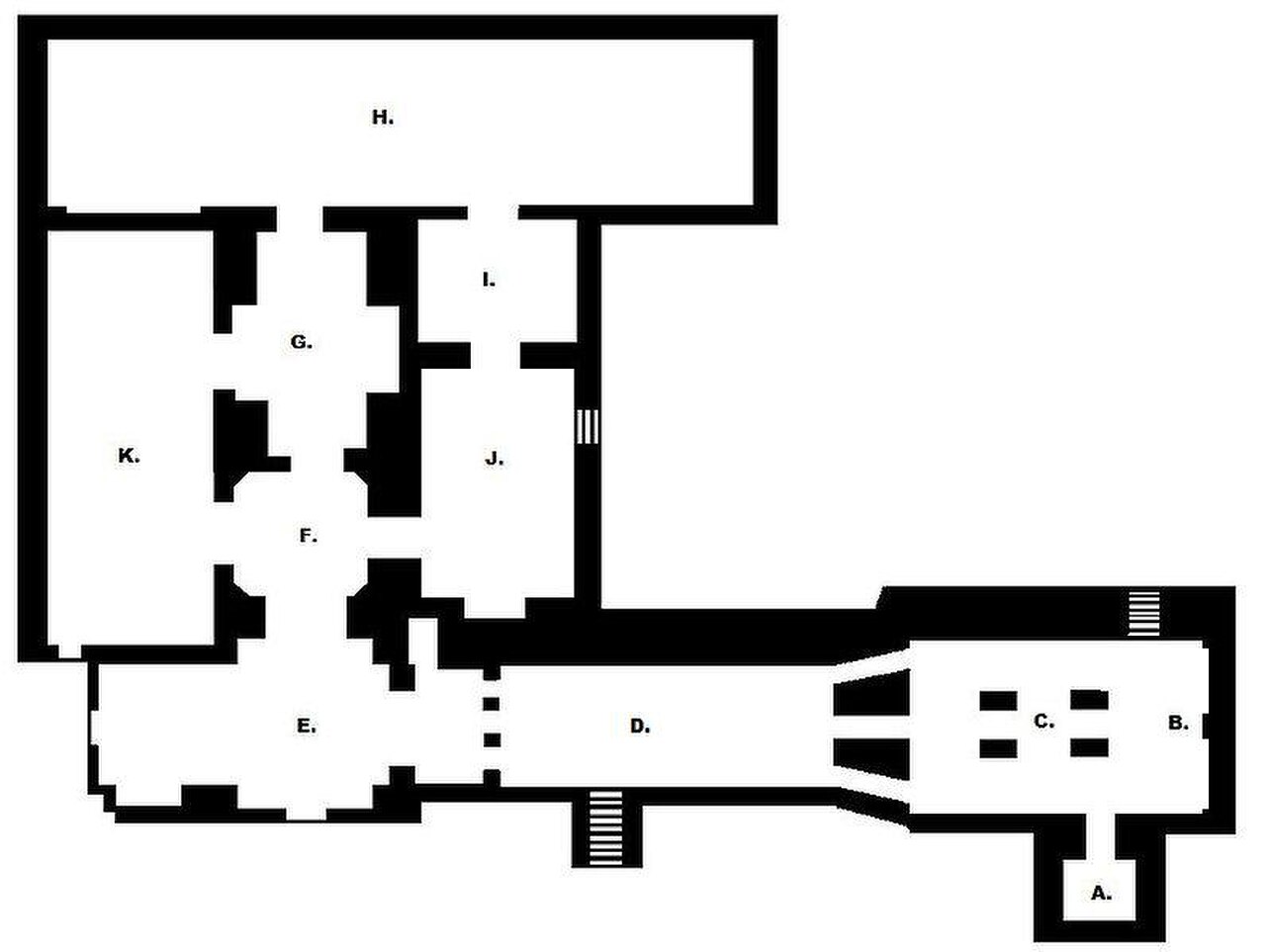
The crypt is a sequence of low vaulted rooms in rough chronological order and the visit is a single route through them.
The contrast is the interest: the earliest coffins are plain metal boxes, the eighteenth-century ones are silvered rococo theatre with skulls in crowns, and the twentieth-century ones are plain again.
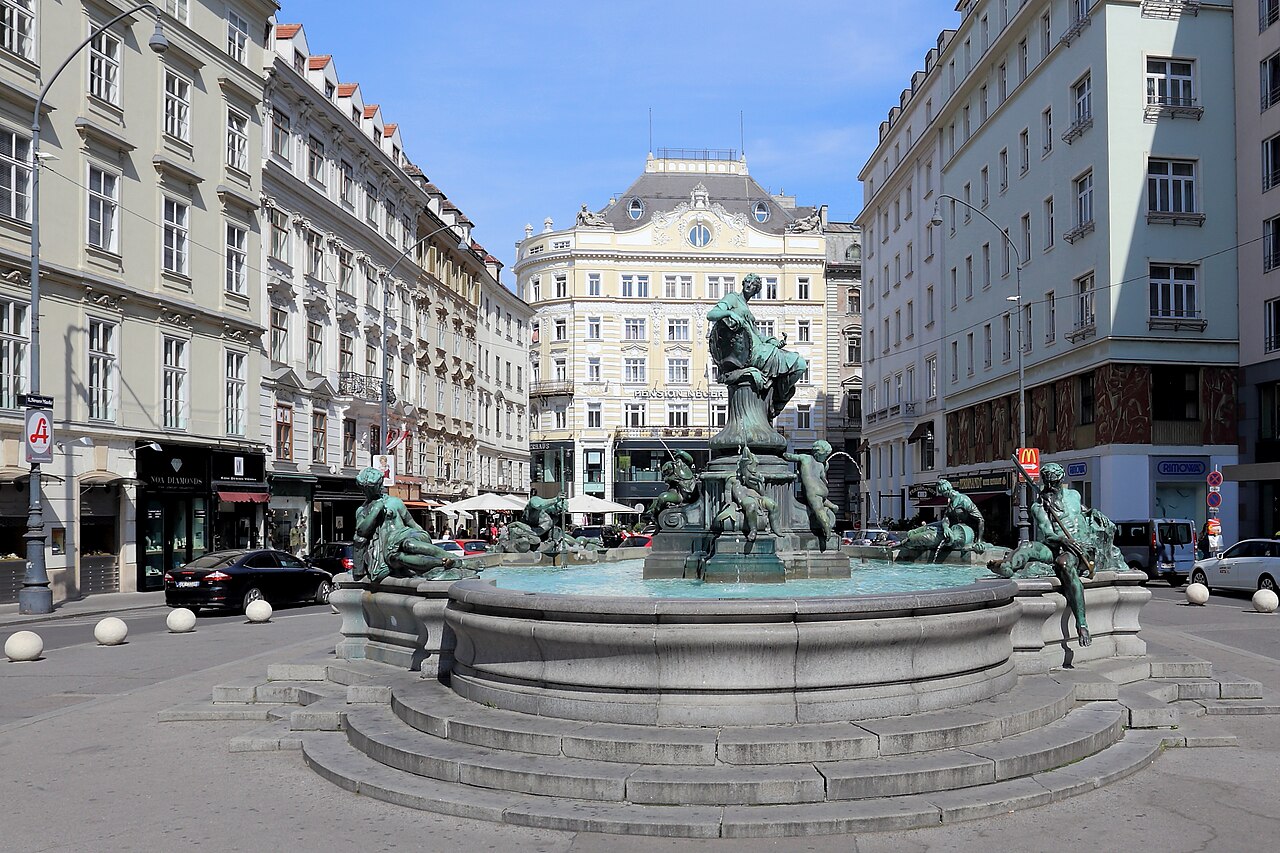
The Neuer Markt outside, with the Donner Fountain in the middle of it, is worth ten minutes on the way out.
Doing all three burial sites — here, the Augustinian Church and St Stephen's — is a morning, and it is the only way the custom makes sense as a whole.
2026-08-23 kontrol edildi · Kaynak

Any time. The crypt is rarely crowded and the queue, when there is one, moves.
The three Habsburg burial sites — here, the Augustinian Church and St Stephen's — can be done in one morning and make more sense together than separately.
The crypt is underground, cool in summer and cold in winter, and the temperature does not change with the season above.
It closes for services and commemorations, which are more frequent around the anniversaries of the emperors' deaths than at any other time.
2026-08-23 kontrol edildi · Kaynak
The crypt charges admission. Current rates are not published on the sources this page uses and are not reproduced here.
It is run by the Capuchin friars rather than by a museum authority, and it is not covered by the city museum passes.
The Capuchin Church above is free and is worth the two minutes; it is startlingly plain given what is underneath it.
2026-08-23 kontrol edildi · Kaynak

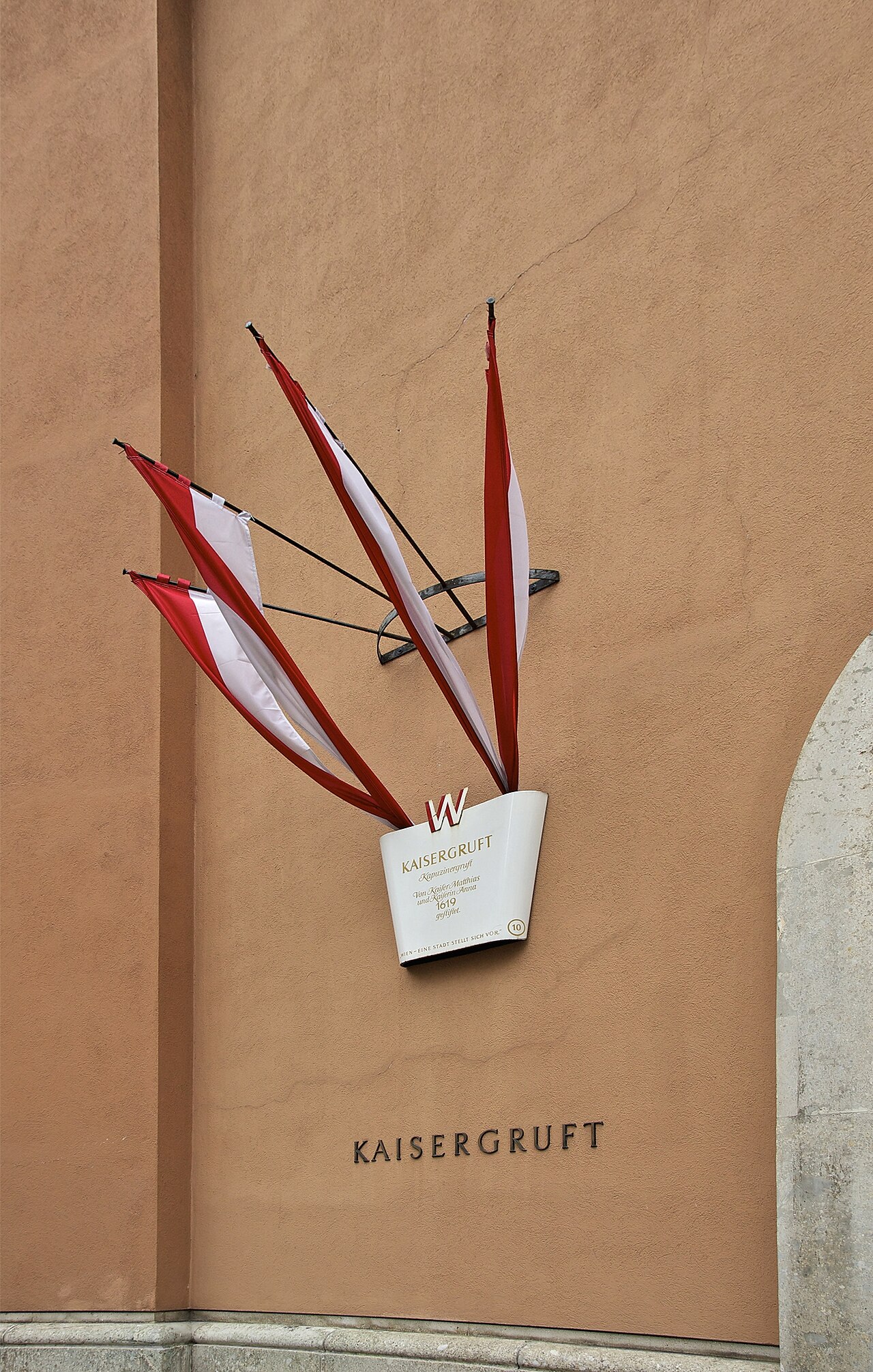
The Innere Stadt, on the Neuer Markt, at the Tegetthoffstraße corner.
Stephansplatz on U-Bahn lines U1 and U3 and Karlsplatz on the U1, U2 and U4 are each about five minutes away, through the Kärntner Straße either way.
The U-Bahn has five lines and 109 stations over 83.9 km, running from about 05:00 to 01:00 and all night at weekends.
2026-08-23 kontrol edildi · Kaynak
This is a burial place in active use, most recently in October 2023, and members of the family visit it. Behaviour that would be unremarkable in a museum is not appropriate here.
Photography is restricted and the rules are posted at the entrance; they are enforced.
The rooms are low, cool and dim, with steps between levels and no lift.
The crypt closes for services and commemorations, sometimes at short notice.
The hearts are not here — they are in the Augustinian Church, a five-minute walk away, and the viscera are under St Stephen's.
2026-08-23 kontrol edildi · Kaynak
Photography is restricted and the posted rules govern; check them at the door rather than assuming.
Where it is permitted, the rooms are dim and the metal is reflective, which defeats flash entirely and rewards a support.
Maria Theresa's double sarcophagus is too large for the room it stands in and needs a wide lens from a corner.
The detail — the crowned skulls, the mourning figures, the plain twentieth-century lids beside the rococo ones — carries the place better than any wide shot of a vault.
2026-08-23 kontrol edildi
145 Habsburgs, with urns holding the hearts or ashes of four more — twelve emperors and eighteen empresses among them, in 107 visible sarcophagi.
1618, by Anna of Tyrol, beneath the Capuchin Church in the Innere Stadt.
Yes. The most recent entombment was on 7 October 2023, when Archduchess Yolande of Austria was interred.
Habsburg custom: the body here, the heart in an urn in the Herzgruft at the Augustinian Church, and the viscera in the Ducal Crypt under St Stephen's. All three are within ten minutes of each other.
Maria Theresa's double sarcophagus, shared with Francis I Stephen, weighing about 1,700 kg — a rococo bed with the two of them sitting up looking at one another.
Yes. Franz Joseph I lies between Empress Elisabeth and Crown Prince Rudolf.
Etkileşimli harita yükleniyor…
Etkileşimli harita yüklenemedi.
Son güncelleme:
Kaynak: OpenStreetMap katkıda bulunanları, Wikidata ·