.JPG)

.jpg)
.jpg)


1 dk yürüyüş · Innere Stadt
Palais Erzherzog Albrecht
- Mutlaka görülmeli
- Tarihi anıt
Dil · 11 yayınlandı
Müze · Innere Stadt, Vienna
OpenStreetMap erişim etiketlerinden okunur; listede olmayan için kayıtlı etiket yoktur.
Planlayıcıda grup türünü aile seçtiğinizde gün penceresi tek kişilik bir günün yaklaşık dörtte üçüne iner.
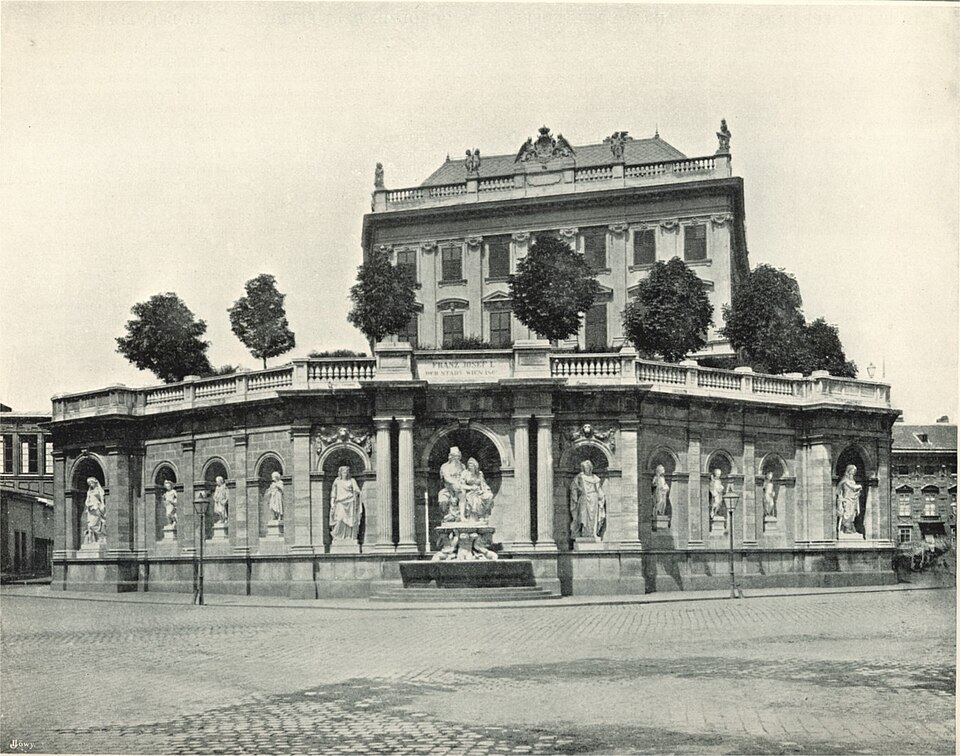
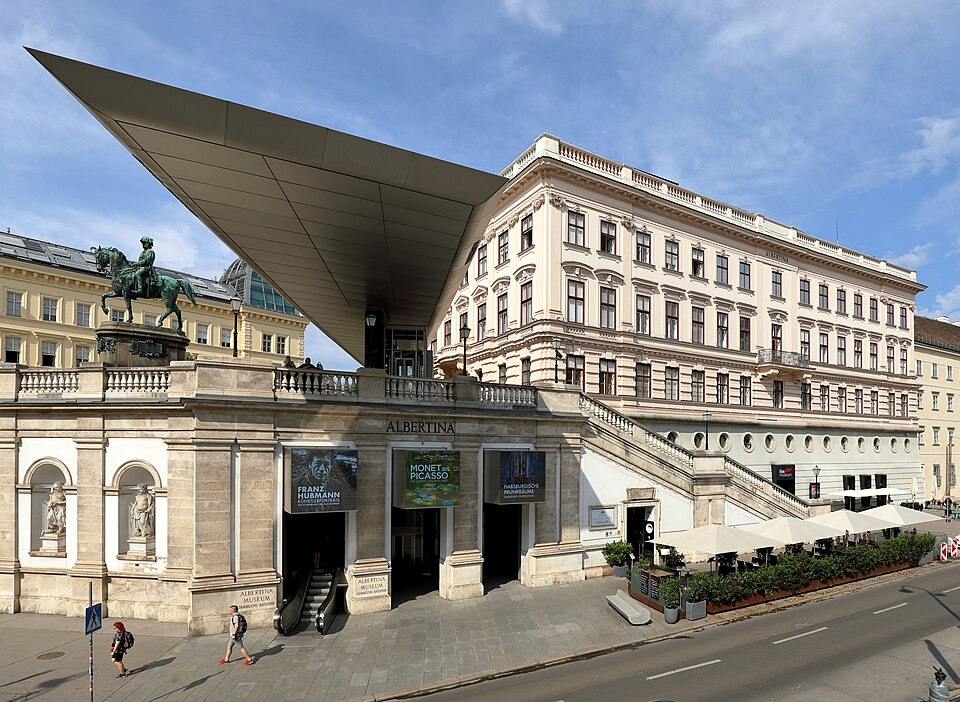
The Albertina is a Habsburg palace on the last remaining bastion of the city wall, and it holds one of the great collections of works on paper.
The building began as a seventeenth-century court construction office and was refitted as a palace in 1744. Duke Albert Casimir of Saxe-Teschen founded the collection in 1776, helped by the Genoese count Giacomo Durazzo, who gave him and his wife nearly a thousand works to start with.
It holds about 65,000 drawings and roughly a million old master prints, plus photography and architectural drawings.
It took 1,037,347 visitors in 2025.
2026-08-23 kontrol edildi · Kaynak
Dürer's hare, and the state rooms.
Albrecht Dürer painted the Young Hare in 1502 and it is the single most reproduced object in Austrian art. Leonardo's study for the Last Supper, from about 1495, is in the same collection.
Works on paper cannot be permanently displayed — light destroys them — so what hangs at any moment is a rotation and a temporary exhibition. Coming for a particular drawing without checking first is how people are disappointed here.
The Habsburg state rooms on the piano nobile are permanently open and are the best imperial interiors in Vienna outside the Hofburg.
Albertina Modern opened in 2020 as a separate venue for contemporary art, and Albertina Klosterneuburg in April 2024 for post-1945 work.
2026-08-23 kontrol edildi · Kaynak

Two hours, and check what is hanging before going.
The state rooms take forty minutes and are always there. The exhibitions take the rest and change several times a year.
The terrace over the bastion, at the front of the building, looks down on the State Opera and along the Ring, and it is free to walk onto.
Albertina Modern is a separate building, a separate ticket and a separate afternoon.
For anyone with a single free hour in the Innere Stadt, the state rooms and the terrace are the part of this museum that cannot disappoint, because they do not change.
2026-08-23 kontrol edildi · Kaynak

Late afternoon, and on a weekday.
The museum has late opening on some days and those are the quietest hours it has.
The terrace faces the opera and the Ring and takes afternoon light, which is when it is worth standing on.
Since the collection rotates rather than hangs, there is no season that is better for the art itself; the exhibition calendar is the thing to work to.
Winter suits the building: it is warm, central, and the terrace looks out over a Ring that is not somewhere to stand about in January.
2026-08-23 kontrol edildi · Kaynak
The Albertina is ticketed, and Albertina Modern and Albertina Klosterneuburg are separate institutions with their own tickets. Current rates are not published on the sources this page uses and are not reproduced here.
The terrace over the bastion is free.
Combined tickets across the three sites are sold and are worth working out before buying anything singly.
2026-08-23 kontrol edildi · Kaynak
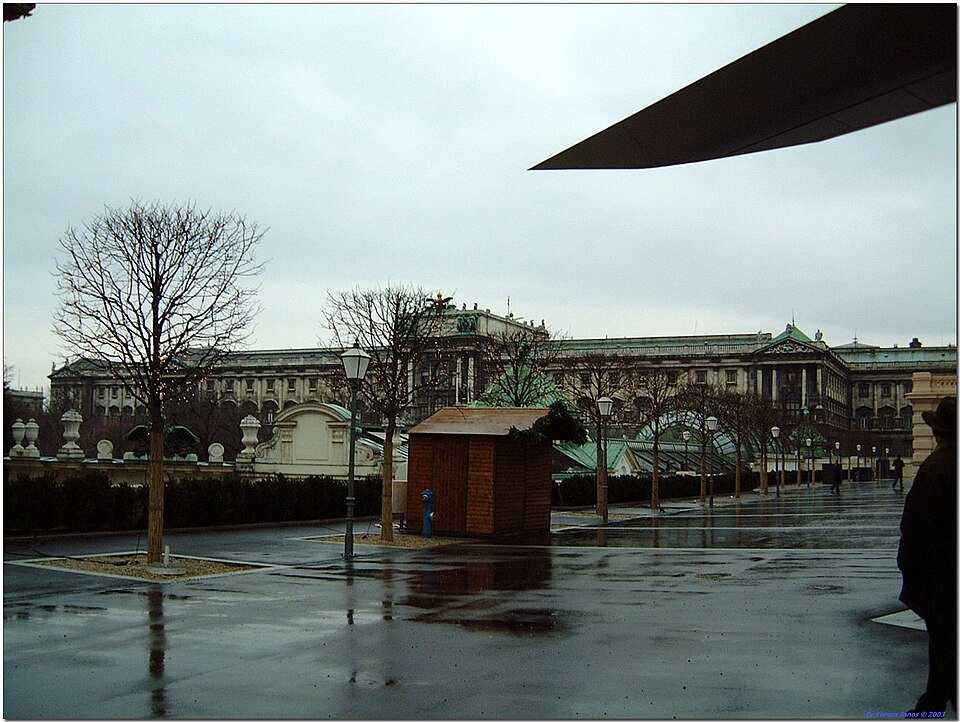
The Innere Stadt, on the Albertinaplatz behind the State Opera.
Karlsplatz on U-Bahn lines U1, U2 and U4 is a three-minute walk through the opera passage; Stephansplatz on the U1 and U3 is five minutes along the Kärntner Straße.
The U-Bahn has five lines and 109 stations over 83.9 km, running from about 05:00 to 01:00 and all night at weekends.
2026-08-23 kontrol edildi · Kaynak

Dürer's Young Hare is not permanently on show. It is a watercolour on paper and light would destroy it, so it is displayed rarely and briefly. Coming for it specifically is the mistake made here most often.
Albertina Modern is a different building at a different address with a different ticket.
The state rooms are the permanent part of the visit and are what remains when an exhibition is being changed.
Photography rules vary between the state rooms and the exhibitions, and works on paper are usually excluded.
Large bags are not admitted.
2026-08-23 kontrol edildi · Kaynak
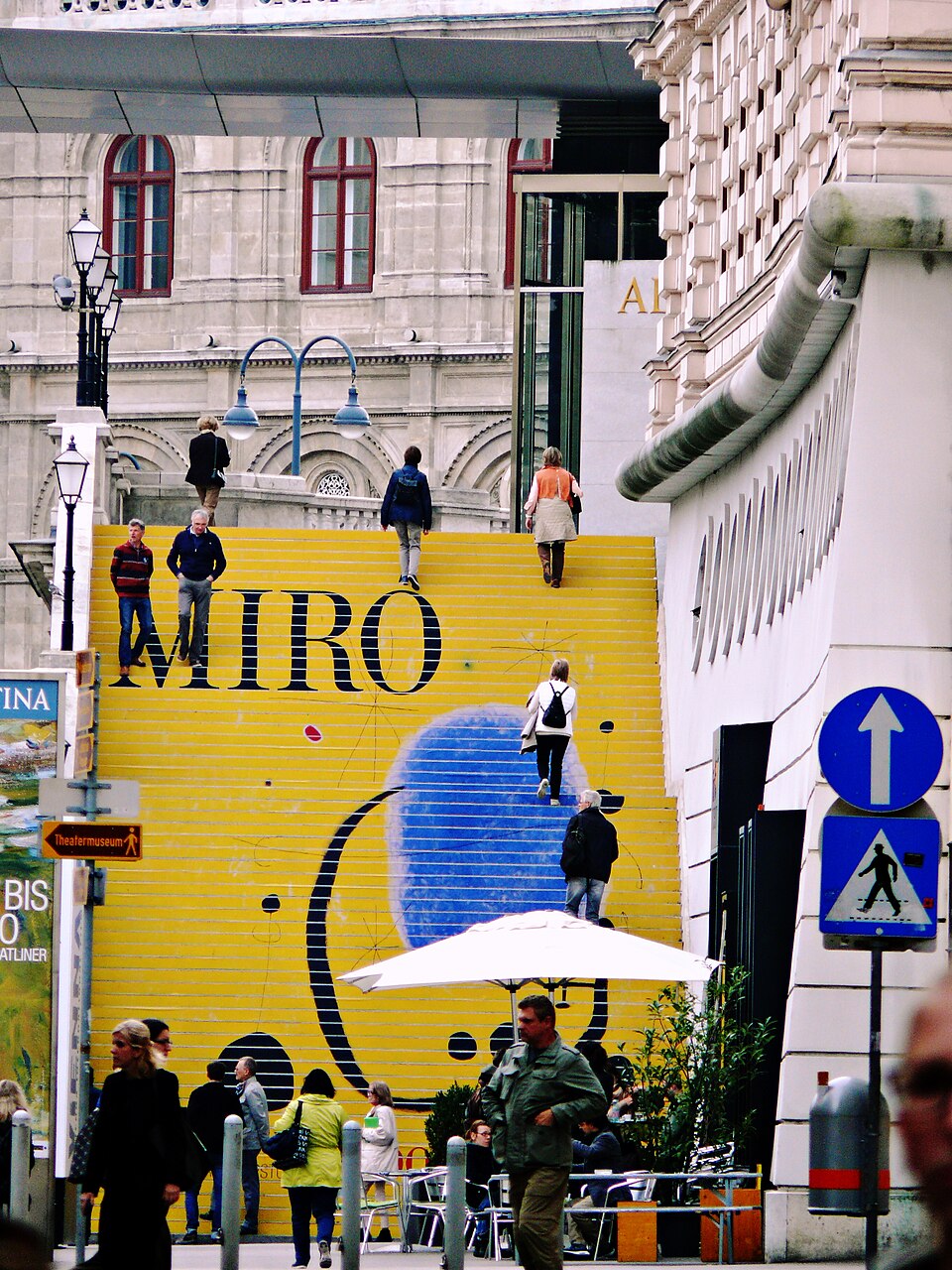
The terrace is the photograph and it is free: the State Opera below, the Ring running away, and the Burggarten on the other side, all from the top of the last bastion of the old wall.
Afternoon light is on it.
The state rooms are gilded, brightly lit and permit photography; they are the best interiors available here.
The drawings and prints are behind glass in low light and are usually excluded from photography altogether, which is a conservation rule rather than a commercial one.
2026-08-23 kontrol edildi
Rarely. It is a watercolour on paper of 1502 and light would destroy it, so it is shown only occasionally and briefly. Check before travelling for it.
About 65,000 drawings and roughly a million old master prints, plus photography and architectural drawings, founded by Duke Albert Casimir in 1776.
The Habsburg state rooms on the piano nobile, which are the best imperial interiors in Vienna outside the Hofburg. The works on paper rotate.
No. It opened in 2020 as a separate venue for contemporary art, at a different address with its own ticket, as is Albertina Klosterneuburg, open since April 2024.
Yes. The terrace on top of the bastion, looking down on the State Opera and along the Ring, can be walked onto without a ticket.
1,037,347 visitors in 2025. Late-opening evenings on weekdays are the quietest hours.
Etkileşimli harita yükleniyor…
Etkileşimli harita yüklenemedi.
Son güncelleme:
Kaynak: OpenStreetMap katkıda bulunanları, Wikidata ·