


2 min walk
Sejong Center
- Must see
- Art and culture venue
Language · 1 published
Historic monument · Seoul
앙부일구
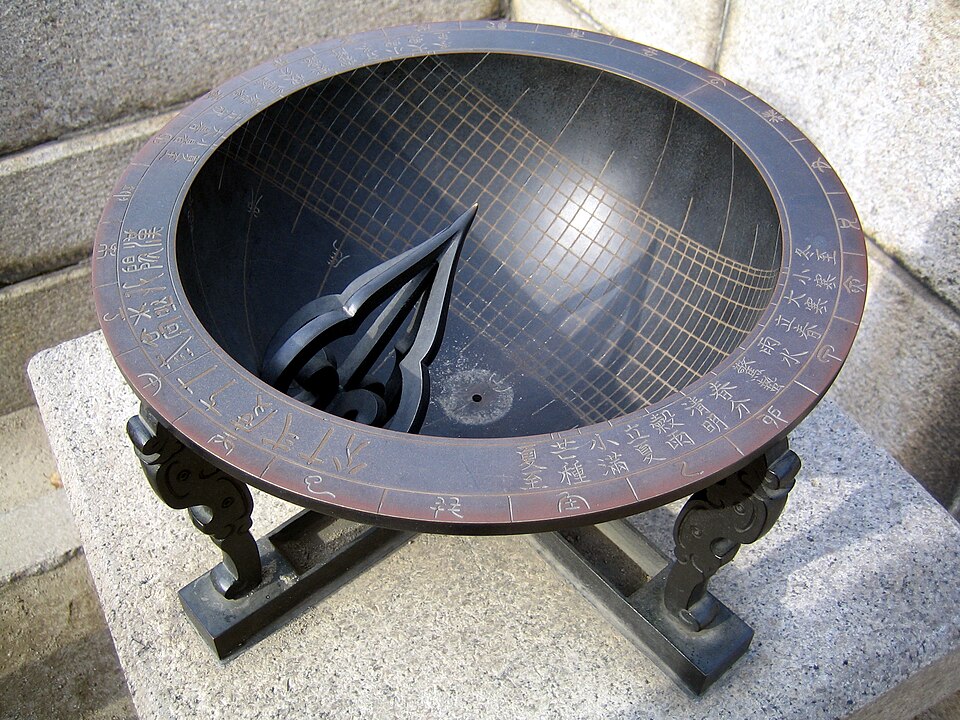
Angbu-ilgu is a historic sundial located in Seoul, South Korea. Its Korean name is 앙부일구. The structure represents traditional Korean astronomical science and timekeeping technology. As a cultural heritage site, it stands as evidence of Joseon Dynasty scientific achievement. The exact production identity node/3841809481 confirms its specific geospatial registration. Visitors encounter an instrument that once served public timekeeping functions in the capital. The sundial's design reflects adaptation to Seoul's latitude, demonstrating sophisticated understanding of solar movement. Its preservation allows contemporary audiences to connect with pre-modern Korean scientific practice.
Checked 2026-08-26
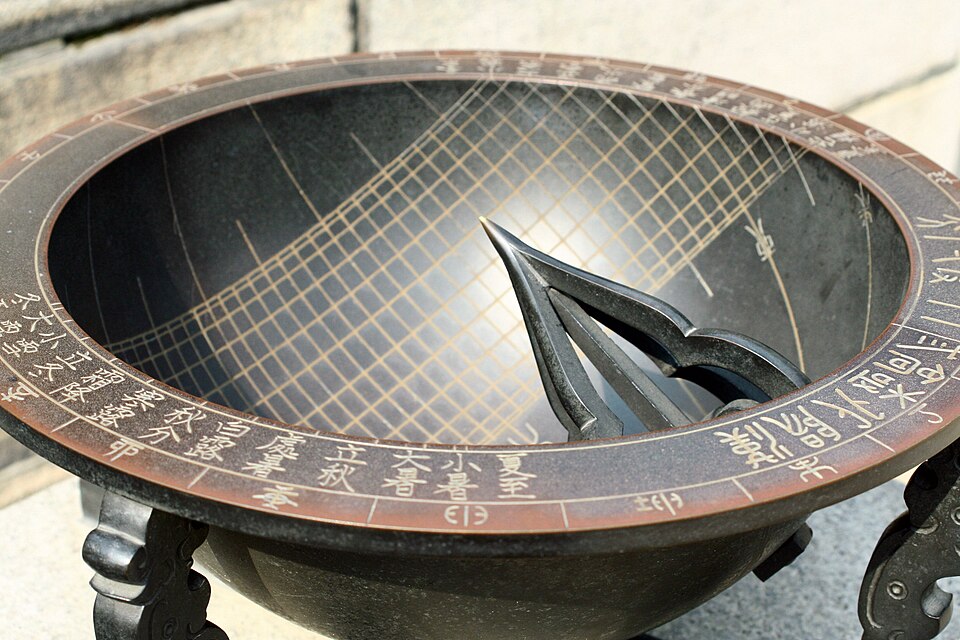
The Angbu-ilgu sundial itself constitutes the primary feature at this location. The structure typically includes a hemispherical bronze bowl with inscribed time lines and a gnomon needle. The bowl's interior surface contains markings for seasonal hours. As an outdoor installation, there are no enclosed buildings or interior spaces for visitors to enter. The immediate surroundings form part of the presentation context. No additional exhibition halls, visitor centers, or auxiliary structures are documented in available sources. The physical composition remains focused on the original astronomical instrument and its supporting pedestal or platform.
Checked 2026-08-26
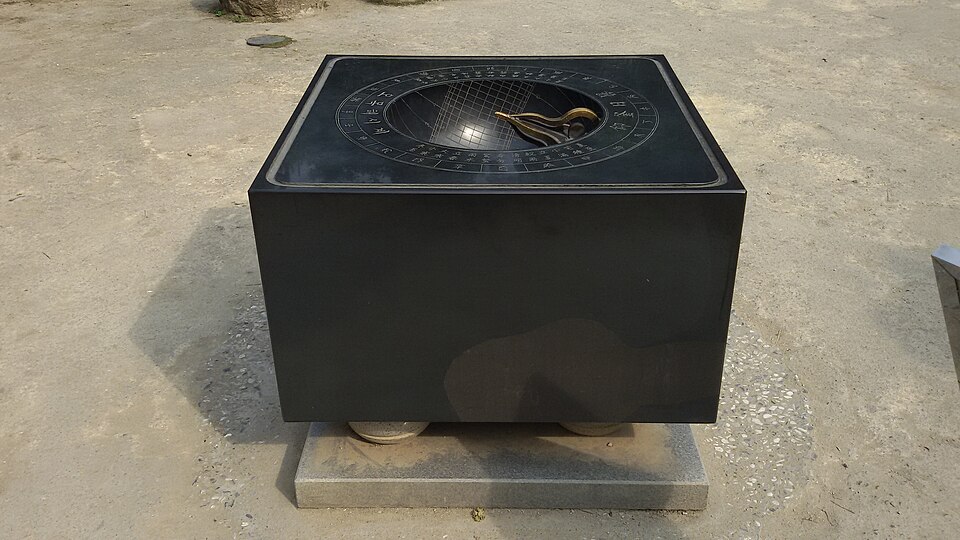
A visit to Angbu-ilgu requires relatively brief time commitment. Most visitors spend approximately fifteen to thirty minutes observing the sundial structure, reading any available informational plaques, and photographing the installation. The outdoor setting permits flexible pacing without guided tour constraints. No queues or timed entry systems are indicated in source materials. Visitors often incorporate this stop into broader itineraries exploring adjacent historical districts. The compact nature of the site suits quick observation rather than extended engagement. Personal interest in astronomical history or Korean scientific heritage may extend individual duration.
Checked 2026-08-26
Operator-confirmed hours are Not recorded pending review. The outdoor installation suggests daytime accessibility, though formal opening and closing times remain unverified. Seasonal variations in daylight affect both visibility and photographic conditions. Morning and afternoon periods offer optimal sunlight for observing the sundial's shadow-casting function. Winter months provide sharper shadows but shorter viewing windows. Summer extends daylight hours though humidity may reduce comfort. No special events or seasonal closures are documented. Visitors should verify current accessibility through local tourism authorities before planning dedicated visits, as maintenance or surrounding construction could temporarily affect access.
Checked 2026-08-26
Operator-confirmed prices are Not recorded pending review. No admission fee structure is documented in available sources. The outdoor public location suggests possible free access, though this remains unverified. No ticket booths, reservation systems, or payment mechanisms are mentioned. Group tour arrangements or special access provisions are not indicated. Visitors should not assume free entry without local confirmation. Nearby attractions may operate separate fee structures that could confuse expectations. Budget planning should accommodate potential contributions or adjacent paid sites rather than certain costs at this specific location. Current verification with Seoul tourism services remains advisable.
Checked 2026-08-26

Angbu-ilgu sits within Seoul's urban fabric, accessible via the city's extensive public transportation network. The Wikipedia source for Seoul indicates comprehensive subway and bus systems serving historical districts. Specific station names and walking directions to this precise node are not recorded. Visitors familiar with Seoul's navigation can reference the confirmed coordinates associated with production identity node/3841809481. Taxi and rideshare services operate throughout the capital. Pedestrian accessibility depends on surrounding street configuration. Language assistance through translation applications aids wayfinding. Morning arrival may reduce crowding at this compact site.
Checked 2026-08-26

Outdoor exposure leaves visitors subject to weather conditions without shelter provision. The sundial's bronze surfaces become slippery when wet and extremely hot during summer months. Physical contact risks damage to historical material and potential personal injury. No protective barriers are documented, requiring self-directed caution. Surrounding pedestrian and vehicle traffic demands awareness in urban setting. Informational signage may present Korean text without translation. The site's modest scale risks disappointment for visitors anticipating monumental architecture. Photography restrictions, if any, are unverified. Respectful conduct toward cultural heritage object remains expected regardless of formal supervision presence.
Checked 2026-08-26

The hemispherical form and bronze patina offer distinctive visual subjects. Direct overhead sunlight eliminates shadows and reduces dimensional appearance; angled light emphasizes bowl curvature and inscribed markings. Overcast conditions flatten contrast but prevent harsh glare on metallic surfaces. Wide-angle lenses capture full structure though distortion affects bowl geometry. Detail shots of time markings require close focusing capability. Human figures provide scale reference against compact instrument. Seasonal vegetation changes alter surrounding context. Tripod use policies are unverified. Early or late light produces warm tones on bronze. Reflections in polished surfaces may complicate exposure metering.
Checked 2026-08-26
The name 앙부일구 refers to this specific type of Korean sundial, with Angbu describing the pot or urn shape and ilgu meaning sundial or time-measuring instrument.
Not recorded. Available information indicates an outdoor installation without documented enclosed exhibition spaces.
Cautious visitor judgement suggests avoiding physical contact to prevent damage to historical materials and potential personal injury from weather-affected surfaces.
Not recorded. No guided tour services or schedules are documented in available sources for this specific location.
Not recorded. Specific construction dates or historical periods for this particular installation are not documented in supplied source materials.
The instrument retains scientific interest though modern time standardization and potential environmental modifications may affect precise contemporary accuracy. Not recorded pending expert review.
Loading the interactive map…
The interactive map could not be loaded.
Last updated:
Source: OpenStreetMap contributors, Wikidata ·