


30 min walk
Achasanseong
- Notable · Heritage site
- Historic monument
Language · 1 published
Historic monument · Seoul
서울 암사동 유적
| Monday | Closed |
|---|---|
| Tuesday | 09:30 – 18:00 |
| Wednesday | 09:30 – 18:00 |
| Thursday | 09:30 – 18:00 |
| Friday | 09:30 – 18:00 |
| Saturday | 09:30 – 18:00 |
| Sunday | 09:30 – 18:00 |
Parsed from OpenStreetMap opening hours on 2026-08-26.
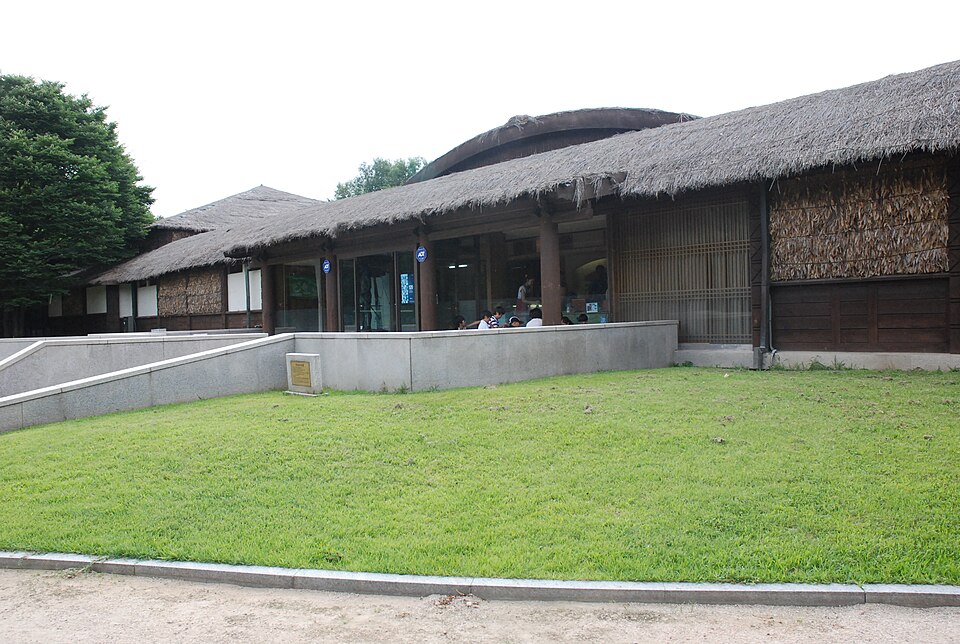
The Amsa-dong Prehistoric Site is an archaeological location in Seoul, South Korea, preserving evidence of Neolithic settlement along the Han River. The site represents one of the significant prehistoric habitation areas within the modern capital, offering material connections to early human occupation of the Korean peninsula. Its designation as a protected heritage site reflects national recognition of its archaeological value. The local name 서울 암사동 유적 identifies it within Korean cultural heritage frameworks. Visitors encounter a place where excavated remains document sustained prehistoric activity, though specific interpretive infrastructure depends on current site management.
Checked 2026-08-26
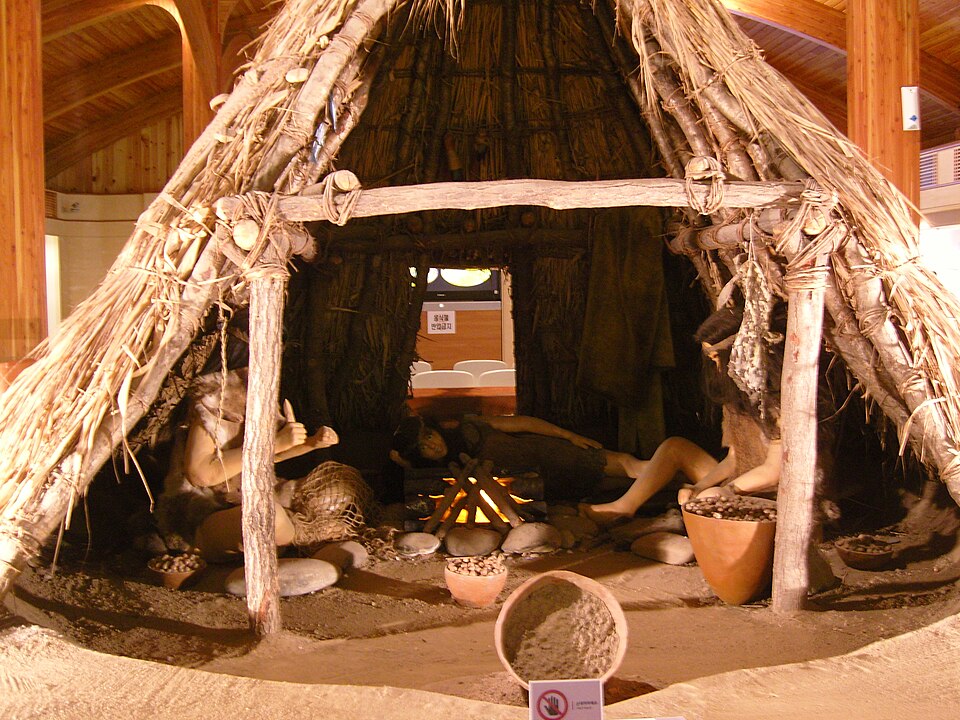
The site contains excavated archaeological remains from prehistoric occupation layers. These typically include dwelling foundations, storage pits, and midden deposits characteristic of Neolithic riverside settlements. Artifact assemblages would originally have comprised pottery, stone tools, and bone implements, though displayed materials depend on curation decisions. The riverine location suggests fishing and gathering economies supplemented early agriculture. Any museum structures, reconstructed dwellings, or protective shelters present would serve to interpret and preserve these fragile deposits. The exact current visible features require direct observation, as archaeological sites undergo periodic modification through conservation work and seasonal presentation changes.
Checked 2026-08-26
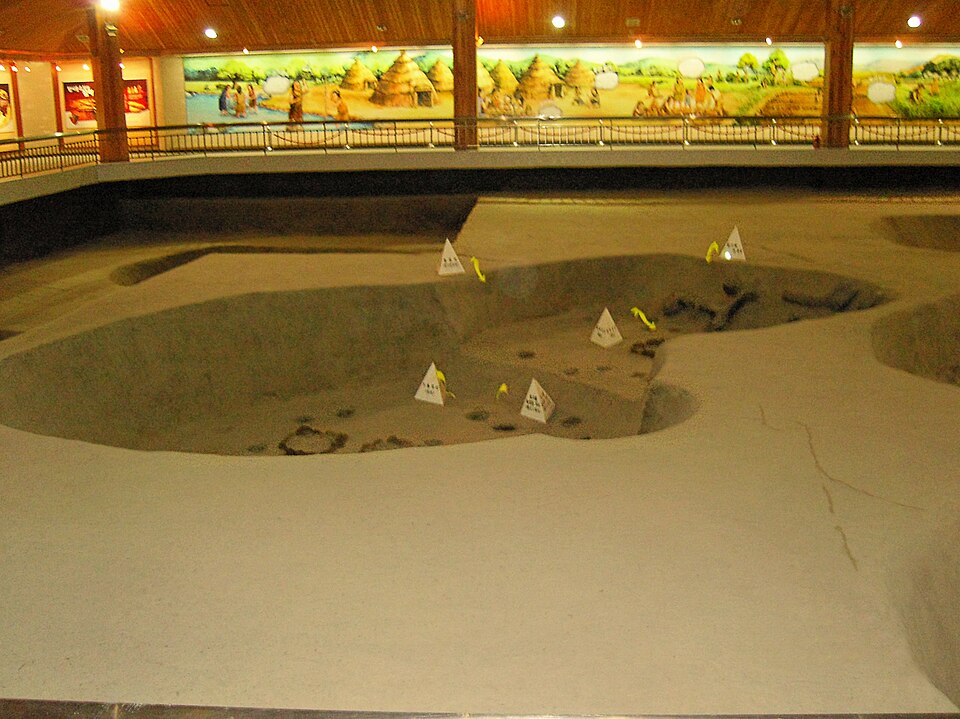
A thorough visit to the Amsa-dong Prehistoric Site typically requires between one and two hours, depending on individual engagement with archaeological features. Casual observation of surface remains and any interpretive signage may take forty-five minutes. Visitors with strong interest in Korean prehistory or archaeological methodology should allow additional time for careful examination of stratigraphic sections and feature documentation. The compact nature of many Korean heritage sites suggests limited physical extent, though riverside terrain may involve uneven walking surfaces. Combining this site with other nearby attractions along the Han River could constitute a half-day excursion.
Checked 2026-08-26
Operator-confirmed hours are Not recorded pending review. Visitors should verify current accessibility before planning travel, as archaeological sites may have restricted visiting periods, seasonal closures, or advance reservation requirements. Spring and autumn generally offer comfortable temperatures for outdoor exploration in Seoul, with reduced humidity compared to summer months. Winter visits require preparation for cold conditions, particularly at exposed riverside locations. Rainy season precipitation from June through July may affect ground conditions and outdoor interpretive access. Weekday mornings potentially offer quieter conditions than weekends, though this depends on actual operational schedules not currently confirmed.
Checked 2026-08-26
Operator-confirmed prices are Not recorded pending review. Many Korean national and municipal heritage sites operate with modest entrance fees or free admission, though this varies by management authority and any special exhibition components. Some archaeological locations require guided tour participation with associated costs. Visitors should carry sufficient Korean won, as remote or smaller sites may not accept card payments. Combination tickets with other Seoul heritage attractions occasionally provide value for extensive cultural touring. Verification of current fee structures through official Seoul city channels or direct contact remains essential before budgeting for this destination.
Checked 2026-08-26
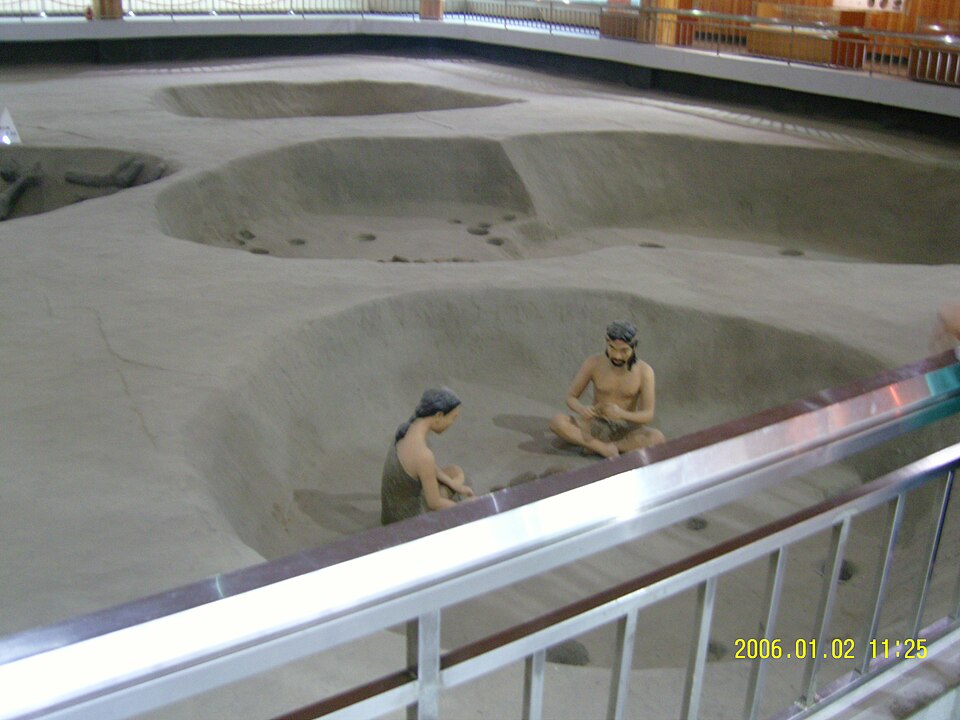
The Amsa-dong Prehistoric Site occupies a position in eastern Seoul within the Gangdong-gu district, accessible through the city's extensive public transportation network. Seoul Metropolitan Subway lines serve the broader Amsa-dong area, with walking or bus connection likely required for final approach. The site's riverside location suggests proximity to Han River park pathways, potentially accessible by bicycle or on foot from connected trail networks. Taxi or rideshare services provide direct access though may face navigation challenges with exact site entrances. Visitors should obtain precise current directions from official sources, as local road configurations and transit schedules undergo periodic adjustment.
Checked 2026-08-26
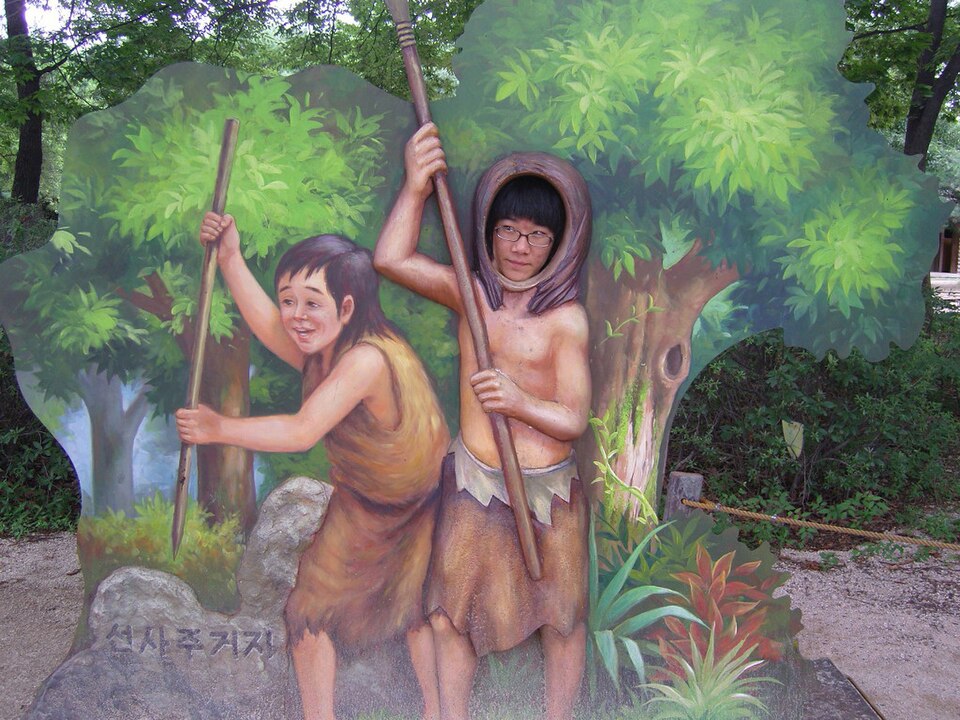
Archaeological sites demand respectful behavior around exposed deposits and any protective structures. Visitors should remain on designated pathways to prevent damage to fragile stratigraphy or unexcavated subsurface remains. Weather conditions affect riverside terrain significantly; slippery surfaces after rain require appropriate footwear. Limited English signage may challenge independent interpretation without preparatory research. Facility amenities such as restrooms, drinking water, or shelter may be minimal at heritage locations outside major tourist circuits. Personal belongings require standard urban vigilance. Photography restrictions potentially apply to specific features or excavation areas; observe posted guidance or staff direction regarding documentation permissions.
Checked 2026-08-26
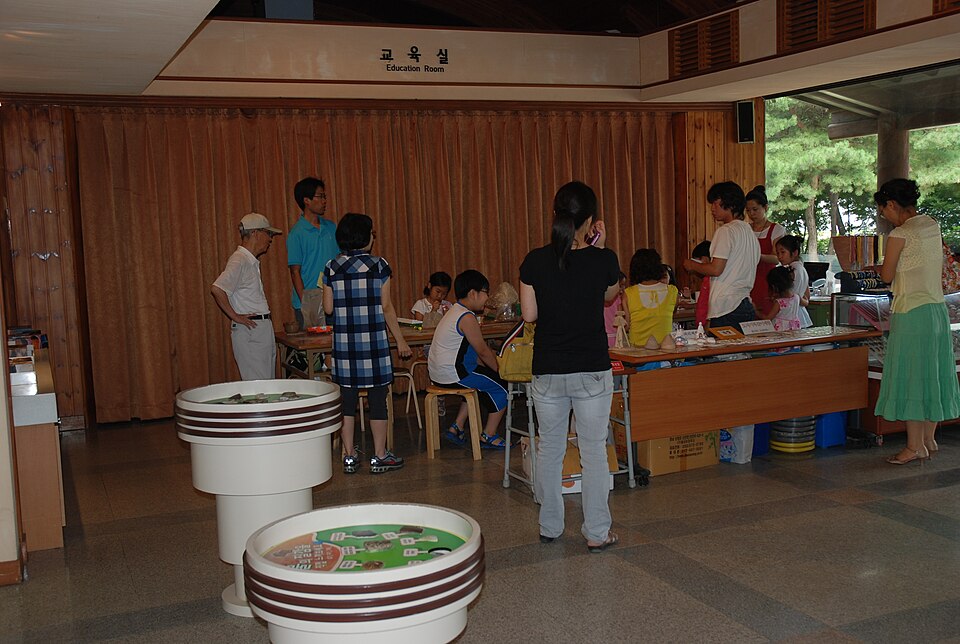
Photography conditions at the Amsa-dong Prehistoric Site depend on current management policies not explicitly documented in available sources. Outdoor archaeological features typically permit daylight photography without artificial restrictions, though protective shelters or museum components may impose limitations. The riverside setting offers natural contextual backdrops for documenting the site's environmental situation. Overcast conditions potentially reduce harsh shadows on excavated surfaces, aiding photographic documentation of subtle terrain features. Tripod use may require advance permission at managed heritage locations. Visitors should verify current regulations upon arrival and respect any staff guidance regarding sensitive excavation areas or displayed artifacts where flash photography could cause degradation.
Checked 2026-08-26
The site offers educational potential for children interested in archaeology, though uneven terrain and limited interactive elements may reduce engagement for younger visitors. Parental preparation regarding prehistoric lifeways enhances the experience.
English-language guided tour availability is Not recorded pending review. Many Korean heritage sites primarily serve domestic visitors; independent research or translation applications may supplement on-site interpretation.
The eastern Seoul location permits potential combination with Han River park areas, though specific efficient itineraries depend on verified operating hours and personal transportation preferences.
Archaeological sites with excavated terrain and riverside topography often present accessibility challenges. Specific current accommodations are Not recorded pending review; direct inquiry advisable before visiting.
Appropriate walking shoes for potentially uneven ground, weather-appropriate clothing for exposed riverside conditions, drinking water, and Korean won for any unconfirmed admission or facility fees.
The Amsa-dong site represents Seoul's accessible Neolithic heritage, contrasting with more extensively developed archaeological parks elsewhere. Its urban context offers convenience though potentially reduced scale compared to dedicated national museum complexes.
Loading the interactive map…
The interactive map could not be loaded.
Last updated:
Source: OpenStreetMap contributors, Wikidata ·