


_by_Anton_Nossik,_2007_055.jpg)


6 min walk
Museo di Storia Naturale di Venezia
- Must see · Heritage site
- Museum
Language · 1 published
Historic monument · Venice
Ghetto di Venezia
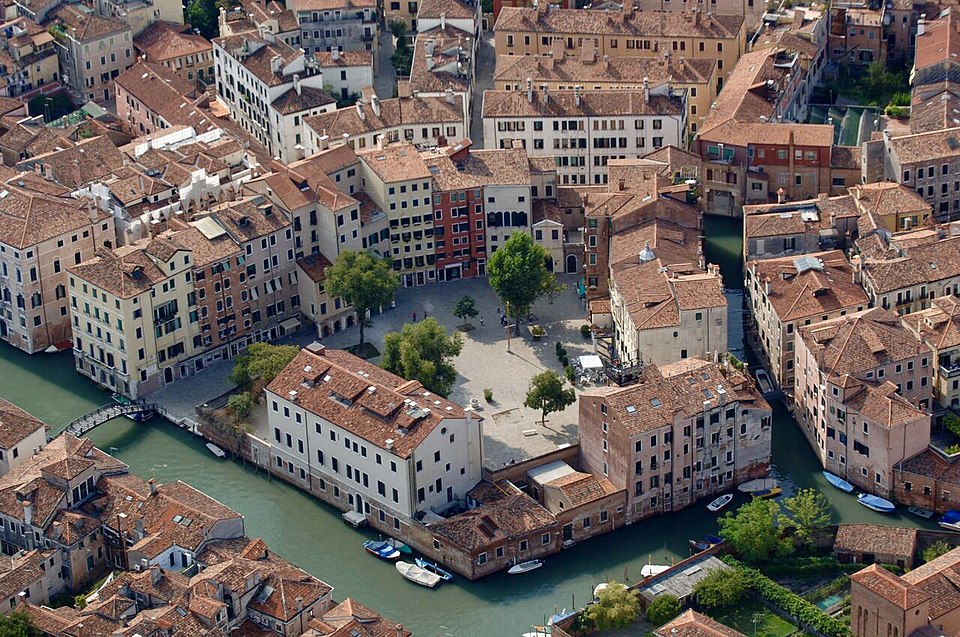
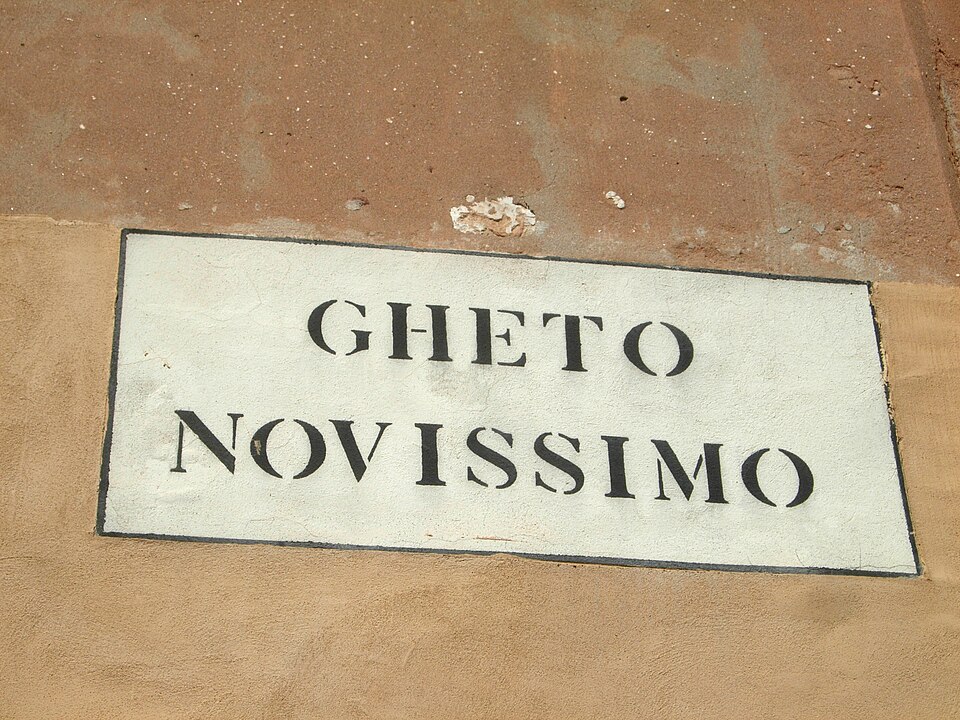
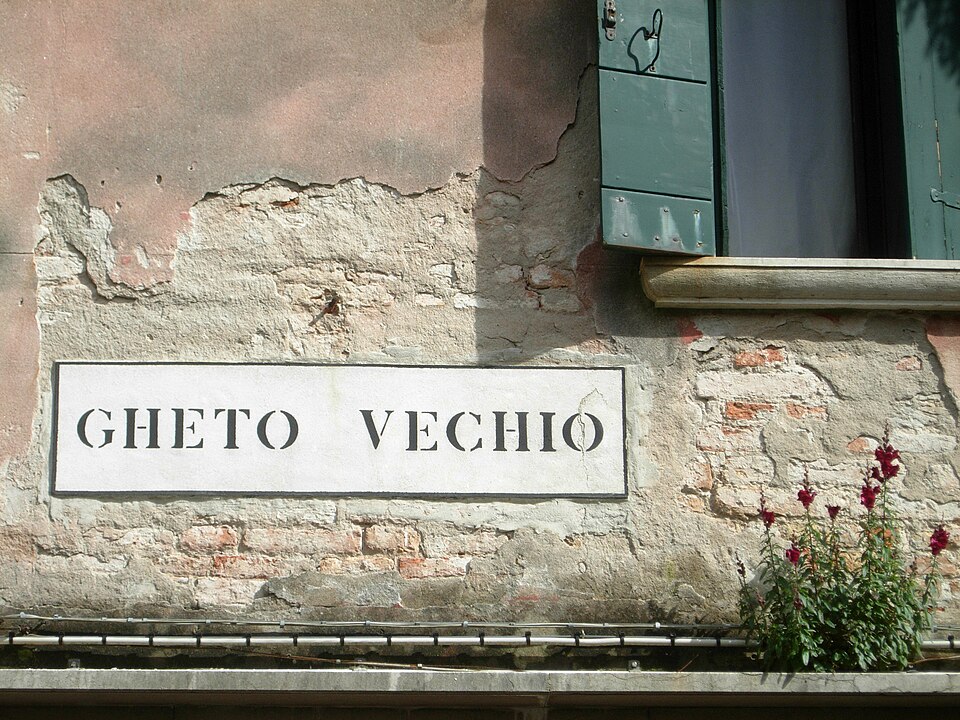
The Venetian Ghetto is the historic Jewish quarter of Venice, established in 1516 on the site of an iron foundry. It is considered the world's first ghetto, from which the term derives. Located in the Cannaregio district, it comprises the Ghetto Nuovo, Ghetto Vecchio, and Ghetto Novissimo areas. The neighborhood retains significant Jewish cultural heritage, including synagogues, a museum, and kosher establishments. Its distinctive tall buildings reflect the constrained space where the growing Jewish population was required to live under Venetian Republic regulations.
Checked 2026-08-26
The area contains five historic synagogues, known as scuole, built between the sixteenth and seventeenth centuries by different Jewish communities. The Jewish Museum of Venice documents the history and culture of Venetian Jewry. Kosher restaurants, bakeries, and a guesthouse serve the community and visitors. Memorial plaques and sculptures commemorate the Holocaust deportations of 1943-1944. The Campo del Ghetto Nuovo square forms the central public space. Notable architecture includes the Levantine Synagogue and the Spanish Synagogue, distinguished by their interiors and historical significance. Venetian Ghetto also earns time in a venice itinerary because Selected as a distinct visitor-facing POI and matched exactly to the production city pool. Its value becomes clearer when the stop is compared with the surrounding streets and the other ranked places nearby.
Checked 2026-08-26
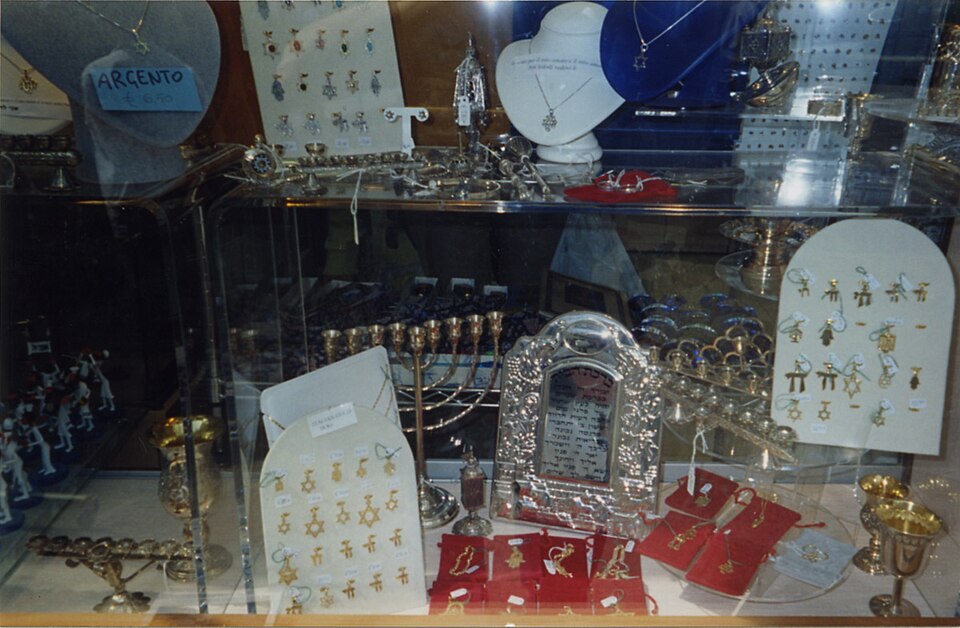
Visitors typically spend between one and three hours exploring the Venetian Ghetto. A brief walk through the main square and surrounding streets requires approximately thirty to forty-five minutes. Those entering the Jewish Museum and one or more synagogues should allow ninety minutes to two hours. A comprehensive visit encompassing all accessible synagogues, the museum exhibitions, and time for reflection at memorial sites may extend to half a day. The compact nature of the quarter allows efficient exploration, though cultural engagement warrants unhurried pacing.
Checked 2026-08-26
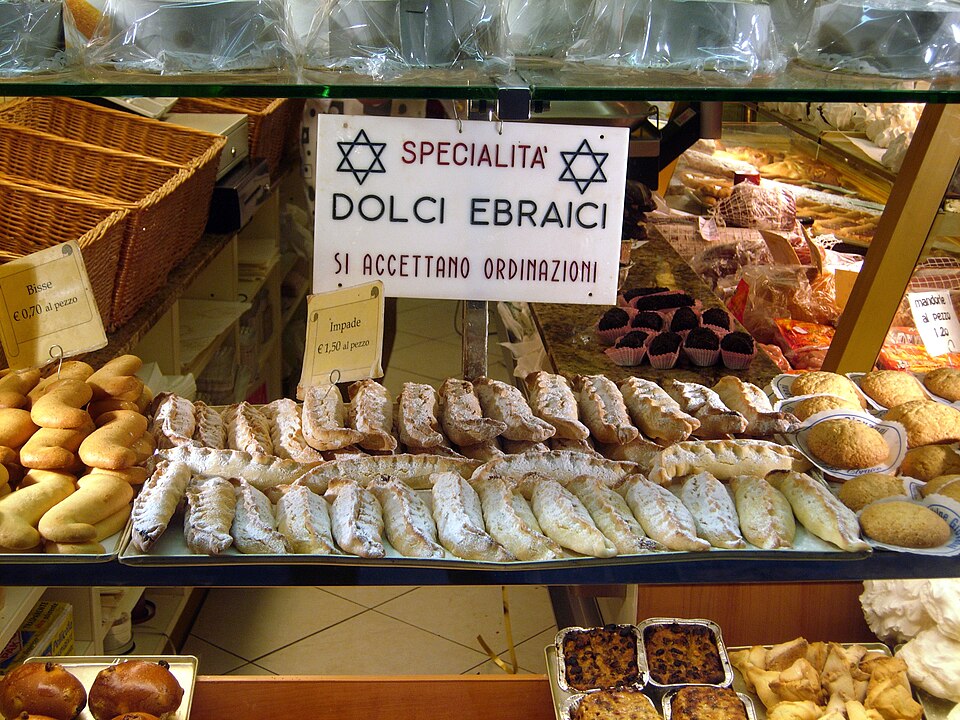
The Venetian Ghetto can be visited year-round as a public neighborhood. Operator-confirmed hours for the Jewish Museum and synagogues are Not recorded pending review. The area experiences Venice's general tourism patterns, with higher visitor numbers during spring, summer, and the Carnival period. Winter months offer quieter conditions. Religious observances, particularly Shabbat from Friday evening through Saturday, affect access to synagogue interiors and kosher establishment operations. Visitors should verify current access conditions before planning their visit, as operational schedules may vary seasonally or due to community events.
Checked 2026-08-26
Entry to the Venetian Ghetto as a public neighborhood is free of charge. Operator-confirmed prices for the Jewish Museum and synagogue tours are Not recorded pending review. Some visitors may choose guided tours offered by external providers, though these are not managed by the site itself. Kosher dining and shopping involve standard commercial transactions. Visitors should be prepared to check current admission policies directly with the Jewish Museum of Venice or authorized representatives, as pricing structures and tour availability may change without broad public notification.
Checked 2026-08-26
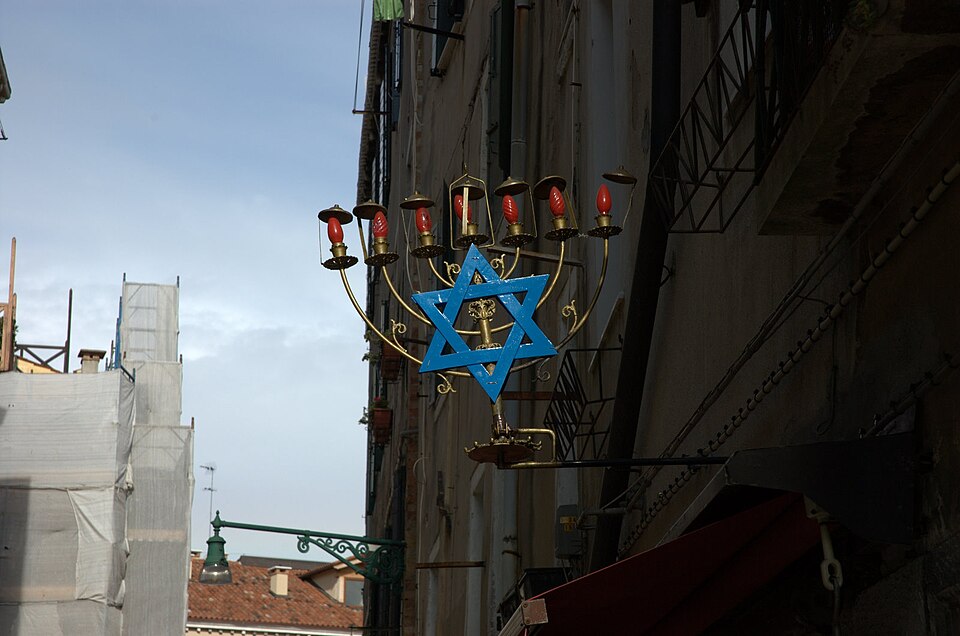
The Venetian Ghetto lies in Cannaregio, accessible on foot from Santa Lucia railway station in approximately fifteen to twenty minutes. Vaporetto waterbus lines serve nearby stops including Guglie and San Marcuola on the Grand Canal. Walking from Rialto Bridge takes roughly twenty-five minutes through the city's calli and campielli. The area lacks vehicle access, consistent with Venice's pedestrian character. Signage directs visitors from major thoroughfares to the Campo del Ghetto Nuovo. Navigation requires attention to the dense street network, particularly for first-time visitors to Venice.
Checked 2026-08-26
Visitors should observe respectful conduct in this active religious and residential community. Photography restrictions apply in synagogue interiors and the museum. Modest dress is appropriate when entering religious sites. The tall, narrow streets can create disorienting conditions; visitors should note their route. Kosher establishments observe religious dietary laws and Shabbat schedules. Memorial sites demand solemn behavior. Pickpocketing risks exist as in any tourist-frequented area of Venice. Some passages between the Ghetto Nuovo and Ghetto Vecchio involve bridge crossings over narrow canals. Evening visits may find reduced services and dimly lit passages.
Checked 2026-08-26
Exterior photography of the Venetian Ghetto's squares, bridges, and streetscapes is generally permitted. The distinctive tall buildings and canal views offer notable subjects. However, photography is prohibited inside the synagogues and the Jewish Museum without explicit authorization. Visitors should refrain from photographing individuals in religious dress without consent. Memorial plaques and sculptures may be photographed respectfully from exterior positions. The compact spaces and overhead architectural lines present compositional challenges. Natural light varies significantly between the narrow streets and the more open Campo del Ghetto Nuovo. Tripod use may attract attention in crowded conditions.
Checked 2026-08-26
Yes, the Venetian Ghetto remains an active Jewish community with residents, religious services, kosher facilities, and cultural institutions.
Access policies for individual synagogue entry are not confirmed in available sources; visitors should verify current arrangements with the Jewish Museum of Venice.
The buildings reach exceptional heights because the confined area could not expand horizontally, forcing upward construction to accommodate the growing population.
No, the Venetian Ghetto is a public neighborhood with no charge for entering its streets and squares.
The term derives from the Venetian dialect word for foundry, referring to the iron foundry previously located on this site.
Kosher establishments generally serve all customers, though they observe religious dietary laws and may have restricted hours, particularly during Shabbat.
Loading the interactive map…
The interactive map could not be loaded.
Last updated:
Source: OpenStreetMap contributors, Wikidata ·