
_(14578663899).jpg)


5 min walk
San Cesareo in Palatio
- High · Heritage site
- Place of worship
Language · 1 published
Historic monument · Rome
Terme di Caracalla
| Monday | Closed |
|---|---|
| Tuesday | 10:00 – 19:15 |
| Wednesday | 10:00 – 19:15 |
| Thursday | 10:00 – 19:15 |
| Friday | 10:00 – 19:15 |
| Saturday | 10:00 – 19:15 |
| Sunday | 10:00 – 19:15 |
Parsed from OpenStreetMap opening hours on 2026-08-25.
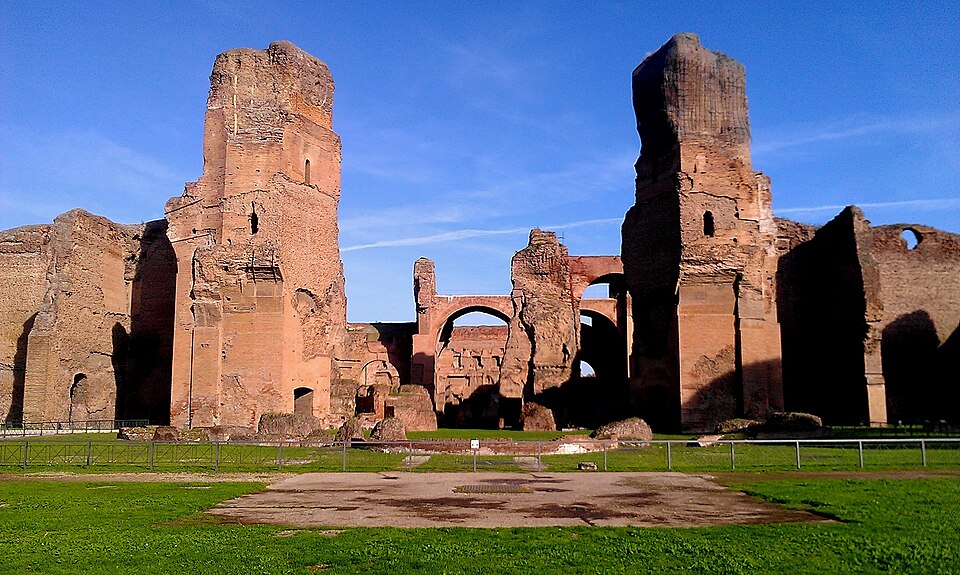
The Baths of Caracalla, known locally as Terme di Caracalla, constitute one of Rome's most substantial surviving ancient bath complexes. Constructed during the early third century under Emperor Caracalla, these thermae served as a major public bathing and social facility in imperial Rome. The extensive ruins demonstrate the scale of Roman engineering and civic architecture. The site represents a significant archaeological monument within the contemporary city, offering visitors direct encounter with the physical remains of ancient Roman daily life and imperial building programs.
Checked 2026-08-26
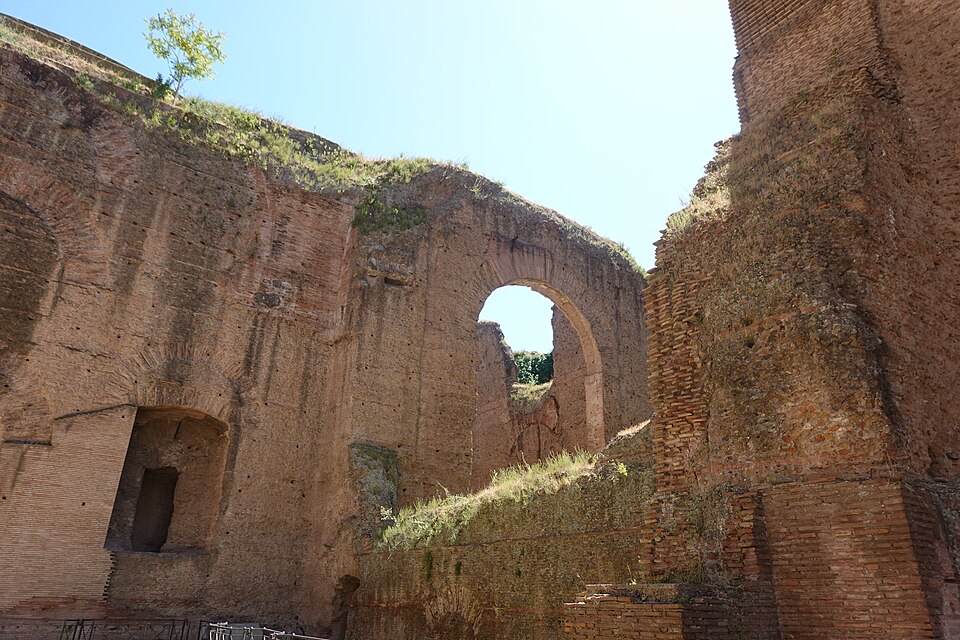
The complex preserves substantial structural elements including the main bathing chambers, gymnasium areas, and service corridors. Visitors can observe the massive brick-faced concrete construction typical of imperial Roman architecture. Remaining features include mosaic floor fragments, extensive wall structures, and the underlying hypocaust heating system infrastructure. The site also contains later historical layers. The open-air setting allows examination of the spatial organization that once accommodated thousands of bathers across successive rooms of varying temperatures and functions within the monumental enclosure. Baths of Caracalla also earns time in a rome itinerary because Exact unique production name match within the declared city scope. Its value becomes clearer when the stop is compared with the surrounding streets and the other ranked places nearby.
Checked 2026-08-26
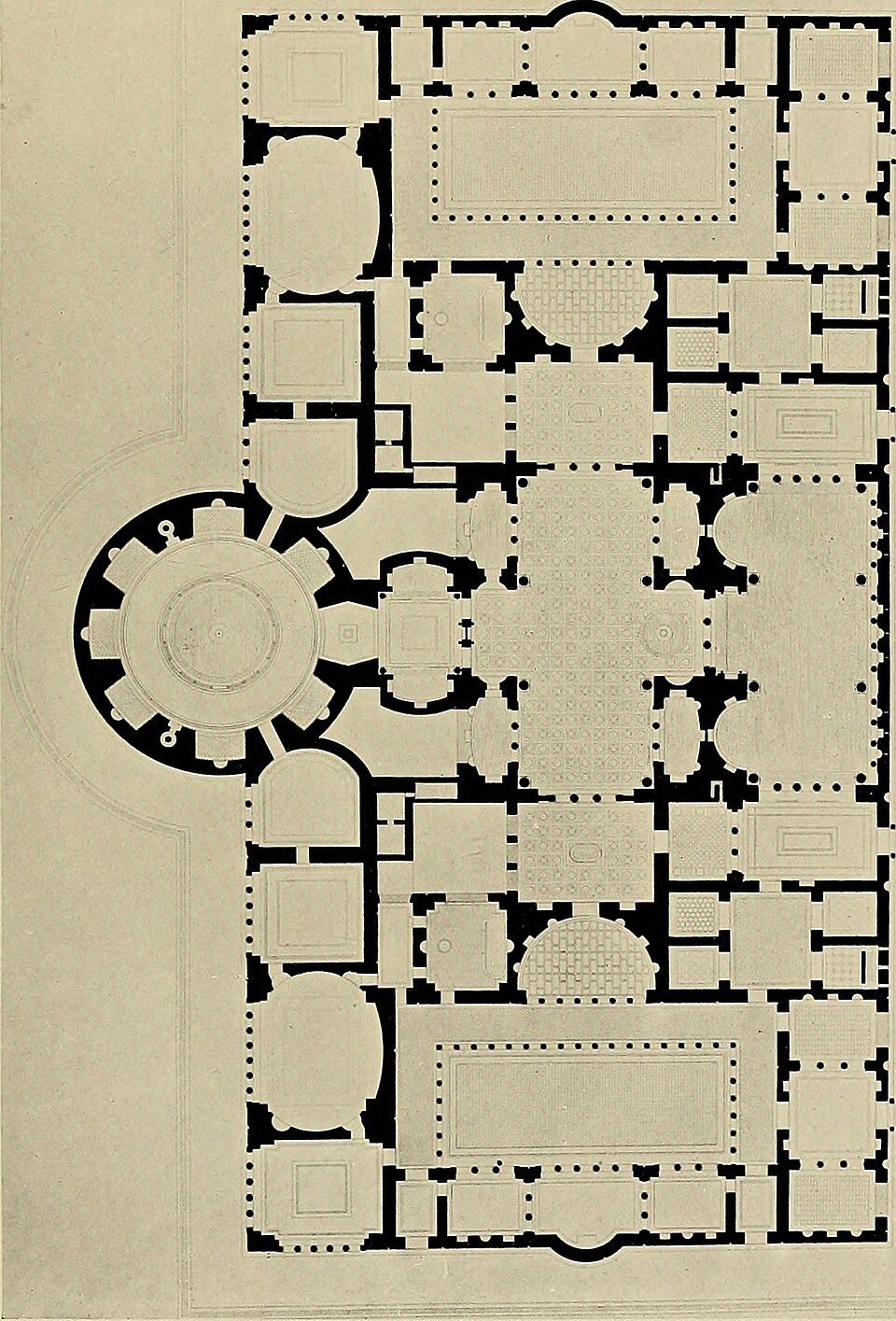
A thorough visit typically requires between ninety minutes and two hours, depending on individual pace and interest in architectural detail. The extensive grounds permit considerable walking across uneven ancient surfaces. Visitors with strong interest in Roman construction techniques or archaeological methodology may prefer extended stays. The open-air nature of the site exposes visitors to weather conditions without shelter. Seasonal temperature variations affect comfort during exploration. Comfortable footwear proves essential given the ancient paving and considerable distances between the complex's various remaining structural zones.
Checked 2026-08-26
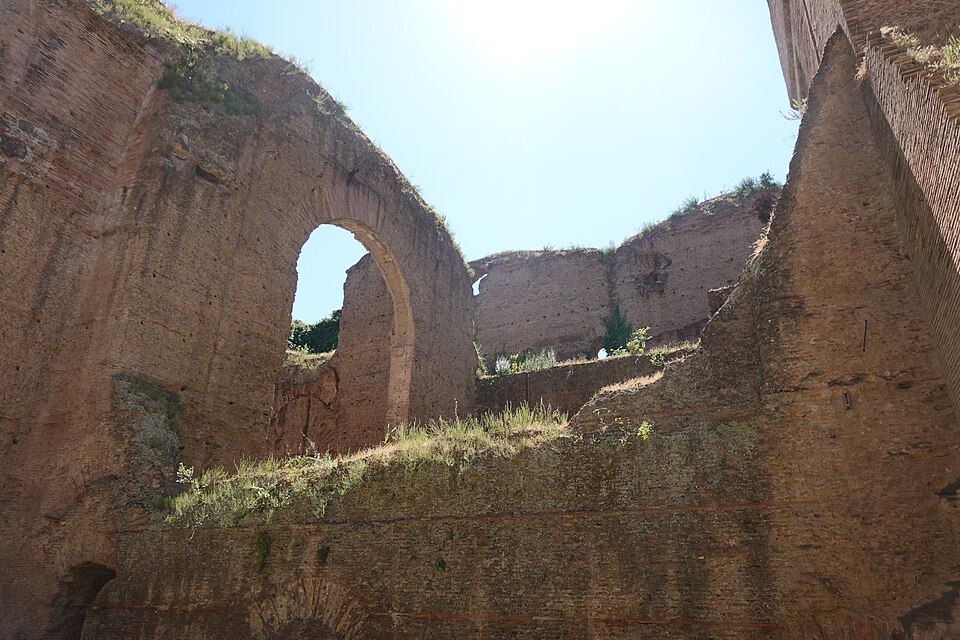
Operator-confirmed hours are Not recorded pending review. Visitors should consult official sources before planning attendance. The open-air character makes the site substantially exposed to midday summer sun with limited shade provision. Early morning or late afternoon visits may offer more favorable light and temperature conditions during warmer months. Winter visits present different atmospheric conditions with reduced vegetation. The site's considerable scale benefits from adequate natural light for appreciating spatial relationships. Evening opening periods, when available, create distinctive lighting conditions against the ancient masonry.
Checked 2026-08-26
Operator-confirmed prices are Not recorded pending review. Visitors should verify current admission requirements through official channels prior to arrival. The site participates in combined ticketing arrangements with other Roman archaeological attractions, though specific package availability requires confirmation. Reduced or complimentary entry categories may apply to certain visitor groups under Italian cultural heritage regulations. Valid identification supporting any claimed concession status should be carried. Online reservation systems may operate during peak demand periods. Payment methods accepted at the entrance should be confirmed in advance of visiting.
Checked 2026-08-26
The Baths of Caracalla occupy a location south of Rome's historic center, accessible via public transportation networks. The site lies within reasonable walking distance of Circo Massimo metro station on Line B. Multiple bus routes serve the surrounding area. The approach involves urban streets without dedicated pedestrian pathways in all sections. Cyclists should note traffic conditions on surrounding roads. Private vehicle access presents parking limitations typical of central Rome. The site connects with the Appian Way regional park area for visitors combining multiple southern Rome destinations in a single itinerary.
Checked 2026-08-26
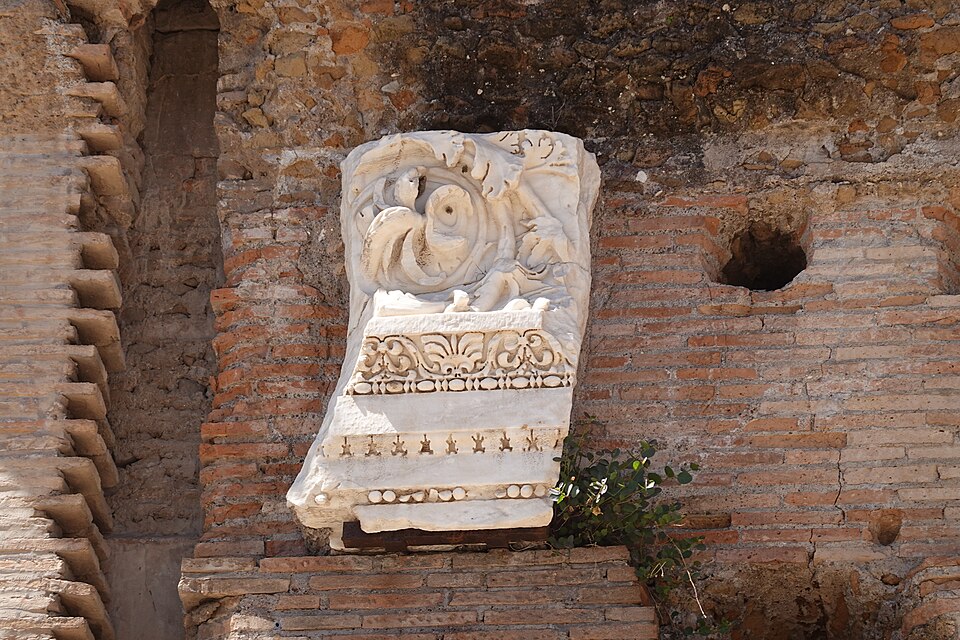
The ancient surfaces present trip hazards including uneven paving, gaps between surviving elements, and areas of loose material. No handrails protect all elevated positions or edges. Weather conditions create slippery surfaces following precipitation. Limited shelter exposes visitors to sun exposure or rain without retreat. The site lacks extensive modern amenities; water, refreshments, and facilities should be planned for accordingly. Children require close supervision near unprotected drops and ancient structural openings. Emergency services access follows standard urban response patterns. Visitors with mobility limitations should assess terrain challenges against individual capabilities before committing to full exploration.
Checked 2026-08-26
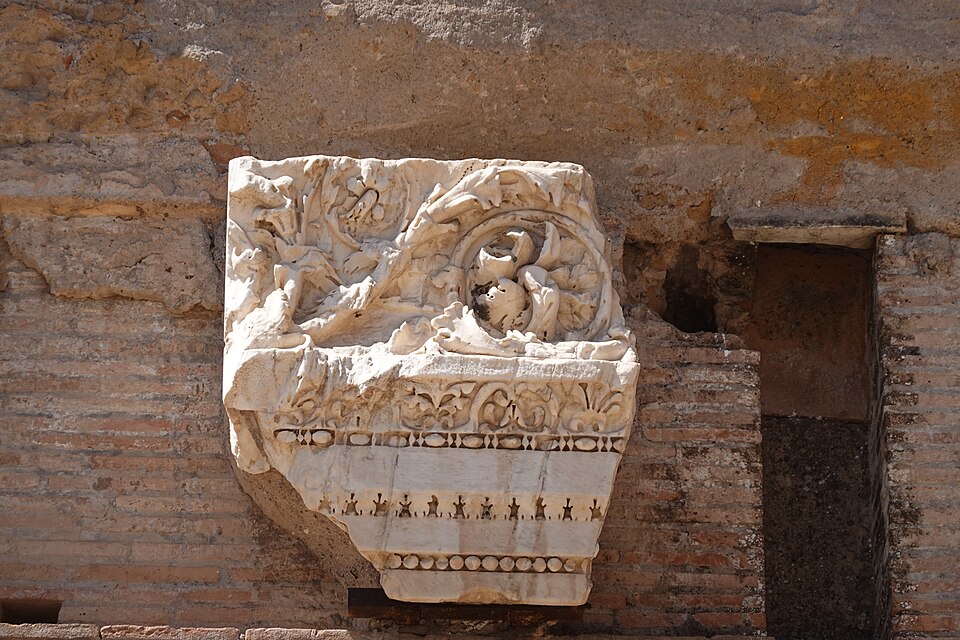
The extensive ruins offer substantial photographic subject matter emphasizing architectural mass, textural masonry surfaces, and spatial depth. Morning and evening light produces pronounced shadow definition across the structural remains. Tripod use may require specific permission and should be verified with site management. Commercial or professional photography arrangements fall outside standard visitor provisions. The open setting permits wide-angle compositions capturing the complex's scale. Seasonal vegetation changes affect foreground and framing possibilities. Overcast conditions reduce harsh contrast but may flatten the dramatic three-dimensional qualities of the surviving walls and vault fragments that characterize this archaeological landscape.
Checked 2026-08-26
No. The Baths of Caracalla survive as substantial ruins without original roofing. Visitors experience open-air archaeological remains.
Specific underground access depends on current site management policies and any temporary exhibition arrangements. Visitors should verify available routes at entry.
The ancient terrain presents significant challenges. Visitors with mobility requirements should contact the site directly regarding current accessibility provisions and recommended routes.
Guided tour availability varies. Visitors should consult official sources regarding scheduled tours, audio guide options, or independent exploration policies currently in operation.
The Baths of Caracalla have historically served as a venue for opera performances and cultural events during summer months. Current programming should be verified through official channels.
The Baths of Caracalla represent one of the largest imperial thermae complexes, comparable in scale and ambition to the later Baths of Diocletian. Together they demonstrate the evolution of Roman public bathing architecture.
Loading the interactive map…
The interactive map could not be loaded.
Last updated:
Source: OpenStreetMap contributors, Wikidata ·