
.jpg)
.jpg)
.jpg)
.JPG)
.JPG)
3 min walk
Capitoline Museums
- Must see · Heritage site
- Museum
Language · 1 published
Historic monument · Rome
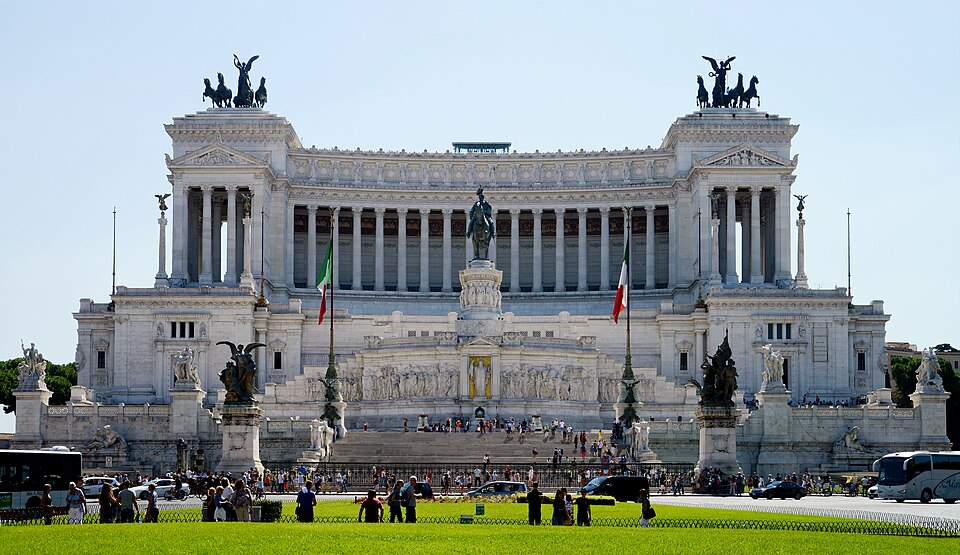
The Altare della Patria, formally known as the Monumento Nazionale a Vittorio Emanuele II, is a prominent national monument in central Rome. Constructed in honour of Victor Emmanuel II, the first king of unified Italy, this large white marble edifice dominates the Piazza Venezia. Its distinctive neoclassical design with grand staircases, columns, and statues makes it one of Rome's most visually striking and controversial landmarks, often nicknamed by locals due to its bold appearance. Altare della Patria also earns time in a rome itinerary because Exact unique production name match within the declared city scope. Its value becomes clearer when the stop is compared with the surrounding streets and the other ranked places nearby.
Checked 2026-08-26
The monument complex contains several features open to visitors. The central element is the Tomb of the Unknown Soldier with its eternal flame, guarded by sentinels. A museum dedicated to Italian unification occupies interior spaces. Visitors may access terraces offering elevated views across Rome's historic centre. The architectural scale throughout is imposing, with extensive use of Botticino marble. The structure also functions as a ceremonial site for state occasions and commemorations of national significance. A flexible visit lets travellers connect Altare della Patria with the rest of the day without treating one room, viewpoint or photograph as the whole experience. The useful pace depends on personal interest and conditions on arrival.
Checked 2026-08-26
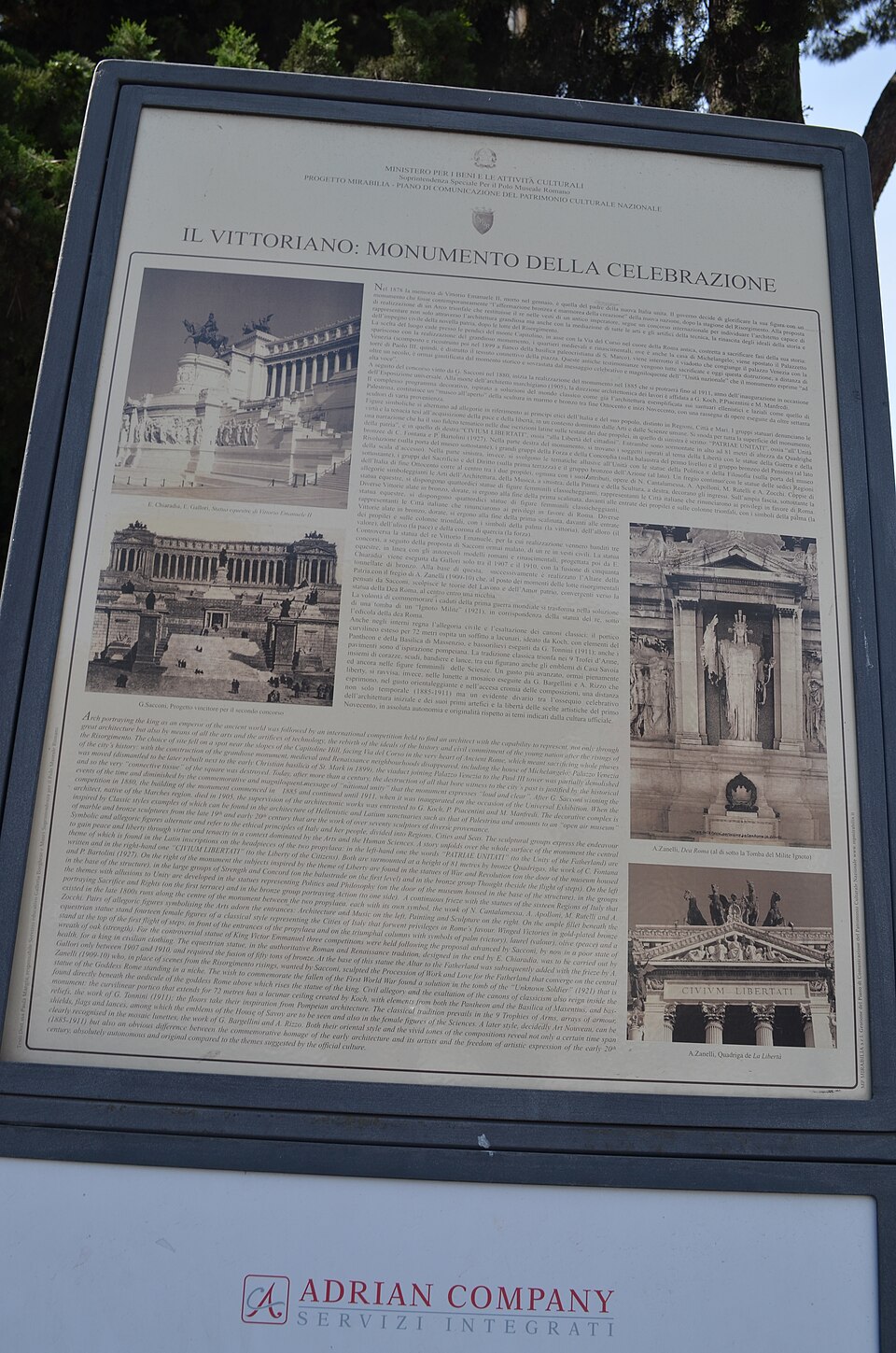
A thorough visit to the Altare della Patria typically requires between sixty and ninety minutes. This duration allows time to ascend the monument's steps, observe the Tomb of the Unknown Soldier, explore the museum spaces at a measured pace, and experience the terrace viewpoints. Visitors with strong interest in nineteenth-century Italian history or monumental architecture may wish to extend their stay. The central location permits easy combination with adjacent Piazza Venezia and nearby historic streets.
Checked 2026-08-26
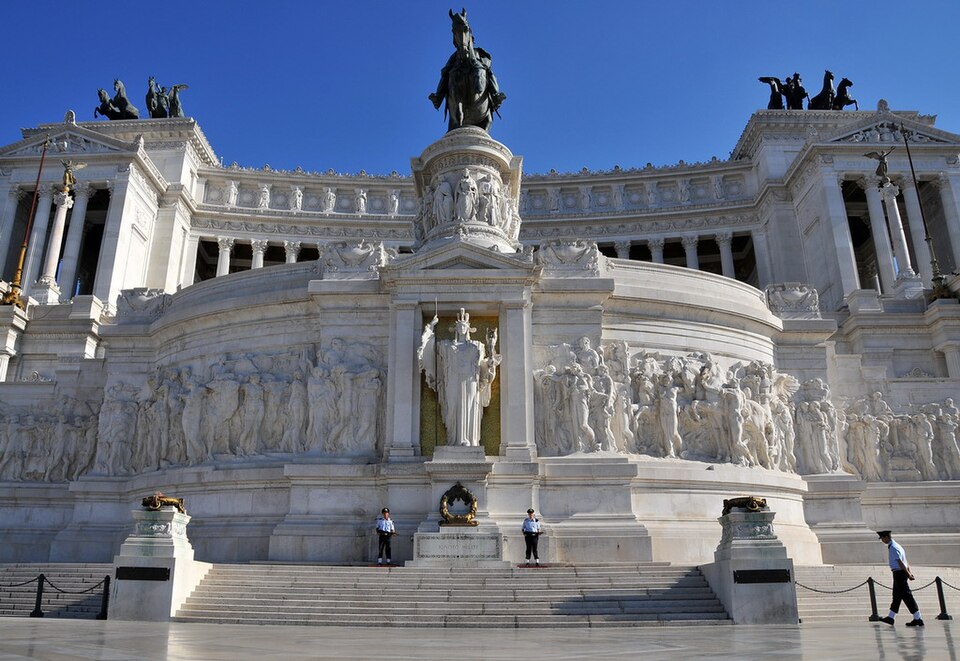
Operator-confirmed hours are Not recorded pending review. Visitors should consult official sources before planning their visit. The monument's exterior remains visible at all hours from the surrounding piazza, though interior access including terraces and museum spaces requires operational opening times. Evening illumination creates a dramatic effect against the white marble. Rome's peak tourist seasons of spring and autumn bring larger crowds to this central location. Summer midday heat on the exposed marble surfaces can be intense.
Checked 2026-08-26
Operator-confirmed prices are Not recorded pending review. The monument has historically offered certain areas including the main terrace at no charge while other sections may require separate admission. Visitors should verify current arrangements through official channels prior to arrival. Any paid components would typically accept standard payment methods. The complex's mixed accessibility model reflects its dual function as both active memorial and visitor destination, with policies subject to administrative decisions beyond this guide's verification scope.
Checked 2026-08-26
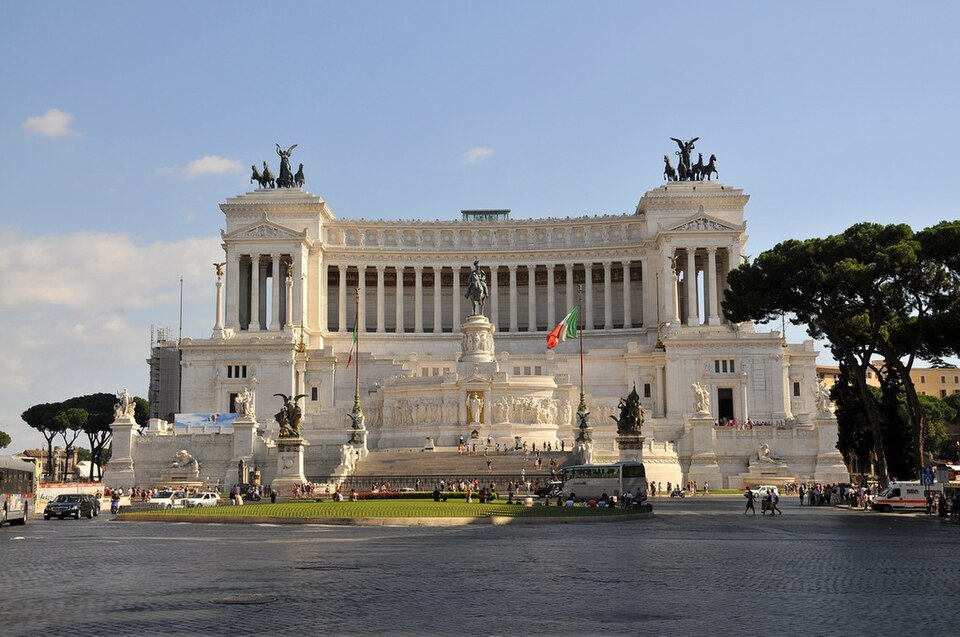
The Altare della Patria occupies a highly accessible position at Piazza Venezia, a major transport nexus in Rome's historic core. Multiple bus routes converge at this square. The nearest metro station is Colosseo on Line B, requiring a walk of approximately ten to fifteen minutes through the Imperial Fora area. Many visitors arrive on foot while exploring the contiguous historic centre, as the monument sits between the Capitoline Hill, Roman Forum, and Via del Corso shopping street.
Checked 2026-08-26
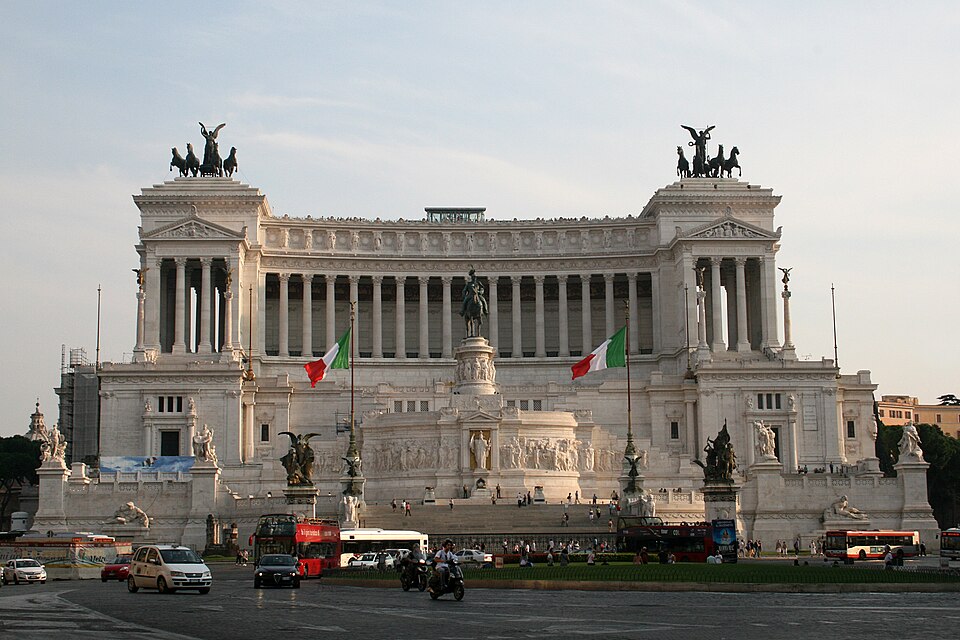
The monument's extensive marble surfaces become extremely slippery during rainfall, requiring careful footing on stairs and terraces. Summer visitors should carry water and sun protection due to minimal shade. The ceremonial guards at the Tomb of the Unknown Soldier deserve respectful conduct. Large crowds gather at this central junction, creating persistent risks of pickpocketing. Traffic around Piazza Venezia is dense and chaotic; crossing requires vigilance. Some interior spaces may present accessibility challenges for visitors with mobility limitations.
Checked 2026-08-26
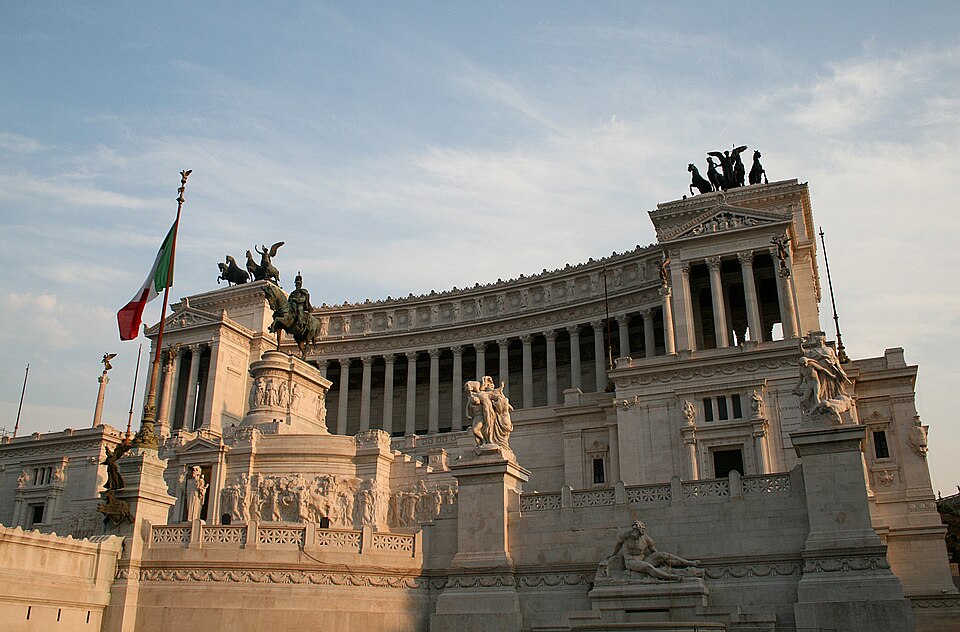
The monument's dramatic white marble and commanding position yield excellent photographic opportunities. The sweeping staircase and colonnades suit wide-angle compositions. Terrace access permits elevated shots across Rome's skyline toward the Forum and Colosseum. Early morning and late afternoon light enhance the stone's warmth and shadow detail. Night photography benefits from architectural illumination. Tripod use inside may face restrictions. The busy piazza setting requires patience to capture uncluttered views of the facade and sculptural elements. The strongest visit keeps attention on what is distinctive here while leaving room for the next stop. That approach makes Altare della Patria useful in both a focused first visit and a slower return to the city.
Checked 2026-08-26
Yes, these names refer to the same monument. Altare della Patria emphasises its altar function and Tomb of the Unknown Soldier, while Vittoriano derives from Victor Emmanuel II.
Historical arrangements have included free access to certain areas, though operator-confirmed current policies are Not recorded pending review. Visitors should verify before attending.
The Altare della Patria dates from the late nineteenth and early twentieth centuries, making it substantially more recent than adjacent ancient ruins, with deliberate neoclassical styling rather than authentic antiquity.
The structure's massive scale and dominant visual presence in a historic setting have generated debate since construction, with various informal nicknames reflecting mixed public sentiment over decades.
No specific dress code is recorded, though respectful attire is appropriate given the Tomb of the Unknown Soldier and ceremonial functions. Standard tourist clothing generally suffices.
Yes, the terrace elevations provide outlooks across central Rome including directions toward the Forum, though exact visibility depends on specific vantage points and atmospheric conditions.
Loading the interactive map…
The interactive map could not be loaded.
Last updated:
Source: OpenStreetMap contributors, Wikidata ·