_-_Cloister.jpg)
_-_Arena.jpg)


2 min walk
Milan amphitheatre
- Notable
- Historic monument
Language · 1 published
Museum · Milan
Antiquarium Alda Levi
| Monday | Closed |
|---|---|
| Tuesday | 10:00 – 15:00 |
| Wednesday | 10:00 – 15:00 |
| Thursday | 10:00 – 15:00 |
| Friday | 10:00 – 15:00 |
| Saturday | 10:00 – 15:00 |
| Sunday | Closed |
Parsed from OpenStreetMap opening hours on 2026-08-26.
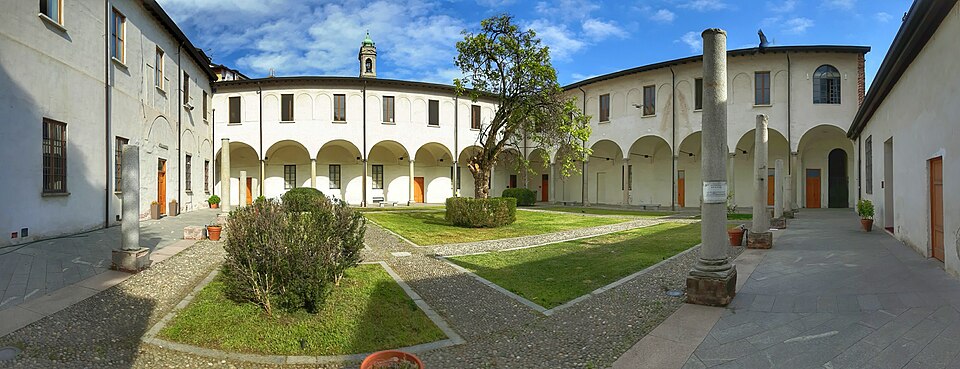
The Milan Antiquarium, locally named Antiquarium Alda Levi, is an archaeological museum in Milan. It preserves and displays ancient artifacts excavated from the city's long history. The institution honors Alda Levi, a noted Italian archaeologist and scholar. Situated within the urban fabric of Milan, it serves as a repository for understanding the region's classical past. The antiquarium connects visitors to the successive civilizations that occupied this strategic northern Italian location, from Roman foundations through later developments. Its establishment reflects Milan's commitment to safeguarding material heritage amid continuous urban transformation.
Checked 2026-08-26
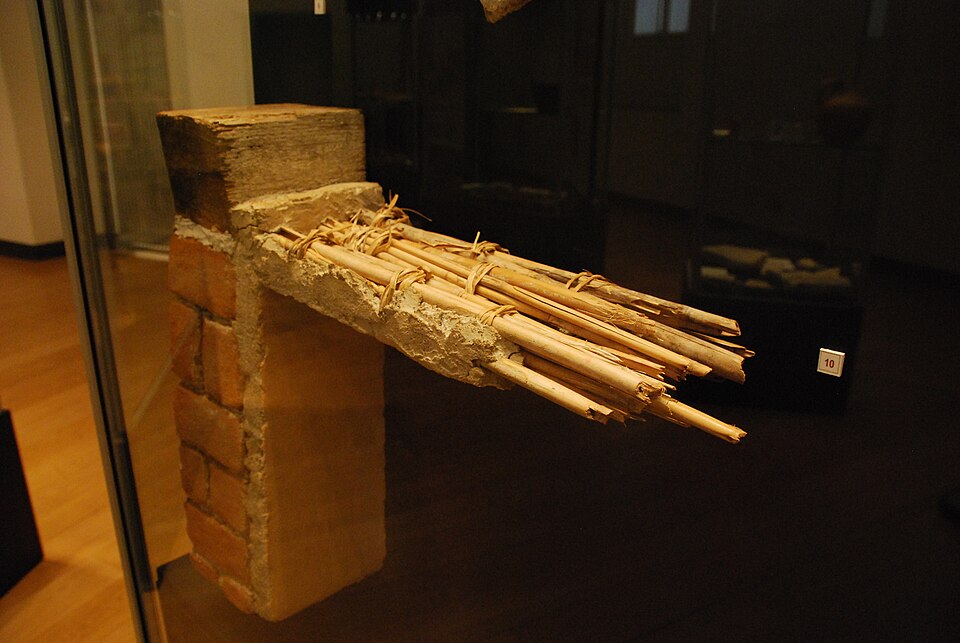
The collections comprise archaeological finds from Milan and surrounding territories. These include pottery, tools, architectural fragments, and other objects illuminating daily life, trade, and cultural practices of ancient inhabitants. Display arrangements typically follow chronological or thematic organization, though specific exhibition details are Not recorded. The artifacts span multiple phases of occupation, potentially encompassing Roman, late antique, and medieval materials. Interpretive materials may accompany objects to contextualize their significance. The exact inventory, prominent pieces, and any temporary exhibitions remain undocumented in available sources. Visitors should anticipate a focused archaeological presentation rather than comprehensive art historical survey.
Checked 2026-08-26
A complete visit duration depends on individual interest in archaeological materials and reading depth. Casual visitors might allocate approximately forty-five to sixty minutes for a general overview. Those with specialized knowledge or deliberate examination habits could extend considerably longer. The compact nature of many Italian municipal antiquaria suggests moderate spatial scale, though exact gallery dimensions are Not recorded. No guided tour durations or recommended pacing information appears in supplied sources. Visitors should build flexible itineraries, particularly if combining with nearby attractions in central Milan. Self-directed exploration predominates in such institutions.
Checked 2026-08-26
Operator-confirmed hours are Not recorded pending review. The antiquarium likely maintains standard Italian municipal museum schedules, though no seasonal variations, holiday closures, or special opening periods are documented. Visitors must verify current accessibility before travel, as archaeological repositories sometimes operate restricted hours or require advance appointment. Milan's climate permits year-round urban exploration; interior spaces provide shelter during adverse weather. Morning visits to Italian museums often encounter fewer visitors. No last-entry times, monthly closures, or extended evening schedules appear in available sources. Direct confirmation with institutional operators remains essential.
Checked 2026-08-26
Operator-confirmed prices are Not recorded pending review. Italian municipal museums frequently employ tiered admission structures distinguishing residents, non-residents, students, seniors, and other categories, though no specific fee schedule is documented. Free admission days, common in Italian state museums, may or may not apply to this institution. Combined ticketing with other Milan archaeological sites is possible but unverified. No advance booking requirements, online purchase options, or membership programs appear in supplied sources. Payment methods accepted remain unknown. Visitors should prepare for variable admission policies and carry identification for potential concession verification.
Checked 2026-08-26
The antiquarium occupies a location within Milan's established urban network. Public transit accessibility is probable given Milan's extensive metro, tram, and bus infrastructure serving central districts. Exact street address, nearest transit stops, and pedestrian routing from major landmarks are Not recorded. The city's navigable scale permits walking connections between numerous cultural sites. Cycling infrastructure exists in portions of Milan. Private vehicle access encounters restricted traffic zones typical of Italian historic centers. No designated parking, bicycle facilities, or accessibility accommodations for visitors with mobility limitations are documented in available sources.
Checked 2026-08-26
Visitors should verify operational status before departure, as smaller Italian museums occasionally undergo unannounced closures for maintenance, staffing, or administrative reasons. Language barriers may affect interpretive engagement; English provision is not guaranteed throughout. Crowding patterns are undocumented. Security protocols typical of Italian museums—bag inspection, prohibited items—likely apply. Climate control conditions for artifact preservation may create temperature variations. No specific hazards, accessibility limitations, or neighborhood safety concerns appear in supplied sources. Visitors should exercise standard urban awareness appropriate to central Milan. Restroom availability, refreshment options, and seating within the institution are Not recorded.
Checked 2026-08-26
Photography policies for the Antiquarium Alda Levi are Not recorded. Italian museums commonly restrict flash photography to protect light-sensitive materials, with outright bans on professional equipment or tripods. Mobile photography for personal use often receives tolerance. Video recording, selfie sticks, and commercial image capture typically face prohibition or require special authorization. No explicit guidance on social media sharing, reproduction rights, or designated photo opportunities appears in available sources. Visitors should observe posted regulations and staff instructions upon entry. When uncertain, discreet inquiry at reception represents prudent practice before capturing images of archaeological collections.
Checked 2026-08-26
The institution presents archaeological materials that may engage children with prior interest in ancient history. Interactive elements or dedicated family programming are Not recorded. Attention spans for static displays vary considerably by age.
Guided tour provision in multiple languages is Not recorded. Many Italian municipal museums operate primarily for self-directed visitation. Group arrangements may require advance coordination directly with the institution.
Ancillary commercial facilities including gift shops, bookstores, or cafés are Not recorded. Visitors should not assume amenity provision typical of larger national museums.
Physical accessibility features including step-free entry, elevator access, or adapted restrooms are Not recorded. Historic building constraints may limit mobility accommodation. Direct inquiry advisable before visit.
Audio guide availability in any language is Not recorded. Interpretive reliance likely falls to wall texts and printed materials, with English provision unverified.
The antiquarium specializes in archaeological finds rather than the artistic collections of Pinacoteca di Brera or the comprehensive narrative of Castello Sforzesco museums. Complementary rather than redundant visitation is probable.
Loading the interactive map…
The interactive map could not be loaded.
Last updated:
Source: OpenStreetMap contributors, Wikidata ·