Luogo naturale · Kyoto
Sai-ji
唐橋西寺公園
Fotografia


- Oggi
- Orari non registrati
- Durata della visita
- 1 ora
- Accessibilità
- Non registrato
- Prezzo
- Non registrato
- Posizione
- Alto · Sito del patrimonio
- Rango
- Classifica 72 di 10,060
Informazioni su Sai-ji
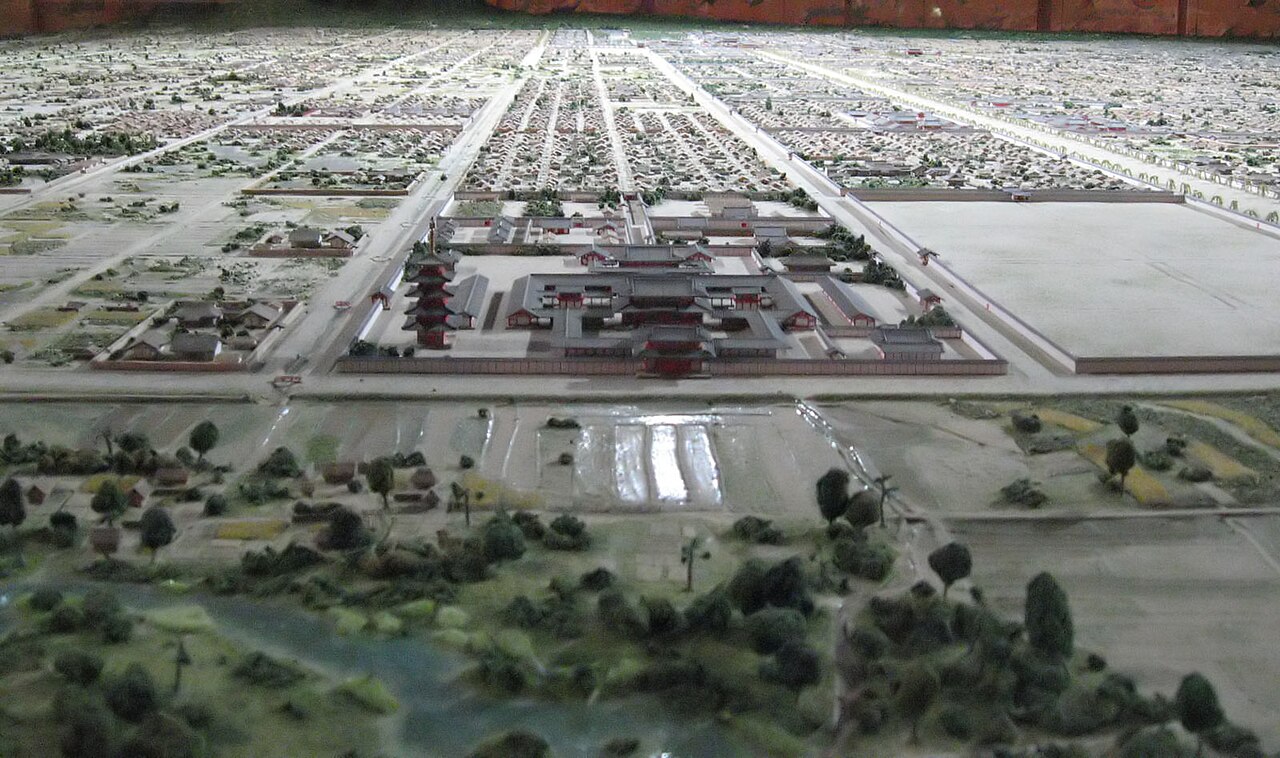
Sai-ji, known locally as Karahashi Sai-ji Park, was a major Buddhist temple in historical Kyoto. The original Sai-ji was established in the eighth century and paired with To-ji as the two guardian temples of the capital. The site now exists as a public park preserving the temple's legacy. The OpenStreetMap way indicates the location near Karahashi intersection in Kyoto's Minami Ward. Historical significance derives from its Heian-period prominence and subsequent decline through fire and political change. A flexible visit keeps attention on what is distinctive at Sai-ji without treating one room, viewpoint or photograph as the whole experience. Conditions on arrival should decide the final pace.
Controllato 2026-08-28
Cosa c'è dentro
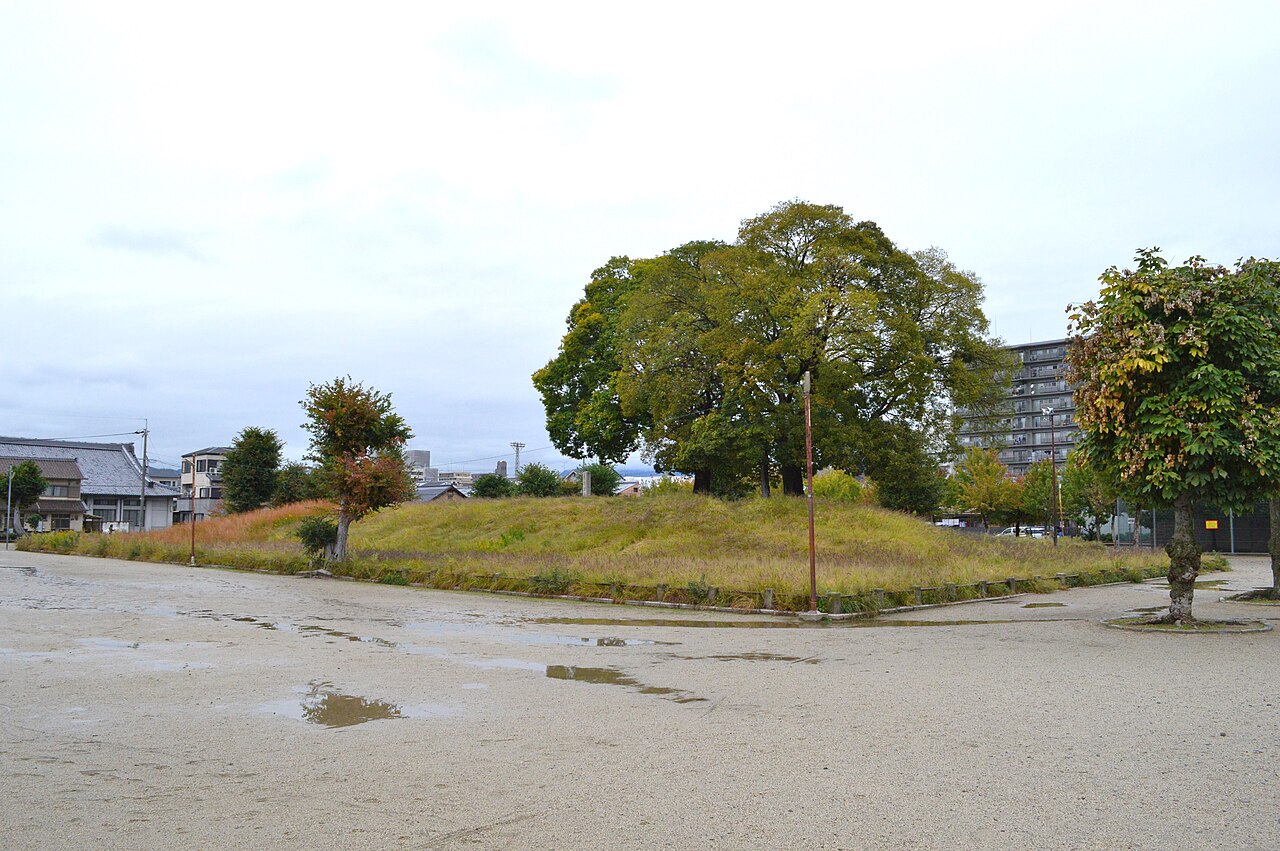
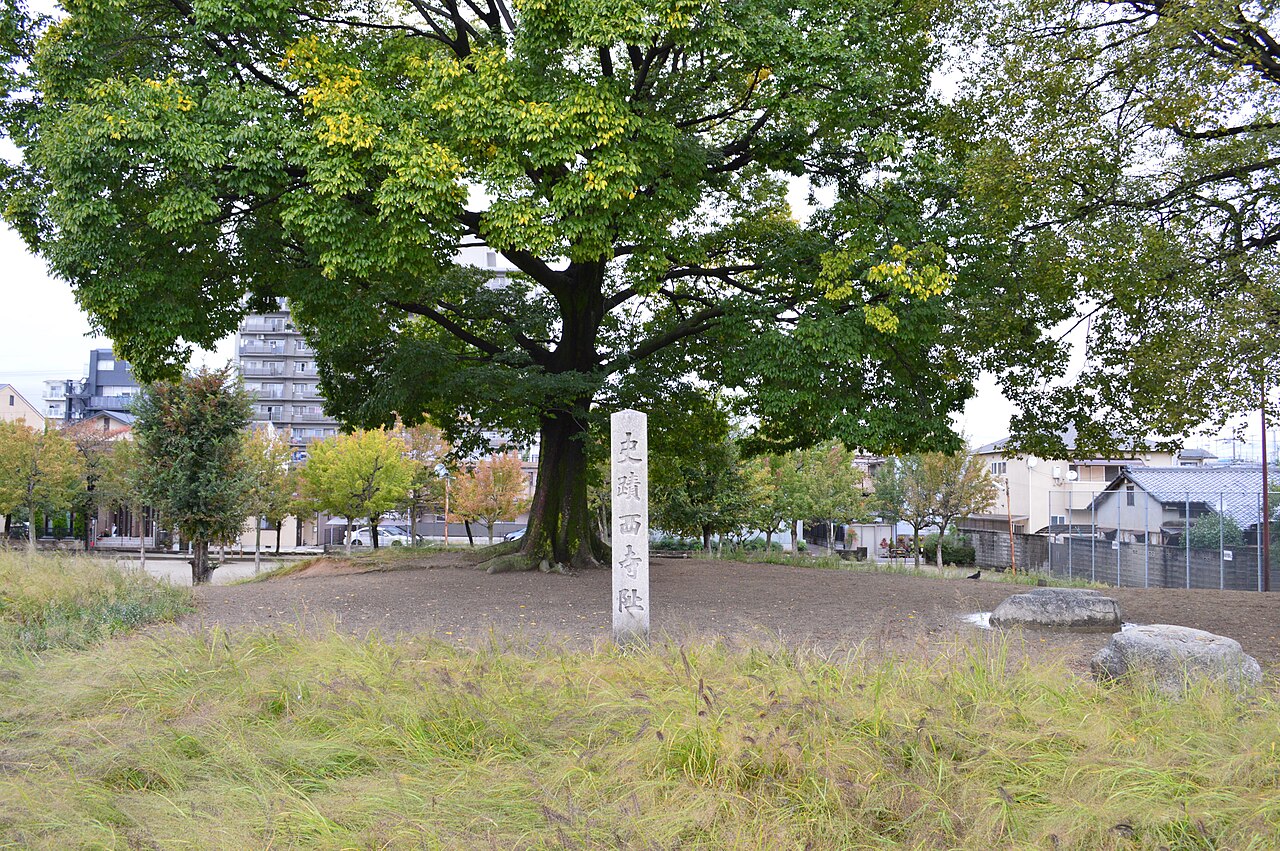
The park contains memorial markers and landscaped grounds commemorating the former temple complex. No original buildings survive from Sai-ji's founding era. Visitors will find open space with explanatory signage about the temple's historical importance. The Karahashi bridge element in the local name references nearby infrastructure. The Wikidata entry classifies this as a former Buddhist temple site. Specific archaeological remnants or reconstructed elements are not recorded in available sources. The park serves primarily as a quiet urban green space with historical interpretation.
Controllato 2026-08-28


Quanto tempo dedicare
A visit to Sai-ji Park typically requires thirty to sixty minutes for adequate exploration of the grounds and reading of historical markers. The compact nature of urban temple-site parks in Kyoto suggests limited physical extent. Visitors combining this with nearby attractions should allocate minimal dedicated time. The absence of extensive built structures reduces necessary duration. Those with strong interest in Kyoto's temple history may extend stays for contemplation. General tourism patterns indicate brief stops at such memorialized historical locations.
Controllato 2026-08-28
Stagione e folla
Seasonal considerations for Sai-ji Park follow standard Kyoto patterns, with spring and autumn offering favorable weather for outdoor historical site visits. Summer humidity and winter chill affect comfort. The park likely presents different atmospheric qualities across seasons. Operator-confirmed hours are Not recorded pending review. Visitors should verify current accessibility before traveling, as municipal park hours vary and may change without widespread notification. Early morning or late afternoon visits typically provide preferable lighting and reduced crowding at secondary historical sites in Kyoto.
Controllato 2026-08-28

Biglietti
Sai-ji Park appears to operate as free public space given its municipal park designation and status as a ruined temple site rather than active religious institution. No admission mechanism is indicated in available sources. Operator-confirmed prices are Not recorded pending review. Visitors should carry minimal cash for incidental purposes. The absence of temple buildings suggests no standard religious-site donation practices apply. Nearby attractions may have separate fee structures requiring independent verification before combined itinerary planning. Sai-ji also earns time in a kyoto itinerary because its setting and role differ from the surrounding ranked stops. Compare the place with the nearby streets before deciding how it fits the day.
Controllato 2026-08-28

Come arrivare
Sai-ji Park occupies a position near Karahashi in Kyoto's Minami Ward, accessible via Kyoto's public transportation network. The Karahashi area connects to multiple bus routes serving southern Kyoto. Rail access requires walking from nearby stations on the Hankyu or Kintetsu lines. The OpenStreetMap way location suggests proximity to major road intersections. Cycling represents a viable option given Kyoto's bicycle-friendly infrastructure. Signage in Japanese assists navigation. Visitors should prepare specific directions in advance as this secondary site lacks prominent tourist-way marking compared to major temples.
Controllato 2026-08-28
A cosa prestare attenzione
Visitors should exercise standard urban park caution regarding traffic at nearby intersections, particularly the Karahashi crossing. The site's secondary status means limited English-language information on-site. Weather exposure is complete due to open park design. No staff presence is indicated for assistance. Historical marker text may be Japanese-only. The park's modest profile attracts minimal visitor services nearby. Photographic subjects are restricted to landscape and memorial elements. Respectful conduct is appropriate given the religious historical significance, even in deconsecrated space. The useful approach is to connect Sai-ji with the rest of the area while leaving enough time for the next stop. This works for both a focused first visit and a slower return.
Controllato 2026-08-28

Fotografia
Photography at Sai-ji Park faces no indicated restrictions as public municipal space. Subjects include historical markers, landscaped grounds, and seasonal vegetation. The absence of original architecture limits architectural photography opportunities. The Karahashi bridge vicinity offers potential contextual shots. Lighting conditions favor morning and late afternoon given open exposure. Tripod use may attract attention in public space. No commercial photography permits are referenced in available sources. Visitors should remain unobtrusive to local park users. Weather protection for equipment is advisable during variable seasons.
Controllato 2026-08-28
Domande comuni
Are any original temple buildings still standing at Sai-ji?
No original buildings from Sai-ji's founding survive. The site exists as a commemorative park with historical markers.
Is there an admission fee to enter Sai-ji Park?
The park appears to be free public space, though operator-confirmed prices are Not recorded pending review.
How do I reach Sai-ji Park using public transportation?
The park is accessible via bus routes serving the Karahashi area and by walking from nearby Hankyu or Kintetsu stations.
What languages are used on the historical markers?
Available sources do not specify language options. Visitors should expect primarily Japanese signage.
Can I take photographs throughout Sai-ji Park?
Photography appears unrestricted in this public park, with subjects limited to markers, grounds, and vegetation.
What are the official opening hours for Sai-ji Park?
Operator-confirmed hours are Not recorded pending review. Visitors should verify current accessibility before traveling.
Dov'è
Caricamento della mappa interattiva…
Impossibile caricare la mappa interattiva.
Nelle vicinanze
Inseriscilo in un piano
Collegamenti esterni
Ultimo aggiornamento:
Fonte: Contributori di OpenStreetMap, Wikidata ·