Smart Self-Managed Tours

City guide · Ireland

Dublin

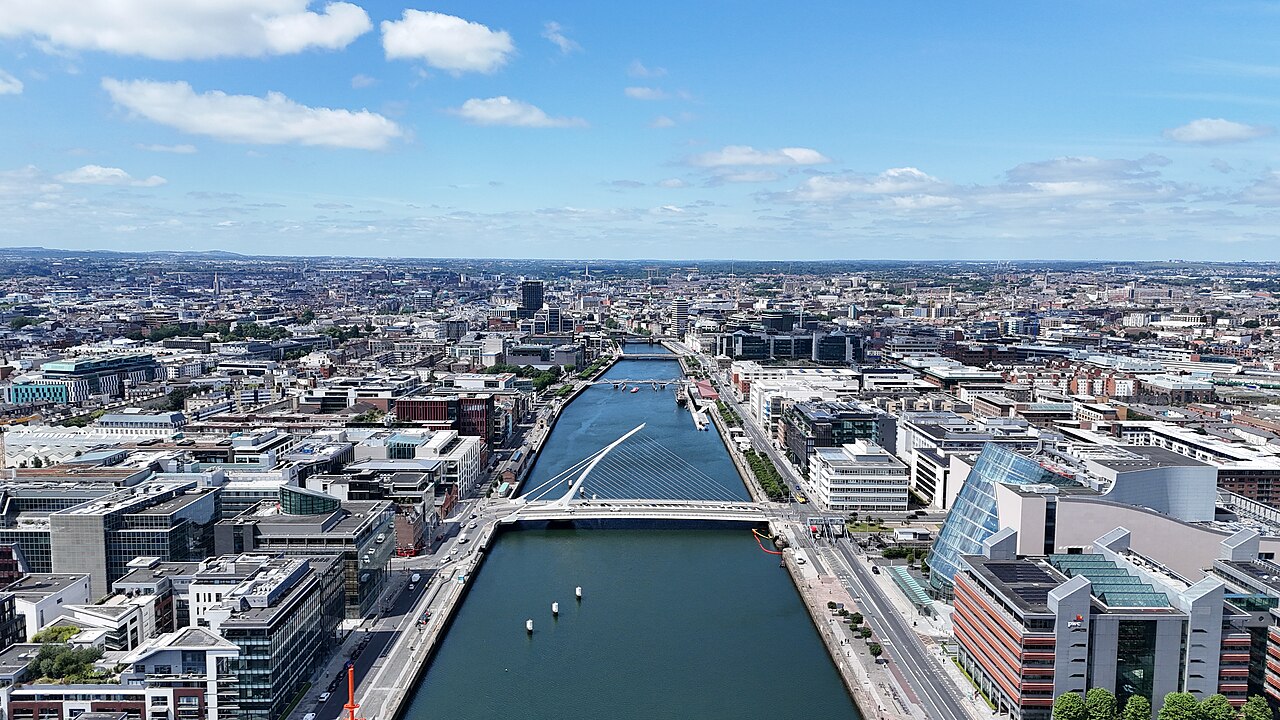
A photograph of Dublin
Photograph · 瑞丽江的河水 · CC BY-SA 4.0

Dublin is a compact capital divided by the River Liffey, with most central sights within a practical walking area. The medieval and Georgian cores sit south of the river, while O’Connell Street and several cultural districts lie north. DART rail opens the coast in both directions, and Luas trams and buses cover trips beyond the centre. Keep the central day on foot and use rail for a dedicated coastal outing.

Practical information

Language spoken
Irish and English
National practical orientation; regional and minority languages may also be used
Dialling code
+353
International calling code; local area and mobile prefixes still apply
Currency
Euro (EUR)
Use the official local currency; card acceptance varies by place
Emergency number
112 or 999
Use only for an emergency; tourist assistance may use a separate number
Plug type
Type G · 230 V
Check that chargers support the recorded voltage before using an adapter
Tap water
Safe from the mains
Public supplies are monitored; follow any local boil-water notice

Planning a visit

Suggested stay
2-3 days
Getting around
Walking, bus, Luas tram and DART rail
  1. January: no seasonality data recorded
  2. February: no seasonality data recorded
  3. March: no seasonality data recorded
  4. April: no seasonality data recorded
  5. May: no seasonality data recorded
  6. June: no seasonality data recorded
  7. July: no seasonality data recorded
  8. August: no seasonality data recorded — this month
  9. September: no seasonality data recorded
  10. October: no seasonality data recorded
  11. November: no seasonality data recorded
  12. December: no seasonality data recorded

Top things to see

Ranked by importance — sitelinks, pageviews and heritage status, not editor preference.

  1. Dublinia
    06 1 hr 30 min

    Dublinia

    • Must see
    • Museum
  2. Asgard
    20 1 hr 30 min

    Asgard

    • Notable
    • Museum

Source: OpenStreetMap contributors, Wikidata ·

How the city is laid out

The River Liffey is Dublin’s clearest organising line. South of it, Trinity College, Temple Bar, Dublin Castle, the cathedrals and the Georgian squares form overlapping walking zones. North of it, O’Connell Street, the Custom House and the Docklands lead toward the coast. Phoenix Park lies west of the centre and needs its own transport connection. DART stations extend the visitor map to coastal places such as Howth and Dún Laoghaire without turning them into central stops.

Checked 2026-08-26

Getting around

Walk through the central core, then use Dublin Bus, Luas, DART and commuter rail for longer journeys. Transport for Ireland presents these as the main visitor network and provides a combined journey planner. A Leap product can simplify payment across supported services, but route choice still matters because the two Luas lines, coastal DART and city buses serve different corridors. Give coastal destinations a separate half-day rather than combining opposite ends of the DART line.

Checked 2026-08-26

Common questions

How many days does Dublin need?

Two to three days cover the principal central sights at a comfortable pace. Add the third day for a DART trip along the coast, Phoenix Park or a less compressed museum route.

When is the best time to visit Dublin?

May through September offers longer daylight for walking and coastal trips. Dublin can be wet in any season, so a flexible indoor alternative matters more than choosing a supposedly rain-free month.

Is Dublin easy to explore on foot?

Yes. Most central sights on both sides of the Liffey fit into connected walking routes. Use public transport for Phoenix Park, farther neighbourhoods and coastal destinations rather than stretching one central itinerary.

Which public transport serves visitors in Dublin?

Dublin Bus, Luas trams, DART and commuter rail form the main network. Transport for Ireland provides visitor guidance and a journey planner covering these services.

Should a coastal trip be combined with central Dublin?

Treat the coast as a separate half-day or day. DART makes places north and south of the city accessible, but combining opposite coastal branches with a full central route creates unnecessary backtracking.

Turn this list into a plan

Set your days, your pace and the hours you actually want to be out. The planner works around closing days and travel time, and leaves room to eat.

Plan Dublin