Guide de ville · United States
Washington
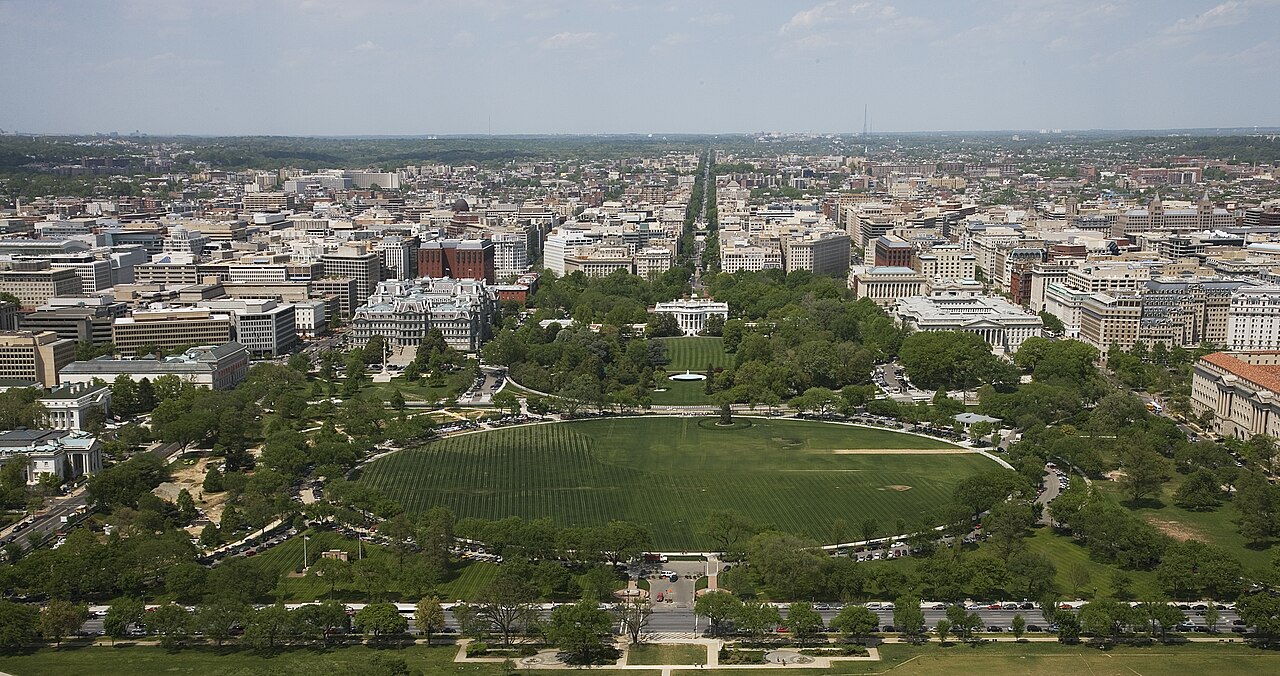

Washington is organised around the National Mall, but the city is much more than its monumental core. The Mall links the Capitol, Smithsonian museums and western memorials; Downtown and Penn Quarter sit north, Capitol Hill and Navy Yard lie east and southeast, and Dupont Circle, Georgetown, Shaw and The Wharf form separate neighbourhood destinations. Plan the Mall on foot and use Metro for movement between neighbourhood clusters.
Informations pratiques
Informations pratiques
- Langue parlée
- L'anglais est la langue principale ; aucune langue officielle au niveau fédéral
- Orientation pratique nationale ; des langues régionales et minoritaires peuvent également être utilisées
- Indicatif téléphonique
- +1
- Indicatif d'appel international ; les indicatifs régionaux et les préfixes mobiles restent applicables
- Devise
- Dollar des États-Unis (USD)
- Utilisez la monnaie locale officielle ; l'acceptation des cartes varie selon les lieux
- Numéro d'urgence
- 911
- À utiliser uniquement en cas d'urgence ; l'assistance touristique peut utiliser un numéro distinct
- Type de prise
- Type A et B · 120 V
- Vérifiez que les chargeurs supportent la tension enregistrée avant d'utiliser un adaptateur
- Eau du robinet
- Non enregistré
- La qualité de l'eau est réglementée localement ; consultez l'avis actuel pour la destination
Transformez cette liste en plan
Définissez vos jours, votre rythme et les heures auxquelles vous souhaitez réellement sortir. Le planificateur tient compte des jours de fermeture et du temps de trajet, et laisse du temps pour manger.
Planifier une visite
- Durée de séjour suggérée
- Not recorded
- Se déplacer
- Walk, Metrorail and Metrobus
- Meilleure période
- Bonne période
- Possible avec des compromis
- Conditions difficiles
Les incontournables
Classé par ordre d’importance — liens du site, pages vues et statut patrimonial, pas par préférence éditoriale.
Filtrer la liste
0 lieu correspond
0 lieu correspond
Catégorie
Durée typique de la visite
Aucun lieu à Washington ne correspond à tous ces filtres
La liste est construite à partir de données réelles sur les lieux, donc un résultat vide signifie que la combinaison n'a véritablement aucune correspondance — pas que la page a échoué. Assouplissez un filtre et le classement réapparaîtra.
Source: Contributeurs OpenStreetMap, Wikidata ·
Comment la ville est organisée
The National Mall is the main east-west axis, with the Capitol at its eastern end and the Lincoln Memorial toward the Potomac. Downtown and Penn Quarter are north of the Mall; Capitol Hill continues east; The Wharf and Navy Yard occupy separate waterfronts to the south. Dupont Circle and Adams Morgan are northwest, while Georgetown sits west without a Metrorail station. Distances across the Mall are longer than they appear on a diagram.
Vérifié le 2026-08-26
Se déplacer
Walk within the National Mall and use Metrorail for longer connections between central districts. Metrobus fills gaps, particularly where rail does not reach directly, and Capital Bikeshare provides another option for waterfronts and broad avenues. Most visitors do not need a car because parking and traffic complicate central trips. Use WMATA's current trip planner and service notices for station access, closures and transfers.
Vérifié le 2026-08-26
Questions courantes
How many days should I spend in Washington, DC?
A fixed stay length is not recorded. Plan the National Mall and its museums first, then add Capitol Hill, Georgetown or another neighbourhood according to your priorities.
Can I walk the entire National Mall?
Yes, but it is longer than it looks on a map. Divide the Capitol and museum end from the western memorials if you want time inside institutions.
Do I need a car in Washington?
Most visitors do not. Walking, Metrorail and Metrobus cover the principal visitor districts, while a car adds traffic and parking constraints in the centre.
Does Metrorail go directly to Georgetown?
No. Georgetown has no Metrorail station, so reach it by bus, walking, cycling or a connection from a nearby rail station.
Which areas are easiest to combine?
Combine the Mall with Downtown or Penn Quarter, Capitol Hill with Navy Yard, and The Wharf with the southern waterfront. Use Metro between these clusters.