Museo · Budapest
Museum of Applied Arts
Iparművészeti Múzeum
Fotografía


Horario de apertura
| lunes | Cerrado |
|---|---|
| martes | 10:00 – 18:00 |
| miércoles | 10:00 – 18:00 |
| jueves | 10:00 – 18:00 |
| viernes | 10:00 – 18:00 |
| sábado | 10:00 – 18:00 |
| domingo | 10:00 – 18:00 |
Analizado del horario de apertura de OpenStreetMap el 2026-08-26.
- hoy
- Abierto hoy, 10:00 – 18:00
- Duración de la visita
- 1 h 30 min
- Accesibilidad
- No registrado
- Precio
- No registrado
- Posición
- Imprescindible · Sitio patrimonial
- Rango
- Rango 44 de 7,194
Acerca de Museum of Applied Arts
The Museum of Applied Arts, known locally as Iparművészeti Múzeum, is a museum institution in Budapest, Hungary. It occupies a distinctive building that represents an important example of Hungarian Secessionist architecture. The structure was designed by Ödön Lechner and Gyula Pártos, completed in 1896. The building features characteristic Zsolnay ceramic tilework on its exterior dome and facade elements. The museum functions as a repository and exhibition space for decorative arts and design objects spanning multiple centuries and geographic origins. Its collections include textiles, metalwork, furniture, and glassware. The institution serves both scholarly research and public education purposes within Hungary's museum landscape.
Comprobado 2026-08-28
¿Qué hay dentro?
The museum's collections encompass European and Hungarian decorative arts from medieval periods through modern eras. Holdings include ecclesiastical textiles, secular costumes, precious metalwork objects, and ceramic productions. The furniture collection traces stylistic developments across periods. Glass and crystal pieces represent manufacturing traditions from Bohemia and other European centers. Islamic art objects reflect historical trade and cultural exchange patterns. The museum also maintains collections of Art Nouveau and Art Deco design works. Temporary exhibitions rotate through dedicated gallery spaces. Specific current displays and loan arrangements are Not recorded pending review. Visitors should consult official channels for present exhibition content before planning visits.
Comprobado 2026-08-28

Cuánto tiempo dedicar
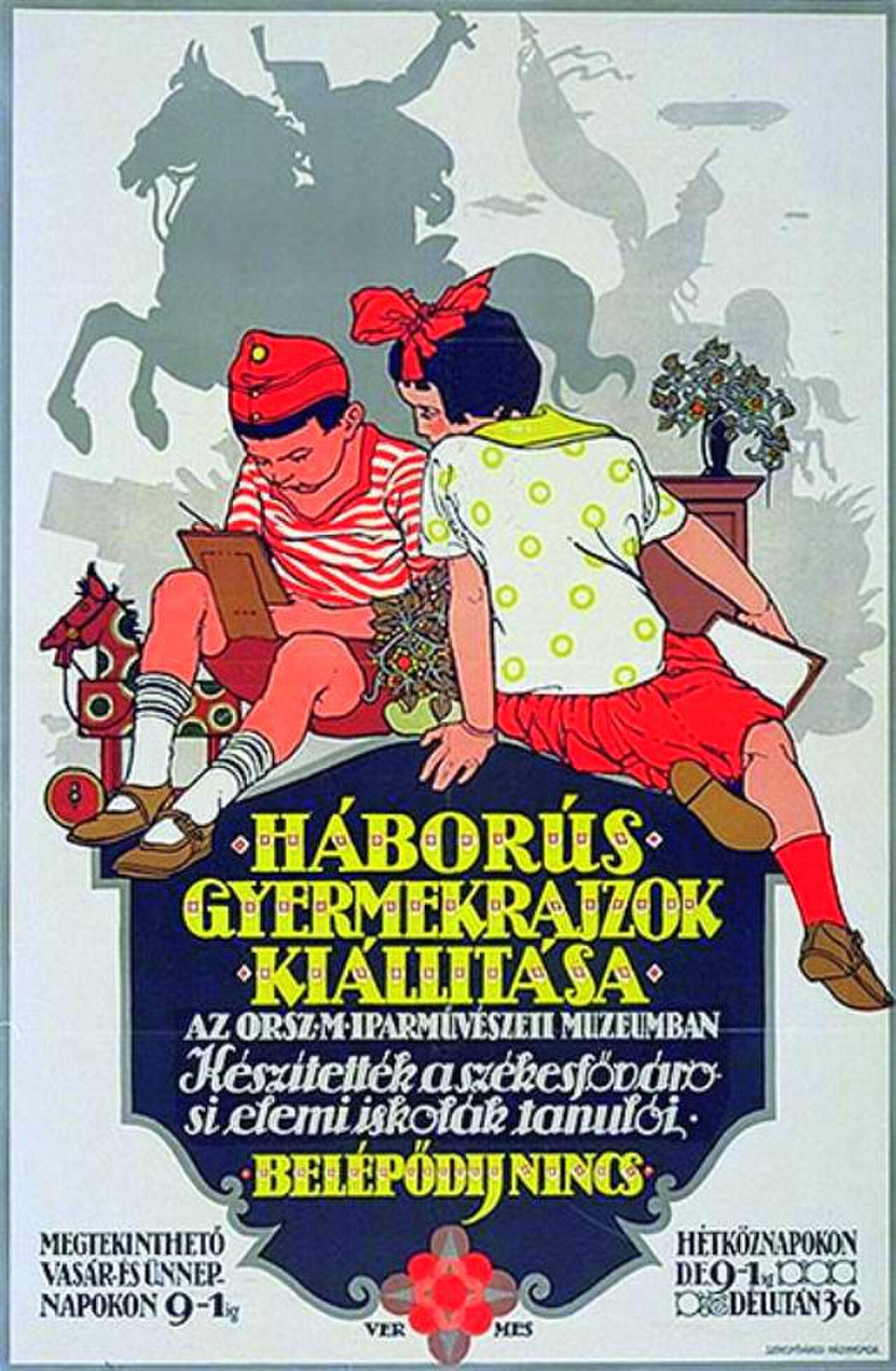
Visitor duration varies considerably based on individual interests and current exhibition programming. A thorough examination of permanent collection galleries typically requires between ninety minutes and two and a half hours. Those with focused interests in particular media such as textiles or metalwork may complete relevant sections more quickly. Visitors engaging with temporary exhibitions should allocate additional time proportionally. The building's architectural merits, including the central hall and decorative details, warrant dedicated observation time. First-time visitors often benefit from slower pacing to absorb both object displays and interior spatial qualities. Groups with children or limited mobility may require adjusted timing estimates based on their specific needs.
Comprobado 2026-08-28
Temporada y multitudes
Visitors must verify current opening schedules through official museum communication channels before travel planning. Seasonal considerations for Budapest include peak tourist months of June through August when visitor volumes increase at major attractions. Shoulder seasons of April-May and September-October generally offer milder weather and reduced congestion. Winter months present colder conditions but potentially quieter gallery experiences. The museum's interior environment provides climate-controlled conditions regardless of external weather. Special exhibition openings or cultural program dates may influence optimal timing decisions. Visitors should confirm whether advance reservation requirements apply to their intended visit date. Check the operator's own site for the travel date before relying on a schedule or fare.
Comprobado 2026-08-28


Entradas
Visitors must verify current admission fees through official museum channels before arrival. Hungarian national museums typically maintain differentiated pricing structures for various visitor categories including adults, students, seniors, and family groups. EU citizens of certain age categories may qualify for reduced or complimentary access under Hungarian cultural policies applicable at national institutions. Temporary exhibitions sometimes carry supplementary charges beyond base admission. Audio guide rental, if available, would constitute additional expense. Group rates and educational program fees require direct institutional confirmation. Payment methods accepted at entry should be verified in advance, particularly regarding cash versus card transactions. Check the operator's own site for the travel date before relying on a schedule or fare.
Comprobado 2026-08-28

Llegar allí
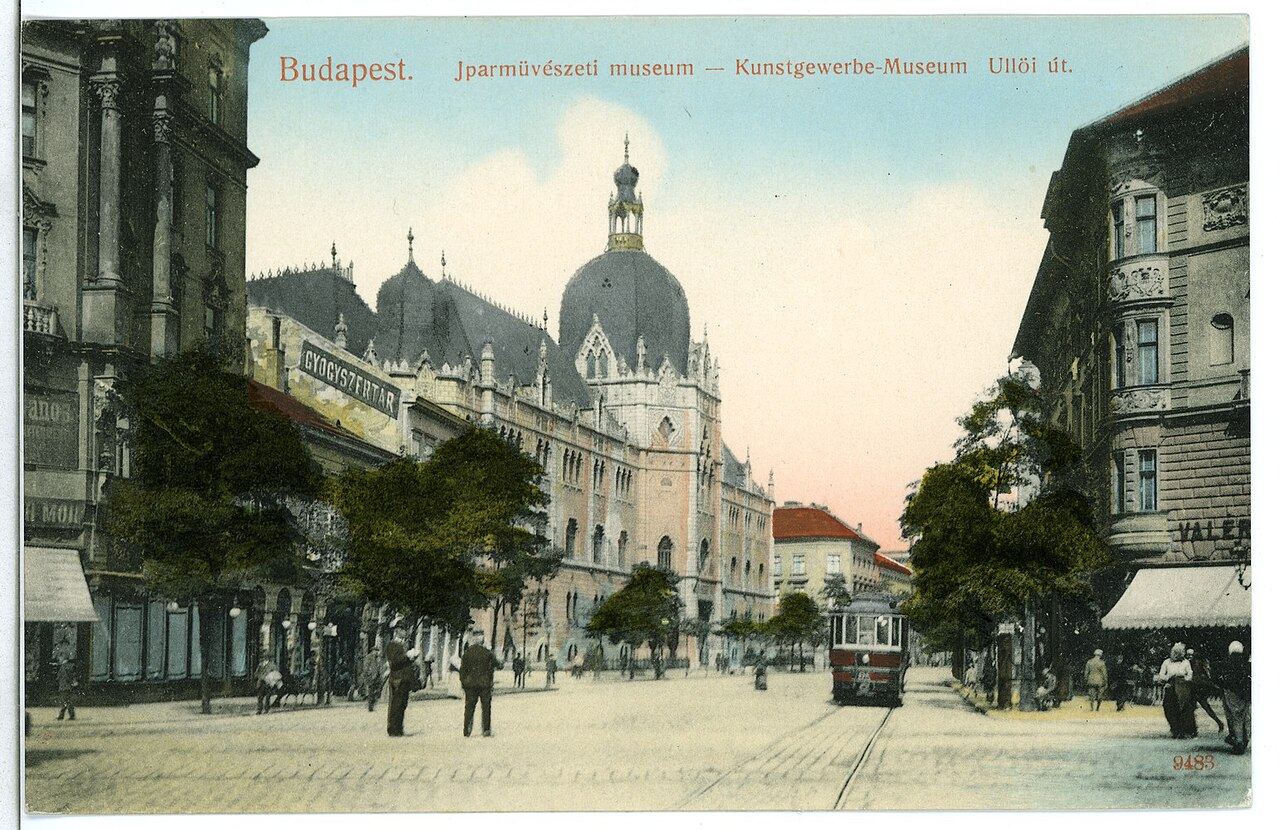
The museum occupies a location in Budapest's ninth district, accessible through the city's public transportation network. The nearest metro station is Ferenc körút on Line M3, requiring subsequent walking distance. Tram lines 4 and 6 operate along the Grand Boulevard with stops in proximity. Multiple bus routes serve the surrounding area. The building's street address places it on Üllői út, a major thoroughfare. Pedestrian access from the city center involves approximately twenty to thirty minutes walking through urban environments. Bicycle parking availability is unconfirmed. Vehicle access presents typical central Budapest traffic and parking constraints. Visitors with mobility considerations should research specific building accessibility features through official sources.
Comprobado 2026-08-28
Que tener en cuenta
The building's architectural significance demands attention to preservation-sensitive behaviors. Interior decorative surfaces including tilework and ornamental plaster require careful visitor conduct. Standard museum protocols apply regarding bag size restrictions, food and beverage prohibitions, and appropriate conduct near displayed objects. Photography policies vary by gallery and specific object loan conditions. Crowding conditions fluctuate with tourist seasons and may affect movement through narrower gallery spaces. The central hall's acoustics amplify ambient noise levels. Climate control systems maintain preservation conditions that some visitors may perceive as cool. Security personnel presence reflects standard Hungarian museum practices. Emergency exit routes should be noted upon entry as building layout complexity may disorient unfamiliar visitors.
Comprobado 2026-08-28

Fotografía
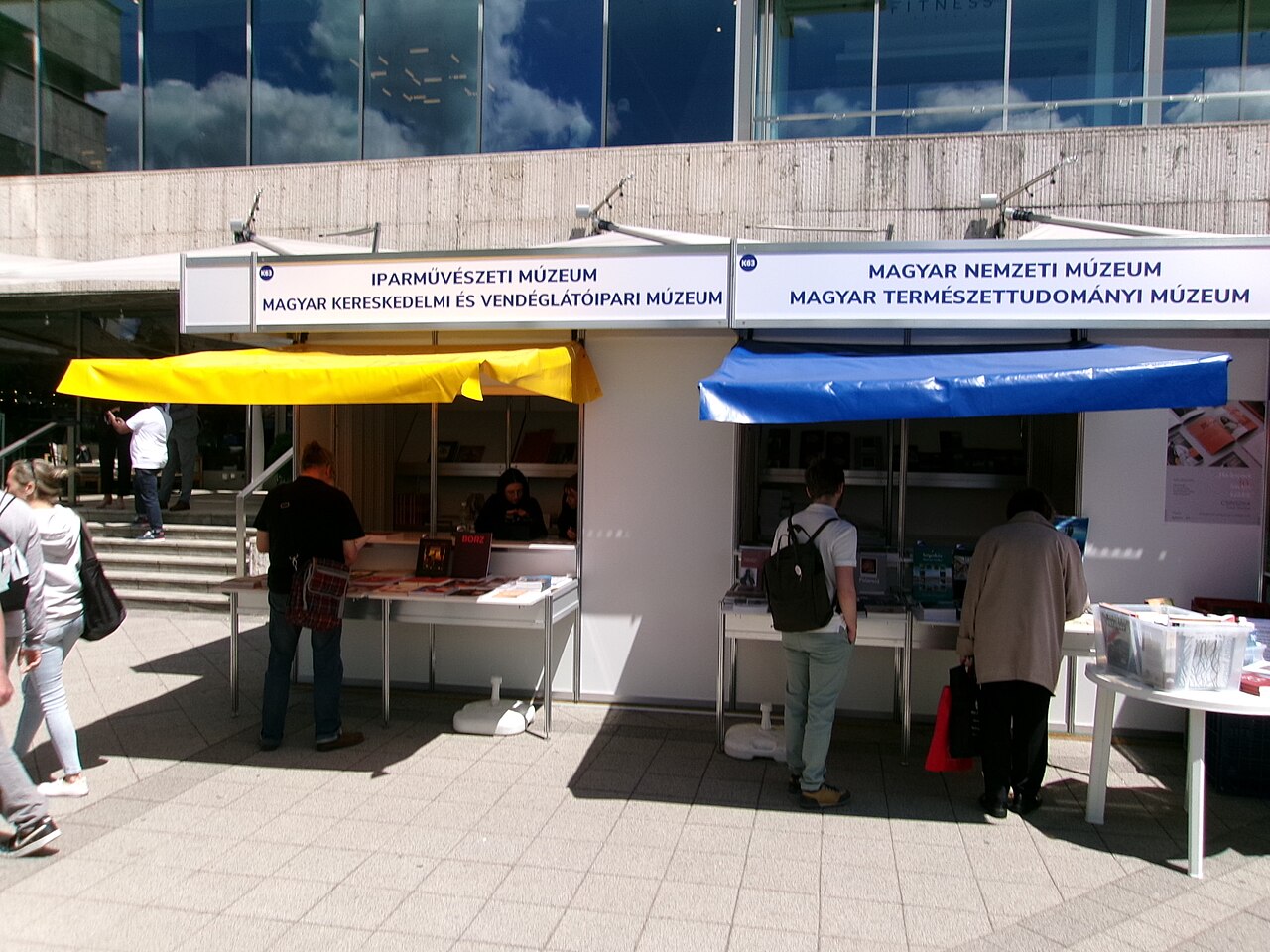
Photography policies at Hungarian national museums typically distinguish between permanent collection and temporary exhibition areas. Flash photography is generally prohibited due to conservation concerns for light-sensitive materials including textiles, works on paper, and certain organic objects. Tripod and selfie stick usage usually requires explicit permission and may be restricted entirely. Commercial photography and filming require advance institutional authorization. Specific galleries or loaned objects may carry additional restrictions indicated by signage or staff direction. Visitors should observe posted regulations and comply with staff instructions regarding camera use. Copyright considerations apply to images captured for personal versus publication purposes. When uncertain, visitors should seek clarification from museum personnel rather than assume permissibility.
Comprobado 2026-08-28
Preguntas comunes
Is the building itself worth visiting even with limited time?
The Secessionist architecture and Zsolnay ceramic decorations constitute significant cultural value independent of exhibition content.
Are English language resources available?
Specific language provision for labels, audio guides, or printed materials is Not recorded pending review through official channels.
Does the museum have a café or restaurant?
On-site food service availability is Not recorded pending review; visitors should verify current amenities before visiting.
Is the museum accessible for wheelchair users?
Specific accessibility features including lift access, ramp provision, and adapted facilities require direct institutional confirmation.
Are guided tours offered?
Tour programming schedules, languages offered, and reservation requirements are Not recorded pending review.
Can objects be purchased from the collections?
Museum collections are non-commercial holdings; any retail operation for reproduction items or publications requires separate verification.
donde esta
Cargando el mapa interactivo…
No se ha podido cargar el mapa interactivo.
cerca
Encajarlo en un plan
Enlaces externos
Última actualización:
Fuente: Colaboradores de OpenStreetMap, Wikidata ·