Historisches Denkmal · Cusco
Puka Pukara
Foto

.jpg)
- Heute
- Öffnungszeiten nicht erfasst
- Besuchsdauer
- 45 Min
- Barrierefreiheit
- Nicht erfasst
- Preis
- Nicht erfasst
- Einordnung
- Muss man gesehen haben · Kulturerbe
- Rang
- Rang 13 von 2,497
Über Puka Pukara
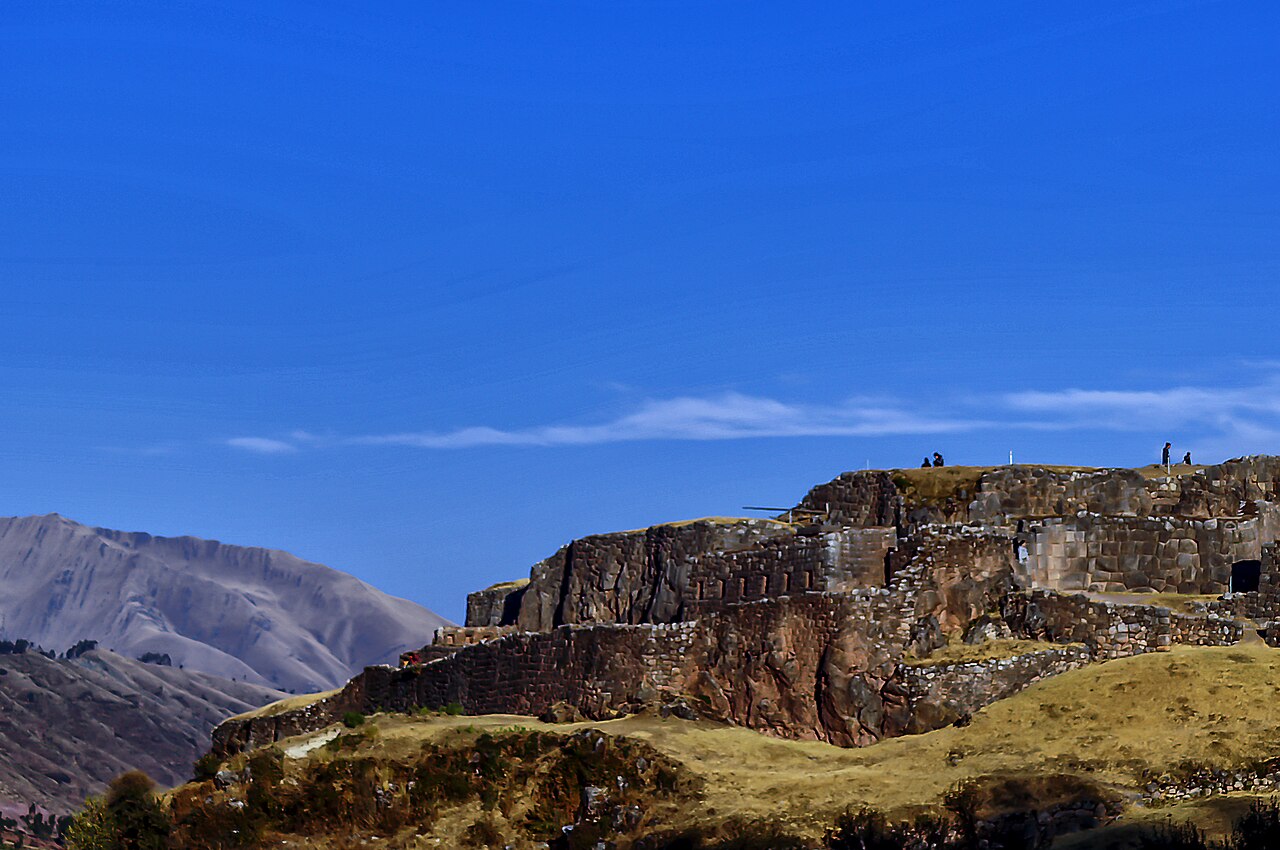
Puka Pukara is a small Inca archaeological site situated on the northern outskirts of Cusco, Peru. Its Quechua name translates to Red Fortress, referencing the distinctive reddish hue of its stonework. The complex likely served multiple functions during the Inca period, possibly as a military post, hunting lodge, or administrative checkpoint. It occupies a strategic position overlooking the Cusco valley and the road leading to the Sacred Valley. The site forms part of the standard northern ruins circuit alongside Tambomachay, Qenqo, and Sacsayhuamán, typically visited in sequence by tourists exploring the region.
Geprüft 2026-08-26
Was ist drin?
The complex contains several terraced levels with walls, doorways, and enclosures built from irregularly shaped red limestone blocks. Visitors can observe the remains of rooms, passages, and plazas distributed across multiple platforms adapted to the hillside terrain. The construction quality is noticeably less refined than major Inca sites, suggesting practical rather than ceremonial priority. Water channels and storage niches are visible in some structures. The upper levels offer panoramic views of the surrounding Andean landscape. No production candidate exists for detailed interior interpretation, so specific room functions remain speculative based on architectural analysis.
Geprüft 2026-08-26

.jpg)
Empfohlene Besuchsdauer
Most visitors spend approximately thirty to sixty minutes exploring Puka Pukara, depending on interest level and physical condition. The compact size permits a relatively quick circuit of the terraces and remaining structures. When combined with Tambomachay immediately uphill, the two sites typically require ninety minutes to two hours total. Tour groups following the northern ruins circuit allocate limited time here due to scheduling constraints. Independent travelers may linger longer for photography or contemplation. The altitude of approximately 3,600 meters demands pacing for those unacclimatized, potentially extending the effective visit duration through necessary rest periods.
Geprüft 2026-08-26

.jpg)
Jahreszeit und Menschenmassen
Cusco's dry season from May to September generally offers more reliable conditions for visiting outdoor archaeological sites, with reduced rainfall and clearer skies. Morning hours typically provide softer light for observation and photography before afternoon cloud accumulation. The wet season from November to March brings heavier precipitation that may make paths slippery and reduce visibility. Operator-confirmed hours are Not recorded pending review. Visitors should verify current accessibility with local tourism authorities or their accommodation before planning, as conditions and management practices may change. The site's exposed position means strong sun and wind exposure regardless of season, requiring appropriate preparation.
Geprüft 2026-08-26
Tickets
Access to Puka Pukara requires the Cusco Tourist Ticket, which covers multiple archaeological sites and museums in the region. This combined ticket represents the standard entry mechanism rather than individual site pricing. Specific ticket categories, validity periods, and inclusions vary and should be confirmed at official points of sale. Operator-confirmed prices are Not recorded pending review. The ticket may be purchased at various locations including the COSITUC office referenced in official sources. Visitors should verify current rates, accepted payment methods, and whether partial circuit options exist. Some tour packages include ticket provision, though independent purchase remains advisable for flexibility.
Geprüft 2026-08-26

Ankommen
Puka Pukara lies approximately seven kilometers northeast of Cusco's historic center along the paved road toward Pisac. Multiple transport options serve the route: organized tours typically include the site on half-day northern ruins excursions; public combis and colectivos depart from Cusco heading toward Pisac and can stop near the entrance; taxis offer direct service with waiting arrangements for return. The site sits immediately below Tambomachay, allowing sequential visits. Walking from central Cusco is possible but involves significant altitude gain and takes several hours, making it impractical for most visitors. Road conditions are generally adequate for standard vehicles.
Geprüft 2026-08-26


Worauf Sie achten sollten
The high altitude demands respect: symptoms of soroche may affect visitors recently arrived from lower elevations, necessitating gradual activity and hydration. Paths and terraces present uneven surfaces, loose stones, and drop-offs without guardrails, requiring careful foot placement especially in wet conditions. No on-site medical facilities exist. Sun exposure intensifies at this elevation regardless of perceived temperature, making protective clothing and sunscreen essential. Limited shelter means weather changes affect visitors rapidly. No drinking water or food services operate at the site. Visitors should carry sufficient supplies and remove all waste, as bin provision appears minimal based on observable conditions.
Geprüft 2026-08-26

_(10384088126).jpg)
Fotografie
The red stonework offers distinctive textural opportunities, particularly in diffused morning light when contrast remains manageable. Wide-angle lenses accommodate the terraced architecture and landscape context, while telephoto options isolate wall details and geological features. The panoramic views toward Cusco and the valley reward elevation gain to upper platforms. No tripod restrictions are documented, though consideration for other visitors should guide equipment use. The adjacent road occasionally intrudes into compositions. Drone operation falls under Peruvian regulations requiring authorization near archaeological sites; visitors should not assume permission. No dedicated visitor facilities exist for equipment protection from dust and variable weather conditions.
Geprüft 2026-08-26
Häufige Fragen
What does Puka Pukara mean for Puka Pukara in Cusco?
The Quechua name translates to Red Fortress, describing the coloration of the limestone used in its construction.
Is Puka Pukara the same as Tambomachay for Puka Pukara in Cusco?
No, they are separate sites located near each other on the northern ruins circuit, typically visited in sequence.
Can I enter without the Cusco Tourist Ticket for Puka Pukara in Cusco?
The tourist ticket is the standard entry mechanism; individual site ticketing alternatives are not recorded.
How physically demanding is the visit for Puka Pukara in Cusco?
The site involves walking on uneven terraces at high altitude; moderate fitness and acclimatization are advisable.
Are there guides available at the entrance for Puka Pukara in Cusco?
Official on-site guide services are not recorded; most visitors arrive with tour guides or self-guide.
Is the site accessible for wheelchair users for Puka Pukara in Cusco?
The terraced, uneven terrain presents significant barriers; accessibility accommodations are not recorded.
Wo es ist
Interaktive Karte wird geladen…
Die interaktive Karte konnte nicht geladen werden.
In der Nähe
Passen Sie es in einen Plan ein
Externe Links
Zuletzt aktualisiert:
Quelle: OpenStreetMap-Mitwirkende, Wikidata ·