Historisches Denkmal · Amsterdam
Magere Brug
Foto

- Heute
- Öffnungszeiten nicht erfasst
- Besuchsdauer
- 45 Min
- Barrierefreiheit
- Nicht erfasst
- Preis
- Nicht erfasst
- Einordnung
- Muss man gesehen haben · Kulturerbe
- Rang
- Rang 29 von 2,839
Über Magere Brug
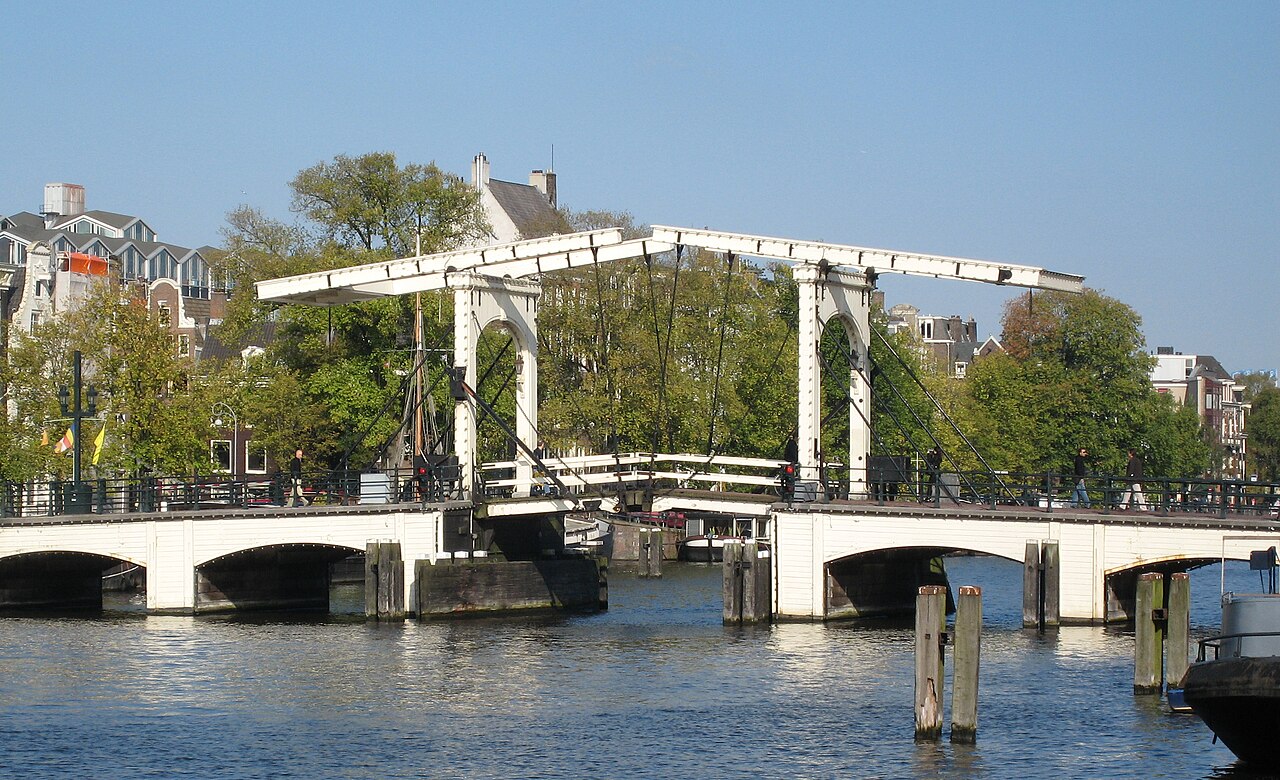
The Magere Brug, or Skinny Bridge, is a historic drawbridge spanning the Amstel River in central Amsterdam. Its distinctive white-painted structure and traditional double-leaf bascule design make it one of the city's most recognisable river crossings. The bridge connects the banks of the Amstel between Kerkstraat and Nieuwe Kerkstraat. It has become an iconic symbol of Amsterdam, frequently photographed and featured in tourist materials. The current structure dates from a rebuilding, though bridges have existed at this location for centuries. The narrow proportions suggested by its name contribute to its memorable character.
Geprüft 2026-08-26
Was ist drin?
The Magere Brug contains no interior spaces for visitors to enter. It functions purely as a pedestrian and cyclist bridge across the Amstel River, with motor vehicles prohibited. The bridge features traditional Dutch bascule mechanisms that allow the central section to raise for passing boats. Decorative lighting illuminates the structure after dark. Visitors experience the bridge by walking or cycling across its span, pausing at the centre to observe river traffic and surrounding architecture. The bridge offers views north toward the Stopera and south along the tree-lined Amstel. Its operational machinery is not accessible to the public.
Geprüft 2026-08-26
Empfohlene Besuchsdauer
A crossing of the Magere Brug on foot requires approximately two to three minutes at normal walking pace. Most visitors spend five to fifteen minutes on or near the bridge, pausing to observe river activity and photograph the structure. Those waiting to witness the bridge opening for boats may need to allow additional unspecified time, as lifting schedules are not publicly fixed. The bridge forms part of longer walking routes along the Amstel, and visitors typically incorporate it into broader explorations of the Grachtengordel or Rembrandtplein areas rather than making a dedicated trip.
Geprüft 2026-08-26


Jahreszeit und Menschenmassen
The Magere Brug can be crossed at any hour as a public thoroughfare. Operator-confirmed hours or prices are Not recorded pending review. The bridge offers distinctly different atmospheres throughout the day: morning light provides clear views along the river, midday brings heavier pedestrian and cyclist traffic, evening introduces illuminated reflections on the water. Night-time visits reveal the bridge's decorative lighting. Seasonal variations affect surrounding tree foliage and daylight hours. The bridge opening for boats occurs unpredictably. Visitors should consult current local information for any temporary access restrictions or maintenance closures before planning a specific visit.
Geprüft 2026-08-26
Tickets
No tickets are required to cross or view the Magere Brug, as it functions as a free public bridge. Operator-confirmed hours or prices are Not recorded pending review. No payment is collected for pedestrian or cyclist passage. Commercial boat tours that pass beneath the bridge operate separately with their own pricing structures, but these do not constitute bridge admission. Visitors should be aware that surrounding businesses, including canal tour operators and riverside establishments, maintain independent commercial arrangements. No guided tours specifically of the bridge interior are offered, as no interior exists for public access.
Geprüft 2026-08-26


Ankommen
The Magere Brug sits within Amsterdam's central canal district, accessible on foot from numerous landmarks. The nearest tram stops include those serving the Rembrandtplein area to the west and the Waterlooplein vicinity to the east. Cyclists can reach the bridge via dedicated lanes along the riverbanks. Walking from Dam Square takes approximately twenty to twenty-five minutes through the Grachtengordel. The bridge connects Kerkstraat on the west bank with Nieuwe Kerkstraat on the east. Visitors already exploring the Amstel's southern reaches or the Hermitage Amsterdam will find it within comfortable walking distance. No parking is available at the bridge itself.
Geprüft 2026-08-26
Worauf Sie achten sollten
Cyclists share the narrow bridge deck with pedestrians, requiring awareness of bicycle traffic from both directions. The bridge surface may become slippery in wet conditions. When the bridge opens for boats, warning signals precede the movement, and visitors must clear the central section promptly. The bridge edges lack substantial barriers in all areas. Pickpockets may operate in busy tourist zones nearby. Evening visitors should exercise standard urban precautions. The surrounding streets contain cafes and bars that generate noise and crowds, particularly on weekends. Visitors should not attempt to access the mechanical operating equipment. Swimming in the Amstel near the bridge is unsafe and prohibited.
Geprüft 2026-08-26
_(28534880635).jpg)
Fotografie
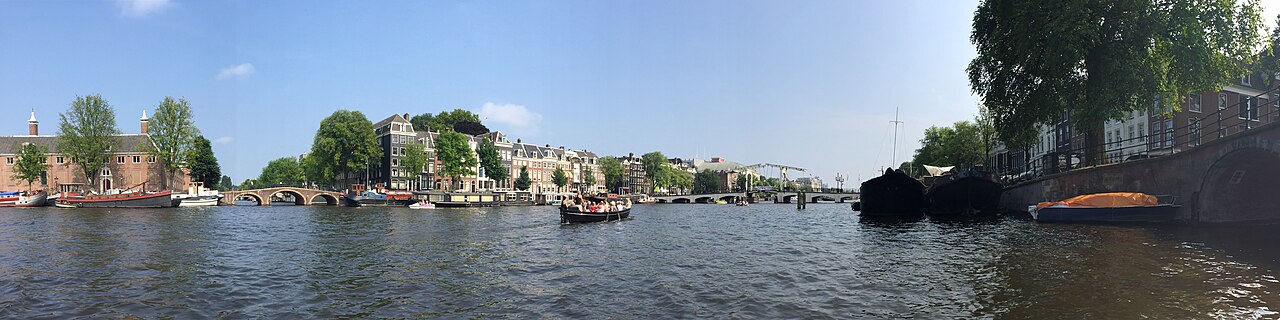
The Magere Brug offers exceptional photographic opportunities from multiple vantage points. The bridge itself provides river-level perspectives of passing boats and adjacent architecture. The east and west banks allow symmetrical shots of the full bridge span, particularly effective at dusk when illumination begins. Reflections in the Amstel double the visual impact during calm conditions. The northern approach frames the Stopera's modern lines against the historic bridge. Tripod users should remain considerate of passing pedestrians and cyclists on the narrow deck. Night photography captures the decorative lighting but requires attention to camera stability. Drone operation is restricted in central Amsterdam and requires appropriate permits.
Geprüft 2026-08-26
Häufige Fragen
Can cars drive across the Magere Brug for Magere Brug in Amsterdam?
No. The Magere Brug is restricted to pedestrians and cyclists. Motor vehicles are prohibited.
Does the bridge open for boats for Magere Brug in Amsterdam?
Yes. The Magere Brug is a functioning bascule bridge that opens for passing river traffic. Opening times are not scheduled publicly and occur as needed.
Is there an entrance fee to walk across for Magere Brug in Amsterdam?
No. The Magere Brug is a free public bridge. No payment is required for crossing.
How old is the current bridge structure for Magere Brug in Amsterdam?
The specific construction date of the current structure is not recorded in the supplied context. Bridges have existed at this location for multiple centuries.
Are guided tours available of the bridge mechanism for Magere Brug in Amsterdam?
No. The bridge's operational machinery is not accessible to the public, and no interior spaces exist for tours.
Is the bridge accessible for wheelchairs and strollers for Magere Brug in Amsterdam?
The bridge deck is level when closed, but specific accessibility features are not recorded in the supplied context. The narrow width and shared cyclist-pedestrian use may present challenges.
Wo es ist
Interaktive Karte wird geladen…
Die interaktive Karte konnte nicht geladen werden.
In der Nähe
Passen Sie es in einen Plan ein
Externe Links
Zuletzt aktualisiert:
Quelle: OpenStreetMap-Mitwirkende, Wikidata ·