Museum · Tokyo
宗谷

.jpg)
Öffnungszeiten
| Montag | 10:00 – 17:00 |
|---|---|
| Dienstag | 10:00 – 17:00 |
| Mittwoch | 10:00 – 17:00 |
| Donnerstag | 10:00 – 17:00 |
| Freitag | 10:00 – 17:00 |
| Samstag | 10:00 – 17:00 |
| Sonntag | 10:00 – 17:00 |
Geparst aus den OpenStreetMap-Öffnungszeiten am 2026-08-26.
- Heute
- Heute geöffnet, 10:00 – 17:00
- Besuchsdauer
- 1 Std 30 Min
- Barrierefreiheit
- Nicht erfasst
- Preis
- Nicht erfasst
- Einordnung
- Hoch
- Rang
- Rang 88 von 22,489
Über 宗谷
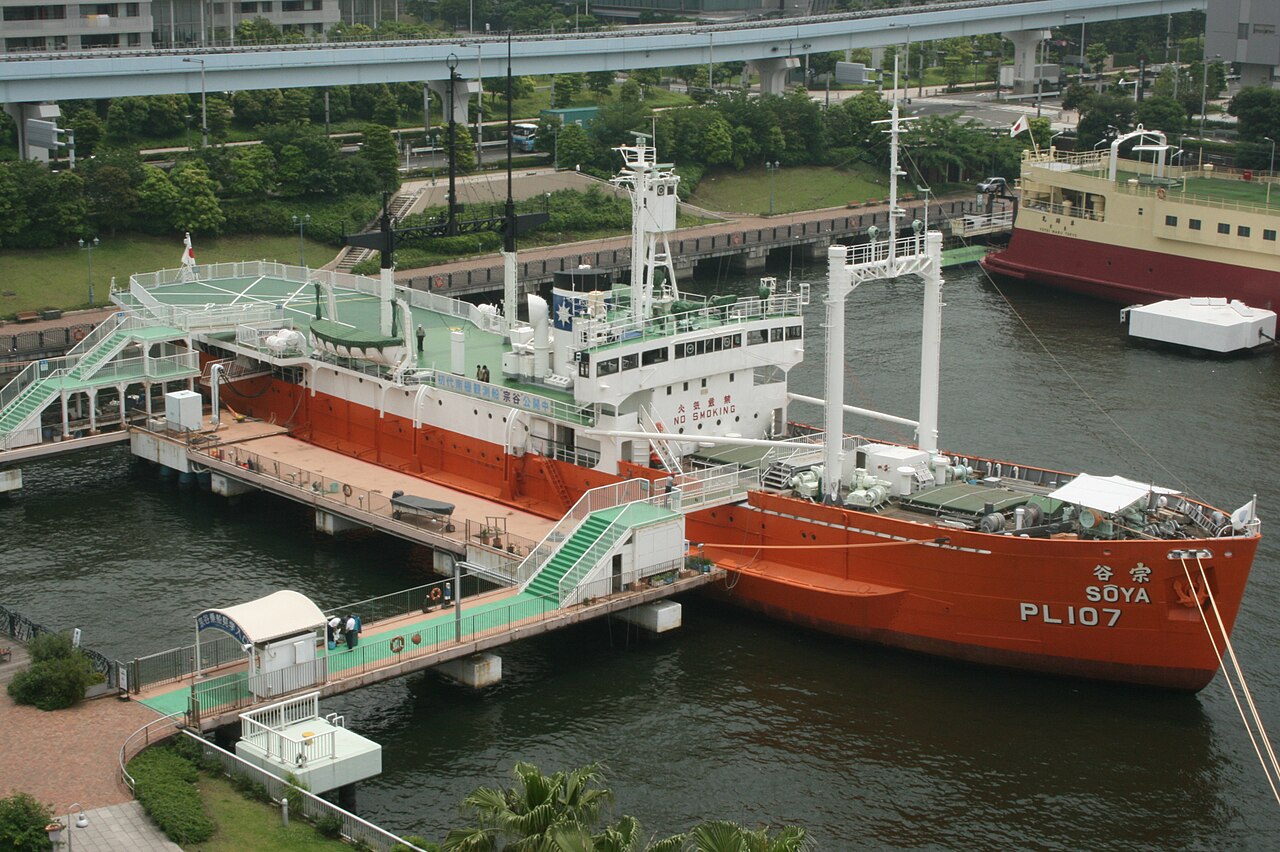
JCG Sōya is a Japanese Coast Guard icebreaker vessel preserved as a museum ship in Tokyo. The ship bears the local name 宗谷. Originally built for maritime patrol and icebreaking operations in northern waters, it now serves as a public exhibit showcasing Japan's maritime heritage. The vessel represents an important era of Japanese polar and coastal operations. Visitors can explore this historic ship to gain understanding of its service role. The icebreaker stands as a tangible connection to Japan's twentieth-century maritime history and technological development in challenging polar conditions.
Geprüft 2026-08-28
Was ist drin?
The interior of JCG Sōya contains preserved spaces reflecting its operational past as an icebreaker. Visitors may encounter crew quarters, navigation areas, engine spaces, and equipment used during polar missions. Original fittings and maritime instruments remain in place, offering authentic glimpses into life aboard a working icebreaker. Display materials likely include historical photographs and documents related to the vessel's service record. The ship's structure itself demonstrates icebreaking hull design. Specific exhibit details and current display arrangements are not recorded. Visitors should expect a self-guided exploration experience through compact naval quarters typical of mid-century vessel construction.
Geprüft 2026-08-28
Empfohlene Besuchsdauer
A complete visit to JCG Sōya typically requires between forty-five minutes and ninety minutes depending on individual interest levels. Maritime enthusiasts and those examining technical details thoroughly may spend longer periods aboard. Casual visitors often complete a walkthrough within one hour. The compact nature of a single vessel limits the total area to explore, though multiple deck levels and interior compartments provide sufficient content for meaningful engagement. Families with children might adjust duration based on attention spans and physical comfort navigating ship stairways. Weather conditions on exterior decks may influence visit length during extreme temperatures.
Geprüft 2026-08-28

Jahreszeit und Menschenmassen
Operator-confirmed hours are Not recorded pending review. Visitors should verify current opening schedules through official channels before planning their trip. Seasonal factors may affect accessibility, particularly as the vessel is an outdoor maritime exhibit exposed to Tokyo's weather variations. Summer months generally offer more comfortable conditions for exploring exterior deck areas, while winter visits require appropriate clothing for exposed metal surfaces and open-air sections. Rainy periods could reduce enjoyment of upper deck exploration. The museum ship likely experiences higher visitor numbers during weekends and Japanese public holidays based on typical attraction patterns.
Geprüft 2026-08-28
Tickets
Operator-confirmed prices are Not recorded pending review. Admission fees if applicable would typically be modest for a single-vessel museum exhibit of this nature. Potential visitors should consult official sources for current pricing structures, group rates, and any available concessions for children, seniors, or students. Some maritime museums in Japan operate with free admission or suggested donations, though this varies by institution. Combined ticketing with nearby attractions is possible given Tokyo's dense museum landscape. Payment methods accepted on-site remain unverified. Advance purchase options and online booking availability require direct confirmation from venue operators.
Geprüft 2026-08-28
Ankommen
JCG Sōya is located within Tokyo's urban area. Visitors can utilize Tokyo's extensive public transportation network including trains and buses to reach the general vicinity. Specific station names and walking directions from transit points are not recorded. The vessel's waterfront location suggests proximity to harbor or bay areas accessible by multiple transport modes. Taxis and rideshare services serve the broader district. Cyclists and pedestrians should consult detailed local maps for precise routing. International visitors benefit from Tokyo's multilingual signage at major transit hubs, though final approach to the specific berth may require additional navigation assistance or local inquiry.
Geprüft 2026-08-28


Worauf Sie achten sollten
Visitors should exercise caution on steep ship stairways and ladders typical of naval vessel construction. Low doorways and overhead hazards present collision risks for taller individuals. Exterior decks become slippery when wet and may lack modern safety railings in all areas. The historic nature of the ship means some spaces have limited accessibility for mobility-impaired visitors. Children require close supervision near open water edges and elevated platforms. Interior spaces may have poor ventilation during hot weather. Appropriate footwear with good grip is strongly recommended. Emergency procedures and staff presence levels are not recorded. Visitors should remain aware of their surroundings at all times.
Geprüft 2026-08-28
Fotografie
Photography policies for JCG Sōya are not recorded. Visitors should observe posted signage regarding camera use and respect any restrictions on flash photography that might damage preserved materials or disturb other guests. The ship's industrial maritime aesthetic offers distinctive photographic subjects including nautical equipment, hull structures, and harbor backgrounds. Natural lighting conditions vary significantly between interior compartments and exterior deck positions. Tripod use likely requires advance permission if permitted at all. Commercial or professional photography may involve separate arrangements. Visitors should be considerate of fellow guests when positioning for shots in narrow passageways and confined spaces aboard the vessel.
Geprüft 2026-08-28
Häufige Fragen
Is JCG Sōya still an active ship?
No. JCG Sōya is preserved as a museum ship and is no longer in active service with the Japan Coast Guard.
What does the name 宗谷 mean?
宗谷 is the local Japanese name for this vessel, read as Sōya. It references the Sōya region of Hokkaido associated with maritime approaches to northern waters.
Can visitors enter all areas of the ship?
Specific access details are not recorded. Historic vessels typically restrict certain engineering or hazardous spaces for safety preservation reasons.
Are guided tours available?
Tour availability is not recorded. Visitors should expect primarily self-guided exploration unless confirmed otherwise by operators.
Is the ship accessible for wheelchair users?
Accessibility features are not recorded. Historic naval vessels typically present significant challenges for wheelchair access due to ladders and narrow passages.
Are there food facilities on site?
On-site catering or dining facilities are not recorded. Visitors should plan accordingly and consider nearby options in the surrounding Tokyo area.
Wo es ist
Interaktive Karte wird geladen…
Die interaktive Karte konnte nicht geladen werden.
In der Nähe
Passen Sie es in einen Plan ein
Externe Links
Zuletzt aktualisiert:
Quelle: OpenStreetMap-Mitwirkende, Wikidata ·