
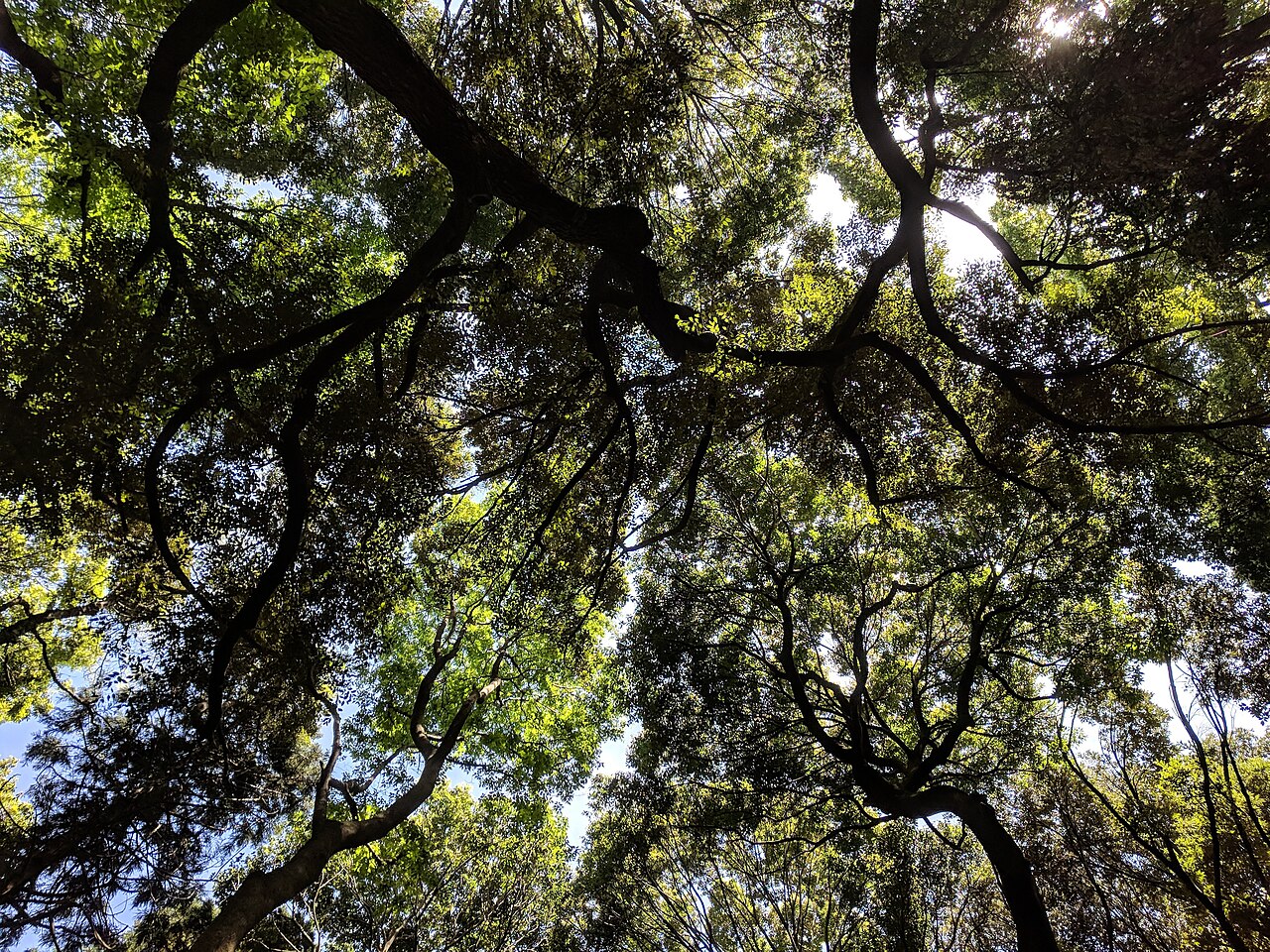
12 Minuten zu Fuß
Meiji-Schrein
- Muss man gesehen haben · Kulturerbe
- Gotteshaus
Sprache · 11 veröffentlicht
Museum · Präfektur Tokio
太田記念美術館
| Montag | Geschlossen |
|---|---|
| Dienstag | 10:30 – 17:30 |
| Mittwoch | 10:30 – 17:30 |
| Donnerstag | 10:30 – 17:30 |
| Freitag | 10:30 – 17:30 |
| Samstag | 10:30 – 17:30 |
| Sonntag | 10:30 – 17:30 |
Geparst aus den OpenStreetMap-Öffnungszeiten am 2026-09-09.
Dieser Ort ist ein Museumsstätte. Er wurde 1980 eröffnet.
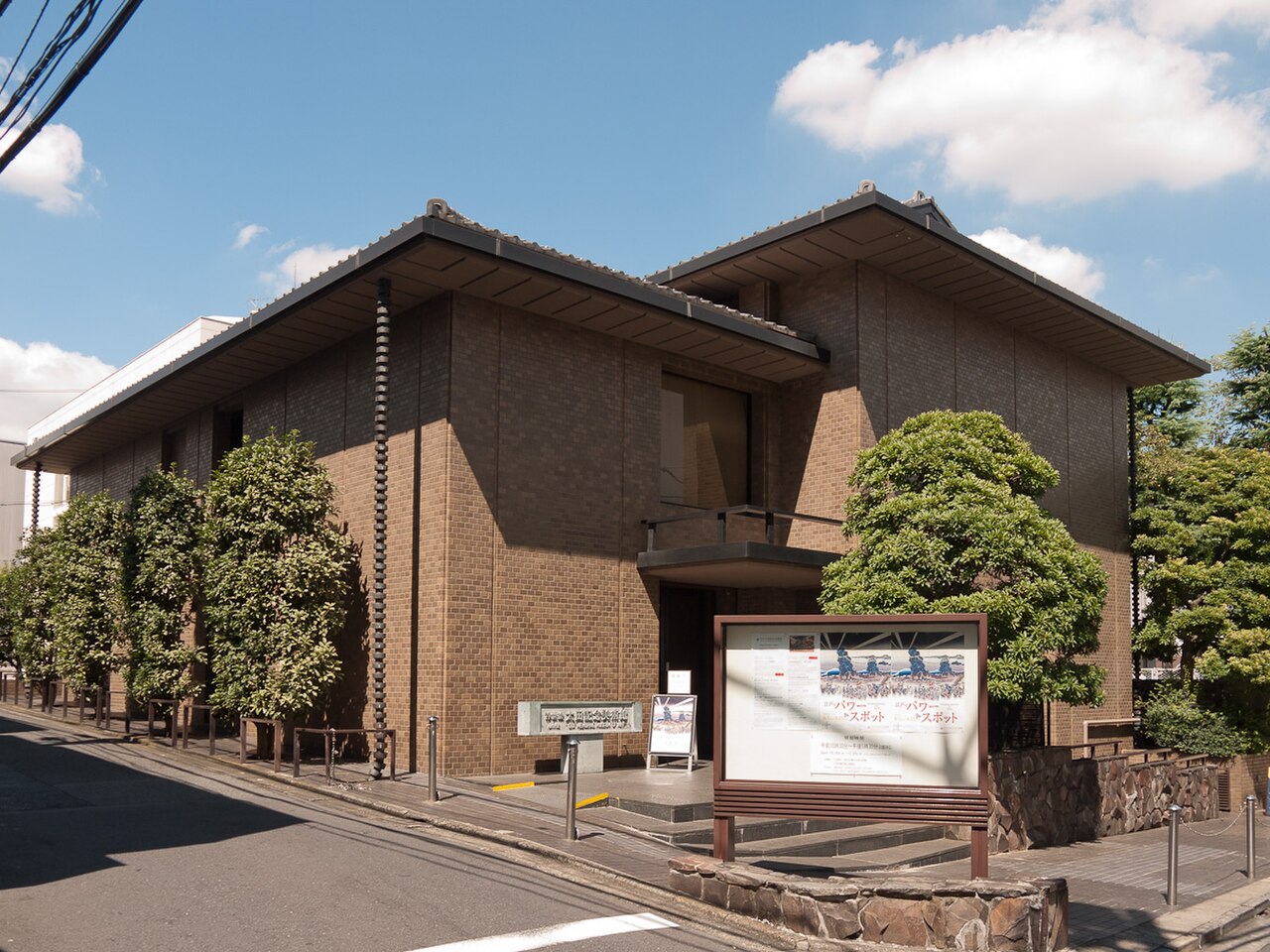
The Ōta Memorial Museum of Art is a museum in Tokyo, Japan, dedicated to ukiyo-e woodblock prints. It holds the collection assembled by the late Seizō Ōta, former president of Toho Insurance Company. The museum opened to preserve and display his extensive private collection. It specializes in Japanese art from the Edo period, particularly works by masters of the ukiyo-e genre. The institution is located in the Harajuku district of Shibuya Ward, positioned near the bustling Takeshita Street area. Its focus on a single collector's vision gives it a distinctive character among Tokyo's numerous museums.
Geprüft 2026-08-28
The museum's collection encompasses approximately twelve thousand ukiyo-e prints, making it one of the most significant holdings of this art form worldwide. The collection includes works by renowned artists such as Katsushika Hokusai and Utagawa Hiroshige. Exhibitions rotate throughout the year, drawn from this substantial permanent collection. Thematic displays change regularly, allowing visitors to encounter different aspects of ukiyo-e art across multiple visits. The museum also possesses works by Kitagawa Utamaro and other major figures of the genre. The compact exhibition space creates an intimate viewing environment for these delicate works on paper.
Geprüft 2026-08-28
A typical visit to the Ōta Memorial Museum of Art requires between forty-five minutes and ninety minutes, depending on individual interest in ukiyo-e prints and the scale of the current exhibition. The museum's relatively modest physical footprint means visitors can examine the displayed works thoroughly without excessive walking or navigation. Art enthusiasts with specialized knowledge of Japanese woodblock printing may wish to spend additional time studying individual pieces in detail. Casual visitors seeking a cultural introduction to ukiyo-e will find the duration manageable within a broader Harajuku itinerary. The rotating exhibitions reward repeat visits.
Geprüft 2026-08-28
Visitors should consult the museum's official communication channels before planning their trip to verify current opening schedules. The museum's location in Harajuku means the surrounding neighborhood experiences significant foot traffic on weekends and holidays, which may affect visitor comfort regardless of the museum's own capacity. Weekday mornings potentially offer quieter conditions for viewing art. Seasonal exhibitions may influence timing decisions for visitors with specific artistic interests. The area becomes particularly congested during Japanese holiday periods and school vacation times. Check the operator's own site for the travel date before relying on a schedule or fare.
Geprüft 2026-08-28
Visitors must verify current admission fees through official sources before arrival. The museum may implement variable pricing structures depending on exhibition content, with special displays potentially commanding different rates from standard admission. Group discounts or combination arrangements with other institutions are not confirmed. Payment methods accepted at the entrance remain unspecified without direct inquiry. Visitors should prepare appropriate payment options and confirm whether advance reservation systems operate for popular exhibitions. International visitors may encounter language barriers regarding pricing information without prior research. Check the operator's own site for the travel date before relying on a schedule or fare.
Geprüft 2026-08-28
The museum occupies a position in Harajuku, accessible via multiple Tokyo transit options. The Harajuku Station on the JR Yamanote Line provides convenient rail access, with the Takeshita Street exit offering the most direct pedestrian approach. Meiji-Jingumae Station on the Tokyo Metro Chiyoda and Fukutoshin lines presents an alternative subway connection. The immediate vicinity experiences extremely dense pedestrian congestion, particularly along Takeshita Street, requiring patience when navigating the final approach. Signage directing visitors to the museum entrance may be limited among the visual clutter of surrounding commercial establishments. Walking from either station requires approximately five to ten minutes.
Geprüft 2026-08-28
The museum's compact interior space can become crowded during peak visiting periods, potentially restricting movement and viewing angles for individual artworks. Climate control systems protect sensitive paper-based artworks, creating environmental conditions that may feel cool to some visitors. Photography policies appear restrictive based on standard museum practices for preserving light-sensitive materials, though specific regulations require verification. The surrounding Harajuku district presents intense commercial stimulation that contrasts sharply with the contemplative museum environment; visitors should allow mental transition time. Language support for international visitors may be limited compared to major national institutions. Wheelchair accessibility and other accommodation details are not confirmed.
Geprüft 2026-08-28
Photography policies at the Ōta Memorial Museum of Art are not explicitly documented in the available source materials. Standard museum practice for ukiyo-e collections typically prohibits flash photography and may restrict all image capture to protect light-sensitive pigments and papers from cumulative exposure damage. Visitors should assume restrictions apply until obtaining explicit permission from staff. Mobile telephone usage may be similarly constrained within exhibition spaces. Any permitted photography likely excludes commercial applications without separate authorization. Visitors seeking to document their experience should prepare to rely on memory or acquire official reproductions from museum retail operations if available. Verification with front desk staff is essential upon entry.
Geprüft 2026-08-28
The museum's specialized focus on ukiyo-e prints and compact exhibition format may challenge young children's attention spans. Parental discretion advised based on individual child interest in art.
Availability of foreign-language support services is Not recorded. Visitors should inquire directly with the institution before visiting.
On-site dining options are Not recorded. The surrounding Harajuku district offers numerous food establishments within walking distance.
Museum shop offerings are Not recorded. Visitors should check directly regarding availability of reproduction prints or related merchandise.
Reservation requirements are Not recorded pending review. Visitors should verify current entry procedures through official channels before visiting.
Specific accessibility features and accommodations are Not recorded. Direct inquiry with the museum is recommended for visitors requiring accessibility information.
Interaktive Karte wird geladen…
Die interaktive Karte konnte nicht geladen werden.

Zuletzt aktualisiert:
Quelle: OpenStreetMap-Mitwirkende, Wikidata ·