Historisches Denkmal · Rome
Domus Aurea
Foto
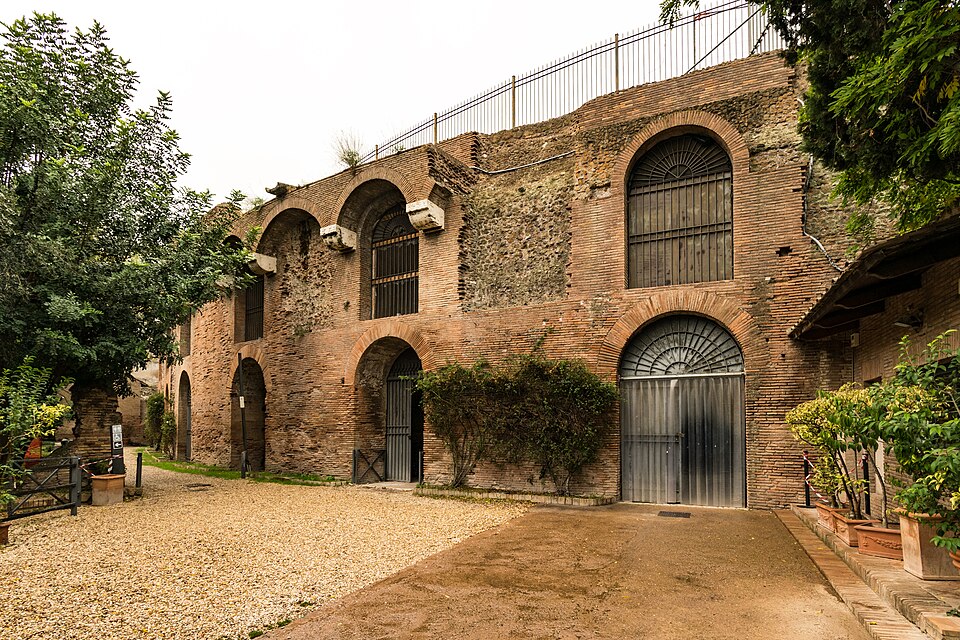

- Heute
- Öffnungszeiten nicht erfasst
- Besuchsdauer
- 45 Min
- Barrierefreiheit
- Nicht erfasst
- Preis
- Nicht erfasst
- Einordnung
- Hoch · Kulturerbe
- Rang
- Rang 328 von 6,547
Was es ist
The Domus Aurea, or Golden House, was the vast palace built by Emperor Nero after the Great Fire of Rome in 64 AD. This monumental complex once covered a significant portion of the city center, featuring landscaped parks, artificial lakes, and elaborate architecture. Today, visitors can explore the surviving underground chambers on guided tours. The structure was later buried and built over, which paradoxically preserved portions of its painted decorations. It represents one of the most ambitious imperial construction projects of ancient Rome and offers insight into Nero's controversial reign and the evolution of Roman domestic architecture.
Geprüft 2026-08-26
Was ist drin?
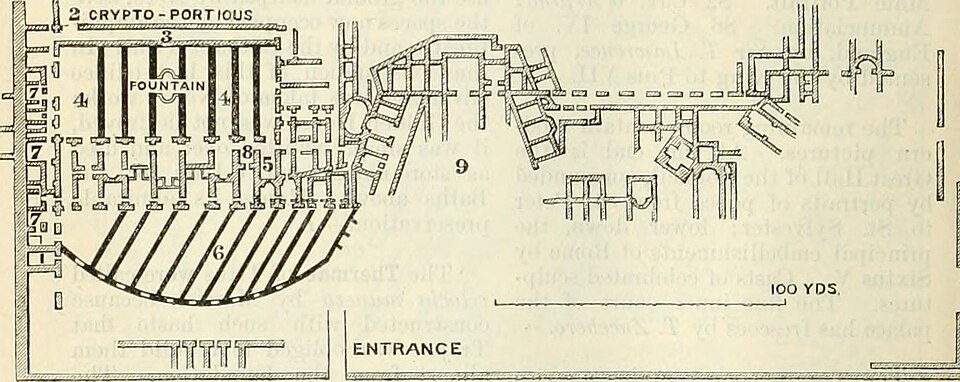
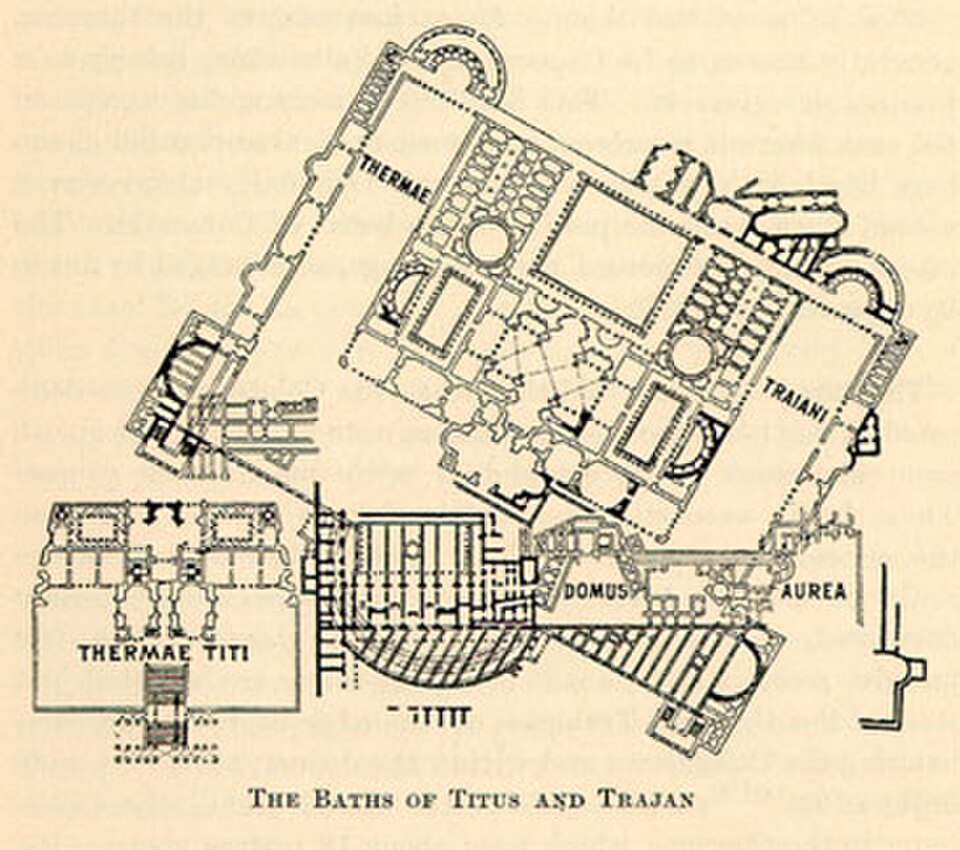
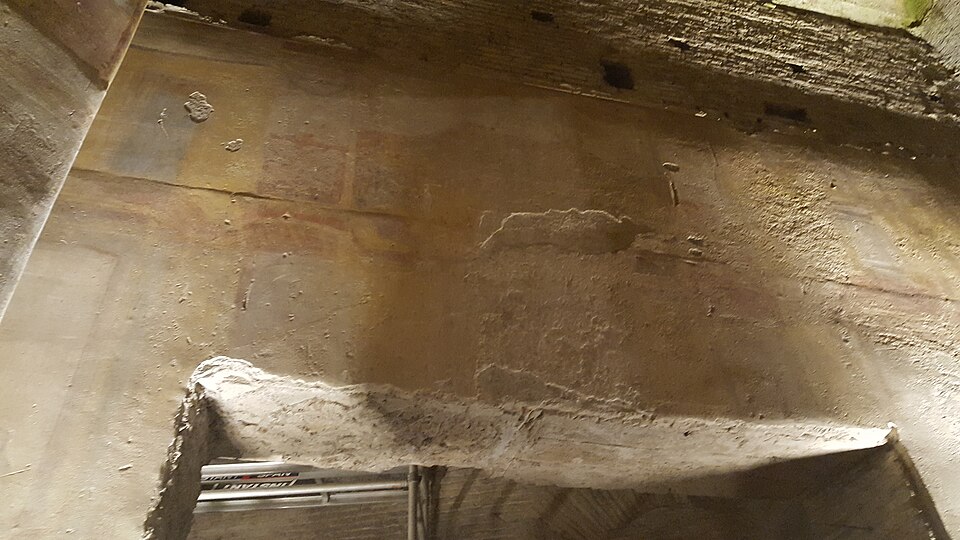
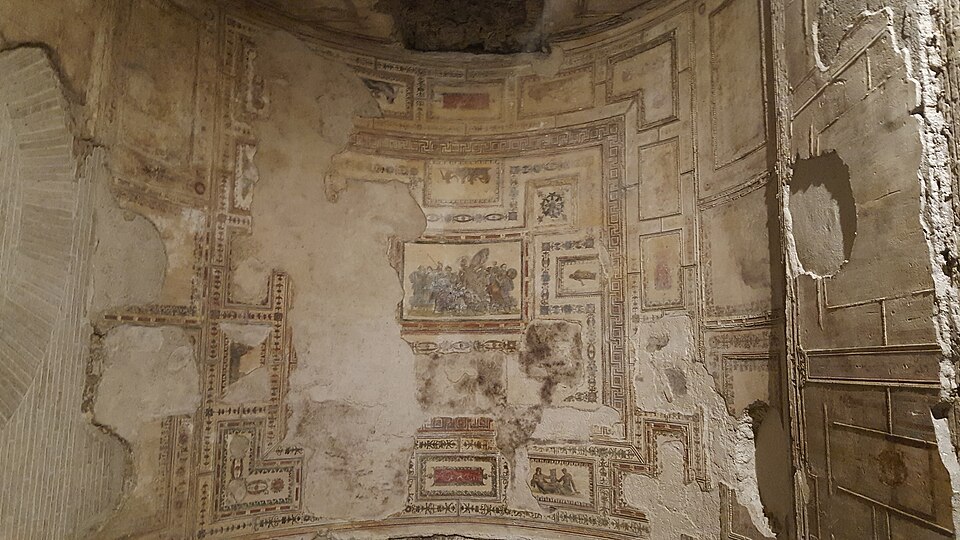
The surviving structure consists of underground vaulted rooms and corridors that once formed part of Nero's extensive palace complex. Visitors can observe remnants of frescoes and stucco work that decorated the original ceilings and walls. The architectural design includes innovative use of concrete domes and vaulting that influenced later Roman building techniques. Some spaces feature the famous painted decorations that gave the palace its name. The site includes passages through multiple levels of construction history, revealing how later buildings were erected above and around the original palace foundations. Structural supports and conservation elements are visible throughout.
Geprüft 2026-08-26
_(14765451712).jpg)
Empfohlene Besuchsdauer
A standard guided tour of the Domus Aurea typically requires approximately one to two hours to complete. The duration depends on the specific route offered and the pace of the group. Visitors should factor in additional time for security checks and waiting at the entrance. The underground nature of the site means progress through the corridors is necessarily measured. Those with particular interest in Roman art history or architectural conservation may wish to allow extra time for careful observation of the painted surfaces and structural details. Combination visits with nearby Colosseum and Roman Forum attractions can extend a full day of exploration in this archaeological zone.
Geprüft 2026-08-26

Jahreszeit und Menschenmassen
Operator-confirmed hours are Not recorded pending review. The Domus Aurea operates on a guided tour basis with advance reservation typically required. Seasonal variations in scheduling may affect availability. The underground environment maintains relatively stable temperatures throughout the year, though summer humidity can be noticeable. Visitors should consult official sources for current tour times before planning their visit. Weekend and holiday periods generally experience higher demand. Morning slots may offer marginally quieter experiences. The site occasionally closes for conservation work or special circumstances without extensive advance notice. Verification of operational status shortly before travel is prudent visitor judgment.
Geprüft 2026-08-26
Tickets
Operator-confirmed prices are Not recorded pending review. The Domus Aurea generally requires advance booking through official reservation systems. Standard archaeological site pricing frameworks in Rome suggest moderate entry fees, with potential reductions for eligible categories such as young people or combined ticket arrangements with related sites. Some visitors may qualify for free admission under Italian cultural heritage regulations. Payment methods and refund policies should be confirmed at the time of reservation. Group sizes are strictly limited due to conservation requirements, which affects ticket availability. Last-minute walk-in access is typically not possible. Official websites or authorized vendors should be consulted for current pricing structures.
Geprüft 2026-08-26

Ankommen
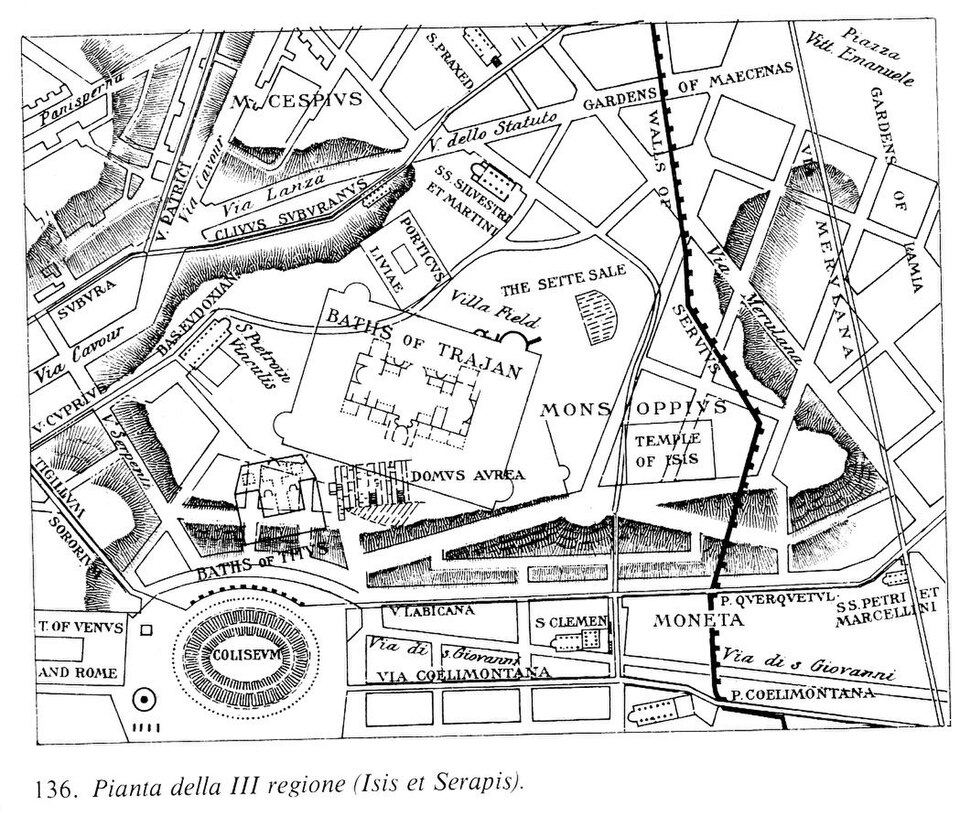
The Domus Aurea sits in the Colle Oppio park area adjacent to the Colosseum in central Rome. Multiple public transportation options serve this well-connected district. The Colosseo metro station on Line B provides nearby underground access. Several bus routes pass through the surrounding streets. The site is approachable on foot from numerous central Rome locations and connects logically with visits to the Roman Forum, Palatine Hill, and Colosseum. Signage within the park area directs visitors to the specific entrance point. The terrain involves some incline and uneven surfaces in the park approaches. Visitors with mobility considerations should research current accessibility provisions before attempting the visit.
Geprüft 2026-08-26

Worauf Sie achten sollten
The underground environment presents inherent conditions requiring visitor awareness. Low ceilings and narrow passages in some areas demand physical caution. Humidity levels are elevated and temperatures cooler than surface conditions, making appropriate clothing advisable. The site contains ongoing conservation work, meaning some sections may be inaccessible during any given visit. Guided tour protocols must be followed precisely, including group cohesion and photography restrictions in designated zones. The archaeological surfaces are exceptionally fragile; touching walls or decorations is prohibited. Lighting is functional but subdued in keeping with preservation needs. Visitors with claustrophobia or respiratory sensitivities should consider whether extended underground exploration suits their circumstances before booking.
Geprüft 2026-08-26

Fotografie
Photography policies at the Domus Aurea are restricted and subject to specific site regulations. Flash photography is universally prohibited due to the extreme light sensitivity of ancient painted surfaces. Tripods, selfie sticks, and similar equipment are typically banned for conservation and safety reasons. Some interior spaces may prohibit all photography entirely. Visitors should observe posted instructions and guide directions regarding where and when images may be captured. The subdued lighting conditions present technical challenges for photography even where permitted. Respect for these restrictions is essential for the long-term preservation of the fragile decorations. Personal photography for non-commercial purposes may be allowed in designated areas with appropriate settings.
Geprüft 2026-08-26
Häufige Fragen
Do I need to book in advance for Domus Aurea in Rome?
Yes, advance reservation is typically essential. The Domus Aurea operates strictly through guided tours with limited group sizes due to conservation requirements. Walk-in access is generally not available.
Is the site accessible for visitors with mobility limitations for Domus Aurea in Rome?
The underground nature, uneven ancient surfaces, and narrow passages present significant accessibility challenges. Specific current provisions should be verified with operators before planning a visit.
Can I visit independently without a guide for Domus Aurea in Rome?
No, independent exploration is not permitted. All visits must follow the official guided tour format to ensure visitor safety and protection of the fragile archaeological remains.
What should I wear for the visit for Domus Aurea in Rome?
Comfortable walking shoes with good grip are essential for uneven surfaces. A light extra layer is advisable as underground temperatures run cooler than surface levels. Avoid loose items that might brush against walls.
Are children permitted on tours for Domus Aurea in Rome?
Children may participate but parents should assess suitability given the underground environment, humidity, restricted movement, and requirement to remain with guided groups throughout.
How does this site relate to the Colosseum for Domus Aurea in Rome?
The Domus Aurea predates the Colosseum. The artificial lake of Nero's palace was drained and the amphitheater later built in that space, demonstrating the transformation of this central Rome area across imperial reigns.
Wo es ist
Interaktive Karte wird geladen…
Die interaktive Karte konnte nicht geladen werden.
In der Nähe
Passen Sie es in einen Plan ein
Externe Links
Zuletzt aktualisiert:
Quelle: OpenStreetMap-Mitwirkende, Wikidata ·