Museum · Copenhagen
Arbejdermuseet
Foto


Öffnungszeiten
| Montag | 10:00 – 16:00 |
|---|---|
| Dienstag | 10:00 – 16:00 |
| Mittwoch | 10:00 – 19:00 |
| Donnerstag | 10:00 – 16:00 |
| Freitag | 10:00 – 16:00 |
| Samstag | 10:00 – 16:00 |
| Sonntag | 10:00 – 16:00 |
Geparst aus den OpenStreetMap-Öffnungszeiten am 2026-08-26.
- Heute
- Heute geöffnet, 10:00 – 16:00
- Besuchsdauer
- 1 Std 30 Min
- Barrierefreiheit
- Nicht erfasst
- Preis
- Nicht erfasst
- Einordnung
- Muss man gesehen haben
- Rang
- Rang 47 von 2,060
Über Arbejdermuseet
The Workers Museum, locally known as Arbejdermuseet, is a cultural institution in Copenhagen dedicated to the history of the Danish labour movement and working-class life. It occupies a historic building that once served as the headquarters of the Danish labour movement. The museum preserves and presents the social history of workers, their families, and their communities from the nineteenth century onward. It functions as both a museum and a cultural venue, hosting discussions and events related to contemporary labour issues alongside its historical collections.
Geprüft 2026-08-26
Was ist drin?
The museum's collections encompass a broad range of materials documenting working-class existence. Visitors encounter reconstructed workers' apartments from different eras, complete with period furnishings and household objects that illustrate changing domestic conditions. Personal narratives, photographs, and documents convey individual experiences of industrialisation, political organisation, and social reform. The museum also maintains archives and oral history collections. Exhibitions explore themes including workplace conditions, union development, gender roles in labour movements, and the evolution of leisure time among working people. Workers Museum also earns time in a copenhagen itinerary because Exact production identity is assigned through pois.city_place_id; the stored production name and coordinates were copied without approximation. Its value becomes clearer when the stop is compared with the surrounding streets and the other ranked places nearby.
Geprüft 2026-08-26

.jpg)
Empfohlene Besuchsdauer
A thorough visit to the Workers Museum typically requires between ninety minutes and two hours, though individual pacing varies considerably depending on engagement depth. Visitors who read extensively, examine archival materials closely, or participate in interactive elements should allocate additional time. The museum's compact physical layout permits efficient movement between galleries, yet the density of historical content rewards slower contemplation. Those with specific research interests may spend substantially longer exploring particular collections. Casual visitors seeking an overview can complete a meaningful circuit in approximately one hour.
Geprüft 2026-08-26


Jahreszeit und Menschenmassen
Operator-confirmed hours are Not recorded pending review. Visitors should consult the museum's official communications or established tourist information services before planning their arrival. Seasonal variations in opening schedules are common among Danish museums, with reduced hours frequently observed during winter months and extended access possible during summer peak tourism periods. Special exhibitions or private events may occasionally limit public access. Advance verification prevents disappointment, particularly for travellers with constrained itineraries. The museum's urban location ensures accessibility regardless of seasonal conditions.
Geprüft 2026-08-26
Tickets
Operator-confirmed prices are Not recorded pending review. Admission structures at Danish museums typically distinguish between standard adult entry, reduced rates for students and seniors, and complimentary access for children below specified age thresholds. Some institutions participate in national museum pass schemes or Copenhagen tourism card programmes that may include entry. Group discounts occasionally apply for pre-booked parties. Visitors should confirm current pricing through official channels before budgeting. Free admission periods, when offered, are usually publicised in advance through municipal cultural programmes or museum announcements.
Geprüft 2026-08-26

_in_Kopenhagen_01.jpg)
Ankommen
The Workers Museum occupies a central Copenhagen location accessible through the city's comprehensive public transport network. Multiple bus routes serve the surrounding neighbourhood, and the nearest metro stations place the museum within reasonable walking distance. Cycling represents a practical alternative given Copenhagen's extensive bicycle infrastructure and cultural emphasis on pedal-powered transport. Pedestrian approaches from the central shopping district or main railway station involve straightforward navigation through characteristic urban streetscapes. Visitors arriving from peripheral districts should consult journey planners for optimal routing.
Geprüft 2026-08-26
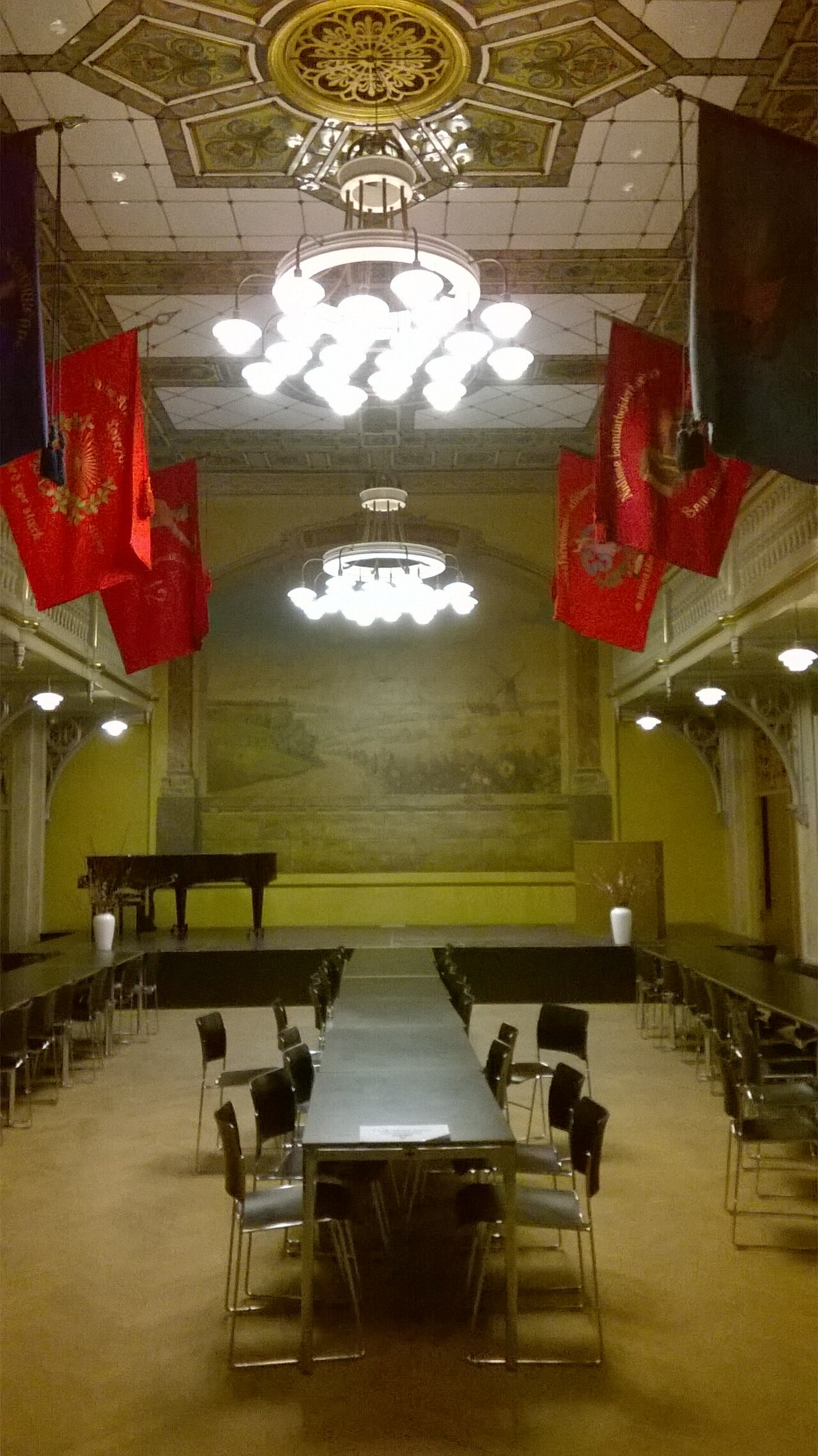
_in_Kopenhagen_02.jpg)
Worauf Sie achten sollten
The museum's historical building presents accessibility considerations that mobility-impaired visitors should investigate beforehand. Staircases between levels may lack modern alternatives in certain areas. Audio and tactile accommodations for visitors with sensory impairments require verification with staff. The reconstructed domestic interiors contain authentic period objects without protective barriers, necessitating careful movement. Children require supervision near fragile exhibits. Temporary closures of specific galleries for installation changes may affect visit completeness. Photography policies vary by exhibition and should be confirmed upon entry. A flexible visit lets travellers connect Workers Museum with the rest of the day without treating one room, viewpoint or photograph as the whole experience. The useful pace depends on personal interest and conditions on arrival.
Geprüft 2026-08-26
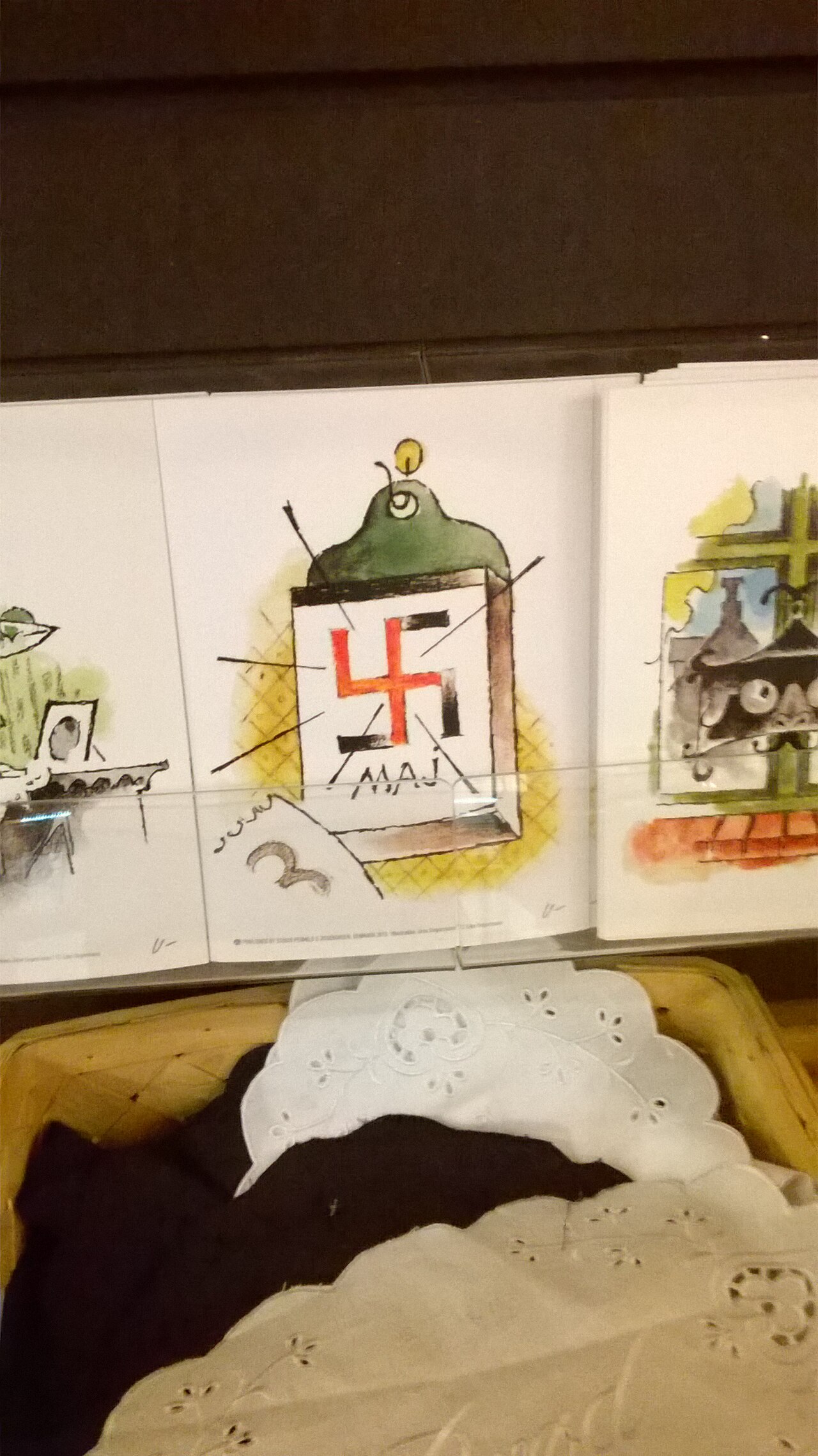
_in_Kopenhagen_04.jpg)
Fotografie
Photography regulations within the Workers Museum are not specified in available source material and should be confirmed upon arrival. Danish museums generally permit non-flash photography in permanent collections while restricting it in temporary exhibitions or loaned works. Tripods and professional equipment typically require advance authorisation. Visitors intending to publish or commercially exploit images must secure explicit permissions. Respect for fellow visitors and exhibit integrity should guide all photographic behaviour. Staff guidance on specific restrictions should be followed without dispute.
Geprüft 2026-08-26
Häufige Fragen
Is the Workers Museum suitable for children for Workers Museum in Copenhagen?
The museum presents working-class history through domestic reconstructions and personal stories that families can explore together. Some archival content may engage older children more directly than younger visitors. Parental guidance helps interpret historical contexts.
Does the museum offer English-language information for Workers Museum in Copenhagen?
Danish museums commonly provide English translations for international visitors, though comprehensive multilingual coverage cannot be assumed for all exhibits. Visitors should verify current language provisions before visiting.
Are guided tours available for Workers Museum in Copenhagen?
Tour availability depends on museum programming and staffing. Group tours may require advance booking. Visitors should consult official channels for current tour schedules and language options.
Is there a café or restaurant on site for Workers Museum in Copenhagen?
On-site catering facilities are not confirmed in available sources. The central location provides numerous nearby dining options in surrounding streets.
Can I conduct research using museum archives for Workers Museum in Copenhagen?
The museum maintains archival collections related to labour history. Research access typically requires advance appointment and may involve usage conditions. Direct contact with museum staff is necessary to arrange scholarly visits.
Does the museum have a gift shop for Workers Museum in Copenhagen?
Retail facilities are not documented in available sources. Most Danish museums of comparable scale operate modest shops offering publications and related items, but this cannot be confirmed without verification.
Wo es ist
Interaktive Karte wird geladen…
Die interaktive Karte konnte nicht geladen werden.
In der Nähe
Passen Sie es in einen Plan ein
Externe Links
Zuletzt aktualisiert:
Quelle: OpenStreetMap-Mitwirkende, Wikidata ·