Historisches Denkmal · Innere Stadt, Vienna
Donnerbrunnen
Foto

- Heute
- Öffnungszeiten nicht erfasst
- Besuchsdauer
- 45 Min
- Barrierefreiheit
- Nicht erfasst
- Preis
- Nicht erfasst
- Einordnung
- Muss man gesehen haben · Kulturerbe
- Rang
- Rang 88 von 5,640
Über Donnerbrunnen
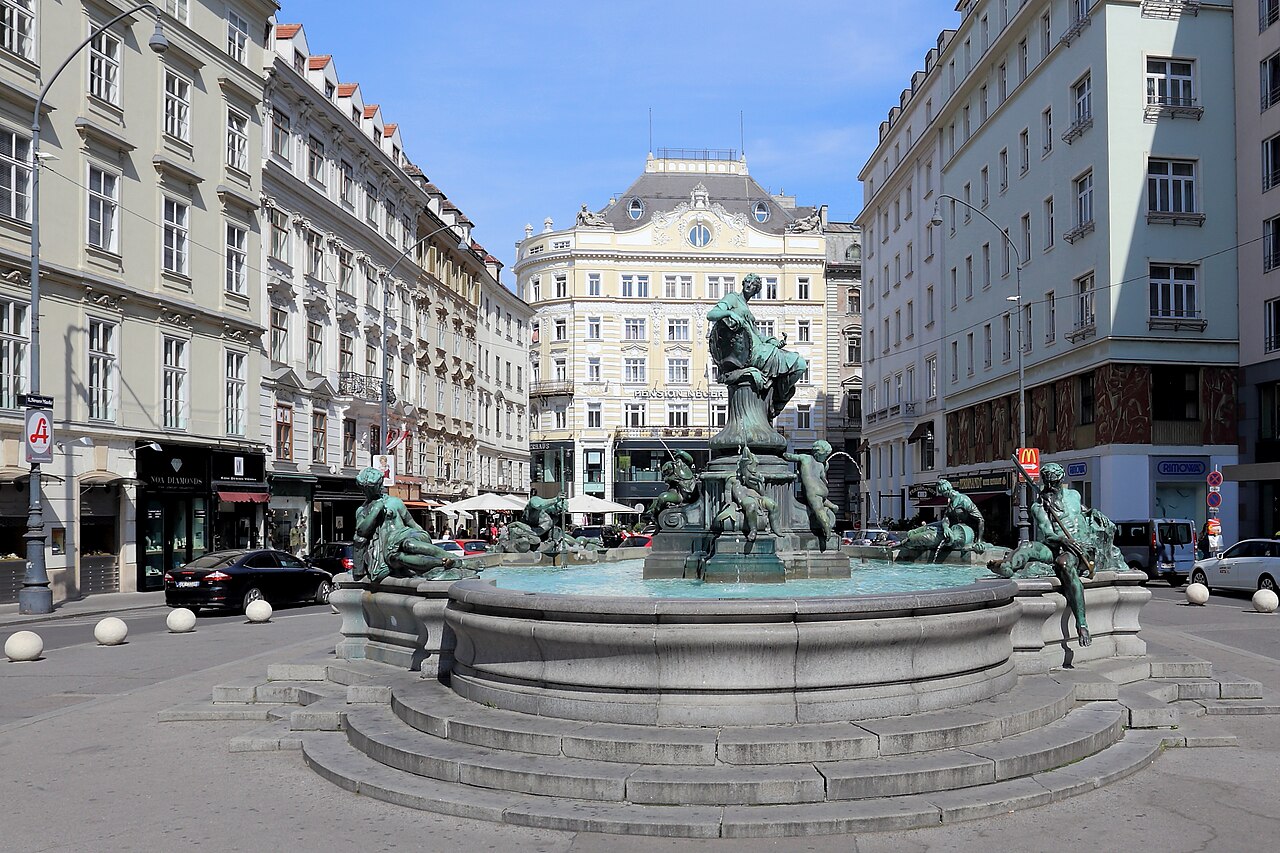
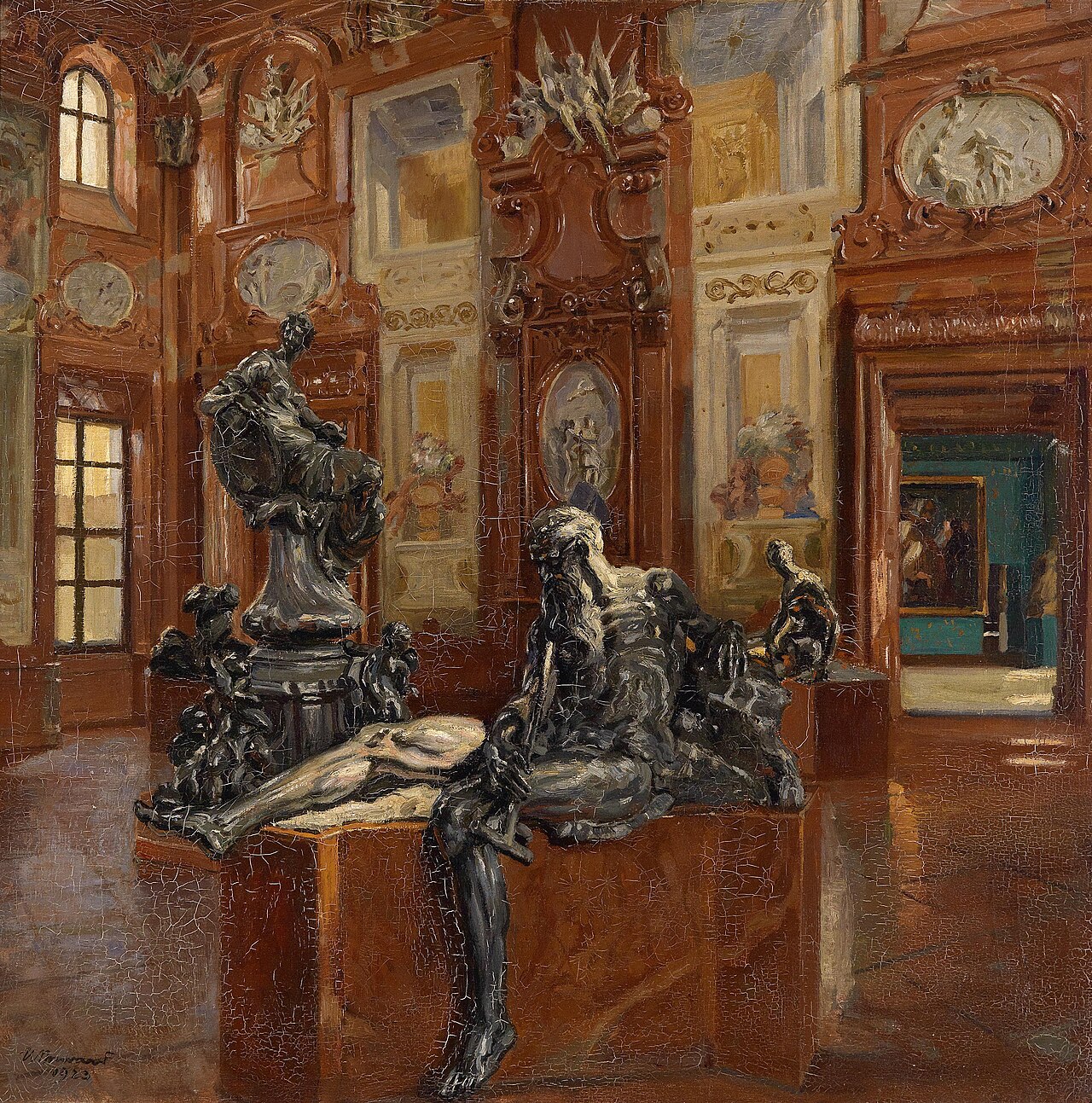
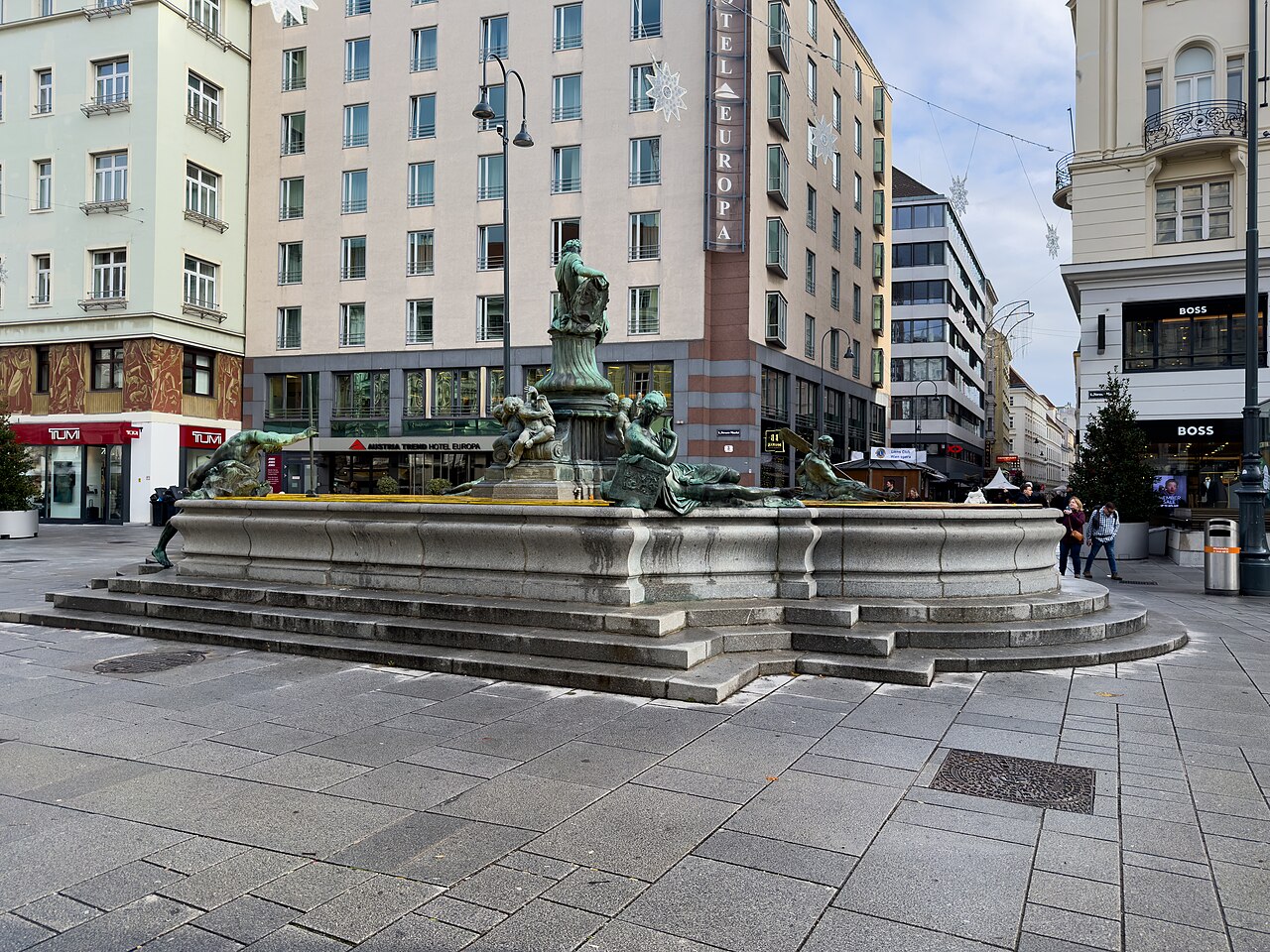
The Donnerbrunnen, also known as the Providentia Fountain, stands as a significant Baroque monument in Vienna's Neuer Markt square. Created by sculptor Georg Raphael Donner between 1737 and 1739, this fountain represents one of the most important sculptural works of its era in the Austrian capital. The central figure depicts the Roman goddess Providentia overseeing four allegorical river figures symbolizing the major waterways of the Habsburg Empire. The original lead figures were replaced with bronze copies in 1873, with the originals now preserved at the Österreichische Galerie Belvedere.
Geprüft 2026-08-26
Was ist drin?
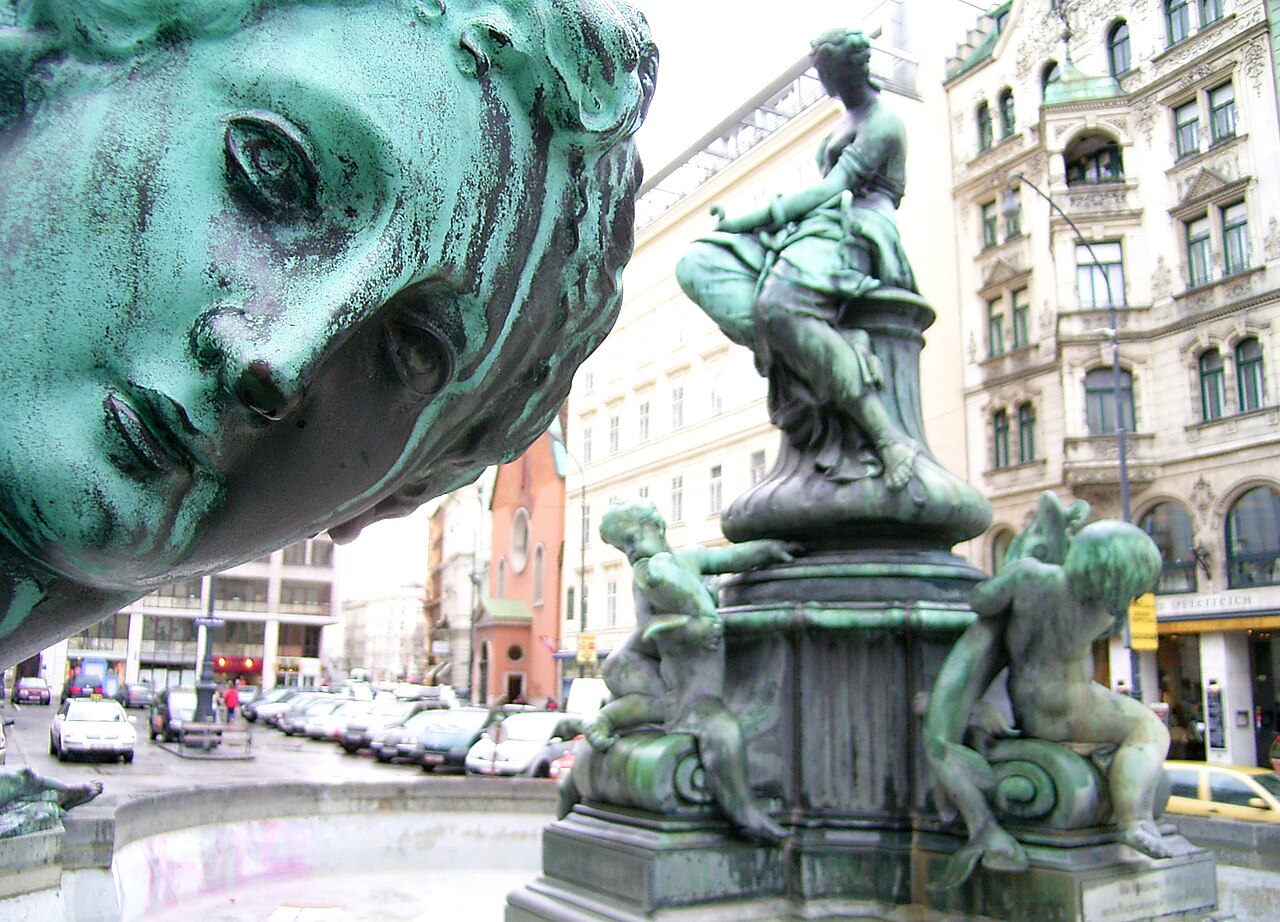
The fountain composition centers on Providentia standing atop a column, with four reclining river gods positioned at the base representing the Danube, Enns, March, and Ybbs rivers. Each figure displays distinctive attributes and poses characteristic of Baroque naturalism. The sculptural group demonstrates Donner's mastery of anatomical detail and dynamic movement. The architectural basin and surrounding elements frame the composition within the irregular space of Neuer Markt. Visitors observe the interplay between the vertical central axis and horizontal river figures from multiple vantage points around the square.
Geprüft 2026-08-26

Empfohlene Besuchsdauer
A visit to the Donnerbrunnen typically requires brief observation time, as it functions as an open-air monument freely accessible in a public square. Most visitors allocate fifteen to thirty minutes for viewing and photography. The duration depends on individual interest in Baroque sculpture and architectural context. Those examining details of the bronze figures and their symbolic attributes may spend additional time. The fountain integrates naturally into broader walks through Vienna's historic Innere Stadt district, where visitors encounter multiple monuments and architectural landmarks in sequence.
Geprüft 2026-08-26


Jahreszeit und Menschenmassen
The Donnerbrunnen remains visible year-round as an outdoor monument without enclosure. Operator-confirmed hours are Not recorded pending review. Daylight hours generally provide optimal conditions for observing sculptural details and photographing the fountain against its architectural surroundings. Seasonal variations affect atmospheric conditions and visitor density in Neuer Markt. Winter months may present the fountain with possible snow accumulation or ice formation. Summer evenings offer extended natural light. Visitors should exercise judgment regarding weather conditions and personal comfort when planning observation times. Donnerbrunnen also earns time in a vienna itinerary because Exact production identity way/566224106 is assigned through pois.city_place_id; stored production name and coordinates were copied without approximation. Its value becomes clearer when the stop is compared with the surrounding streets and the other ranked places nearby.
Geprüft 2026-08-26
Tickets
No admission fee applies to viewing the Donnerbrunnen, as it occupies a public square without controlled access. Operator-confirmed prices are Not recorded pending review. The monument requires no tickets, reservations, or guided tour arrangements for basic observation. Visitors bear responsibility for any incidental expenses related to their presence in the area, such as transportation, accommodation, or nearby commercial services. The absence of entry controls permits spontaneous visits integrated into broader exploration of Vienna's city center without advance financial planning for this specific site.
Geprüft 2026-08-26

Ankommen
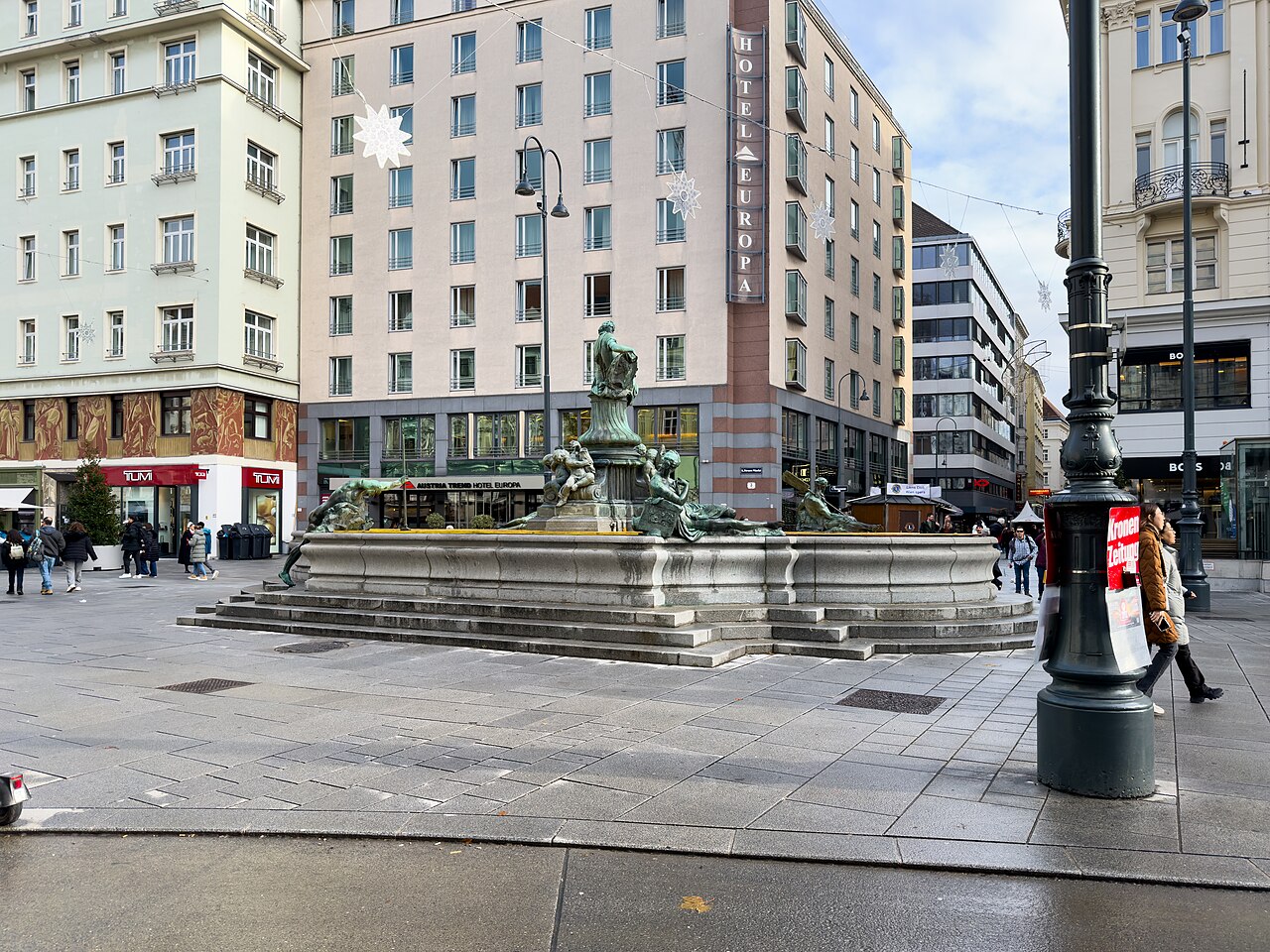
The Donnerbrunnen occupies Neuer Markt in Vienna's first district, Innere Stadt. Multiple public transportation options serve this central location. The U-Bahn stations Stephansplatz and Karlsplatz lie within walking distance, connecting to lines U1, U2, and U4. Tram lines 1, 2, D, and 71 operate along nearby Kärntner Straße and Ringstraße. Bus connections include multiple routes serving the inner city. Pedestrian access from major landmarks such as St. Stephen's Cathedral requires approximately ten minutes on foot. Visitors navigating Vienna's compact historic center encounter the fountain naturally along walking routes between attractions.
Geprüft 2026-08-26

Worauf Sie achten sollten
Visitors should remain aware of pedestrian and vehicular traffic in Neuer Markt, as the square functions as active urban space rather than dedicated monument precinct. The fountain basin edges present potential trip hazards, particularly in low-light conditions or inclement weather. Seasonal ice formation on surrounding surfaces requires caution during winter months. The bronze figures, while durable, deserve respectful treatment without climbing or touching that could cause damage or personal injury. General urban awareness applies regarding personal belongings in tourist-frequented areas. No specific safety infrastructure or personnel are assigned to this unmanned public monument.
Geprüft 2026-08-26

Fotografie
The Donnerbrunnen permits unrestricted photography from public vantage points around Neuer Markt. The monument's central position and multiple approaches enable varied compositional possibilities. Morning and afternoon light create contrasting effects on the bronze surfaces and architectural details. Wide-angle lenses accommodate the full sculptural group and basin; telephoto options isolate figure details. Night photography benefits from surrounding urban illumination, though dedicated monument lighting specifications are not recorded. Tripod use in the public square requires awareness of pedestrian flow. No commercial photography permits are indicated for standard visitor documentation.
Geprüft 2026-08-26
Häufige Fragen
Is the Donnerbrunnen the original Baroque sculpture for Donnerbrunnen in Vienna?
No. The visible figures are bronze copies installed in 1873. Georg Raphael Donner's original lead sculptures are preserved at the Österreichische Galerie Belvedere.
Does the Donnerbrunnen require an entrance ticket for Donnerbrunnen in Vienna?
No admission fee applies. The fountain stands in a public square without controlled access or entry requirements.
What do the four figures at the base represent for Donnerbrunnen in Vienna?
The reclining figures represent four rivers of the Habsburg Empire: the Danube, Enns, March, and Ybbs.
Are there specific opening hours for visiting for Donnerbrunnen in Vienna?
Operator-confirmed hours are Not recorded pending review. As an outdoor monument, it remains visible at all times without enclosure.
How much time should visitors allocate for Donnerbrunnen in Vienna?
Most visitors spend fifteen to thirty minutes. Duration varies based on interest in Baroque sculpture and photographic activity.
Is the Donnerbrunnen accessible for wheelchair users for Donnerbrunnen in Vienna?
The fountain occupies level public square pavement, though specific accessibility accommodations are not recorded. Surrounding urban infrastructure varies.
Wo es ist
Interaktive Karte wird geladen…
Die interaktive Karte konnte nicht geladen werden.
In der Nähe
Passen Sie es in einen Plan ein
Externe Links
Zuletzt aktualisiert:
Quelle: OpenStreetMap-Mitwirkende, Wikidata ·