


.jpg)
.jpg)
.jpg)
3 min walk
Washington Union Station
- Must see · Heritage site
- Historic monument
Language · 1 published
Museum · Washington
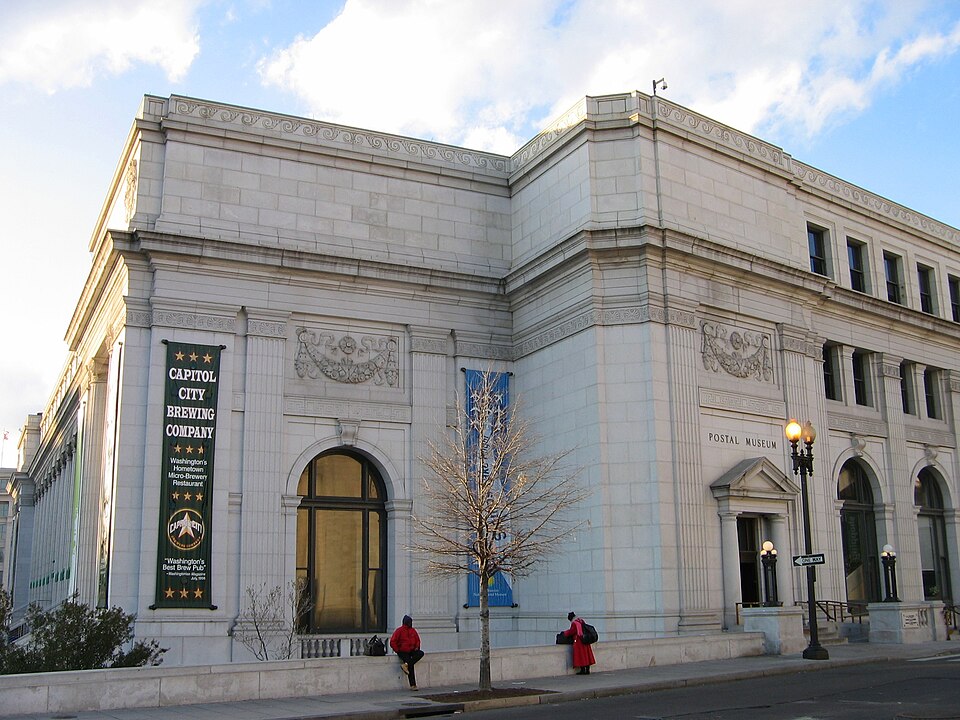
The National Postal Museum is a Smithsonian Institution museum dedicated to the history of the United States Postal Service and philately. Located adjacent to Union Station in Washington, D.C., it occupies the historic City Post Office building constructed in 1914. The museum preserves and interprets the nation's postal heritage through collections, exhibitions, and educational programs. It serves as a research center for postal history and maintains extensive holdings of stamps, mail, and related artifacts. The building itself represents Beaux-Arts architecture typical of early twentieth-century federal structures.
Checked 2026-08-26
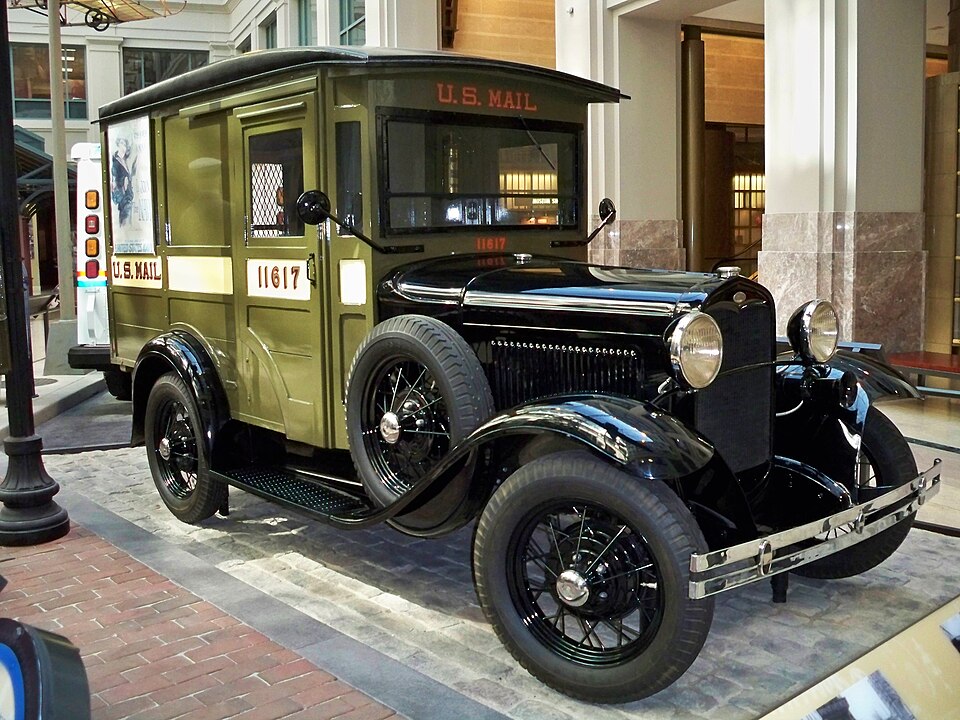
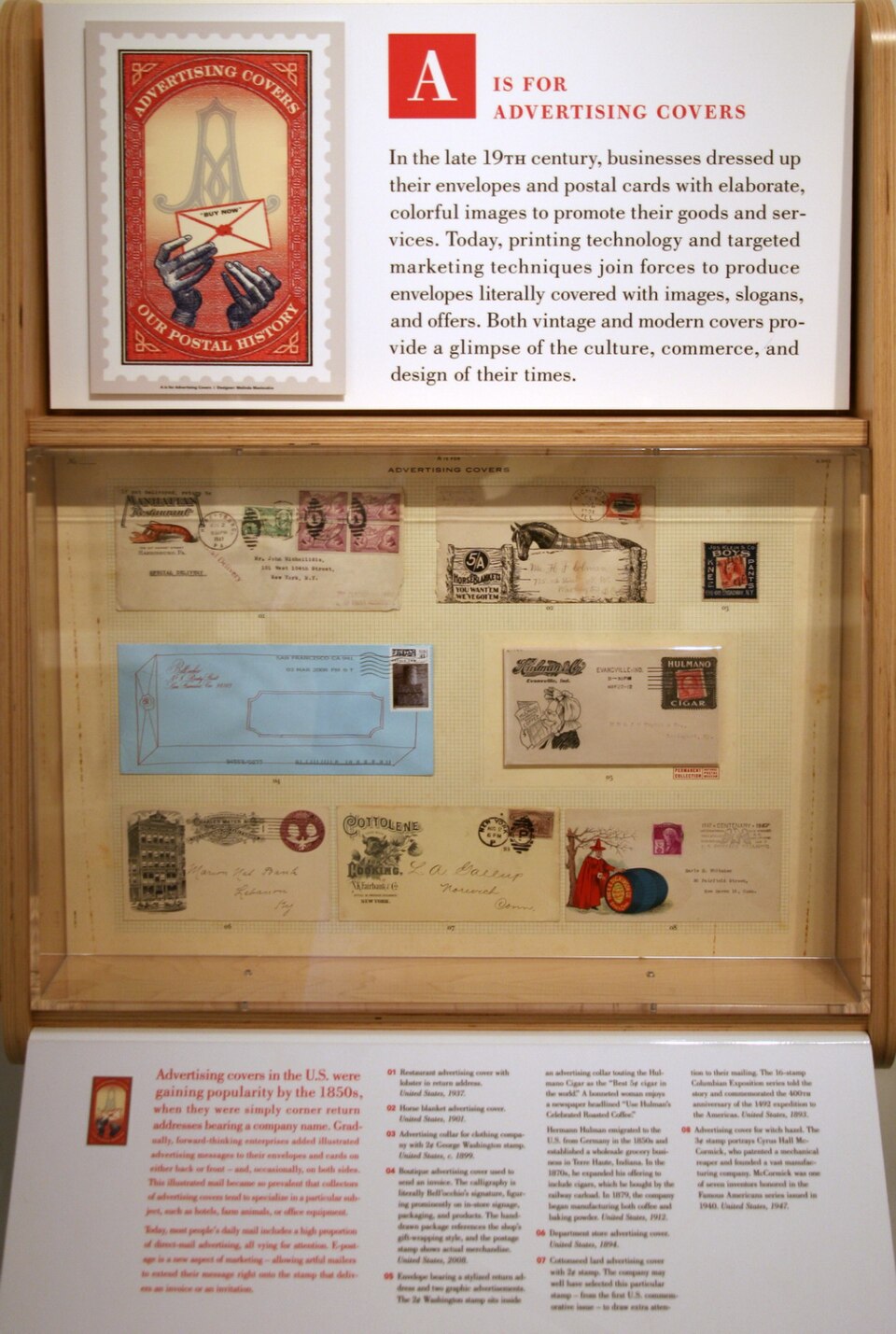
The museum's collections encompass postal history artifacts including mail delivery vehicles, mailboxes, and equipment spanning centuries of service. Stamp galleries display notable issues and rarities from American and international philately. Exhibitions explore topics such as mail transportation evolution, military mail systems, and the cultural significance of correspondence. Interactive elements allow visitors to engage with sorting processes and design considerations. The museum houses research facilities supporting scholarly investigation. Rotating temporary exhibitions complement permanent installations, addressing specialized themes within postal communications history. National Postal Museum also earns time in a washington dc itinerary because The Smithsonian museum for postal history, beside Union Station. Live Wikipedia resolved Q144900; its coordinate is 21 m from the unique production POI. Its value becomes clearer when the stop is compared with the surrounding streets and the other ranked places nearby.
Checked 2026-08-26
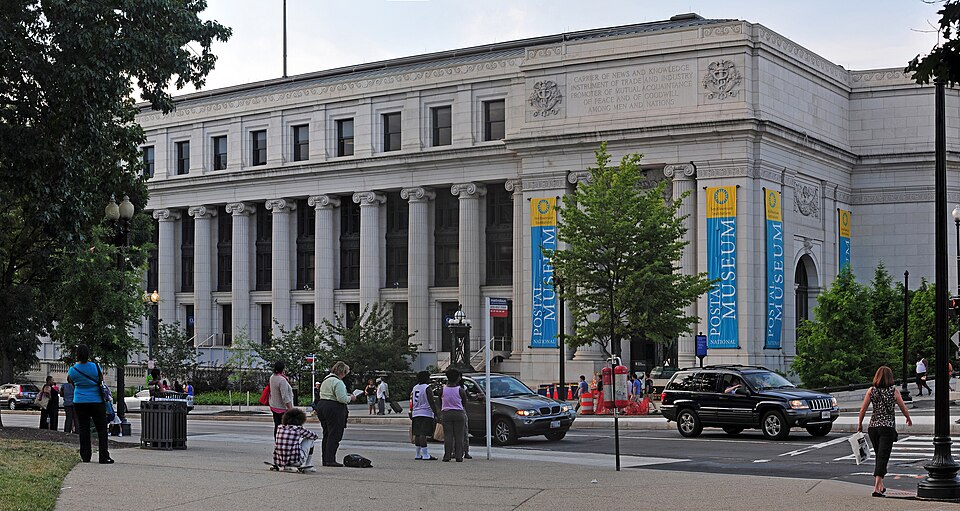
Visitor duration varies substantially based on individual interests. Casual observers typically require approximately one to two hours for a general overview of main galleries. Philatelic specialists and postal history enthusiasts may spend considerably longer examining detailed collections and utilizing research resources. The museum's compact physical layout relative to other Smithsonian institutions enables efficient navigation. Families with children might adjust timing according to engagement levels with interactive components. Self-directed pacing allows flexible scheduling without rigid tour structures or mandatory progression routes.
Checked 2026-08-26
Operator-confirmed hours are Not recorded pending review. Visitors should consult official Smithsonian channels or the museum's direct communications for current operating schedules before planning visits. Seasonal variations in Washington, D.C. tourism affect general crowd patterns, though this museum typically experiences lower visitation than flagship Smithsonian locations on the National Mall. Morning arrivals often provide quieter conditions for detailed examination of exhibits. Consider proximity to Union Station when coordinating transportation schedules, as rail arrivals and departures generate periodic pedestrian congestion in immediate surroundings.
Checked 2026-08-26
Operator-confirmed prices are Not recorded pending review. As a Smithsonian Institution museum, admission has historically followed the Smithsonian's general policy of free entry, though visitors should verify current status through official channels. Special programs or temporary exhibitions occasionally involve separate arrangements. Group visit protocols may require advance coordination. Donation opportunities typically support museum operations and programming. Membership programs through affiliated philatelic organizations may provide additional benefits. Always confirm financial requirements directly before visiting, as institutional policies undergo periodic administrative review and adjustment.
Checked 2026-08-26
The museum's location beside Union Station provides exceptional multimodal accessibility. Washington Metro services connect through Union Station on the Red Line. Amtrak, MARC, and Virginia Railway Express trains serve this hub. Multiple Metrobus routes operate nearby. The building's street-level entrance faces Massachusetts Avenue Northeast. Bicycle infrastructure exists in surrounding areas. Limited automobile parking may be available in vicinity structures; Union Station itself maintains parking facilities. Pedestrian access from the National Mall area involves moderate walking distance. Capital Bikeshare stations are present in surrounding blocks.
Checked 2026-08-26
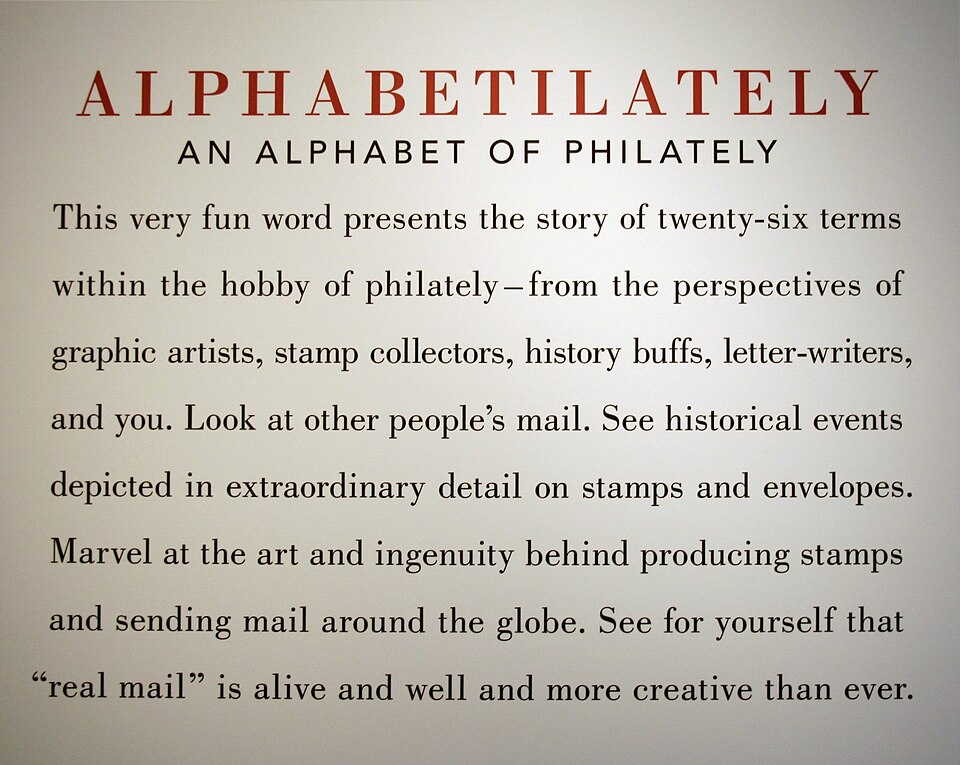
Urban environment considerations apply in this central Washington location. Standard metropolitan awareness regarding personal belongings remains prudent. The museum's position adjacent to major transportation hub generates variable foot traffic and occasional solicitation activity outside. Interior climate control may require layered clothing adjustment. Some historical exhibits contain content reflecting periods with different social standards, potentially requiring contextual discussion with younger visitors. Accessibility features are present but individual accommodation needs warrant advance inquiry. Photography policies may restrict certain collections; observe posted guidance and staff direction.
Checked 2026-08-26
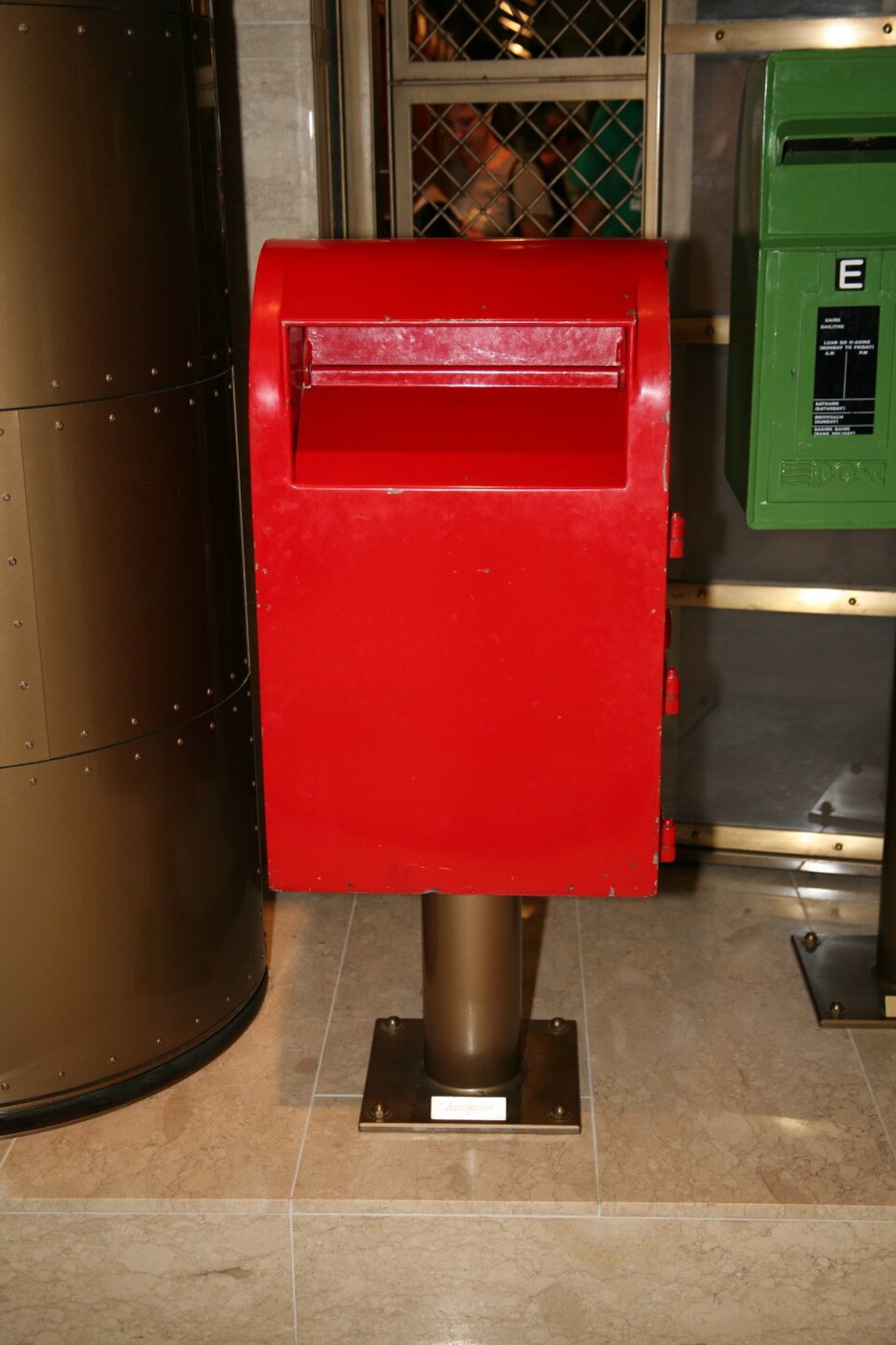
Photography policies within Smithsonian museums typically permit non-flash personal photography for private use in permanent collection areas, though specific restrictions apply to certain objects, loaned exhibitions, or designated spaces. Visitors should observe posted signage and comply with staff instructions regarding prohibited zones. Commercial, promotional, or artistic photography generally requires advance institutional permission and potential fee arrangements. Tripod and monopod use often faces restriction due to spatial and safety considerations. Video recording may encounter separate protocols. Respect for other visitors' experience and collection preservation remains paramount.
Checked 2026-08-26
Operator-confirmed prices are Not recorded pending review. Smithsonian Institution museums have historically maintained free admission policies, but visitors should verify current status through official channels before visiting.
Union Station, adjacent to the museum, serves as a major transportation hub with Washington Metro Red Line service, Amtrak, MARC, Virginia Railway Express, and multiple Metrobus routes.
Collections include postal history artifacts, mail delivery vehicles, stamp galleries, interactive exhibits about mail processing, and rotating temporary exhibitions related to postal communications history.
Casual visitors typically spend one to two hours; enthusiasts may spend considerably longer. The compact layout enables efficient navigation compared to larger Smithsonian institutions.
Accessibility features are present, but individuals with specific accommodation needs should contact the museum in advance to ensure appropriate arrangements can be made.
Non-flash personal photography is typically permitted in permanent collection areas for private use, but restrictions apply to certain objects and exhibitions. Visitors should observe posted signage and staff instructions.
Loading the interactive map…
The interactive map could not be loaded.
Last updated:
Source: OpenStreetMap contributors, Wikidata ·