


.jpg)
9 min walk
Eastern Market
- Must see · Heritage site
- Market
Language · 1 published
Historic monument · Washington
Emancipation Monument
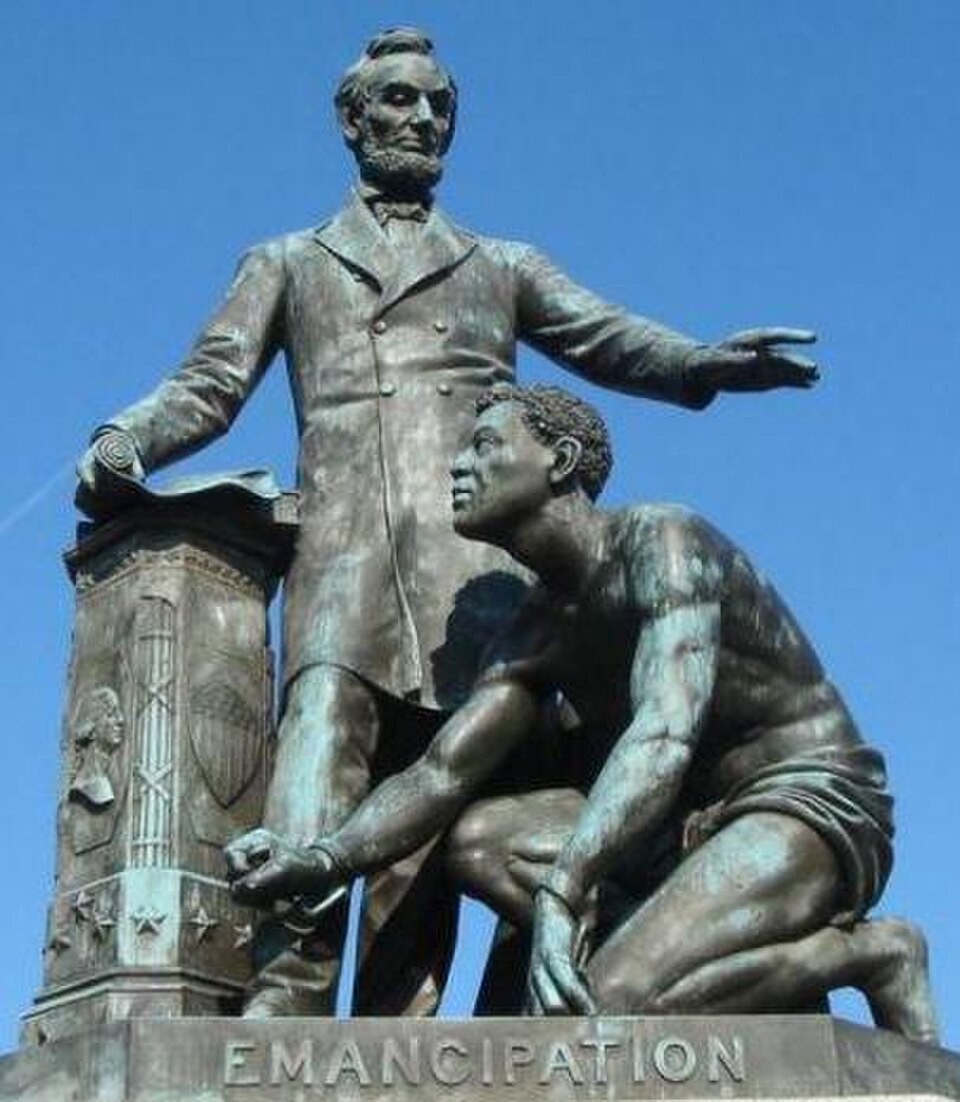
The Emancipation Memorial, also known locally as the Emancipation Monument, is an 1876 sculpture located in Lincoln Park on Capitol Hill in Washington, D.C. The memorial depicts President Abraham Lincoln standing and a freedman kneeling at his feet. Dedicated in 1876, it was funded primarily by formerly enslaved African Americans, with contributions collected by the Western Sanitary Commission. The monument stands as one of the earliest public memorials to Lincoln and emancipation in the United States. Its creation and imagery have generated significant public debate throughout its history regarding representation and historical narrative.
Checked 2026-08-26
The memorial consists of a bronze sculptural group set upon a stone pedestal in an outdoor park setting. Lincoln Park surrounds the monument with landscaped grounds, pathways, and seating areas typical of urban public parks. The sculpture itself features two human figures in bronze. No enclosed building, museum, or visitor center is associated with this monument. Visitors encounter the work as an open-air public artwork within the broader park environment. The surrounding neighborhood of Capitol Hill provides additional historical context through its nineteenth-century residential architecture and proximity to other significant sites.
Checked 2026-08-26
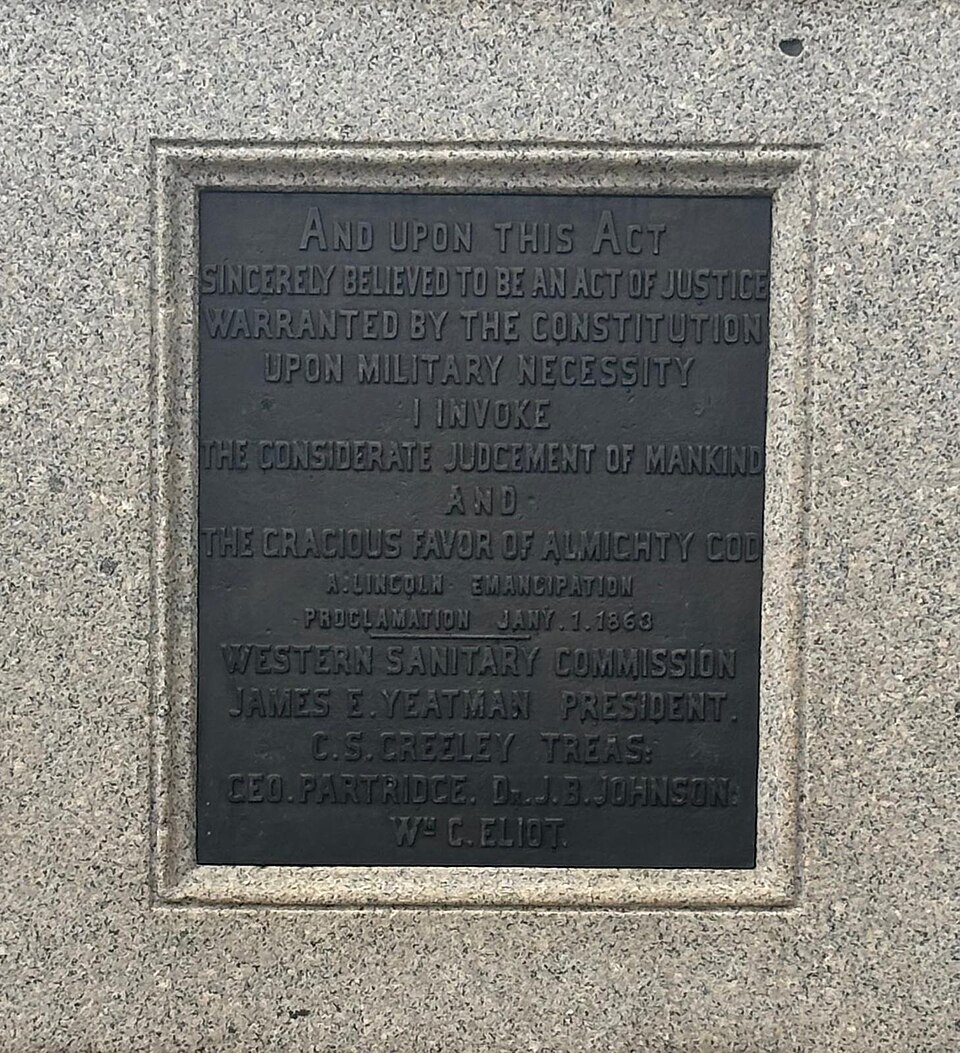
A visit to the Emancipation Memorial typically requires fifteen to thirty minutes for viewing and reading any inscriptions. The duration depends on individual interest in examining sculptural details, reflecting on historical context, and photographing the monument. Many visitors incorporate the memorial into broader walking tours of Capitol Hill or Lincoln Park. The park setting permits extended stays for relaxation or picnicking. No guided tours, audio programs, or interpretive staff are present at the site itself. Visitors should allocate additional time for transit to and from this location within the city.
Checked 2026-08-26
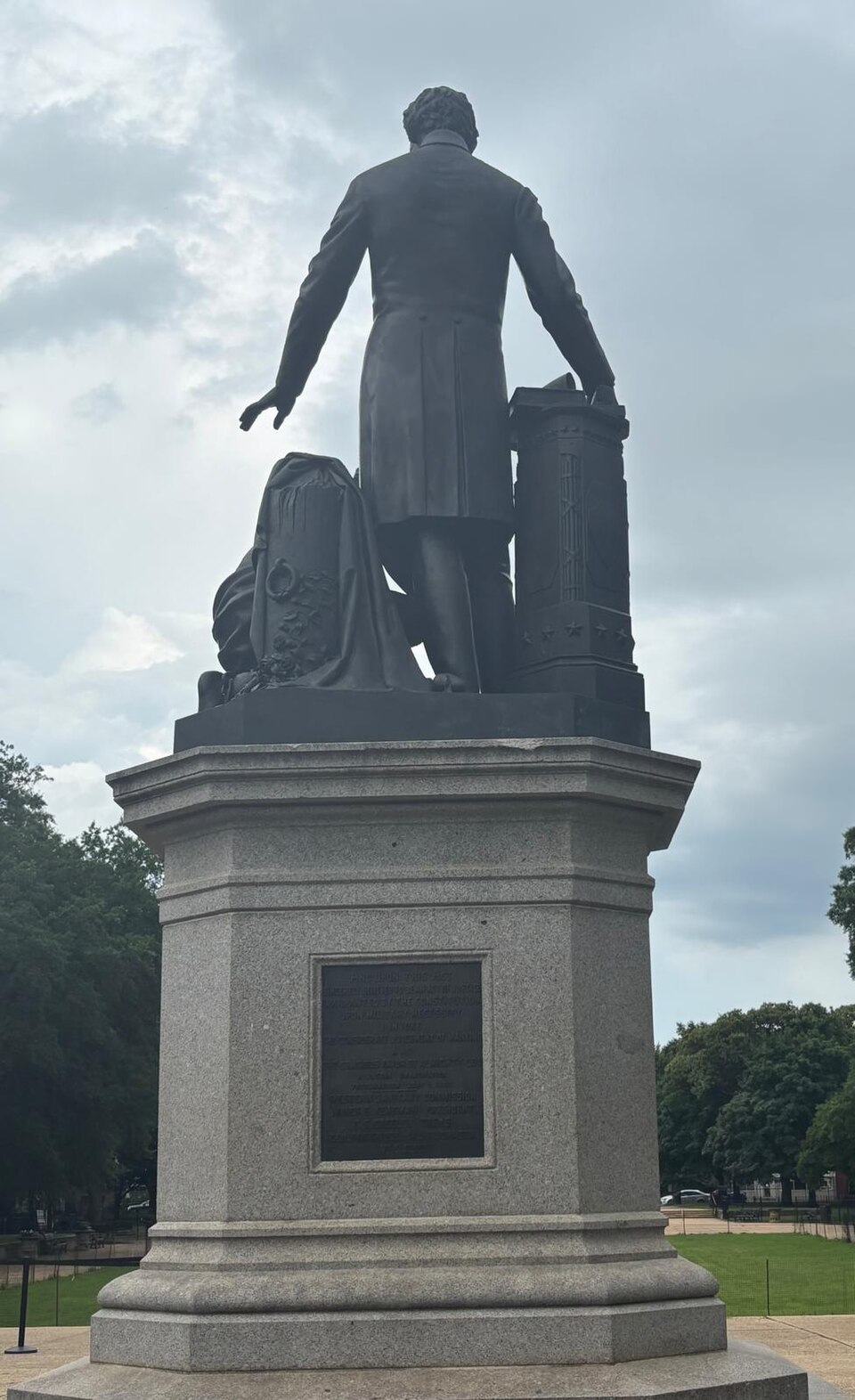
The Emancipation Memorial is situated in an outdoor public park accessible at all hours. Lincoln Park operates as municipal open space without gated entry. Operator-confirmed hours are Not recorded pending review. The monument may be visited during daylight hours for optimal visibility of sculptural details and inscriptions. Evening visits are possible though lighting conditions diminish appreciation of fine details. Seasonal weather in Washington, D.C. varies considerably; summer brings heat and humidity while winter can produce freezing temperatures. Spring and autumn generally offer moderate conditions favorable to outdoor park visitation.
Checked 2026-08-26
No admission fee is required to view the Emancipation Memorial. The monument stands in a public park without entry controls or ticketing infrastructure. Operator-confirmed prices are Not recorded pending review. Visitors do not purchase tickets in advance or upon arrival. The site imposes no residency restrictions or timed entry requirements. Donation boxes or funding mechanisms for monument maintenance are not present at the location. Any organized programs or events in Lincoln Park that might involve separate arrangements would be administered by Washington, D.C. authorities rather than monument-specific operators.
Checked 2026-08-26

The Emancipation Memorial occupies Lincoln Park at the intersection of Massachusetts Avenue and East Capitol Street in Washington, D.C.'s Capitol Hill neighborhood. The site is accessible via Washington Metropolitan Area Transit Authority services; the Eastern Market Metro station on the Blue, Orange, and Silver lines lies approximately ten blocks south. Multiple bus routes serve the surrounding area. Street parking is available though often competitive in this residential-commercial district. Bicycle lanes and Capital Bikeshare stations support cycling access. Walking from the United States Capitol grounds takes roughly fifteen minutes. The location is not recorded as wheelchair-accessible in supplied materials.
Checked 2026-08-26

The Emancipation Memorial has been subject to sustained public controversy and calls for removal due to its depiction of a kneeling freedman in a subordinate posture relative to Lincoln. Visitors should anticipate that this imagery may provoke strong emotional responses. The sculpture has been vandalized and surrounded by protective fencing at various periods; temporary barriers may affect proximity. As an unstaffed outdoor site, visitors exercise standard urban park precautions regarding personal belongings and surroundings. No drinking fountains, restrooms, or shelter facilities are immediately adjacent to the monument itself. Weather exposure is complete with no canopy or covering.
Checked 2026-08-26
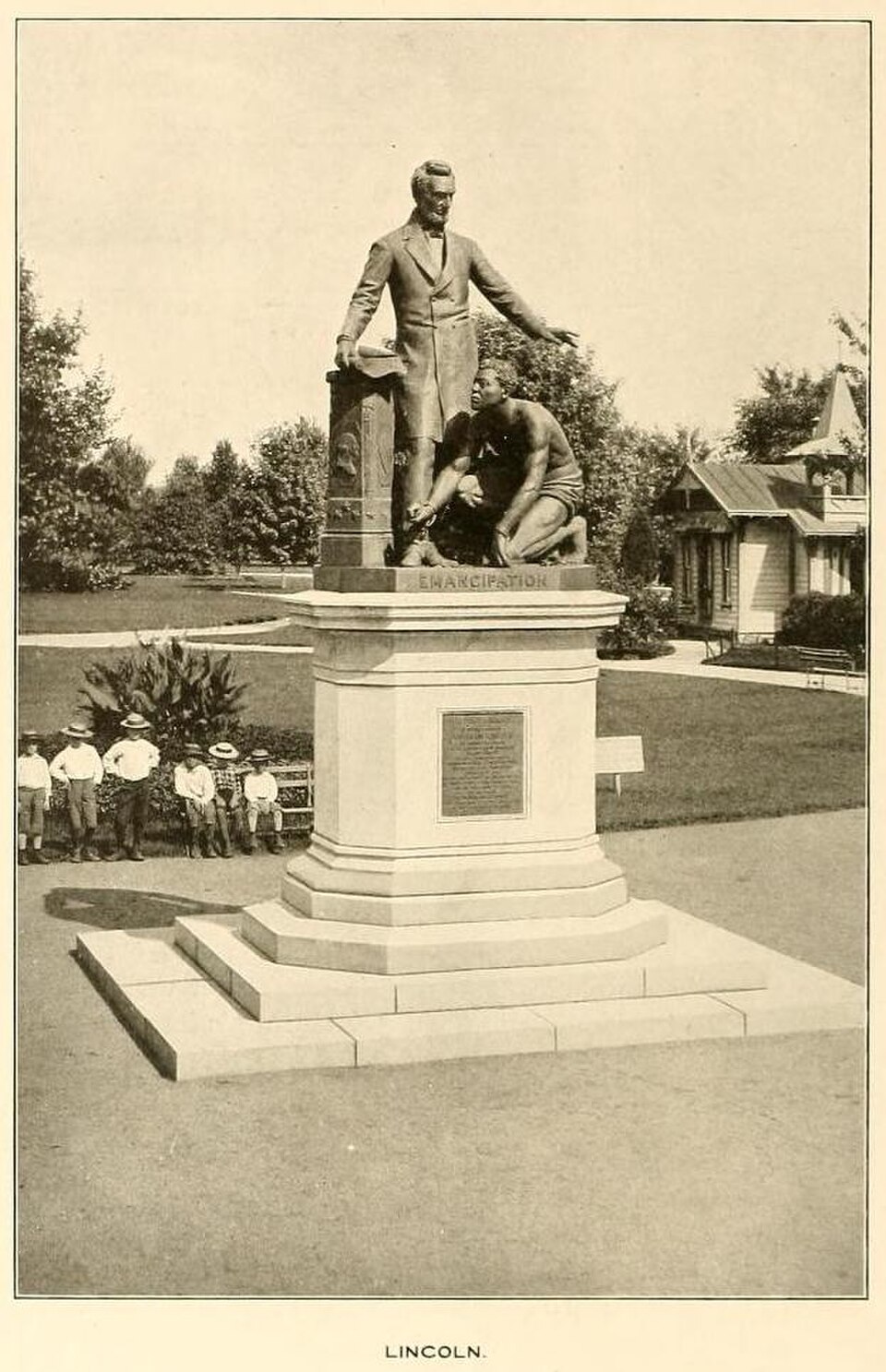
Photography of the Emancipation Memorial is unrestricted as an outdoor public artwork in municipal parkland. Visitors may capture images from multiple angles around the pedestal base. Early morning or late afternoon light produces favorable conditions for photographing bronze surfaces and inscription details. The monument's orientation and surrounding trees create variable shadow patterns throughout the day. No flash restrictions, tripod prohibitions, or commercial photography permits are indicated in available sources. Drone operation would fall under Federal Aviation Administration and Washington, D.C. regulations rather than site-specific policies. Respectful conduct is advisable given the memorial's contested status in public discourse.
Checked 2026-08-26
The monument remains in Lincoln Park as of the knowledge cutoff, though it has been subject to removal debates and protective measures.
The Western Sanitary Commission collected funds primarily from formerly enslaved African Americans for its creation and dedication in 1876.
No restroom facilities are located immediately at the monument site; visitors must use facilities elsewhere in the surrounding Capitol Hill area.
Physical contact is possible at this unstaffed outdoor site, though visitors should exercise respectful judgment regarding this historically contested artwork.
Dedicated nighttime illumination is not recorded in available sources; visibility after dark depends on ambient urban lighting conditions.
No guided tours or interpretive staff operate specifically at this monument; visitors rely on self-directed observation and external historical resources.
Loading the interactive map…
The interactive map could not be loaded.
Last updated:
Source: OpenStreetMap contributors, Wikidata ·