
.jpg)


1 min walk
City Lights Bookstore
- Must see
- Market
Language · 1 published
Museum · San Francisco
| Monday | 10:00 – 19:00 |
|---|---|
| Tuesday | 10:00 – 19:00 |
| Wednesday | 10:00 – 19:00 |
| Thursday | 10:00 – 19:00 |
| Friday | 10:00 – 19:00 |
| Saturday | 10:00 – 19:00 |
| Sunday | 10:00 – 19:00 |
Parsed from OpenStreetMap opening hours on 2026-08-26.
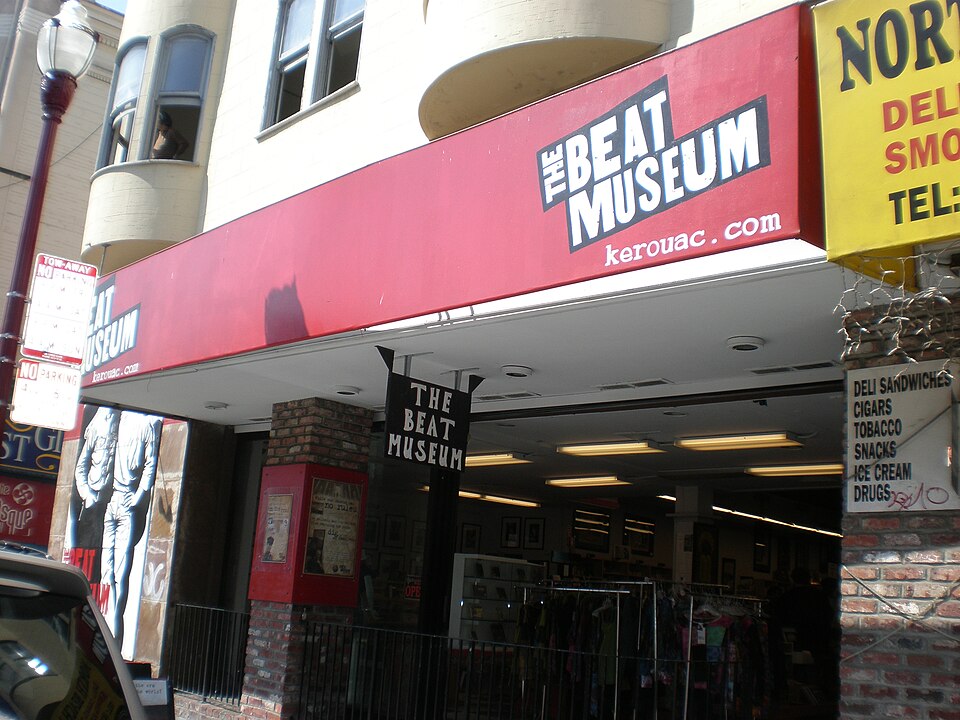
The Beat Museum is a small museum in San Francisco's North Beach neighbourhood dedicated to the Beat Generation, the literary and cultural movement that emerged in the 1950s. North Beach was a significant centre for Beat writers including Jack Kerouac, Allen Ginsberg, and Lawrence Ferlinghetti. The museum occupies a storefront location in this historically relevant district, placing visitors within the same streets where Beat culture flourished decades earlier. Its position in North Beach provides geographical context that complements its collection. The Beat Museum also earns time in a san francisco itinerary because Small but uniquely placed North Beach museum for the Beat Generation. Its value becomes clearer when the stop is compared with the surrounding streets and the other ranked places nearby.
Checked 2026-08-26
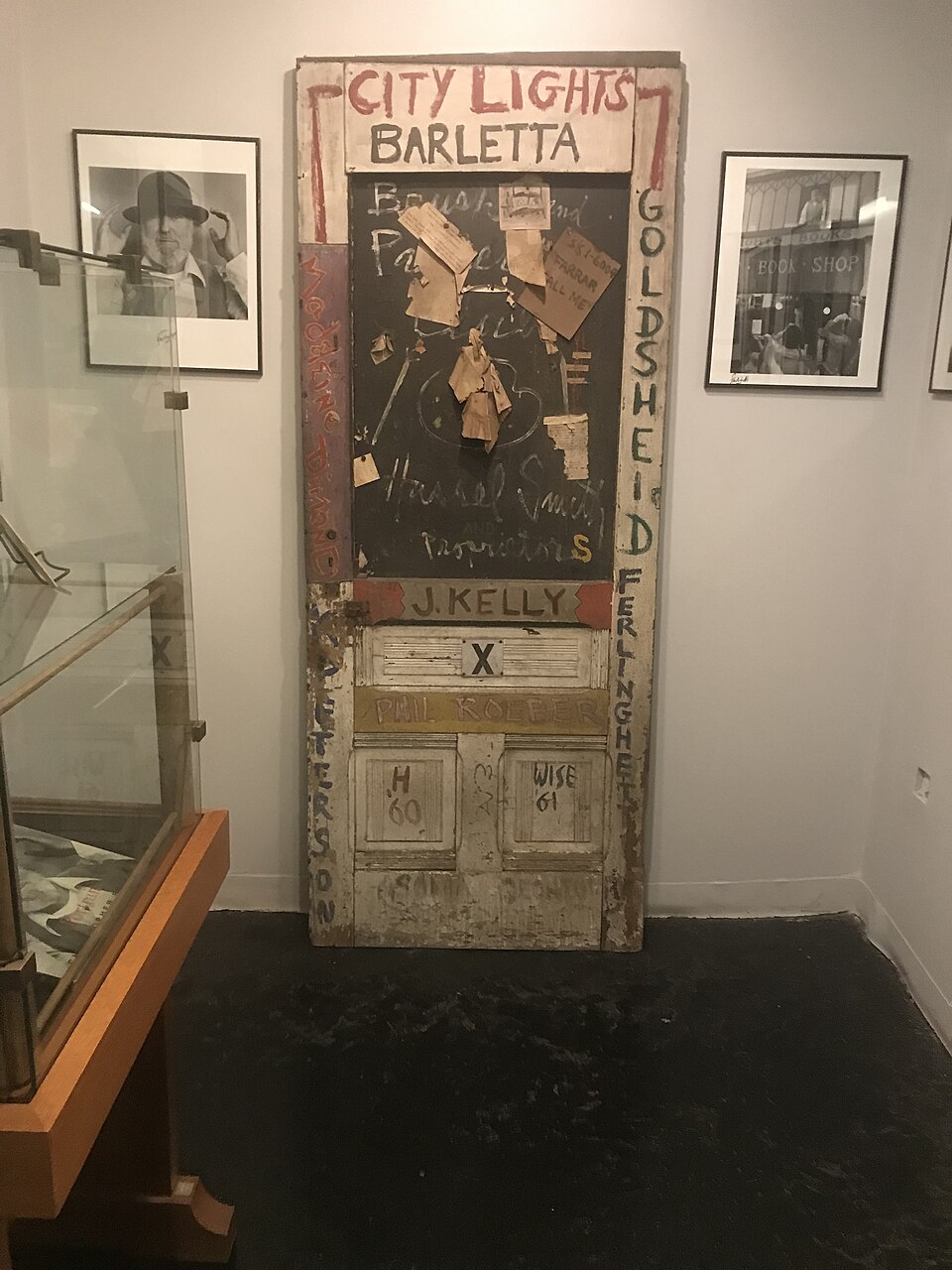
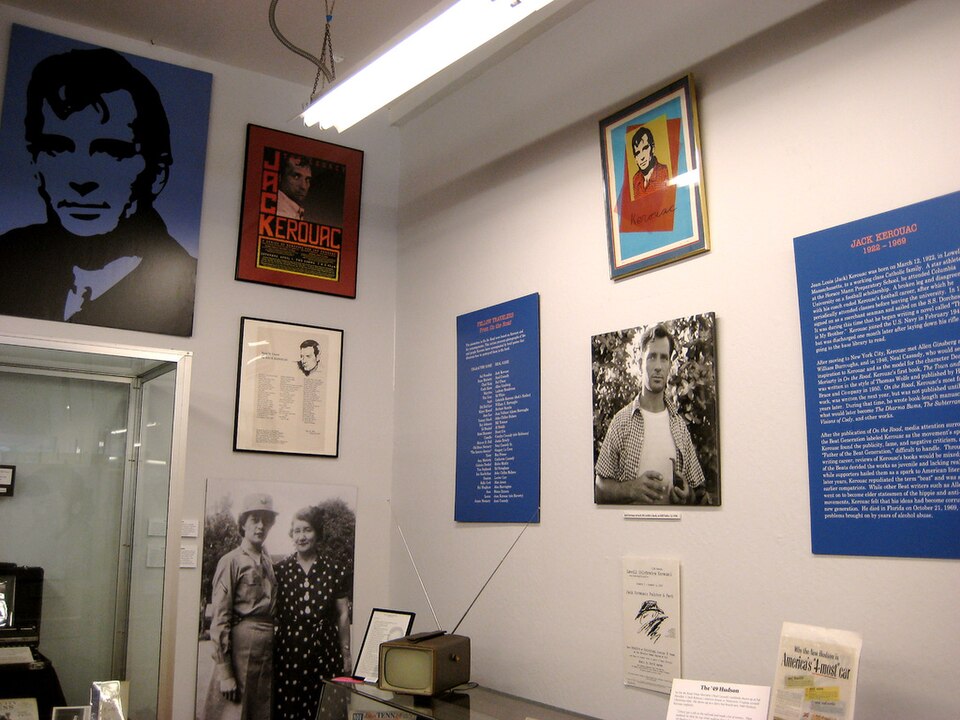
The museum contains artefacts, memorabilia, and materials connected to Beat Generation figures and their cultural impact. Visitors can expect displays related to key writers, poets, and artists associated with the movement. The collection reflects the unconventional, anti-establishment spirit that characterised Beat literature and lifestyle. Given its small size, the museum offers an intimate rather than comprehensive experience. Specific details about current exhibitions or individual items would require direct confirmation from the museum's website or staff, as collections may change over time.
Checked 2026-08-26

Most visitors spend approximately one to two hours at The Beat Museum, though individual pacing varies considerably depending on interest level in Beat Generation history. The compact nature of the space means there is limited ground to cover physically, but readers and enthusiasts may linger longer examining documents, photographs, and reading accompanying text. Those with casual curiosity might complete a visit more quickly. No guided tour duration is recorded. Visitors should allocate time according to their personal engagement with literary and countercultural history.
Checked 2026-08-26
Operator-confirmed opening hours are Not recorded pending review. Visitors should consult the museum's official website at https://thebeatmuseum.org/ for current operating times before planning their visit. North Beach as a neighbourhood offers appeal throughout the year, with street life and nearby cafes providing atmosphere regardless of museum hours. Weekend afternoons may bring more foot traffic to the area. Morning visits potentially offer quieter conditions for reading exhibit materials. Seasonal weather in San Francisco remains relatively mild, though fog and wind are common.
Checked 2026-08-26
Operator-confirmed admission prices are Not recorded pending review. The museum's website at https://thebeatmuseum.org/ should be consulted for current ticket costs, any available discounts, and accepted payment methods. Small independent museums sometimes offer reduced rates for students, seniors, or other categories, though this cannot be confirmed without direct verification. Visitors should budget appropriately and carry multiple payment options. Membership or donation programmes may exist for those wishing to support the institution's preservation efforts. No advance booking requirements are recorded.
Checked 2026-08-26
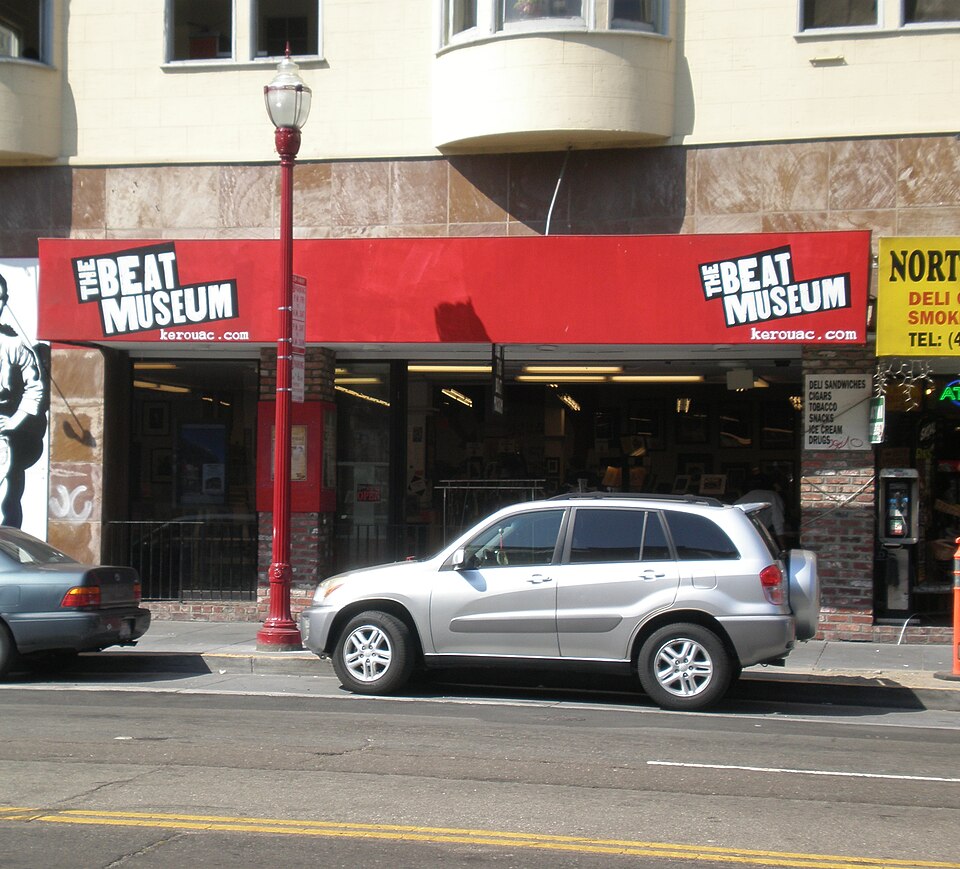
The Beat Museum sits in North Beach, accessible via San Francisco's public transit network including buses and the historic F Market streetcar line. Walking from nearby neighbourhoods like Chinatown or Fisherman's Wharf is feasible for able visitors. Parking in North Beach is notoriously difficult and expensive; public transportation or rideshare services are strongly advised. The museum's street-level storefront location should present no significant accessibility challenges, though specific accommodation details are unconfirmed. Visitors should verify exact address and nearby landmarks through the official website before departure.
Checked 2026-08-26
North Beach remains an active commercial and residential neighbourhood with uneven sidewalks and hills characteristic of San Francisco. Visitors should watch for traffic when crossing streets absorbed in neighbourhood atmosphere. The museum's small interior may become crowded during peak periods. Some Beat Generation subject matter addresses adult themes including drug use and sexuality, which may inform parental discretion. The surrounding area contains numerous bars and restaurants; evening atmosphere shifts notably from daytime. Personal belongings require standard urban vigilance. No specific security concerns are recorded for this location.
Checked 2026-08-26
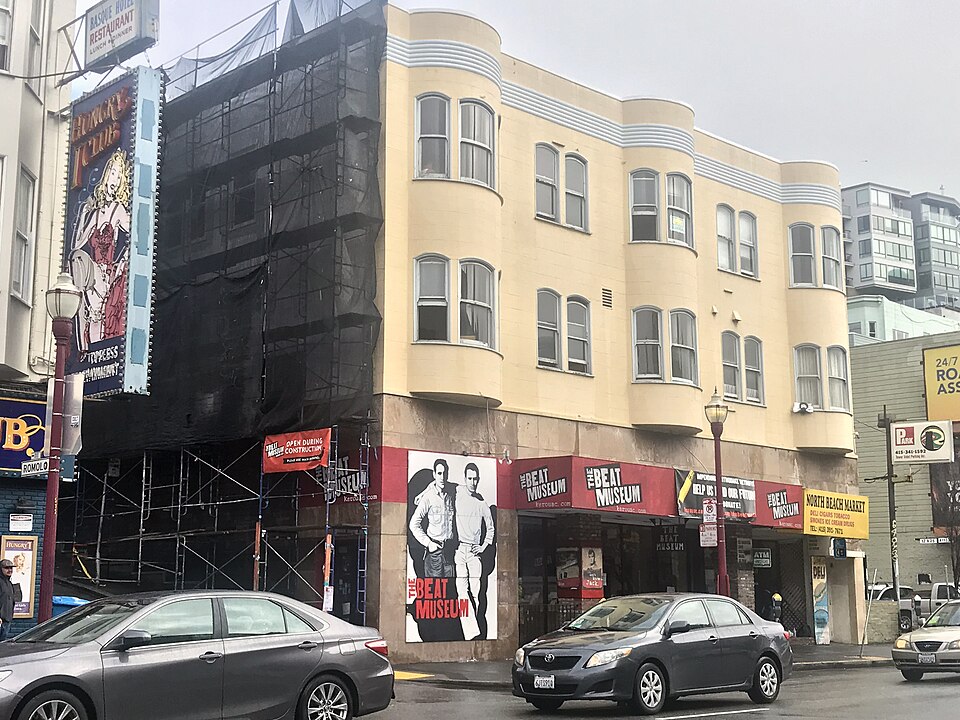
Photography policies at The Beat Museum are not explicitly documented in available sources. Visitors should assume restrictions may apply, particularly for flash photography or filming, and should request clarification from staff upon entry. Many small museums permit non-flash photography for personal use while prohibiting commercial or promotional capture. Respect for artefacts and other visitors should guide behaviour regardless of formal rules. When in doubt, asking permission demonstrates appropriate courtesy. Any photography in the surrounding North Beach streets falls under standard public space conventions with usual considerations for private property and individual privacy.
Checked 2026-08-26
The museum's Beat Generation content includes adult themes that parents may wish to preview. No specific age recommendations are recorded.
Whether The Beat Museum operates a gift shop is not recorded in available sources. Visitors should inquire directly or check the website.
Whether guided tours are offered is not recorded. The museum's website or direct contact would provide current information about tour options.
Specific accessibility features are not recorded. The street-level location suggests basic accessibility, but visitors with mobility requirements should confirm directly.
City Lights remains an active bookstore with historical significance, while The Beat Museum is a dedicated exhibition space. They offer different but complementary experiences.
Donation policies are not recorded. Potential donors should contact the museum directly through its website to discuss any materials of possible interest.
Loading the interactive map…
The interactive map could not be loaded.
Last updated:
Source: OpenStreetMap contributors, Wikidata ·