_(11062434853).jpg)
_(11062448793).jpg)
_(11062417793).jpg)
2 min walk
Boston Children's Museum
- Must see
- Museum
Language · 1 published
Museum · Boston
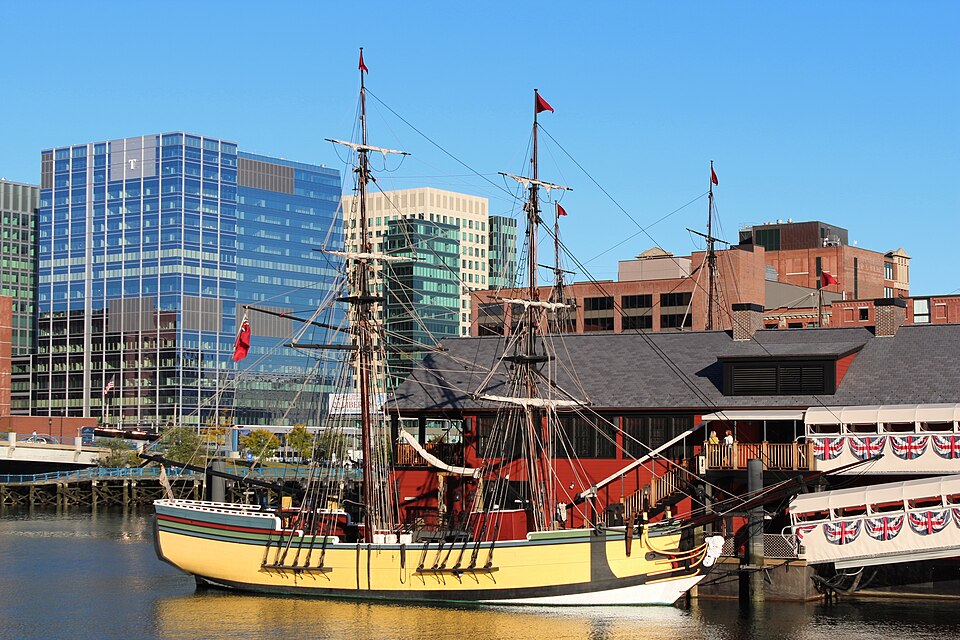
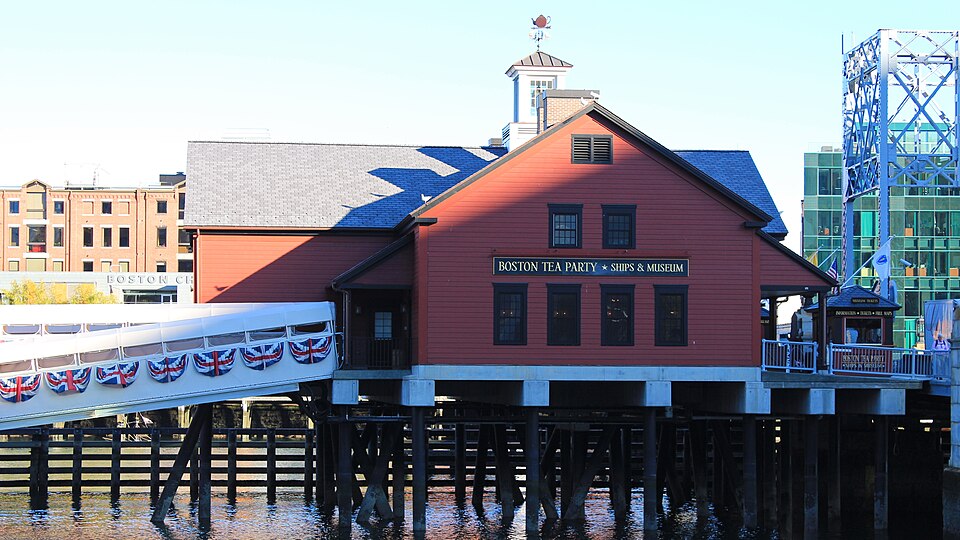
The Boston Tea Party Ships and Museum is an interactive heritage attraction located on the Fort Point Channel in Boston, Massachusetts. It commemorates the December 16, 1773 protest when American colonists destroyed British tea cargoes, a pivotal event preceding the American Revolution. The museum features full-scale replica vessels, historical interpreters in period costume, and immersive theatrical presentations. Visitors participate in reenactments of the famous political protest. The site occupies waterfront property with docked ship reconstructions. It operates as a private museum dedicated to public education about this transformative episode in colonial American history and its lasting national significance.
Checked 2026-08-26
The museum contains replica 18th-century sailing vessels including the Beaver and Eleanor, approximate types of ships involved in the historical event. Costumed interpreters portray historical figures such as Samuel Adams and British customs officials. An immersive theater presentation uses technology to simulate the protest experience. The Robinson Tea Chest, one of two known surviving tea crates from the 1773 event, is displayed. Exhibits address taxation disputes, colonial political organization, and subsequent British punitive measures. A tearoom offers period-appropriate refreshments. The museum structure itself incorporates modern climate control and accessibility features while maintaining historical atmosphere through architectural design choices and curated artifact displays.
Checked 2026-08-26
Visitor duration varies considerably based on individual engagement preferences and crowd conditions. The core theatrical experience and ship boarding typically require substantial time commitment. Interactive elements including town meeting participation and tea crate destruction reenactment extend visits. Additional time accommodates the Robinson Tea Chest exhibition and tearoom. Self-paced exploration of vessel interiors involves climbing and confined spaces. School groups and families with children may move at different rates than adult visitors. Peak visitation periods create queue delays. Visitors should allocate sufficient buffer time for waterfront location logistics and potential weather impacts on outdoor ship boarding activities.
Checked 2026-08-26
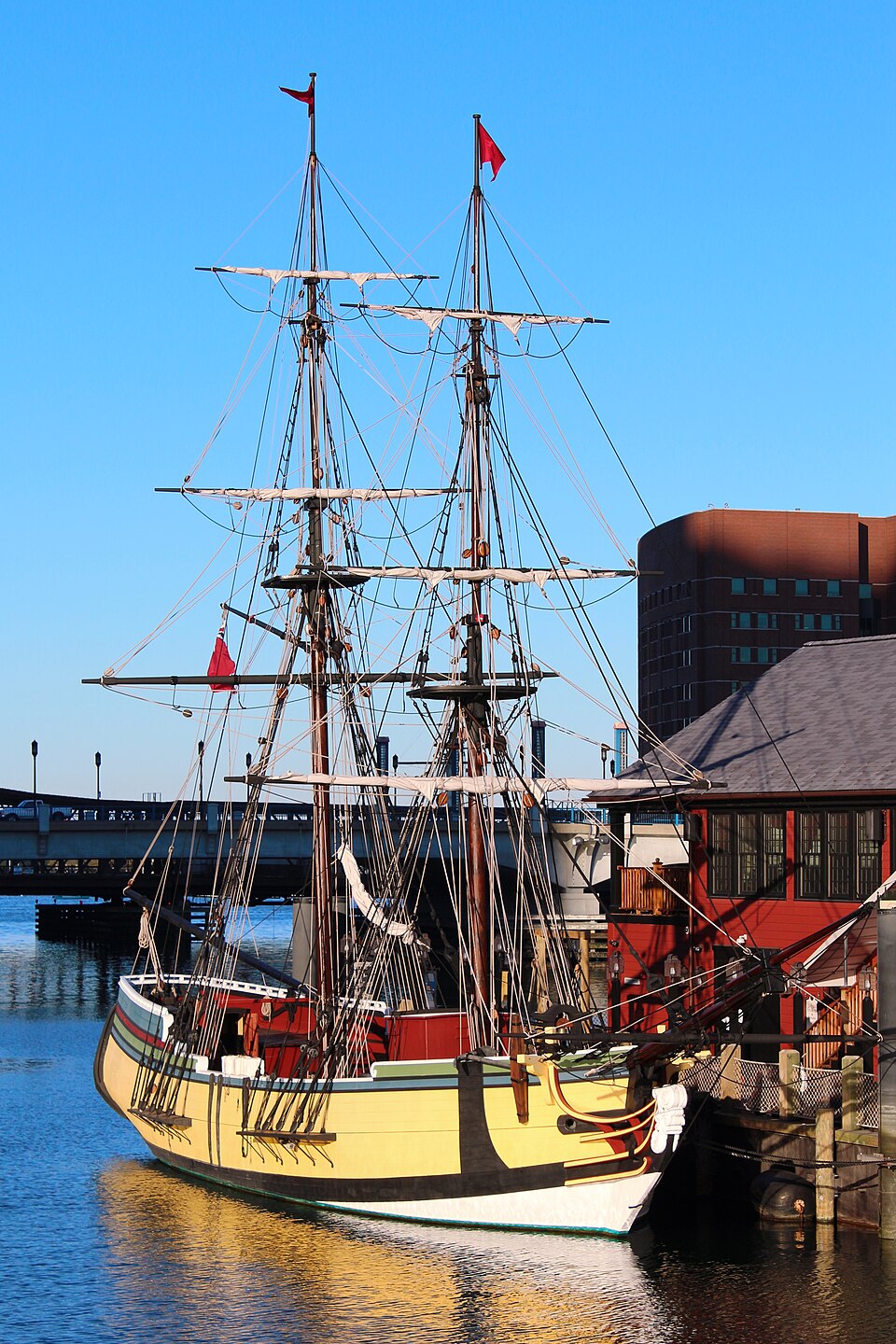
Operator-confirmed hours are Not recorded pending review. Seasonal variation in Boston's maritime climate affects visitor comfort during outdoor ship boarding. Winter conditions bring cold temperatures, wind exposure, and precipitation that may reduce enjoyment of open-deck vessel exploration. Summer attracts peak tourism volume with corresponding crowd density. Spring and autumn offer moderate temperatures though unpredictable weather patterns. Waterfront fog and rain occur year-round. Historical anniversary dates near December 16 may draw commemorative gatherings. Visitors should consult directly with the museum for current operating schedules before planning travel, as seasonal adjustments, private events, or maintenance closures may affect accessibility without advance public notification.
Checked 2026-08-26
Operator-confirmed prices are Not recorded pending review. Admission structures for heritage attractions typically distinguish adult, senior, student, youth, and child categories. Group rates and educational programming may require advance reservation. Combination ticketing with other Boston historical sites sometimes offers regional visitor savings. Online advance purchase frequently provides advantages over walk-up availability, particularly during high-demand periods. Membership programs may include reciprocal benefits with comparable institutions. Visitors should verify current pricing, availability, and any reservation requirements directly through official museum channels. Third-party sellers may impose additional fees or restrictions not applicable to direct transactions. Refund and exchange policies vary and warrant explicit confirmation.
Checked 2026-08-26
The museum occupies a waterfront location on the Fort Point Channel in Boston's downtown district. Public transportation access includes nearby Massachusetts Bay Transportation Authority services. Walking connections exist from the South Station transit hub and downtown commercial areas. Water transportation options may operate seasonally in the harbor district. Vehicle access encounters typical urban constraints including limited street parking, commercial garage rates, and traffic congestion patterns. Bicycle infrastructure exists though weather dependence affects practicality. The channel location requires navigation of bridge crossings and waterfront pathways. Visitors with mobility considerations should verify specific accessibility provisions for ship boarding and museum interior circulation before arrival.
Checked 2026-08-26
Vessel boarding requires physical capability for ladder climbing and navigating confined historical ship spaces with limited headroom and uneven surfaces. Costumed interpreter performances involve audience participation that may surprise unprepared visitors. Theatrical presentations include simulated storm effects and loud audio elements. Waterfront exposure creates slip hazards in precipitation. Crowded conditions during peak periods affect movement and sightlines. Historical content addresses political conflict and property destruction that may require context for younger visitors. Photography restrictions may apply in specific exhibit areas. Personal belongings on ships risk water exposure. Time-sensitive ticketing requires punctual arrival for scheduled program components with limited accommodation for late entry.
Checked 2026-08-26
Photography policies at heritage attractions typically balance visitor documentation desires with artifact preservation, performer rights, and experience quality for all guests. Flash photography may be restricted near light-sensitive historical materials including the Robinson Tea Chest. Costumed interpreters and theatrical performances may have specific limitations to maintain immersive atmosphere and protect performer working conditions. Ship interiors present challenging lighting conditions for image capture. Tripod and professional equipment usage usually requires advance institutional permission. Selfie opportunities exist on vessel decks though crowd flow considerations apply. Visitors should observe posted signage and staff direction regarding restricted areas. Commercial or publication use requires separate authorization processes.
Checked 2026-08-26
Not recorded. The museum operates as a private attraction distinct from the National Park Service's Boston National Historical Park, which includes nearby sites along the Freedom Trail.
The museum features full-scale replica vessels of approximate types involved in the historical event. Precise historical documentation of the original ships' specifications is incomplete.
The museum includes interactive elements simulating the historical protest. Specific participation details and any object-handling policies are best confirmed directly with the attraction.
The museum displays the Robinson Tea Chest as one of two known surviving tea crates from the December 16, 1773 event. Visitors may evaluate presented provenance information on-site.
Operator-confirmed seasonal schedules are Not recorded pending review. Boston's maritime climate affects outdoor vessel accessibility, suggesting potential seasonal operational variations.
The museum includes a tearoom offering period-appropriate refreshments. Additional nearby dining options exist in the Fort Point Channel and downtown Boston areas surrounding the attraction.
Loading the interactive map…
The interactive map could not be loaded.
Last updated:
Source: OpenStreetMap contributors ·