
01
45 min
Afflecks
- Must see
- Market
Language · 1 published
City guide · United Kingdom
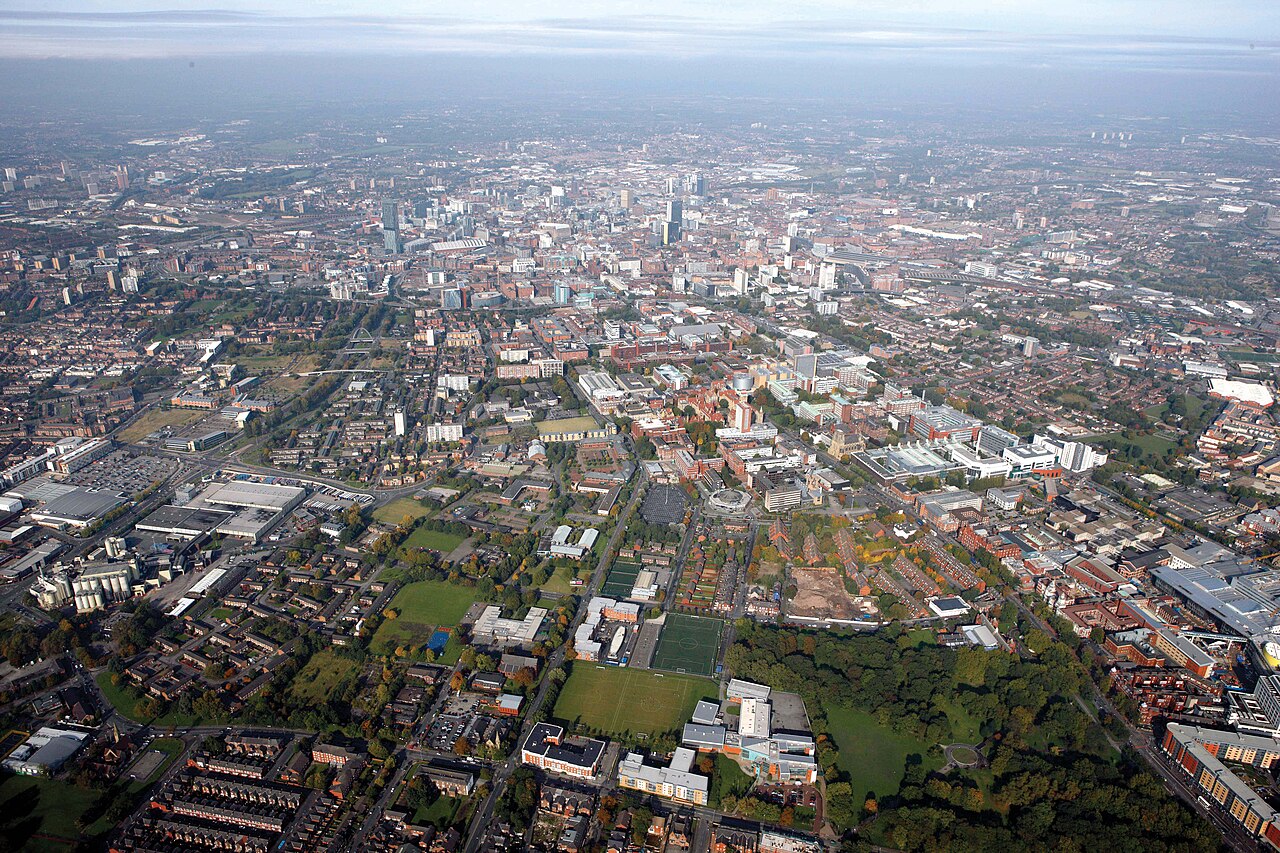
Manchester has a compact city centre surrounded by distinct Greater Manchester towns and cultural districts. The civic core, Northern Quarter, Ancoats, Castlefield and university corridor are linked by walkable streets, while Salford Quays and major football grounds require public transport. The Bee Network combines buses, trams and journey planning across the region. Keep the centre on foot and use tram or bus for each outer cluster.
Ranked by importance — sitelinks, pageviews and heritage status, not editor preference.
25 places match
Category
Typical visit duration
Interests
Source: OpenStreetMap contributors, Wikidata ·
Piccadilly and Victoria stations mark the eastern and northern edges of the central visitor area. Between them sit the Northern Quarter, civic centre, Chinatown and the retail core; Ancoats continues east, while Castlefield and Deansgate extend southwest. The Oxford Road corridor leads south through universities and cultural venues. Salford Quays lies west as a separate waterfront district, and the football stadiums occupy different sides of the wider city-region. Do not plan those outer locations as short central walks.
Checked 2026-08-26
Walk within the central districts, then use Bee Network buses and Metrolink trams for Salford Quays, stadiums and Greater Manchester towns. Transport for Greater Manchester provides an integrated journey planner, and contactless tap-and-go is available on buses and trams under the current network rules. Free city-centre buses connect major rail stations and central areas. Train services remain useful for some outer towns, so compare rail and tram before setting out.
Checked 2026-08-26
Two to three days suit a first visit. Use one day for the central districts, another for a chosen outer cluster, and add a third for football, Salford Quays or a wider Greater Manchester trip.
May through September offers longer daylight for canals and neighbourhood walks. Rain remains possible throughout the year, so keep indoor museums and galleries available as flexible blocks.
Yes. Piccadilly, the Northern Quarter, the civic core, Castlefield and Oxford Road form a compact central area. Use transit for Salford Quays, the stadiums and outer Greater Manchester towns.
Bee Network buses and Metrolink trams support contactless travel under the operator’s current rules. On trams, follow the official tap-in and tap-out instructions and use the same card or device.
No. Old Trafford and the Etihad Stadium sit in different parts of the city-region and use different transport corridors. Plan each as a separate destination rather than combining them as a central walking route.
Set your days, your pace and the hours you actually want to be out. The planner works around closing days and travel time, and leaves room to eat.