


7 min walk
Styal Cross
- Notable · Heritage site
- Historic monument
Language · 1 published
Historic monument · Manchester
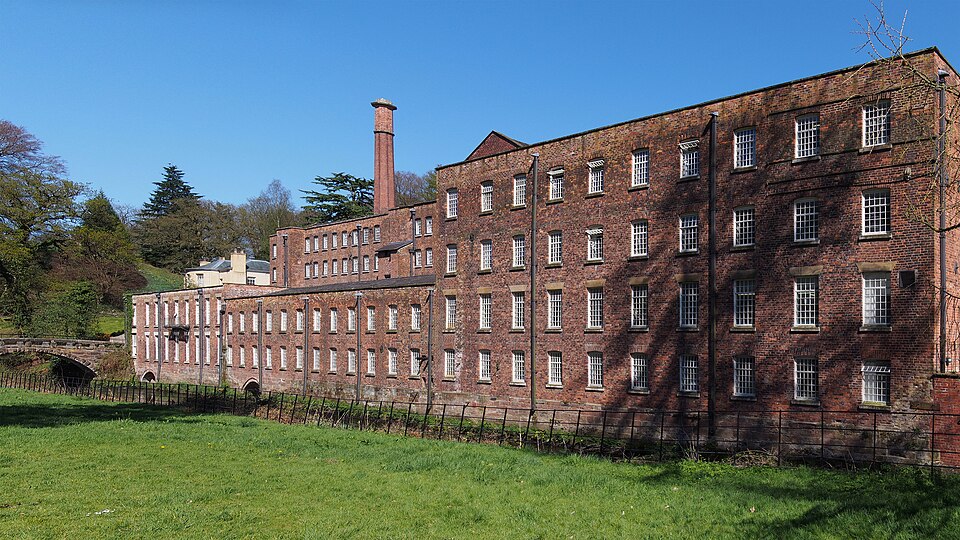
Quarry Bank Mill is a historic cotton mill in Styal, Cheshire, on the outskirts of Manchester. It was founded in 1784 by Samuel Greg and became one of the most important early industrial sites in Britain. The mill is preserved as a working museum that demonstrates the cotton production process of the Industrial Revolution. It sits alongside the River Bollin, whose water power drove the machinery. The site includes the mill building, worker housing, and extensive grounds that together illustrate the social and economic history of textile manufacturing.
Checked 2026-08-26
The main mill building contains working textile machinery including spinning frames and weaving looms that visitors can see in operation. The site encompasses the Apprentice House where child workers lived, restored to show period conditions. The mill owner's home, Quarry Bank House, and its gardens are part of the estate. Worker cottages in Styal village belong to the site. The visitor centre provides historical context. The surrounding woodland and riverside paths formed part of the industrial landscape, with walking trails through the estate that Samuel Greg established for his workers.
Checked 2026-08-26

Visitors typically spend a full day at Quarry Bank Mill to appreciate both the industrial buildings and the wider estate. The mill tour alone takes approximately one to two hours, depending on interest in machinery demonstrations and talks by staff. Exploring the Apprentice House requires timed entry and adds about forty-five minutes. Walking the woodland trails and gardens extends the visit considerably. Those interested in social history and the complete site including village cottages should plan for five to six hours. The estate rewards unhurried exploration across its varied spaces.
Checked 2026-08-26

Operator-confirmed hours are Not recorded pending review. Visitors should consult the official National Trust website or contact Quarry Bank Mill directly before planning their trip. Seasonal variations affect accessibility of different buildings and outdoor areas. The woodland walks may become muddy after rain, making sturdy footwear advisable year-round. Winter visits offer atmospheric conditions inside the stone mill buildings, while summer brings the gardens into full growth. The site operates as a seasonal attraction with reduced winter programming. Advance booking is recommended for popular periods including school holidays and weekends when demand increases significantly.
Checked 2026-08-26
Operator-confirmed prices are Not recorded pending review. Quarry Bank Mill operates under National Trust management, and standard Trust membership or admission policies apply. Visitors should verify current rates through official channels before arrival. The property may use timed entry systems for capacity management, particularly for the Apprentice House tour. Combined tickets for multiple National Trust properties in the region may offer value for visitors planning extensive heritage touring. Free entry for National Trust members is standard policy. Family tickets and group rates may be available; confirmation from the property is essential for accurate budgeting.
Checked 2026-08-26

Quarry Bank Mill lies in Styal village, approximately ten miles south of Manchester city centre. The nearest railway station is Styal on the Manchester to Crewe line, with limited service requiring careful timetable checking. Manchester Airport is nearby, making the site accessible for travellers with layover time. Road access uses the M56 motorway with local signposting through Wilmslow. The rural location means public transport connections are infrequent compared to central Manchester attractions. Visitors arriving by car will find parking on site. Cycling routes connect through Cheshire countryside for those seeking active travel options to this semi-rural industrial heritage destination.
Checked 2026-08-26
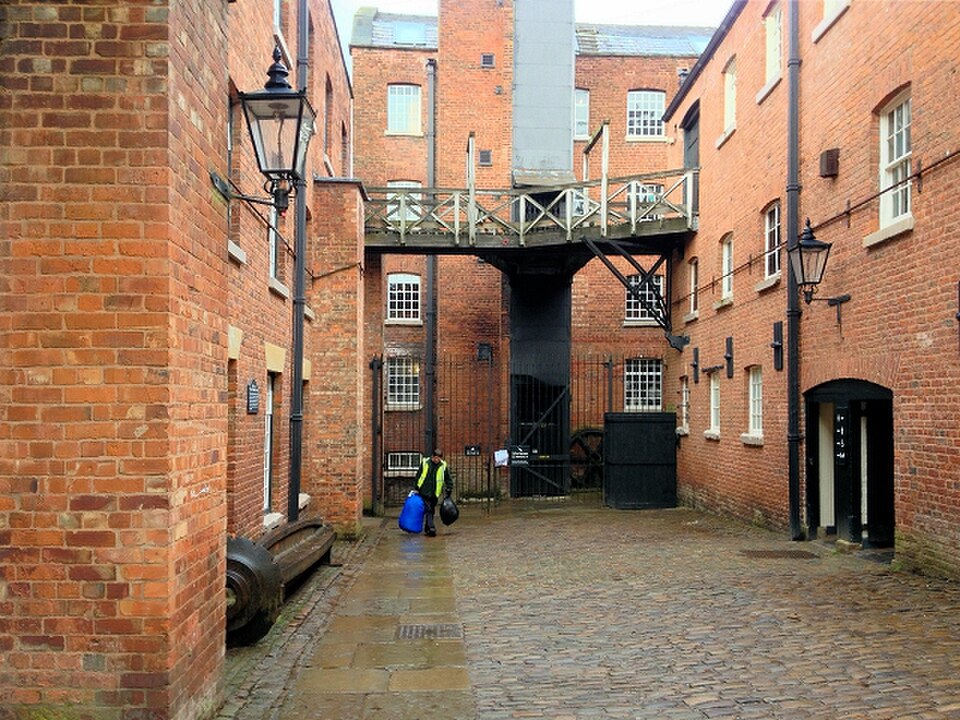
The mill building contains working machinery with moving parts; visitors must follow staff instructions and remain behind barriers during demonstrations. Stone floors and staircases throughout historic buildings present slip and trip hazards regardless of weather. The riverside and woodland paths can be uneven and become slippery when wet. The Apprentice House tour involves confined spaces and steep stairs unsuitable for limited mobility. Weather conditions affect outdoor portions significantly. Some buildings may lack modern heating, making warm clothing advisable even in summer. Photography restrictions may apply in certain interior spaces; visitors should check signage or ask staff before using cameras.
Checked 2026-08-26
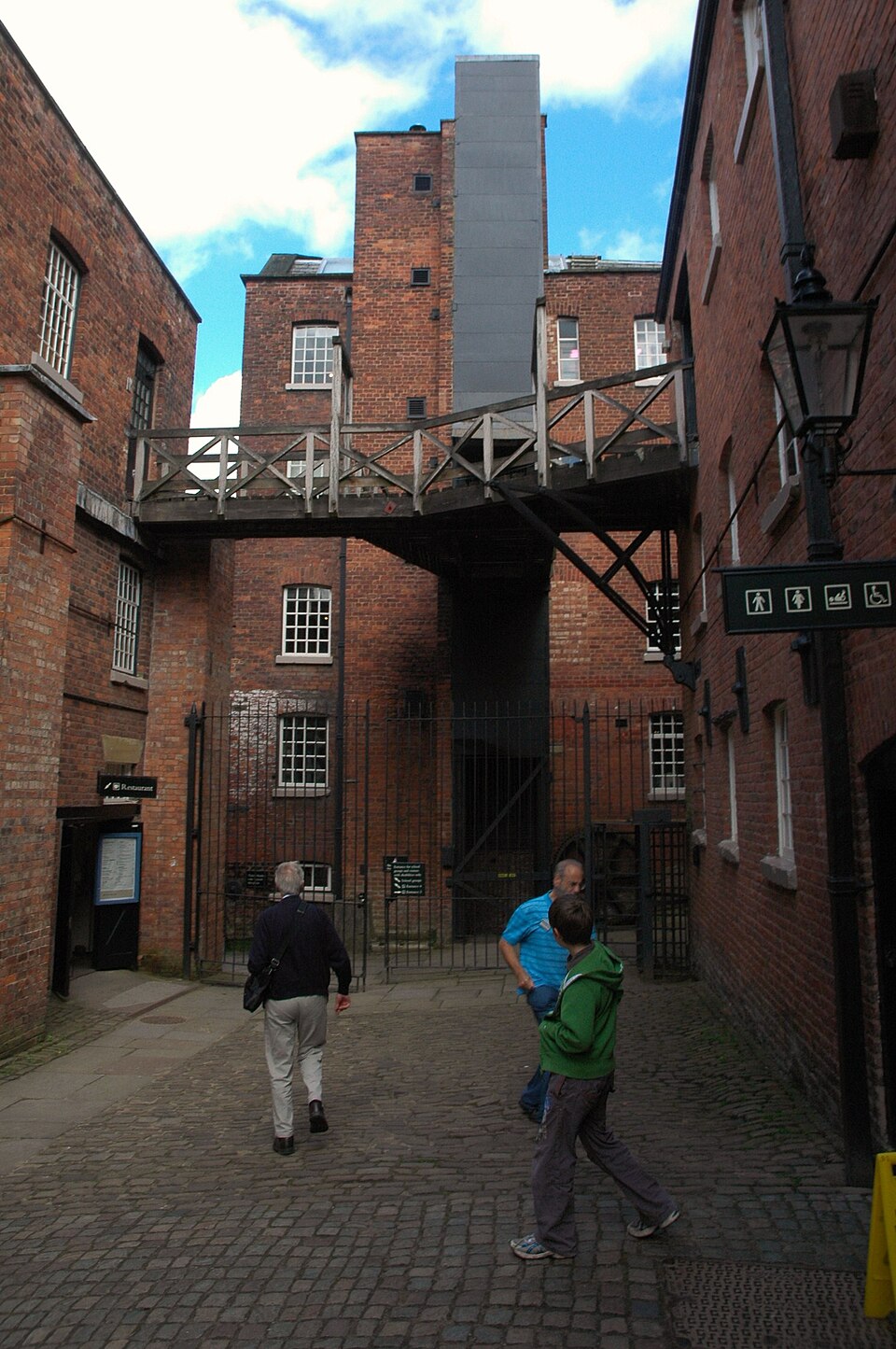
The stone architecture of the mill building against the River Bollin provides strong exterior compositions in varied light conditions. Interior machinery photography requires attention to low light levels and potential movement blur from working equipment. The Apprentice House interiors offer period room settings best captured with available light to preserve atmosphere. Gardens and woodland yield seasonal photographic opportunities from structured planting to natural river scenery. Early morning or late afternoon visits provide optimal exterior lighting. Tripod use may be restricted inside buildings. Visitors should respect any photography prohibitions and avoid flash near historic textiles and sensitive displayed materials.
Checked 2026-08-26
The site offers educational value for children through machinery demonstrations and the Apprentice House story, though parental guidance is needed near working equipment.
Not recorded. Visitors should consult the National Trust website or contact the property directly for current animal access policies.
Historic buildings with stone stairs and uneven floors present challenges. Visitors with mobility requirements should contact the property in advance to discuss specific access needs.
The mill operates demonstrations of spinning and weaving machinery, though schedules vary. Visitors should check demonstration times upon arrival or in advance.
Not recorded. Visitors should verify current catering facilities through official channels before their visit.
The mill exemplifies the factory system that transformed Manchester into the world's first industrial city, with cotton processed here feeding the larger Manchester textile trade.
Loading the interactive map…
The interactive map could not be loaded.
Last updated:
Source: OpenStreetMap contributors, Wikidata ·