


9 min walk · London Borough of Southwark
St Paul's Cathedral
- Must see
- Historic monument
Language · 1 published
Art and culture venue · London Borough of Southwark, London

| Monday | 10:00 – 18:00 |
|---|---|
| Tuesday | 10:00 – 18:00 |
| Wednesday | 10:00 – 18:00 |
| Thursday | 10:00 – 18:00 |
| Friday | 10:00 – 21:00 |
| Saturday | 10:00 – 21:00 |
| Sunday | 10:00 – 18:00 |
Checked 2026-08-26 · Source
Read from the OpenStreetMap access tags; anything not listed has no tag recorded.
Set the group type to family in the planner and the day window contracts to about three quarters of a solo day.
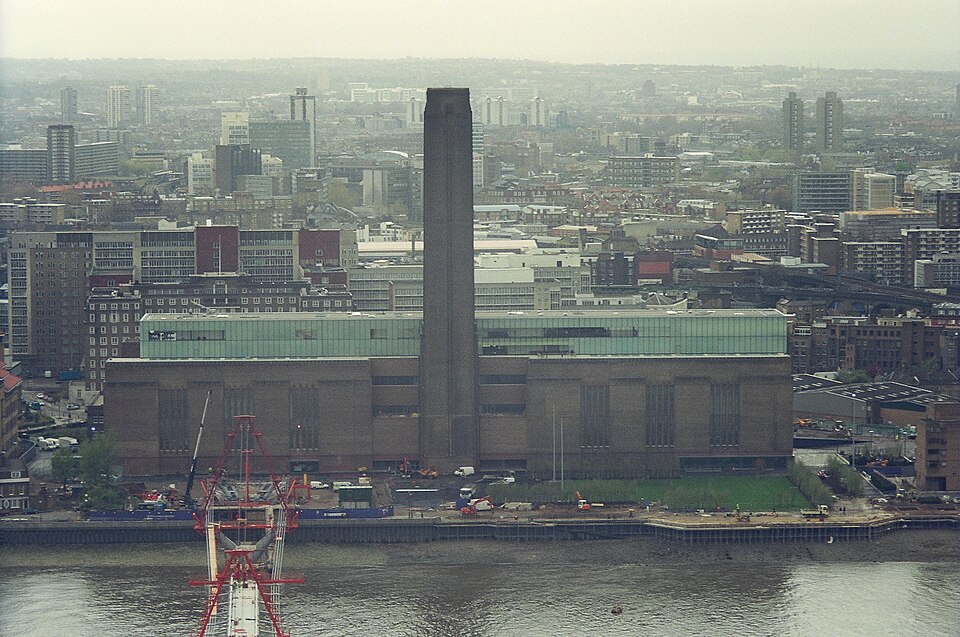
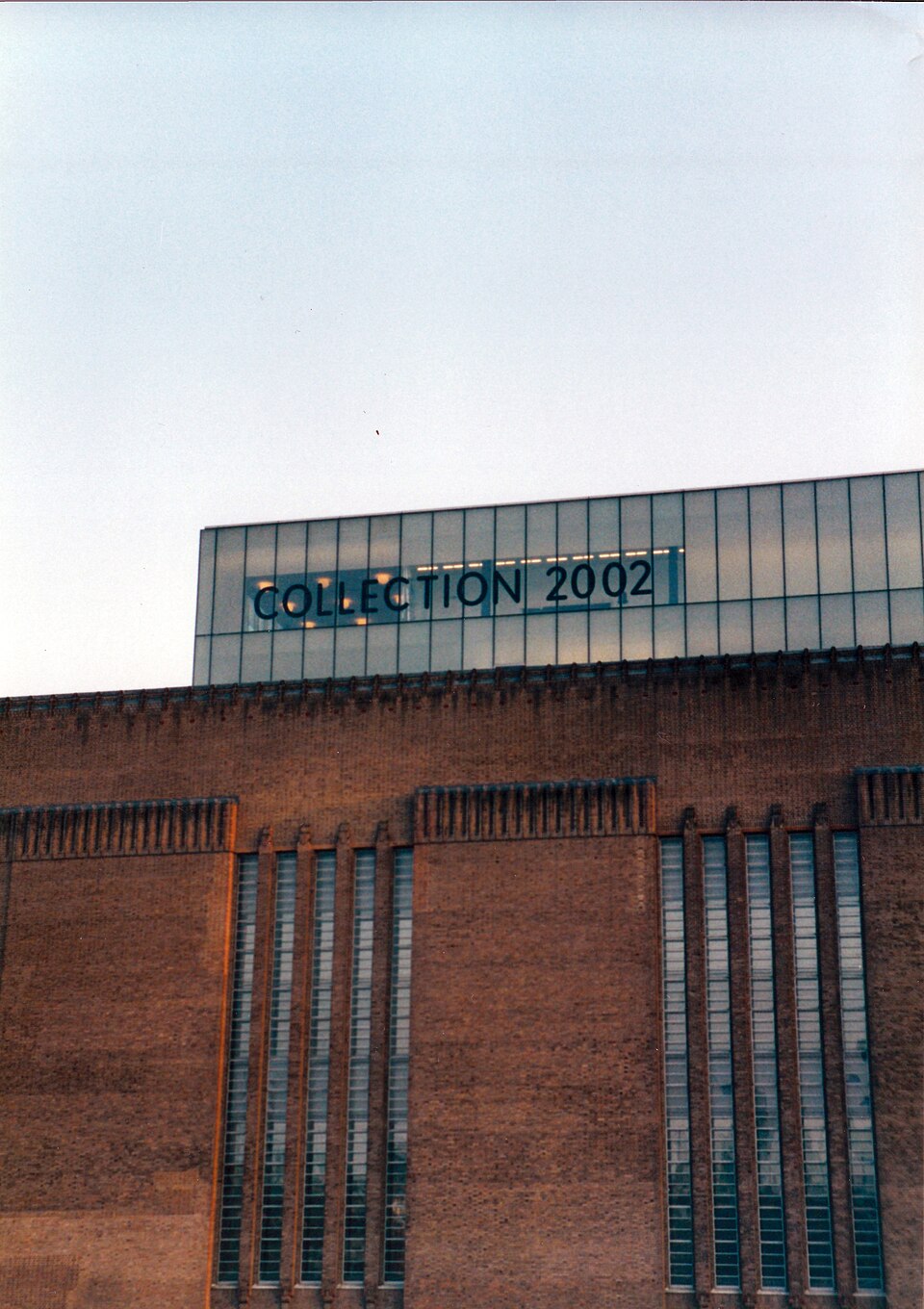
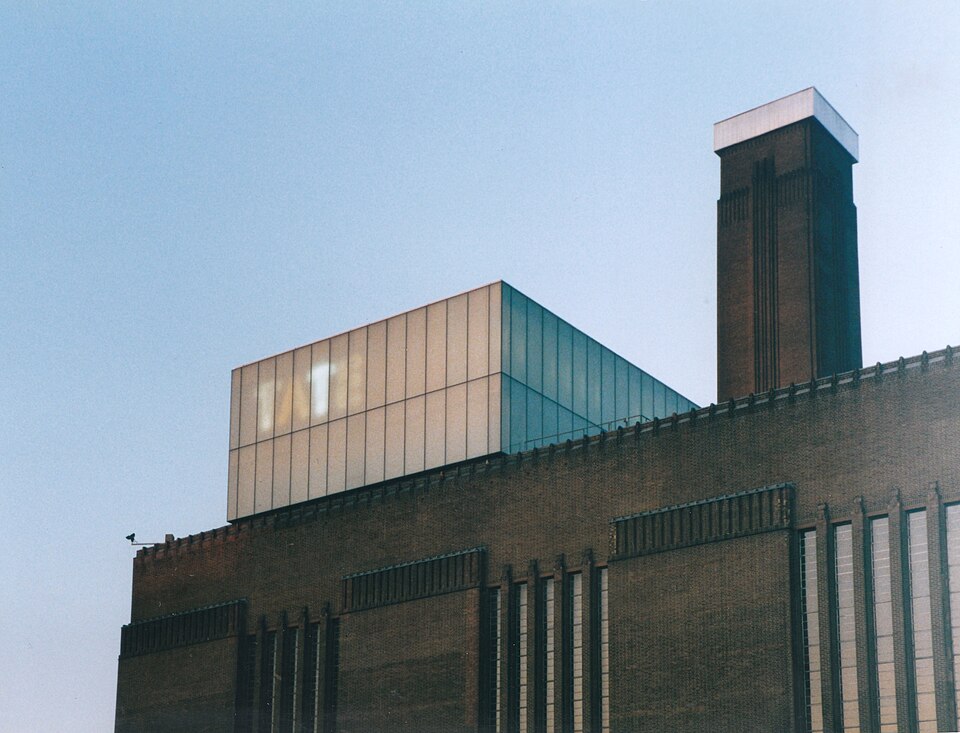
Tate Modern holds the United Kingdom's national collection of international modern and contemporary art, meaning work created from or after 1900, and it holds it inside a decommissioned power station on the south bank of the Thames. The building is the former Bankside Power Station, designed by Giles Gilbert Scott and built between 1947 and 1963, with a central chimney 99 metres tall standing over the river frontage. Herzog and de Meuron won the competition to convert it in 1995; the £134 million conversion was completed in January 2000 and Queen Elizabeth II opened the gallery on 11 May 2000. The Switch House extension, a ten-storey tower adding over 22,000 square metres, was completed in June 2016 and renamed the Blavatnik Building in May 2017 after the donor Leonard Blavatnik. Tate Modern took 4,514,266 visitors in 2025, which made it the fourth most popular attraction in the United Kingdom and the most popular art gallery. It is free to enter, and the industrial shell is as much the attraction as the art inside it.
Checked 2026-08-26 · Source
The spine of the building is the Turbine Hall, the former generator hall that runs the length of the gallery at 3,400 square metres of floorspace and five storeys tall, now used for single large commissions rather than hung with pictures. Underneath it are the Tanks, the power station's old oil tanks, a striking space dedicated to live performance and video. The collection displays around them are free and range across artists including Pablo Picasso, Yayoi Kusama and Henri Matisse. Free guided tours run most days at 12.00, 13.00 and 14.00. The gallery occupies two connected buildings — the Natalie Bell Building, which is the original power station block, and the Blavatnik Building behind it — and the facilities are spread between them: the Espresso Bar on Level 3 and the Restaurant on Level 6 of the Natalie Bell Building, the Terrace Café on Level 1 of the Blavatnik Building, and three shops. Knowing which of the two buildings a display sits in saves more time here than knowing which floor.
Checked 2026-08-26 · Source
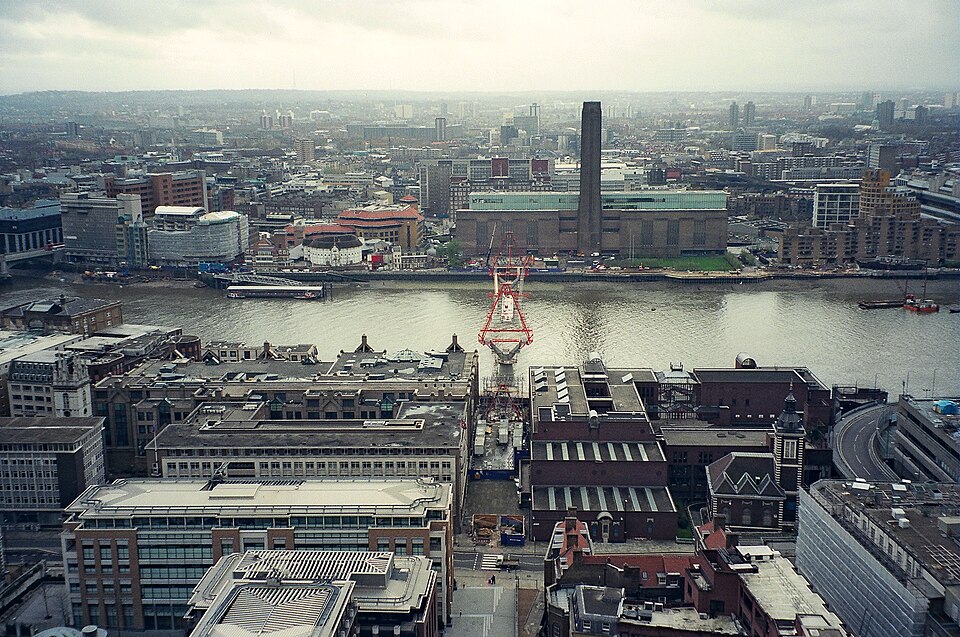
Allow two hours at Tate Modern, the duration this guide records. That covers the Turbine Hall commission, two or three free collection displays and one of the upper-level views, at the pace the building actually invites. Tate Modern rewards a short visit better than most large galleries do, because entry is free and the displays are grouped into self-contained rooms: 45 minutes for the Turbine Hall and a single display is a legitimate visit rather than a truncated one. Add an hour for a ticketed exhibition, and add another 45 minutes if the plan includes a proper sit-down meal on Level 6 rather than a coffee. A visitor arriving on a Friday or Saturday, when the gallery closes at 21.00, has the option of the long version.
Checked 2026-08-26
Tate Modern is open from 10.00 to 18.00 Sunday to Thursday and from 10.00 to 21.00 on Friday and Saturday, with last entry 30 minutes before closing time. The two late nights are the reason to plan around the calendar rather than the clock: on a Friday or Saturday the gallery covers the whole transition from afternoon to dark, and the river frontage and the City skyline opposite are a different subject at 20.00 than at 14.00. Early on a weekday morning the Turbine Hall is close to empty, which matters because it is a space whose scale only reads when there are few people in it. Booking is recommended for exhibitions but not needed for the free collection.
Checked 2026-08-26 · Source
Entry to the collection is free for everyone, and the free displays are the majority of what is on show. Exhibitions are ticketed, and booking is recommended for them. Tate lists several reductions on the exhibition price: members and supporters enter exhibitions free with no need to book, visitors with a disability pay a concessionary rate and entrance for their companion is free, visitors aged 16 to 25 can join Tate Collective for £5 exhibition tickets, up to four children aged 11 and under go free per parent or guardian, and £5 family child tickets are available for children aged 12 to 18. Lockers are charged separately — £4 standard, £6 large and £8 jumbo — and are free for Tate members. No admission charge for the permanent collection is recorded here because there is none.
Checked 2026-08-26 · Source
Tate Modern is entered either via the Turbine Hall ramp or via the Blavatnik Building from Park Street, the ramp being the entrance that delivers a visitor into the full length of the hall rather than into a lobby. The gallery gives Blackfriars station as 300 metres from its south exit and 800 metres from the north exit, with the District and Circle lines at Blackfriars roughly 800 metres away, and buses 40, 63 and 100 stopping on Blackfriars Bridge Road. There is a drop-off and pick-up point on Holland Street just outside the main entrance, and another on Southwark Street a short walk away. On foot from the City, the Millennium Bridge lands directly at the gallery's north front, which is the arrival the building was reopened around.
Checked 2026-08-26 · Source
Bags are checked on arrival and Tate asks visitors to allow extra time for security checks, reserving the right to refuse any bag, parcel or other item. The cloakroom in the Natalie Bell Building on Level 0 has now closed, so the paid lockers are the only place to leave anything: £4, £6 and £8 by size, free for members. Electric skateboards, scooters and folding bikes are not permitted in the building, and neither are the batteries removed from them; non-electric versions are permitted but must go into a locker, and capacity is limited during busy periods. The other thing to watch is the split between the two buildings: displays, cafés, shops and lifts are distributed across the Natalie Bell Building and the Blavatnik Building, and crossing between them on the wrong level is the most common way to lose time here. Last entry is 30 minutes before closing, which on a Sunday to Thursday means 17.30.
Checked 2026-08-26 · Source

No general photography rule for Tate Modern was found on the visiting page read for this guide, so none is stated here; ticketed exhibitions are where restrictions usually appear, and the notices at the exhibition entrance are the authority. What can be said is where the pictures are. The Turbine Hall is the subject, and it only works from height: the ramp entrance at the west end and the bridge across the hall give the two viewpoints that convey five storeys of empty volume, and a person in frame is what gives it scale. The building's own materials — dark brick, steel windows, raw concrete — swallow light, so interiors need a steady hand rather than a flash. Outside, the north front faces the river and St Paul's directly across the water, and the Millennium Bridge lines the two up in one frame at either end.
Checked 2026-08-26
Entry to the collection is free for everyone. Exhibitions are ticketed and booking is recommended for them, with £5 exhibition tickets for 16 to 25-year-olds through Tate Collective, free entry for members, a concessionary rate for visitors with a disability and free entry for their companion, and up to four children aged 11 and under free per parent or guardian.
Tate Modern is open 10.00 to 18.00 Sunday to Thursday and 10.00 to 21.00 on Friday and Saturday. Last entry is 30 minutes before closing time.
The former Bankside Power Station, designed by Giles Gilbert Scott and built between 1947 and 1963, with a 99-metre chimney. Herzog and de Meuron won the conversion competition in 1995, the £134 million conversion finished in January 2000, and the gallery opened on 11 May 2000. The Blavatnik Building extension was completed in June 2016.
Entry is via the Turbine Hall ramp or via the Blavatnik Building from Park Street. Bags are checked on arrival, so Tate asks visitors to allow extra time for security checks.
No. The cloakroom in the Natalie Bell Building on Level 0 has closed. Paid lockers are available instead at £4 for a standard locker, £6 for a large one and £8 for a jumbo, and lockers are free of charge for Tate members.
The Association of Leading Visitor Attractions recorded 4,514,266 visits to Tate Modern in 2025, ranking it fourth among UK attractions and 2 per cent down on the previous year. That makes it the most visited art gallery in the United Kingdom.
Loading the interactive map…
The interactive map could not be loaded.
Last updated:
Source: OpenStreetMap contributors, Wikidata ·