

.jpg)
.jpg)
.jpg)
.jpg)

1 dk yürüyüş
Medersa Ben Youssef
- Mutlaka görülmeli · Miras alanı
- Tarihi anıt
Dil · 11 yayınlandı
Müze · Marrakesh
Musée de Marrakech متحف مراكش
| Pazartesi | 09:00 – 18:30 |
|---|---|
| Salı | 09:00 – 18:30 |
| Çarşamba | 09:00 – 18:30 |
| Perşembe | 09:00 – 18:30 |
| Cuma | 09:00 – 18:30 |
| Cumartesi | 09:00 – 18:30 |
| Pazar | 09:00 – 18:30 |
OpenStreetMap açılış saatlerinden 2026-08-26 tarihinde ayrıştırıldı.
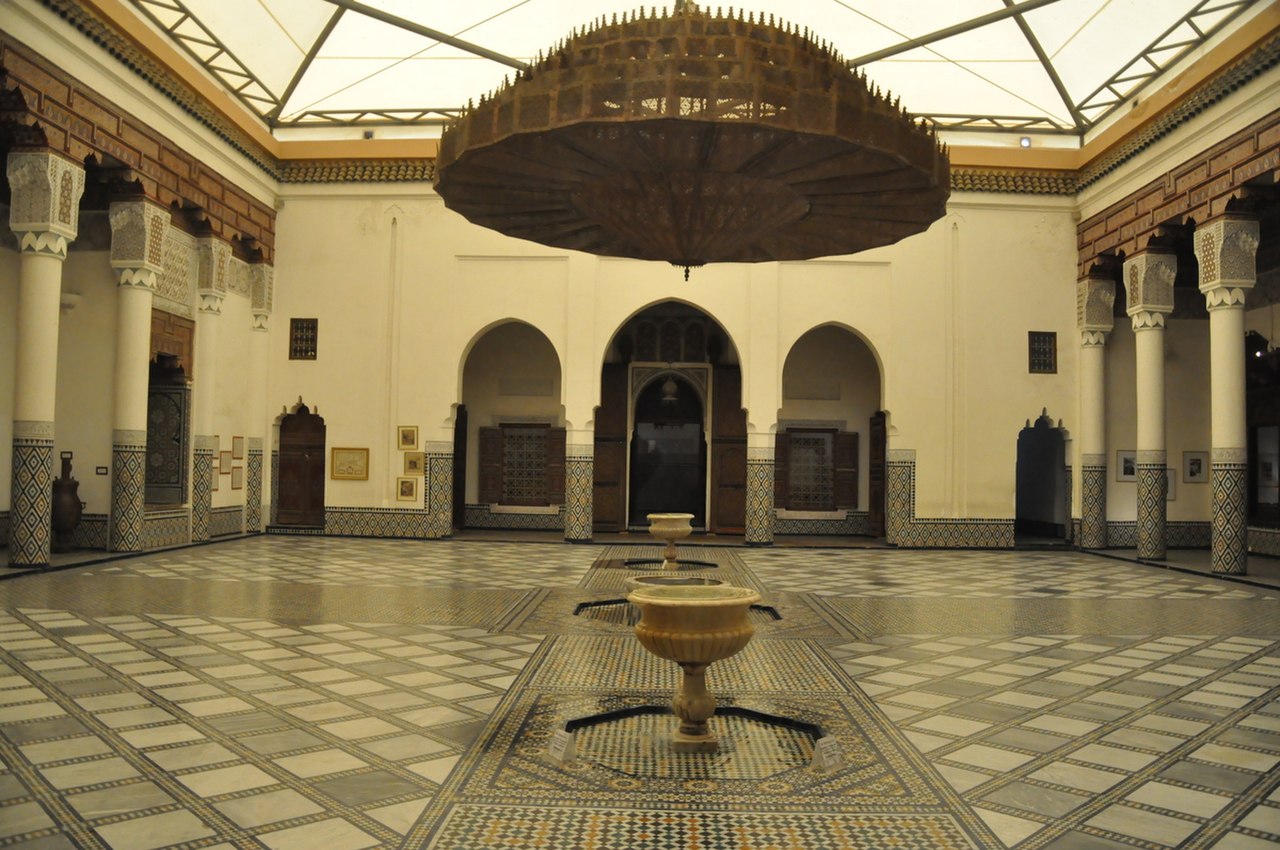
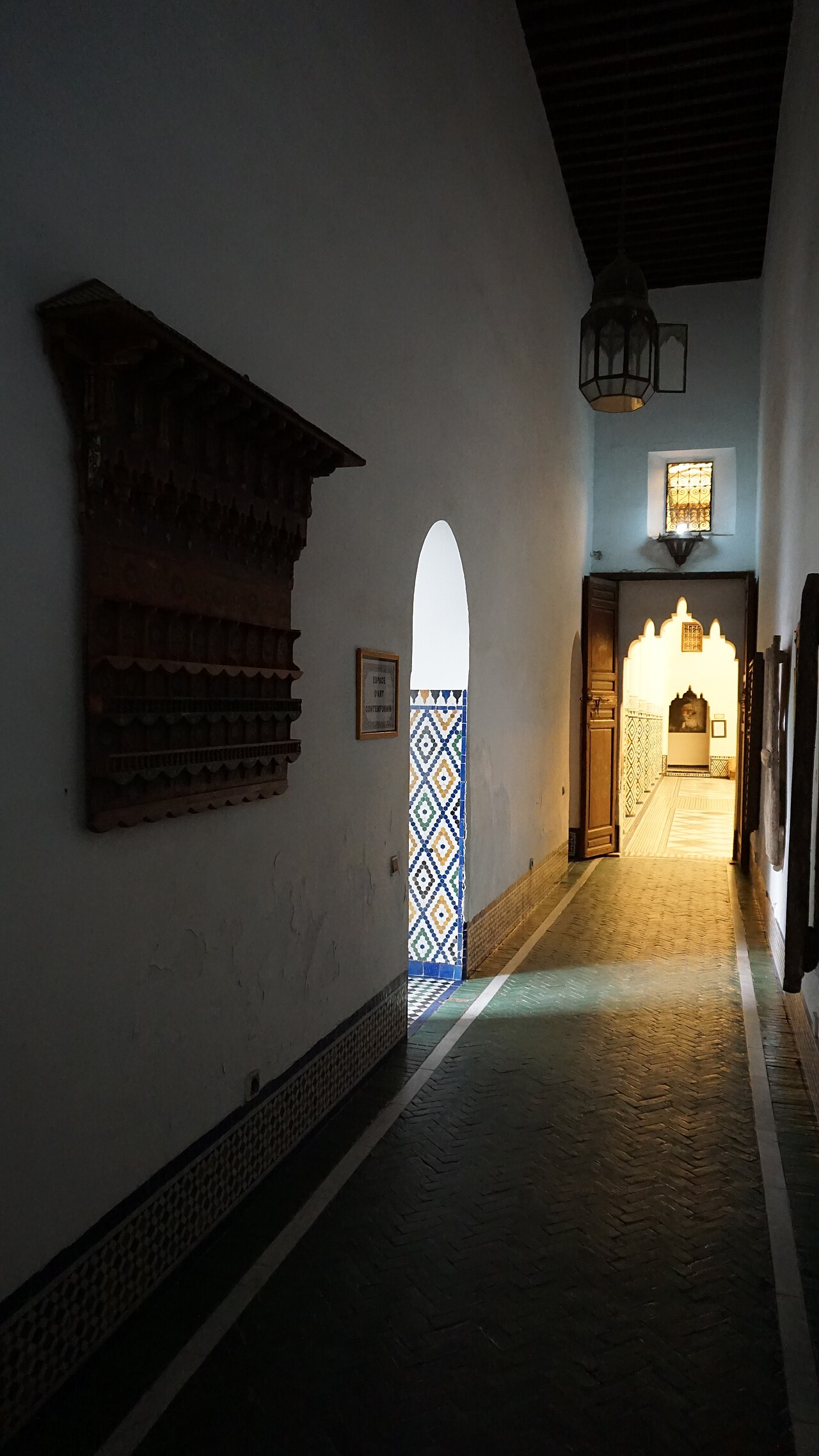
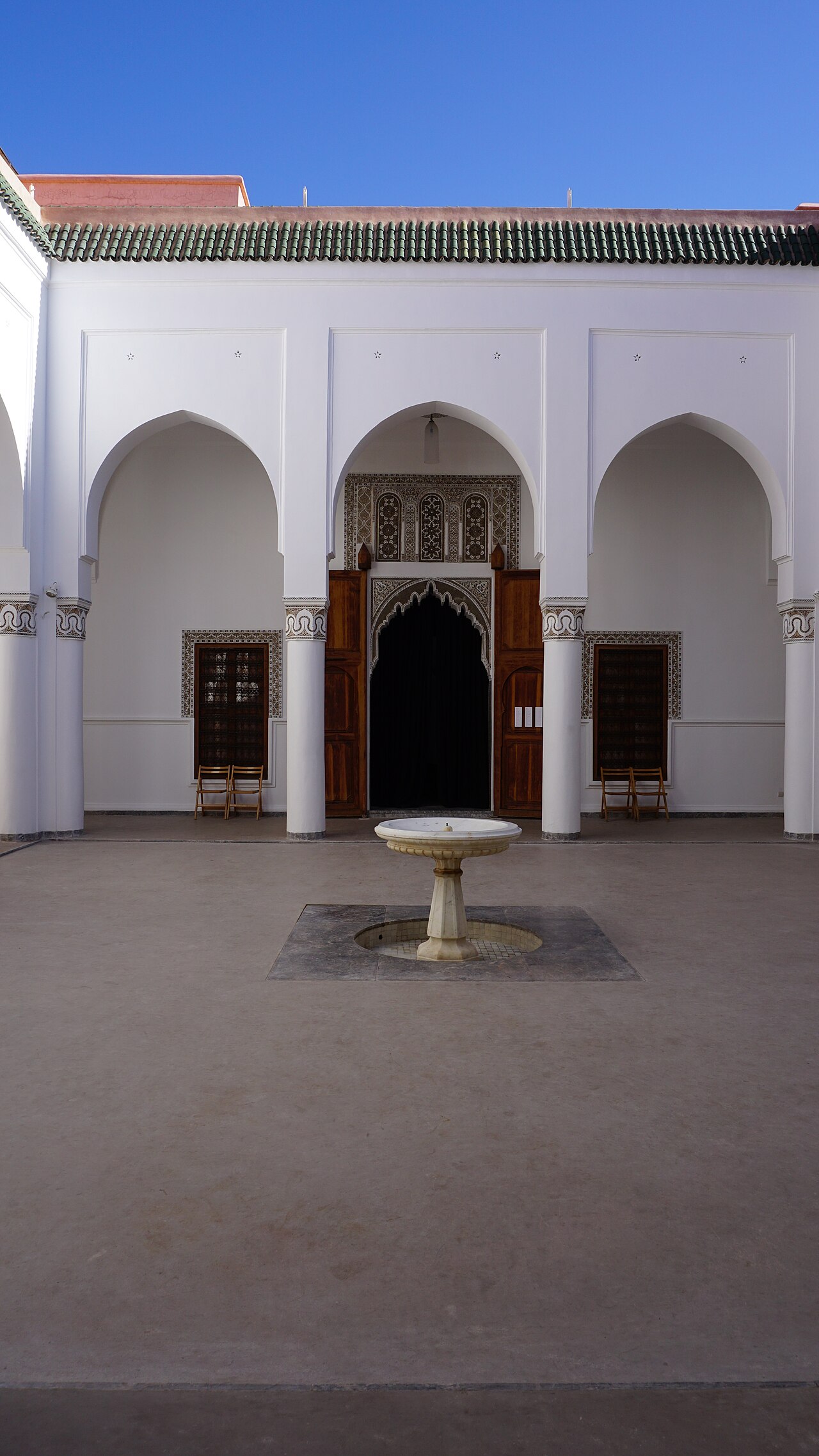
The Marrakech Museum occupies the restored Dar Menebhi palace near the Ben Youssef area. This 19th-century aristocratic residence exemplifies traditional Moroccan palace architecture with its courtyard layout, decorative plasterwork, carved cedar ceilings, and zellige tilework. The building itself constitutes a significant portion of the visitor experience, offering insight into the domestic architecture of Marrakesh's elite during this period. The museum functions as a municipal cultural institution presenting Moroccan artistic heritage within an authentically preserved historic setting. Marrakech Museum also earns time in a marrakesh itinerary because Set in the restored Dar Menebhi palace beside Ben Youssef, this museum joins a strong building visit with Moroccan art and temporary exhibitions; no production match exists. Its value becomes clearer when the stop is compared with the surrounding streets and the other ranked places nearby.
2026-08-26 kontrol edildi
The museum's collections encompass Moroccan art across multiple media, including contemporary and traditional works. Visitors encounter ceramics, textiles, jewelry, and calligraphic pieces displayed within the palace's ornate rooms and central courtyard. Temporary exhibitions rotate through dedicated gallery spaces, supplementing the permanent holdings. The interior architecture features a grand hammam, fountains, and reception chambers with elaborate decoration. The juxtaposition of art objects against the palace's original decorative program creates a layered cultural presentation where the container and contents mutually inform each other.
2026-08-26 kontrol edildi
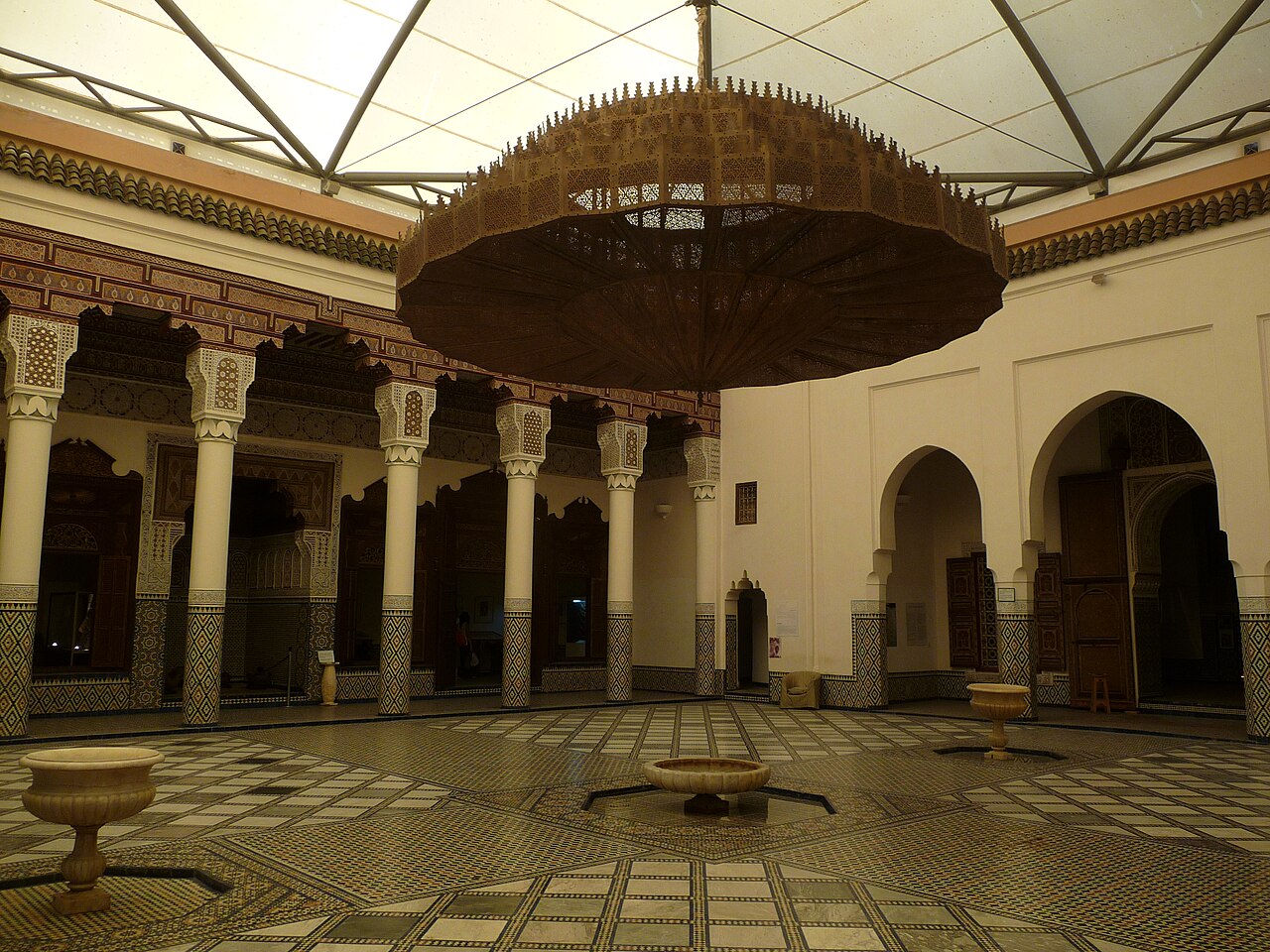
Visitors typically allocate between one and two hours for a comprehensive experience of the Marrakech Museum. This duration accommodates thorough examination of the permanent collections, appreciation of the architectural details throughout multiple rooms and courtyards, and engagement with any temporary exhibitions on display. Those with particular interest in Moroccan decorative arts or historic architecture may extend their visit accordingly. The compact scale of the palace-museum permits meaningful engagement without excessive time commitment, making it suitable for integration into broader medina exploration.
2026-08-26 kontrol edildi
Operator-confirmed hours are Not recorded pending review. Visitors should verify current opening schedules through official channels before planning their visit. The museum's interior spaces offer partial refuge from Marrakesh's intense midday heat, though the courtyard remains exposed. Morning visits may provide more tranquil conditions before the medina reaches peak congestion. Ramadan and religious holidays potentially affect accessibility. Seasonal tourist fluctuations influence crowding levels throughout the medina generally. Advance confirmation of operational status remains advisable given the dynamic nature of cultural institution scheduling in Morocco.
2026-08-26 kontrol edildi
Operator-confirmed prices are Not recorded pending review. The museum presumably operates on an admission-fee basis common to Moroccan state and municipal cultural institutions, though specific rates require direct verification. Potential categories may include standard adult entry, reduced rates for qualifying visitors, or combined arrangements with nearby heritage sites. Cash payment in Moroccan dirhams typically prevails at medina institutions. Visitors should anticipate modest admission costs relative to international museum standards while preparing exact change to facilitate transactions in this context.
2026-08-26 kontrol edildi

The museum occupies the medina's northern quarter near Ben Youssef Mosque and the former Ben Youssef Madrasa, accessible exclusively on foot through the dense pedestrian network. No vehicular access penetrates this zone. Visitors typically approach from Jemaa el-Fnaa via souk passages heading northeast, or from the Bab Doukkala area to the west. The route involves navigation through narrow, sometimes unmarked alleyways where directional signage appears intermittently. Engaging a licensed local guide or utilizing established walking routes reduces disorientation risk in this labyrinthine urban fabric.
2026-08-26 kontrol edildi

The medina environment presents characteristic challenges: uneven paving, limited lighting in covered passages, and active motorbikes traversing nominally pedestrian routes. The palace's historic fabric includes steps, thresholds, and floor level changes potentially hazardous to mobility-impaired visitors. Persistent unofficial guides may attach themselves to approaching tourists; politely declining repeated solicitations remains necessary. Bag security warrants attention in crowded conditions. The museum's architectural authenticity preserves original features without modern accessibility modifications. Summer heat exhaustion poses genuine risk; water and sun protection remain essential throughout medina exploration.
2026-08-26 kontrol edildi
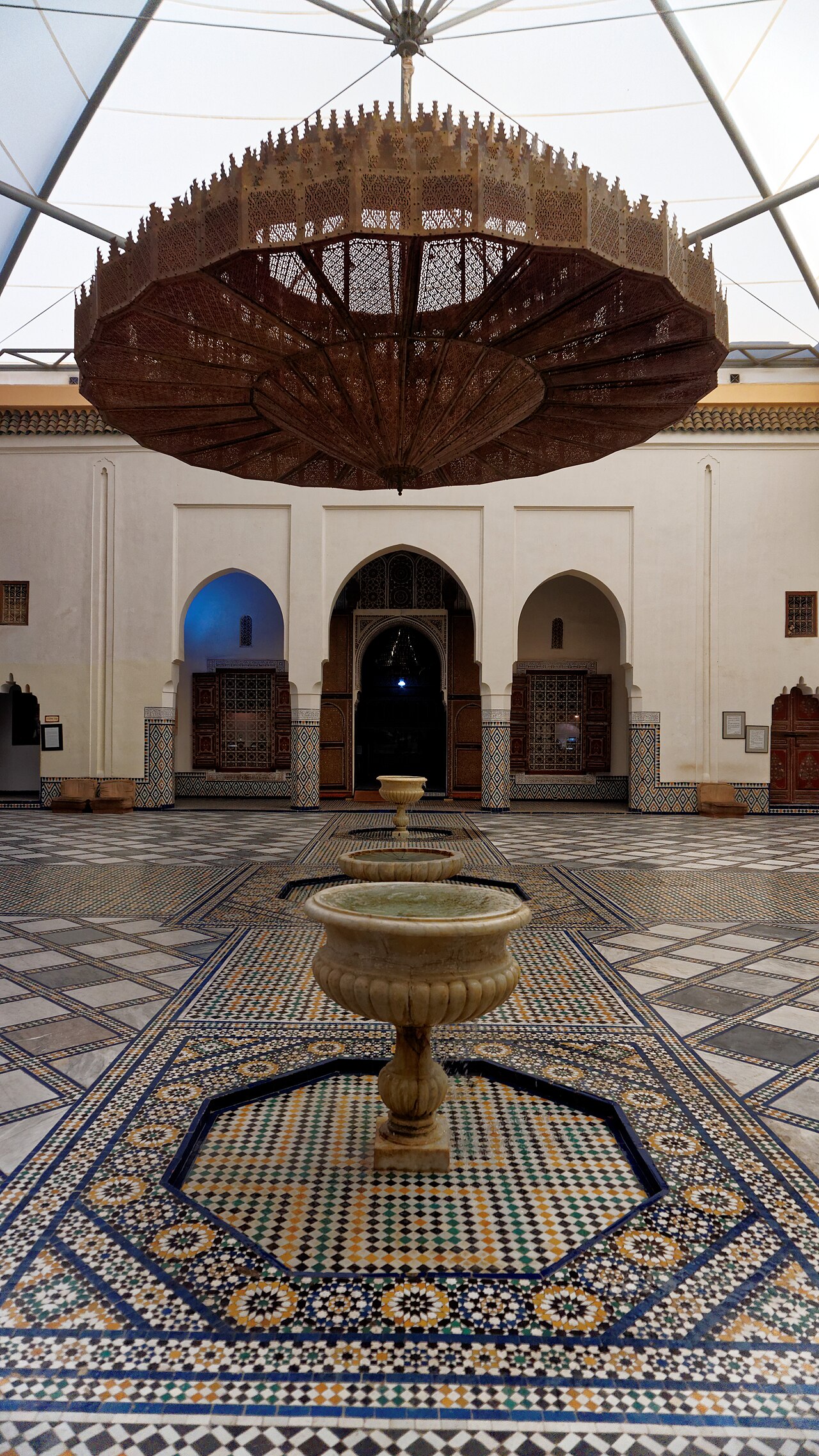
Photography policies at Moroccan museums vary considerably and often restrict flash usage, tripod deployment, or image capture in specific galleries. The ornate architectural interiors of Dar Menebhi present obvious photographic appeal, particularly the central courtyard, decorative ceilings, and fountain installations. Visitors should observe posted regulations and staff guidance regarding permissible photography. Respect for fellow visitors and any active conservation protocols governs appropriate behavior. Commercial or publication-oriented photography typically requires advance institutional authorization. Discretion in photographing other visitors or potential worshippers in nearby religious contexts maintains cultural sensitivity.
2026-08-26 kontrol edildi
No. These are separate institutions with distinct collections and locations within the medina. The Marrakech Museum specifically occupies the Dar Menebhi palace near Ben Youssef.
Not recorded. French and Arabic predominate in Moroccan institutional contexts. Visitors may benefit from guide engagement or preliminary research.
Not recorded. Historic palace conversions often have limited modern amenities. Visitors should plan accordingly before arrival.
Yes. The Ben Youssef area concentration permits sequential visiting. The former madrasa, mosque exterior, and souk quarters lie within walking proximity.
Not recorded. Historic medina buildings typically present significant accessibility barriers including steps, narrow doorways, and uneven surfaces throughout.
Not recorded. The palace's original function as private residence suggests limited commercial adaptation. Numerous food options exist in surrounding medina quarters.
Etkileşimli harita yükleniyor…
Etkileşimli harita yüklenemedi.

Son güncelleme:
Kaynak: OpenStreetMap katkıda bulunanları, Wikidata ·