.jpg)

1 dk yürüyüş
Bin Yusuf Camii
- Mutlaka görülmeli · Miras alanı
- İbadet yeri
Dil · 11 yayınlandı
Müze · Marrakesh
| Pazartesi | 09:00 – 17:30 |
|---|---|
| Salı | 09:00 – 17:30 |
| Çarşamba | 09:00 – 17:30 |
| Perşembe | 09:00 – 17:30 |
| Cuma | 09:00 – 17:30 |
| Cumartesi | 09:00 – 17:30 |
| Pazar | Kapalı |
OpenStreetMap açılış saatlerinden 2026-08-26 tarihinde ayrıştırıldı.
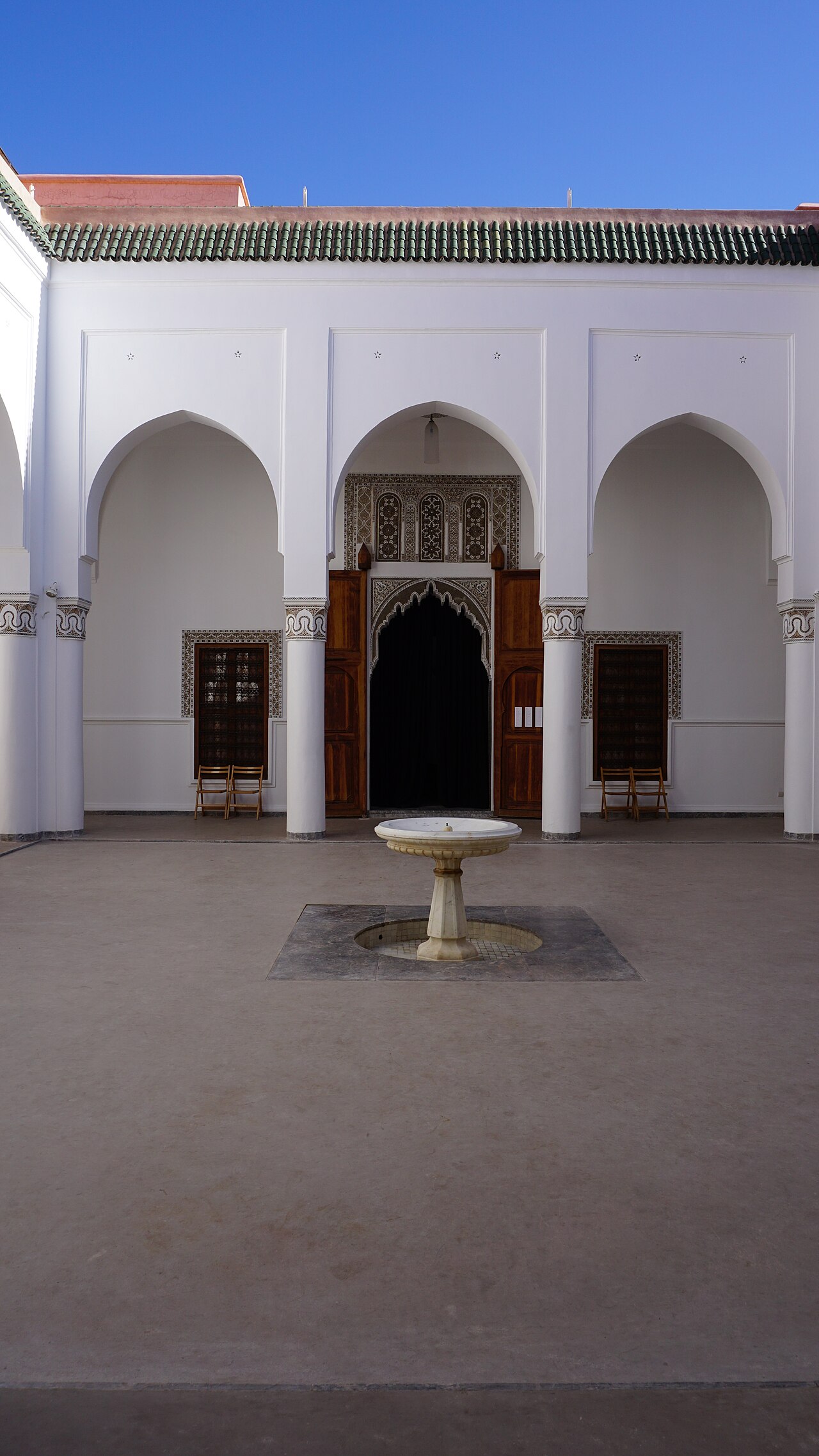
Dar Bellarj is a restored historic building in Marrakesh, Morocco, located near the Ben Youssef area. It was formerly known as a stork hospital, a facility dedicated to caring for injured storks. The building has been repurposed to support craft and cultural programming. It stands as an example of architectural restoration in the medina. The structure represents traditional Moroccan design elements. Its transformation from animal care to cultural venue illustrates adaptive reuse of heritage buildings in the city. Visitors encounter a space where historical function meets contemporary cultural activity.
2026-08-26 kontrol edildi
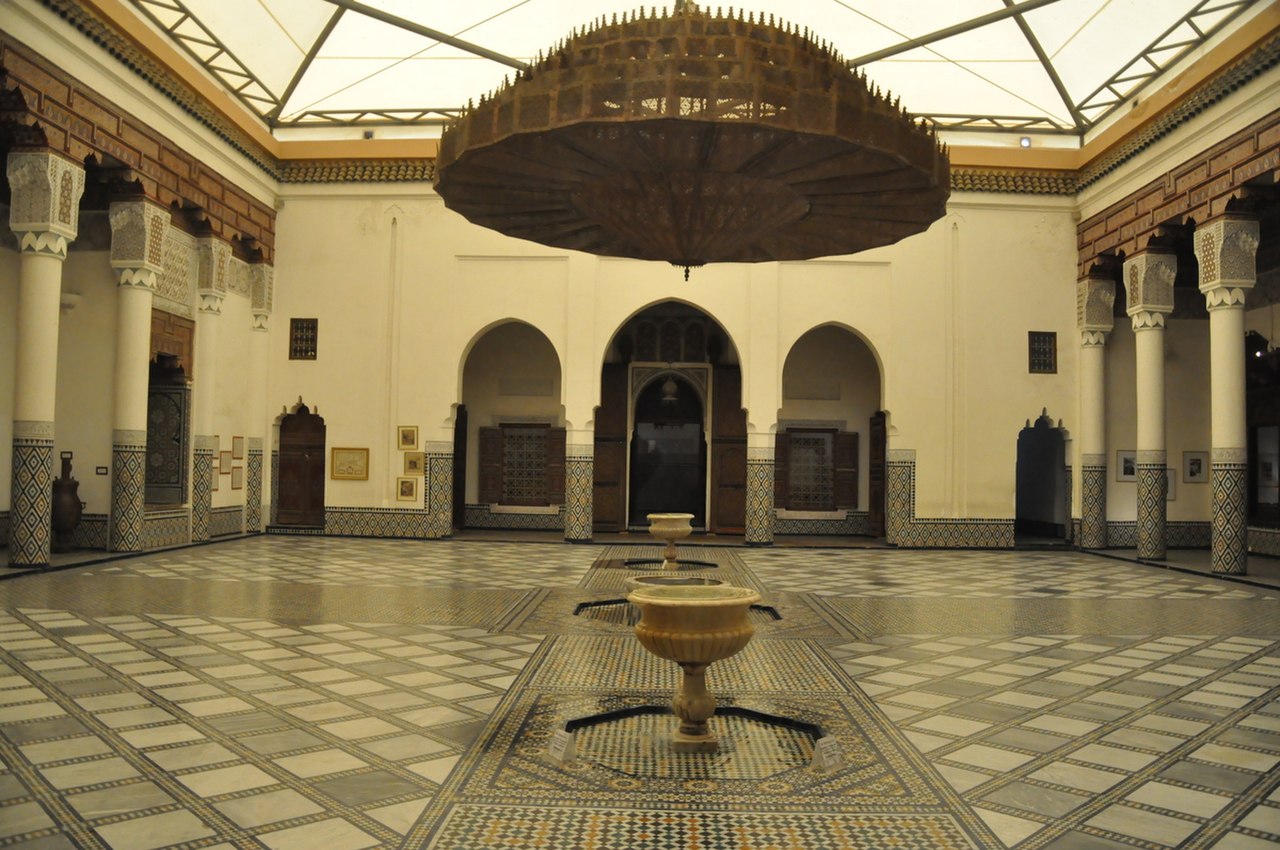
The interior of Dar Bellarj contains spaces dedicated to craft and cultural programming. The building features restored architectural elements typical of Moroccan riad-style structures. Exhibition areas and workshop spaces support artisan activities. The fine restoration preserves original decorative features. Specific room configurations and permanent collections are Not recorded. The programming likely includes temporary exhibitions, artisan demonstrations, or cultural events. The quality of restoration suggests attention to traditional building techniques. Visitors should expect a cultural venue rather than a museum with fixed displays. The building's historical character as a former stork hospital may be referenced in interpretive materials.
2026-08-26 kontrol edildi
A visit to Dar Bellarj typically requires between thirty minutes and one hour, depending on current programming and visitor interest. Those engaged with craft demonstrations or temporary exhibitions may spend additional time. The building's modest scale relative to major monuments suggests a shorter visit duration. Photography enthusiasts examining architectural details might extend their stay. Visitors combining this site with nearby Ben Youssef Madrasa or the Marrakesh Museum should allocate time accordingly. The flexible nature of cultural programming means individual experiences vary. No guided tour duration is specified in available sources.
2026-08-26 kontrol edildi
Operator-confirmed opening hours are Not recorded pending review. Visitors should verify current schedules before planning their visit. The medina location suggests daytime access is most practical for navigation and safety. Morning visits may offer quieter conditions for appreciating the restored architecture. Cultural programming schedules may influence optimal timing. Seasonal considerations for Marrakesh include intense summer heat, making spring and autumn generally more comfortable for medina exploration. Ramadan periods may affect accessibility and programming. Visitors should consult local sources or contact the venue directly for current operational status and any special events.
2026-08-26 kontrol edildi
Operator-confirmed admission prices are Not recorded pending review. The site's nature as a craft and cultural programming venue suggests possible variable pricing depending on exhibitions or events. Some cultural venues in Marrakesh operate with free entry or suggested donations. Visitors should prepare for possible fees and carry appropriate currency. Special workshops or demonstrations may involve separate charges. Student, senior, or resident discounts are Not recorded. Verification of current pricing through direct contact or local tourism offices is advisable before visiting. Cash payment in Moroccan dirhams is standard at most medina establishments.
2026-08-26 kontrol edildi
Dar Bellarj is situated in the medina of Marrakesh, near Ben Youssef, placing it within walking distance of the famous Ben Youssef Madrasa. Access requires navigating the narrow pedestrian streets of the old city. Visitors typically arrive on foot from nearby landmarks. Taxis and buses serve the perimeter of the medina, with final approach by walking. The Jemaa el-Fnaa square area provides a familiar reference point for orientation. Signage in the medina can be limited; visitors should carry a map or use GPS cautiously. The dense urban fabric requires comfortable footwear and patience. Evening navigation demands additional caution.
2026-08-26 kontrol edildi
Medina navigation presents the primary challenge, with winding alleys and limited signage. Visitors should remain alert to motorcycles and bicycles in narrow passages. The restored building may have uneven surfaces, steps, or thresholds requiring attention. As a programming venue, Dar Bellarj may have irregular hours or temporary closures for events. Language barriers may affect communication with staff. Cultural sensitivity regarding photography of people or active workshops is essential. The surrounding area attracts tourist-oriented commerce; visitors should exercise standard precautions against aggressive solicitation. Water and sun protection are advisable during warmer periods. No specific accessibility information is recorded.
2026-08-26 kontrol edildi
The restored architecture of Dar Bellarj offers photographic interest, particularly traditional Moroccan decorative elements and spatial qualities. Natural lighting conditions in interior courtyards may vary. Visitors should request permission before photographing staff, artisans, or other visitors. Active workshops or cultural programming may have restrictions on documentation. Flash photography might be prohibited near sensitive materials. The building's proximity to Ben Youssef allows for combined photographic exploration. Exterior photography in the medina requires awareness of surroundings and local sensitivities. Tripod use is likely impractical in confined spaces and may require permission. Specific venue policies on photography are Not recorded.
2026-08-26 kontrol edildi
No. Dar Bellarj is a separate building located beside the Ben Youssef area. It was formerly a stork hospital and now supports craft and cultural programming. The Ben Youssef Madrasa is a distinct and more famous Islamic college.
No. The stork hospital function is historical. The building has been repurposed for craft and cultural programming. Live storks are not a feature of the current venue.
Not recorded. The venue supports craft and cultural programming, which suggests flexible, possibly temporary content rather than fixed permanent displays. Visitors should expect variable programming.
Not recorded. Visitors may be able to arrive without reservation, but verification of current access policies is advisable given the programming nature of the venue.
Not recorded. Traditional Moroccan restored buildings often feature steps and uneven surfaces. Visitors requiring accessibility accommodations should contact the venue directly for current information.
Not recorded. The venue's programming focus may include guided elements during events, but regular scheduled tours are not documented in available sources.
Etkileşimli harita yükleniyor…
Etkileşimli harita yüklenemedi.
Son güncelleme:
Kaynak: OpenStreetMap katkıda bulunanları, Wikidata ·