

9 dk yürüyüş
Tokyo Ulusal Modern Sanat Müzesi
- Mutlaka görülmeli
- Müze
Dil · 11 yayınlandı
Tarihi anıt · Tokyo
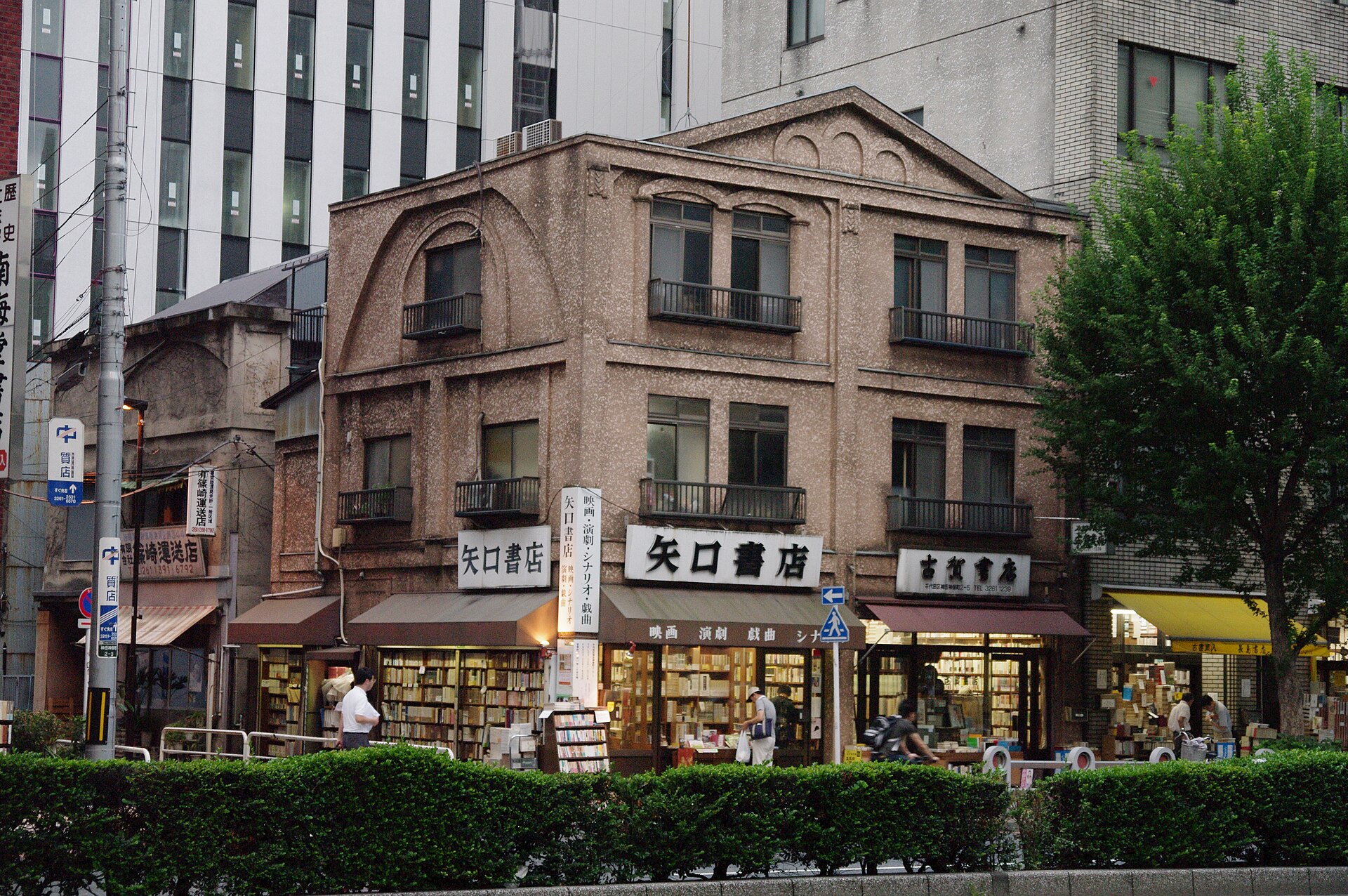
Jimbocho Book Town, known locally as 神保町古書店街, is a historic district in central Tokyo renowned for its dense concentration of antiquarian bookstores. The area has served as Japan's preeminent center for used and rare books since the early twentieth century. Located near several major universities, the district developed a scholarly character that persists today. Numerous shops specialize in academic texts, literature, art books, and ephemera spanning Japanese and Western materials. The neighborhood retains a distinctive atmosphere distinct from surrounding commercial districts.
2026-08-26 kontrol edildi
The district contains approximately 150 bookstores of varying sizes and specializations. Establishments range from sprawling multi-floor shops to narrow storefronts stacked floor-to-ceiling with volumes. Many dealers focus on specific domains including history, philosophy, performing arts, film, manga, and foreign-language publications. Several stores occupy historic wooden structures. The area also incorporates publishing house offices, print-related businesses, and traditional cafes frequented by writers and academics. Not all shops maintain English-language inventory; visitors should anticipate primarily Japanese-language materials. Jimbocho Book Town also earns time in a tokyo itinerary because EXACT_PRODUCTION reconciliation for the ranked entry; identity and coordinates were verified without a nearby fallback. Its value becomes clearer when the stop is compared with the surrounding streets and the other ranked places nearby.
2026-08-26 kontrol edildi
Visitors typically allocate between ninety minutes and half a day depending on collecting interests and browsing thoroughness. Casual observers may survey the district's atmosphere within an hour, walking the principal streets and entering select storefronts. Dedicated bibliophiles and researchers often spend multiple hours or return across several days. The decentralized nature of the shops rewards unhurried exploration. No single comprehensive catalog exists; discoveries depend upon patient examination of individual inventories. Seasoned visitors recommend repeated visits to observe rotating stock.
2026-08-26 kontrol edildi
Operator-confirmed hours are Not recorded pending review. Individual bookstore operating schedules vary considerably throughout the district. Some establishments maintain traditional retail hours while others open later or close earlier. Certain shops observe irregular schedules or temporary closures without advance notification. Visitors should verify current hours directly with specific stores of interest. Weekday mornings generally present quieter browsing conditions. Weekend foot traffic increases substantially. Academic calendar periods may influence availability of specialized materials as dealers attend auctions or university sales.
2026-08-26 kontrol edildi
Operator-confirmed prices are Not recorded pending review. No admission fee exists for entering the district itself. Individual book pricing varies enormously based upon rarity, condition, provenance, and subject matter. Bargain bins and discounted volumes coexist with valuable first editions commanding substantial sums. Most transactions occur in cash; credit card acceptance remains inconsistent across establishments. Foreign visitors should confirm payment methods before selecting purchases. No standardized pricing guides apply across the district's independent operators. Serious collectors should prepare appropriate funds and transportation considerations for bulky acquisitions.
2026-08-26 kontrol edildi
Jimbocho station serves the district via Tokyo Metro Hanzomon Line, Toei Mita Line, and Toei Shinjuku Line. Multiple exits place visitors within immediate walking distance of principal bookstore streets. Nearby Ochanomizu and Suidobashi stations provide additional access via JR East lines. The district occupies a compact area roughly between Yasukuni Dori and Hakusan Dori. Street-level navigation proceeds easily on foot given the neighborhood's grid-like structure. Signage in Japanese predominates; English wayfinding assistance remains limited. Central Tokyo location permits combination with visits to Imperial Palace East Gardens or Yasukuni Shrine.
2026-08-26 kontrol edildi
Many shops prohibit photography of merchandise; visitors should request explicit permission before imaging books or interiors. Narrow aisles and precarious stacking present physical hazards requiring careful movement. Climate conditions affect older structures; summer humidity and winter cold penetrate non-modernized premises. Language barriers complicate detailed inquiries for non-Japanese speakers. Some dealers specialize in adult materials clearly marked but inadvertently accessible. Purchased books may require customs consideration for international transport. Weight and dimension of potential acquisitions merit advance planning. Respectful quietude expected given scholarly environment.
2026-08-26 kontrol edildi
Photographic opportunities concentrate on atmospheric streetscapes, historic architecture, and carefully composed storefront exteriors. Interior photography faces substantial restrictions; individual shop policies vary and must be confirmed verbally. The district's dense signage, weathered facades, and architectural layering suit documentary approaches. Morning and late afternoon light conditions enhance textural qualities of wooden structures. Tripod use likely obstructs narrow pedestrian passages and should be avoided. Respect for commercial privacy and customer discretion governs all image-making. Seasonal atmospheric conditions including rain-slicked streets may augment visual character while complicating equipment protection.
2026-08-26 kontrol edildi
Multiple independent businesses. The district comprises approximately 150 separate bookstores operating under individual ownership with no centralized management.
Some establishments maintain English-language sections, though inventory predominates in Japanese. Availability varies by shop and requires direct verification.
Not recorded. Visitors must inquire directly with individual dealers regarding shipping services and customs documentation.
Variable. Historic structures often lack elevators and feature narrow entrances with steps. Street-level browsing possible; upper floors may present barriers.
Traditional cafes and small restaurants operate in the area, including establishments historically associated with writers and publishing professionals.
Jimbocho represents Tokyo's largest and most historically significant antiquarian book concentration. Other areas maintain different retail character or contemporary focus.
Etkileşimli harita yükleniyor…
Etkileşimli harita yüklenemedi.

Son güncelleme:
Kaynak: OpenStreetMap katkıda bulunanları, Wikidata ·