


3 dk yürüyüş
日本武道館
- Dikkate değer
- Aktivite
Dil · 11 yayınlandı
Müze · Tokyo
昭和館
| Pazartesi | Kapalı |
|---|---|
| Salı | 10:00 – 17:30 |
| Çarşamba | 10:00 – 17:30 |
| Perşembe | 10:00 – 17:30 |
| Cuma | 10:00 – 17:30 |
| Cumartesi | 10:00 – 17:30 |
| Pazar | 10:00 – 17:30 |
OpenStreetMap açılış saatlerinden 2026-08-26 tarihinde ayrıştırıldı.
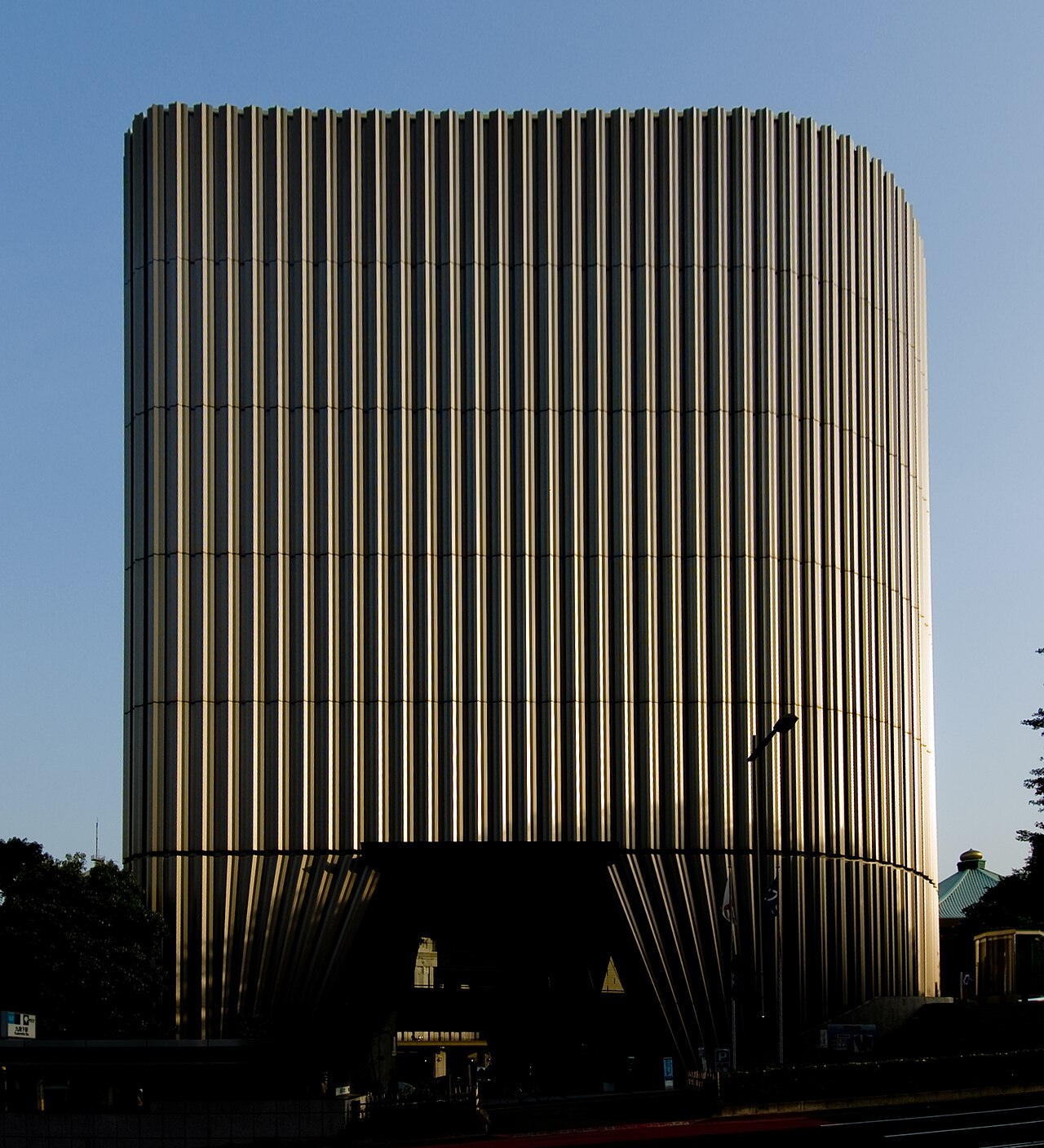
The National Showa Memorial Museum, known locally as 昭和館 (Showa-kan), is a museum in Tokyo dedicated to the Showa period of Japanese history. The institution commemorates civilian experiences during World War II and the reconstruction era that followed. It stands as a memorial to the hardships endured by ordinary people. The museum is situated in central Tokyo and serves as a place of remembrance and historical education. Its establishment reflects ongoing efforts to preserve and transmit firsthand accounts of this significant era to future generations.
2026-08-28 kontrol edildi
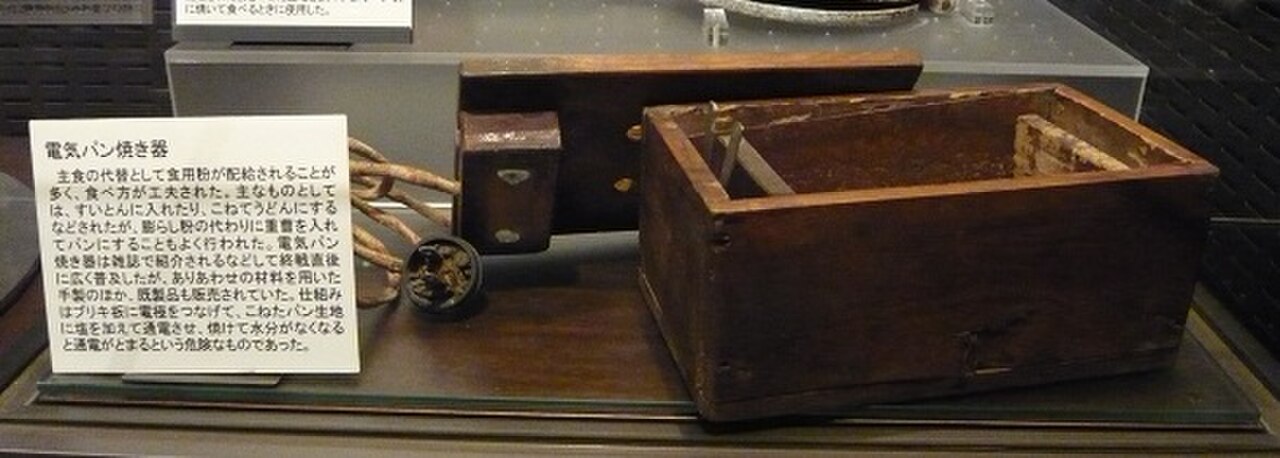
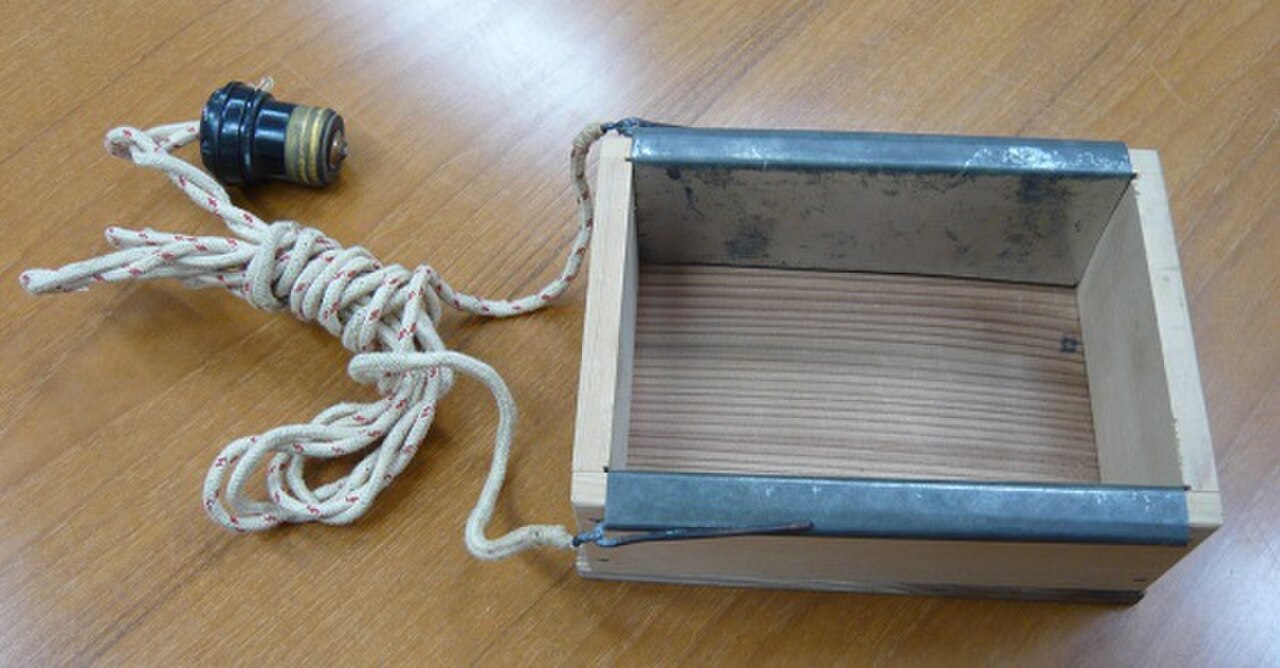
The museum houses exhibits related to daily life during the Showa period, with particular emphasis on wartime and postwar civilian experiences. Collections include personal artifacts, documents, photographs, and testimonies from survivors. Displays typically cover themes of evacuation, air raids, food shortages, and rebuilding efforts. The institution aims to present the human dimension of historical events through personal narratives rather than military history. Specific details about current temporary exhibitions or collection rotations are not available from the provided sources. Visitors should consult the museum directly for current display information.
2026-08-28 kontrol edildi
Most visitors spend approximately one to two hours exploring the museum's exhibitions. The duration depends on individual interest in reading detailed testimonies and examining artifacts closely. Those with personal or scholarly connections to Showa-era history may wish to allocate additional time. The compact nature of memorial museums typically allows for thorough engagement without requiring a full day. Visitors should consider their own pacing preferences and whether they intend to read all available documentation. Audio guides or supplementary materials, if offered, would extend the visit duration accordingly.
2026-08-28 kontrol edildi
Visitors must verify current opening schedules directly with the museum before planning their visit. Seasonal considerations for Tokyo include humid summers and cold winters, which may affect comfort when traveling to the site. The museum's indoor environment provides climate-controlled conditions regardless of season. Weekday mornings generally offer quieter conditions at Tokyo museums compared to weekends and public holidays. Golden Week and New Year periods see increased domestic travel throughout Japan. Advance verification remains essential due to potential special closures or modified schedules. Check the operator's own site for the travel date before relying on a schedule or fare.
2026-08-28 kontrol edildi
The museum may offer free admission or charge nominal fees typical of Japanese national memorial institutions. Concessions for students, seniors, or groups are common practices but require direct confirmation. Some Tokyo museums participate in reciprocal programs or offer combined passes with nearby institutions. Visitors should bring cash as many Japanese facilities remain cash-preferred, though card acceptance is increasing. Foreign visitors rarely receive differential pricing at government-affiliated museums. Verification of current admission policies must occur through official channels before arrival to avoid inconvenience. Check the operator's own site for the travel date before relying on a schedule or fare.
2026-08-28 kontrol edildi

The museum is located in Tokyo's Chiyoda ward, accessible via the city's extensive rail network. Nearby stations likely include those on the Tokyo Metro and JR lines serving central districts. The exact walking distance from specific station exits is not recorded. Tokyo's subway and train systems operate with high frequency and reliability. Visitors should use station maps and follow directional signage in Japanese and English. Taxis serve the area but are considerably more expensive than public transit. Walking from nearby government district stations is feasible given the museum's central location in the capital.
2026-08-28 kontrol edildi

The museum addresses traumatic historical events including war suffering and civilian casualties. Visitors sensitive to graphic depictions of hardship or loss should prepare accordingly. Exhibition content may prove emotionally affecting, particularly for those with family connections to the period. Photography restrictions likely apply to certain displays out of respect for survivors and donors. Quiet, respectful conduct is expected throughout this memorial institution. Some testimonies may be presented exclusively in Japanese without translation. The museum's educational purpose prioritizes remembrance over entertainment, which shapes the overall atmosphere and visitor expectations significantly.
2026-08-28 kontrol edildi

Photography policies are not explicitly detailed in available sources. Most Japanese museums restrict or prohibit flash photography and videography to protect artifacts and maintain atmosphere. Memorial institutions often impose stricter limitations than general museums out of respect for subject matter and donor wishes. Visitors should observe posted signage and staff instructions regarding camera use. When permitted, photography typically excludes special exhibitions and areas with personal testimonies. Tripods and selfie sticks are generally prohibited in crowded indoor spaces. When in doubt, visitors should request clarification rather than assume permission, maintaining appropriate decorum throughout.
2026-08-28 kontrol edildi
The local name 昭和館 corresponds to this institution. The provided sources identify it as the National Showa Memorial Museum with node/988763541.
Based on its memorial identity, the institution emphasizes civilian experiences rather than military operations. The focus is on daily life, suffering, and reconstruction during the Showa period.
This is not recorded in available sources. Visitors should not assume comprehensive English support and may wish to inquire directly before visiting.
Reservation requirements are not recorded. Visitors should verify current policies directly with the museum, as practices may vary by exhibition or season.
Amenities are not detailed in the provided sources. Memorial institutions typically minimize commercial elements, but specific facilities require direct verification.
Accessibility features are not recorded in available sources. Modern Japanese public buildings generally include basic accessibility, but visitors with specific needs should confirm directly.
Etkileşimli harita yükleniyor…
Etkileşimli harita yüklenemedi.


Son güncelleme:
Kaynak: OpenStreetMap katkıda bulunanları, Wikidata ·