
.jpg)
.jpg)
.jpg)
.jpg)

3 dk yürüyüş
Gwanghwamun
- Dikkate değer
- Tarihi anıt
Dil · 11 yayınlandı
Müze · Seul
국립고궁박물관
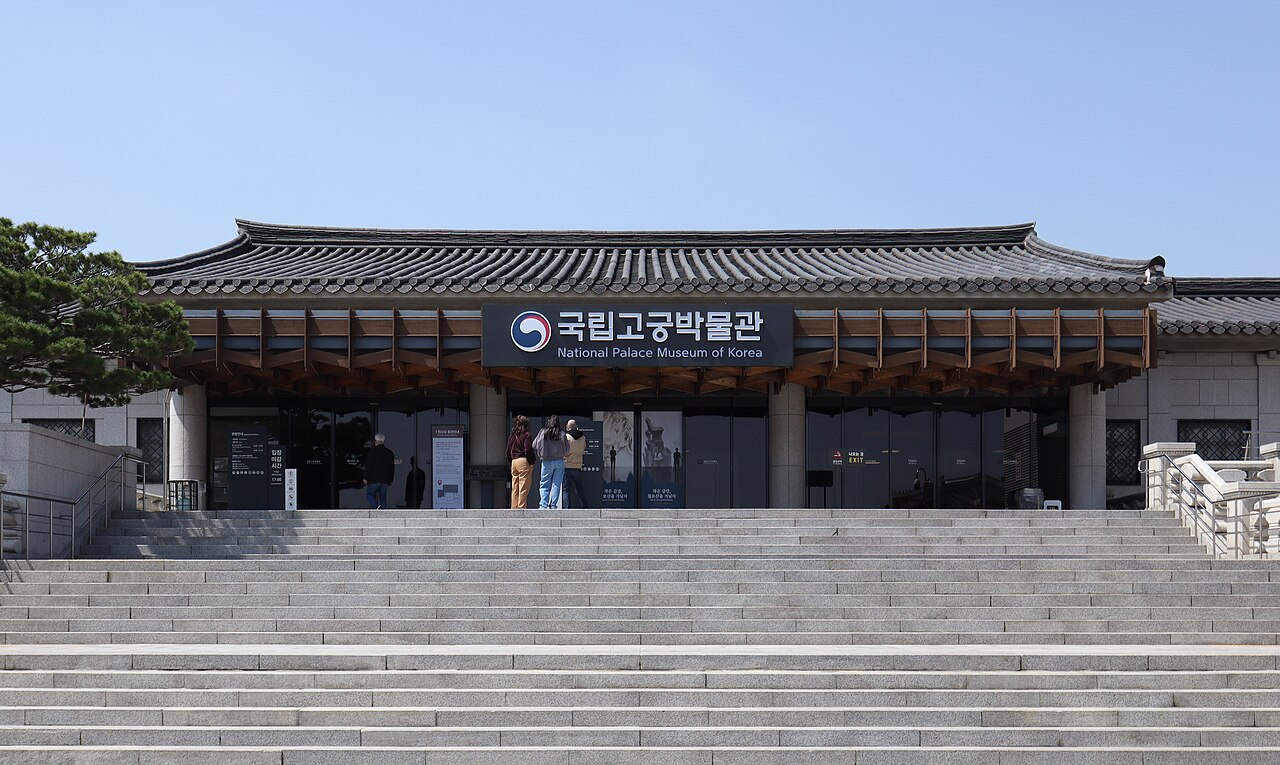
The National Palace Museum of Korea is a museum in Seoul dedicated to the history and culture of the Joseon Dynasty and Korean imperial court. It houses artifacts from the royal palaces of Seoul, including Gyeongbokgung, Changdeokgung, Changgyeonggung, and Deoksugung. The museum relocated to its current premises near Gyeongbokgung Palace in 2005. Its collection encompasses over 40,000 items spanning royal ceremonies, daily life, art, and state affairs. The institution serves as a primary repository for understanding Korea's monarchical heritage.
2026-08-26 kontrol edildi
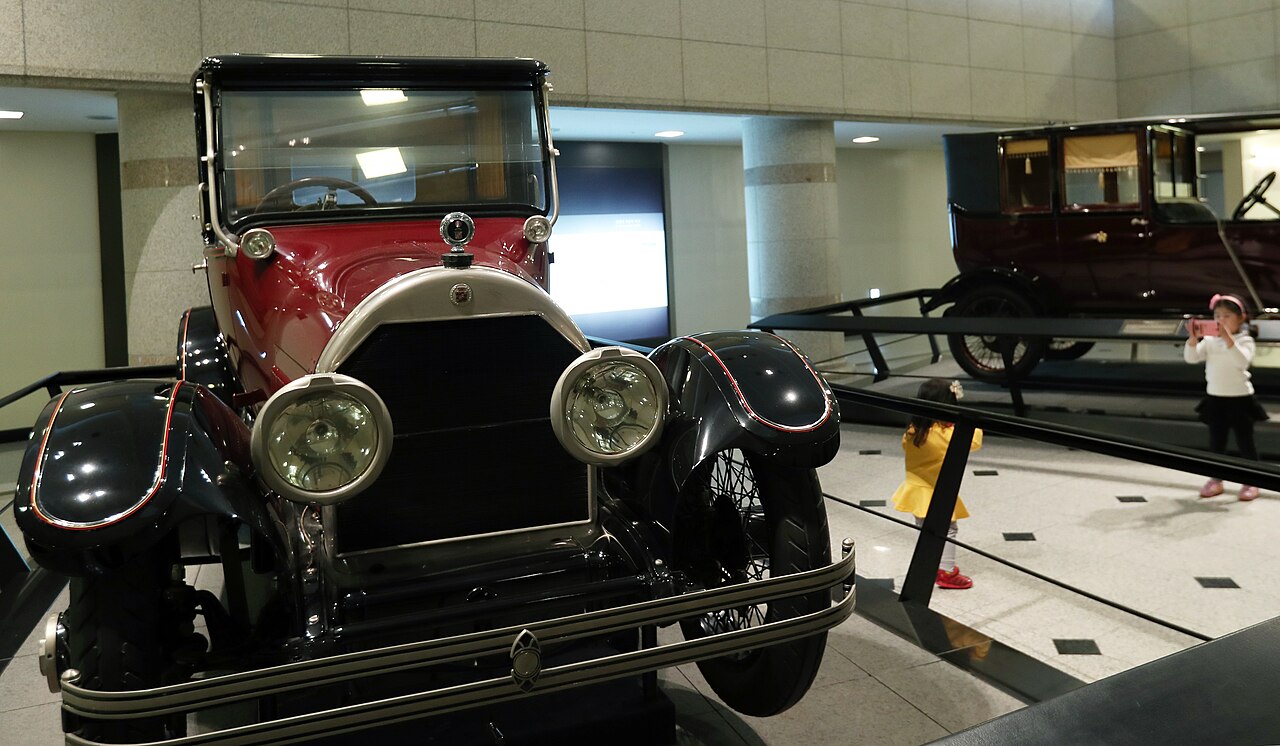
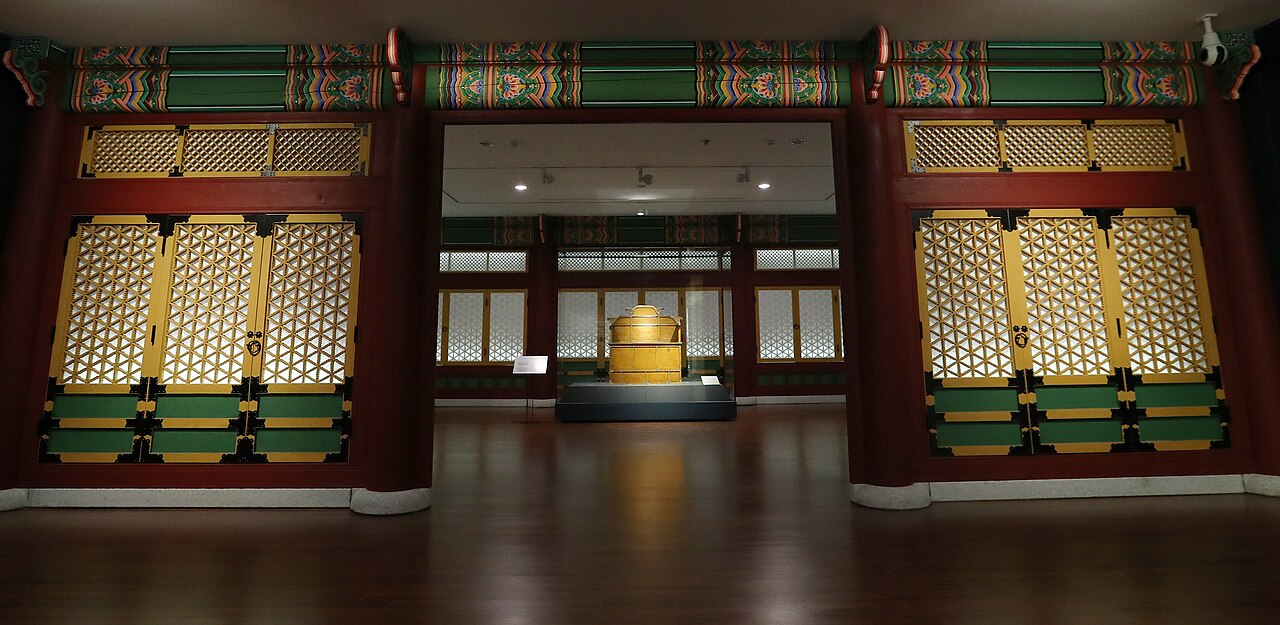
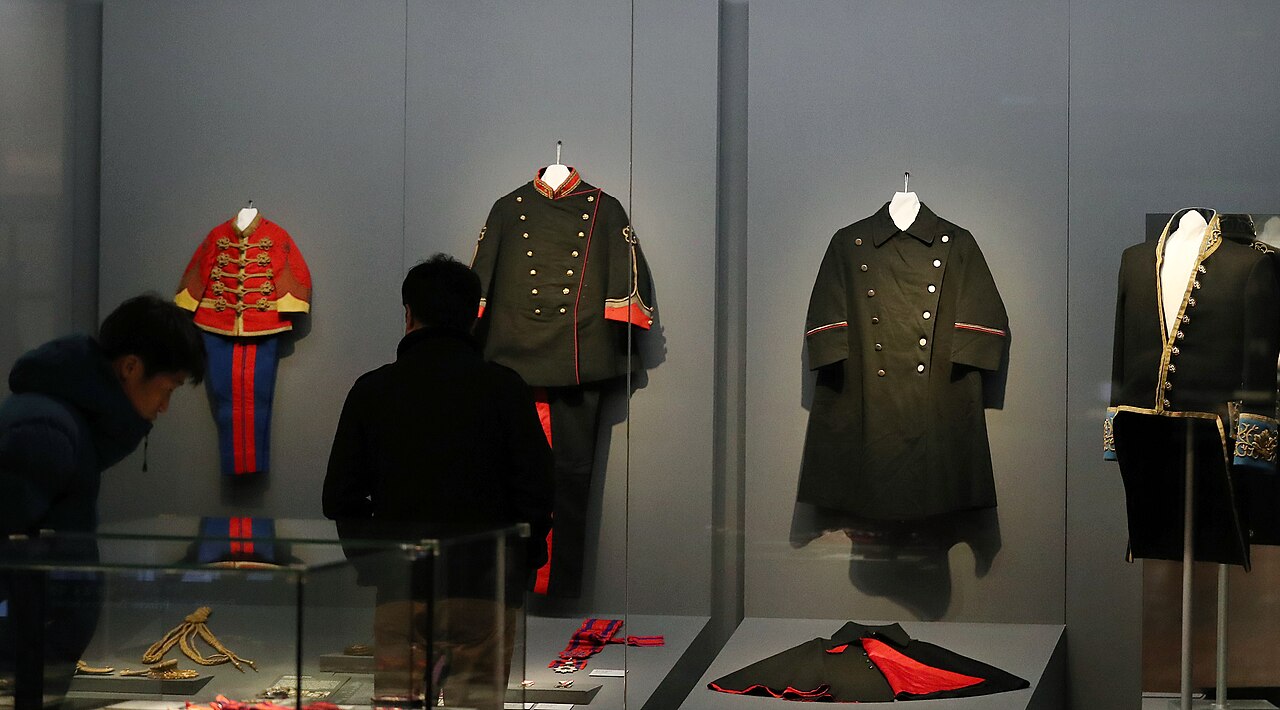
The museum's collections include royal seals, ceremonial garments, palanquins, court paintings, musical instruments, and decorative arts. Notable categories comprise Joseon kings' official portraits, uigwe royal protocols documenting ceremonies, and items related to royal weddings and funerals. The displays cover palace architecture through models and fragments. Visitors encounter objects illustrating the hierarchical structure of court society. The breadth reflects both state ritual and the personal dimensions of palace existence across centuries of dynastic rule. National Palace Museum of Korea also earns time in a seoul itinerary because Exact production identity assigned through pois.city_place_id; stored names and coordinates were copied without approximation. Its value becomes clearer when the stop is compared with the surrounding streets and the other ranked places nearby.
2026-08-26 kontrol edildi
A thorough visit typically requires between one and a half to three hours depending on individual pacing and depth of interest. The museum's scale permits flexible engagement: focused examination of specific galleries or comprehensive progression through chronological and thematic arrangements. Visitors with strong interest in Korean art history or royal material culture may prefer extended stays. Those combining this destination with adjacent Gyeongbokgung Palace or other nearby cultural sites should allocate time accordingly to avoid fatigue. The strongest visit keeps attention on what is distinctive here while leaving room for the next stop. That approach makes National Palace Museum of Korea useful in both a focused first visit and a slower return to the city.
2026-08-26 kontrol edildi
Operator-confirmed hours are Not recorded pending review. Seasonal considerations for Seoul include hot humid summers and cold dry winters; spring and autumn generally offer milder conditions for walking between the museum and surrounding palace grounds. Weekday mornings may present fewer visitors than afternoons or weekends. The museum's indoor environment provides climate-controlled conditions regardless of external weather. Visitors should verify current operational status before planning, as institutions occasionally adjust schedules for maintenance or holidays. A flexible visit lets travellers connect National Palace Museum of Korea with the rest of the day without treating one room, viewpoint or photograph as the whole experience. The useful pace depends on personal interest and conditions on arrival.
2026-08-26 kontrol edildi
Operator-confirmed prices are Not recorded pending review. The museum may operate under policies distinct from separate palace complex admissions. Some national museums in Korea have historically offered free entry or variable pricing for different visitor categories including children, students, seniors, and groups. Potential combined ticketing with adjacent heritage sites should be investigated at official sources. Visitors are advised to consult the museum's official channels or on-site information for definitive current pricing structures and any applicable exemptions.
2026-08-26 kontrol edildi
The museum occupies a position near Gyeongbokgung Palace in central Seoul's Jongno district. Accessibility relies on Seoul's extensive public transit network. Gyeongbokgung Station on subway line 3 provides proximate underground access. Additional bus routes serve the broader palace district. The area's pedestrian environment connects the museum to other significant cultural destinations including the National Folk Museum and various palace entrances. Signage in the district typically includes English. Walking surfaces around heritage zones may include uneven traditional materials.
2026-08-26 kontrol edildi
The museum maintains standard expectations for artifact preservation: photography restrictions may apply in specific galleries, food and beverages are typically prohibited, and large bags may face scrutiny. The physical environment includes climate control that may feel cool relative to external summer conditions. Visitors should respect barrier placements and not touch displayed objects. Crowding fluctuates with tour group schedules and domestic tourism patterns. Adjacent palace grounds involve additional walking on varied surfaces; appropriate footwear benefits combined itineraries.
2026-08-26 kontrol edildi

Photography policies within Korean national museums vary by institution and specific exhibition. Flash photography is commonly prohibited due to conservation concerns. Some special exhibitions or loaned works may carry complete photography bans. Visitors should observe posted signage and staff guidance regarding permitted practices. Tripods and selfie sticks frequently face restrictions in museum interiors due to spatial constraints and visitor safety. When photography is permitted, it typically excludes commercial purposes without separate authorization. Respect for these rules protects artifacts for continued public access.
2026-08-26 kontrol edildi
No. These are separate institutions located near each other in the Gyeongbokgung Palace area. The National Palace Museum focuses on royal and court artifacts from the Joseon Dynasty and Korean empire. The National Folk Museum addresses broader Korean folk traditions and daily life. Visitors often combine both in a single itinerary.
Major national museums in Seoul typically provide English signage and materials for international visitors. The extent of English audio guides or detailed explanatory text may vary by gallery. Visitors seeking comprehensive understanding may benefit from advance research or guided tour services.
Yes. The museum's location adjacent to Gyeongbokgung Palace facilitates combined visits. The two destinations complement each other, with the palace providing architectural and spatial context for the museum's portable collections. Visitors should plan sufficient time and energy for both experiences.
Not recorded. Museum dining facilities vary; visitors should not assume on-site food service availability. The surrounding Jongno district contains numerous restaurants and cafes. Planning meal times before or after the visit, or identifying nearby options in advance, represents prudent preparation.
Modern Korean national museums generally incorporate accessibility features including elevators and barrier-free routes. The specific configuration of galleries and entrance approaches should be verified directly. Adjacent palace grounds present greater accessibility challenges due to historical terrain and traditional construction methods.
Not recorded. Korean museums of this scale typically provide cloakroom or locker facilities, though capacity and policies vary. Large bags may face security examination. Visitors carrying substantial luggage should verify storage availability in advance, particularly when combining the museum with travel to other destinations.
Etkileşimli harita yükleniyor…
Etkileşimli harita yüklenemedi.

Son güncelleme:
Kaynak: OpenStreetMap katkıda bulunanları, Wikidata ·