
.jpg)
_%ED%92%8D%EA%B2%BD(%EC%84%9C%EC%9A%B8-%EA%B4%91%ED%99%94%EB%AC%B8).JPG)


3 dk yürüyüş
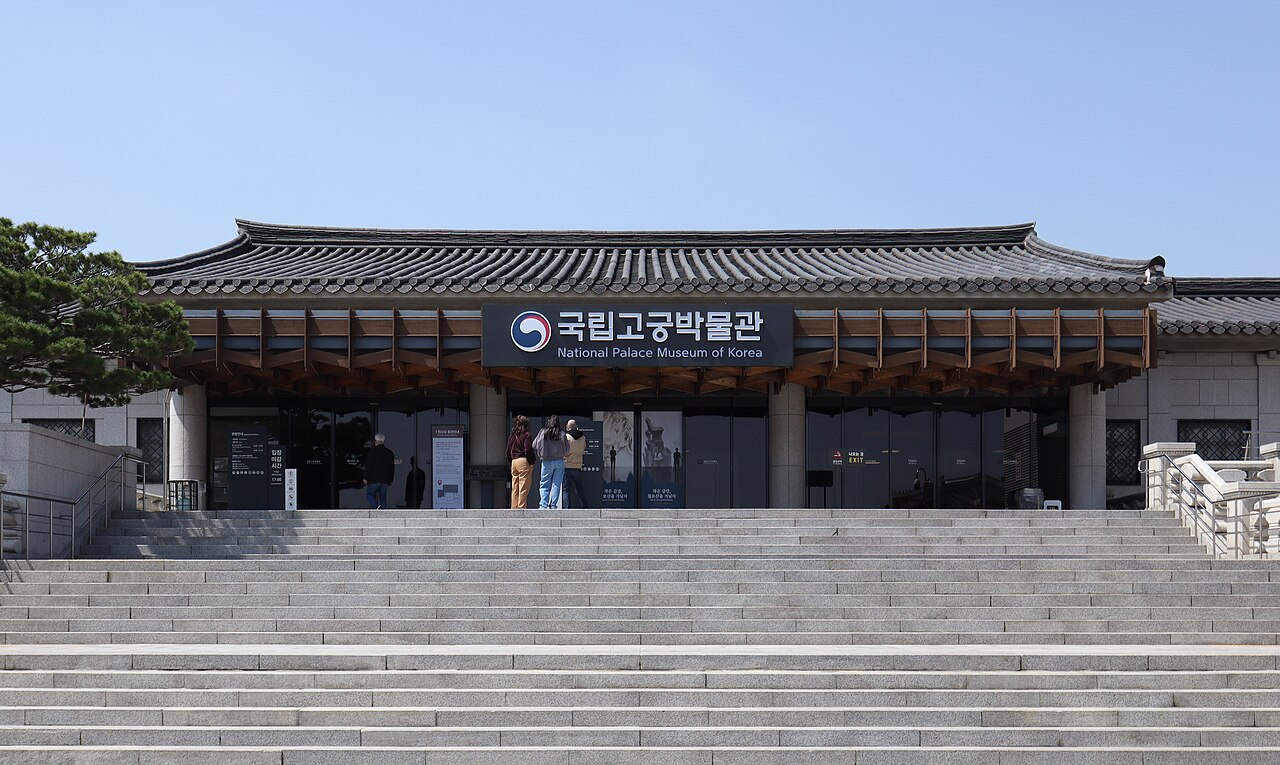
국립고궁박물관
- Mutlaka görülmeli
- Müze
Dil · 11 yayınlandı
Tarihi anıt · Seul
광화문

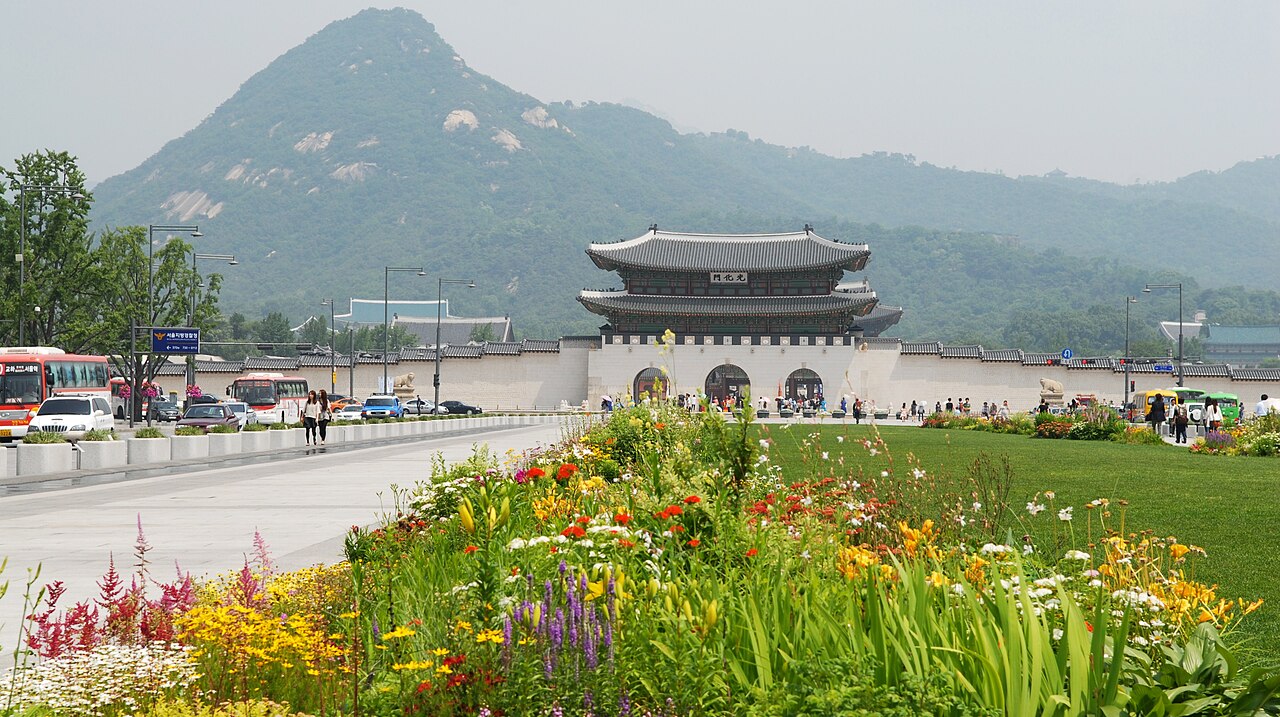
Gwanghwamun is the main gate of Gyeongbokgung Palace, the largest of Seoul's five Joseon-era palaces. Located in Jongno-gu at the northern end of Sejong-daero, it serves as both a historic monument and a symbolic landmark of Korean national identity. The current structure is a reconstruction, as the original gate and palace complex suffered destruction during the Japanese colonial period and the Korean War. The gate features a two-story wooden pavilion atop a stone base with three arched entrances.
2026-08-26 kontrol edildi
The gate structure itself contains wooden beams, painted brackets, and a tiled roof in traditional Korean palace architecture style. Above the central archway hangs a wooden plaque bearing the name Gwanghwamun in Hanja characters, notable for a disputed calligraphic attribution. The gate opens onto the palace grounds, where visitors may proceed toward Geunjeongjeon Hall and other palace buildings. Stone guardian sculptures and traditional architectural details are visible on the gate's exterior surfaces and roof ridges.
2026-08-26 kontrol edildi
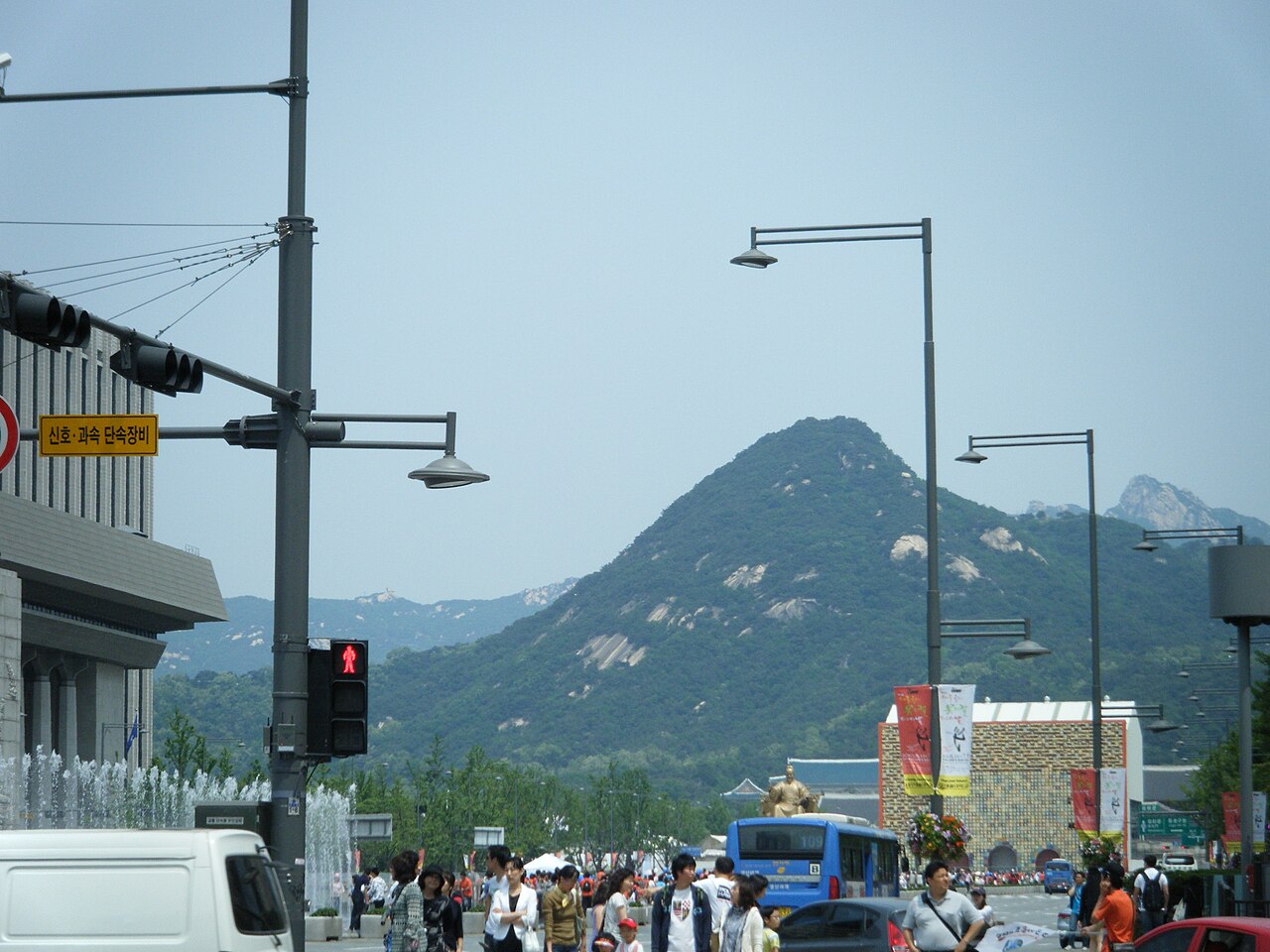
A visit to Gwanghwamun itself requires approximately fifteen to thirty minutes for observation and passage through the gate structure. Most visitors combine this with exploration of the broader Gyeongbokgung Palace complex, which extends the total visit duration significantly. The gate functions primarily as an entrance point rather than a destination for extended visitation. Photography and brief architectural observation constitute the typical visitor experience at this specific structure before proceeding inward. Gwanghwamun also earns time in a seoul itinerary because Exact production identity assigned through pois.city_place_id; stored names and coordinates were copied without approximation. Its value becomes clearer when the stop is compared with the surrounding streets and the other ranked places nearby.
2026-08-26 kontrol edildi
Operator-confirmed hours are Not recorded pending review. Visitors should consult official sources before planning arrival. The gate's visibility and accessibility vary by time of day and season. Morning light may offer favorable conditions for exterior photography. Evening hours may permit viewing of exterior illumination if operational. Seasonal weather conditions in Seoul affect visitor comfort, with summer humidity and winter cold presenting notable considerations. Crowd levels likely fluctuate with domestic tourism patterns and weekend visitation. The strongest visit keeps attention on what is distinctive here while leaving room for the next stop. That approach makes Gwanghwamun useful in both a focused first visit and a slower return to the city.
2026-08-26 kontrol edildi
Operator-confirmed prices are Not recorded pending review. Gwanghwamun as a gate structure may not require separate admission from the broader Gyeongbokgung Palace complex, though this requires verification. Visitors should consult official palace administration sources for current fee structures, free admission policies for specific demographics, and any combined ticketing options with adjacent cultural sites. Potential costs for guided tours, audio guides, or special programs are similarly unverified and require direct inquiry with operating authorities. A flexible visit lets travellers connect Gwanghwamun with the rest of the day without treating one room, viewpoint or photograph as the whole experience. The useful pace depends on personal interest and conditions on arrival.
2026-08-26 kontrol edildi

Gwanghwamun station on Seoul Subway Line 5 provides direct underground access to the general vicinity. Additional subway connections are available at Gyeongbokgung station on Line 3, requiring brief surface walking. Multiple bus routes serve the Sejong-daero corridor. The location occupies a prominent position in central Seoul with established pedestrian infrastructure. Visitors approaching from the south traverse the expanded Gwanghwamun Plaza, a major public space created through urban renewal projects. Taxis and ride services access nearby roadways.
2026-08-26 kontrol edildi
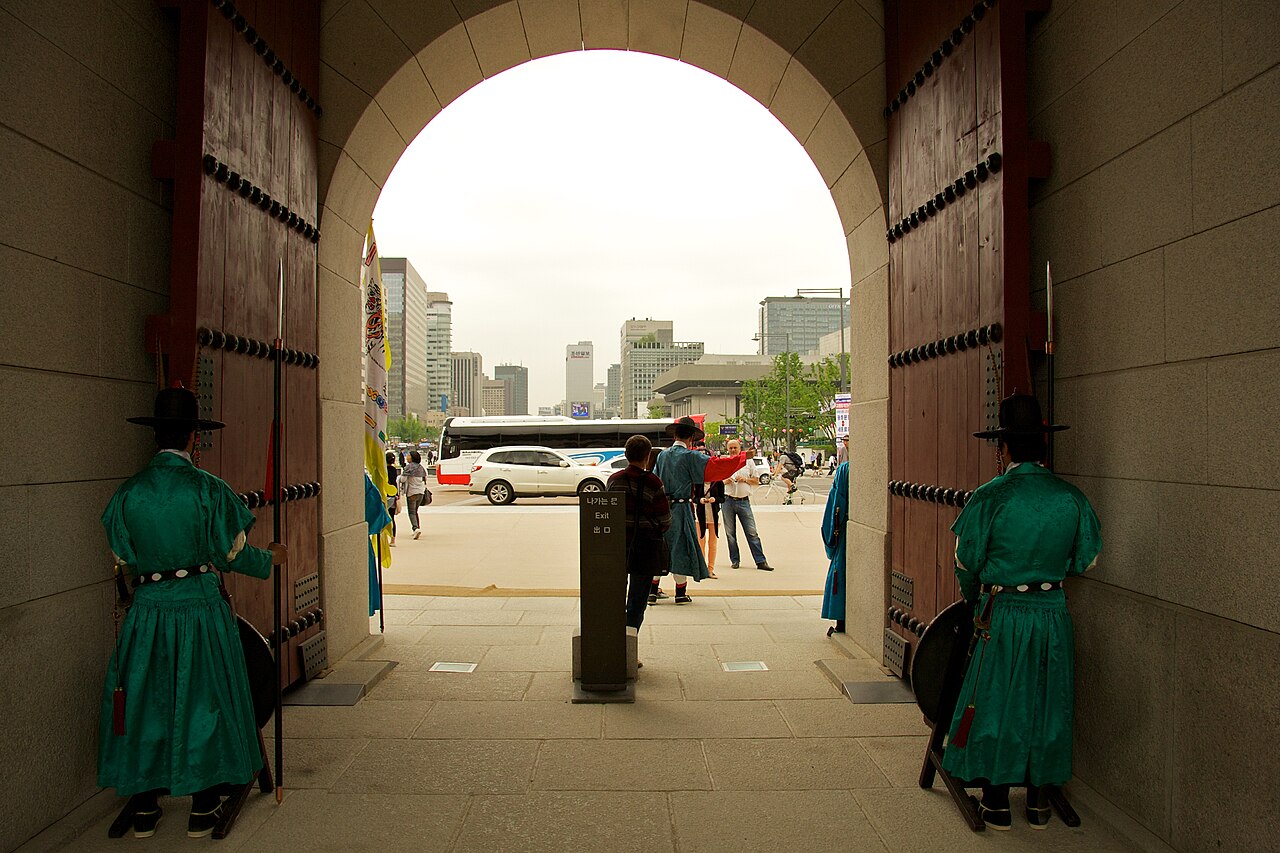
The gate structure sits adjacent to active roadways and a major public plaza with vehicular and pedestrian traffic mixing. Visitors should remain attentive to crossing conditions and traffic signal patterns. The stone surfaces and steps may present slip hazards in wet conditions. Crowding during peak visitation periods could affect movement through the gate archways. Sun exposure on the stone plaza creates glare and heat reflection during summer months. Visitors should carry water and sun protection as appropriate to conditions.
2026-08-26 kontrol edildi
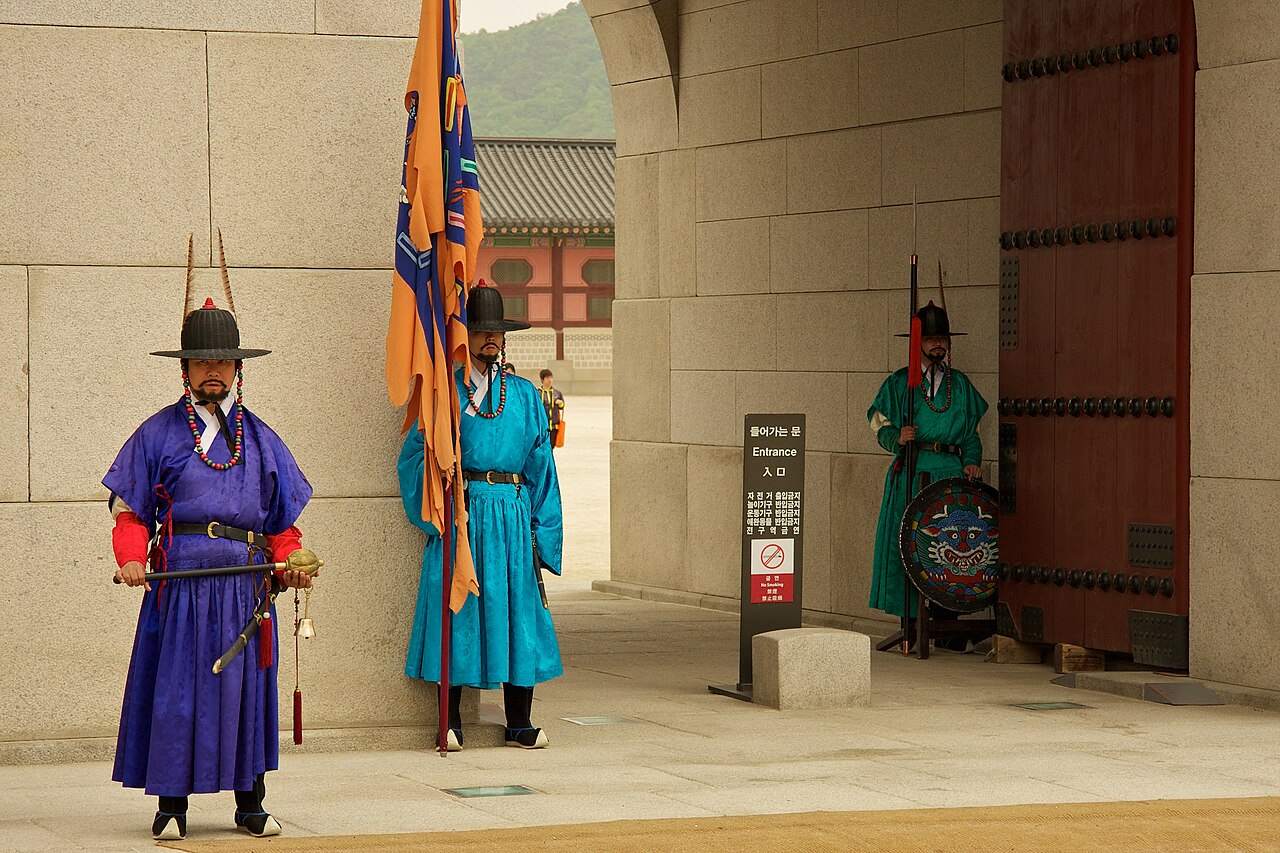
The gate's symmetrical facade and elevated position suit frontal photography from the plaza approach. The wooden plaque and roof details reward telephoto or zoom capture. Morning and late afternoon light angles may reduce harsh shadows on the facade surface. The plaza's open space permits wide-angle composition including surrounding context. Tripod use policies within the palace complex require verification with operators. Night photography possibilities depend upon illumination schedules not confirmed in available sources. Drone operation would require regulatory compliance with Korean aviation authorities.
2026-08-26 kontrol edildi
No. Gwanghwamun is the main gate of Gyeongbokgung Palace, not the palace itself. It serves as the primary entrance to the larger palace complex.
No. The current structure is a reconstruction. The original gate and palace suffered destruction during the Japanese colonial period and the Korean War.
The gate functions as an entrance to the palace grounds, though current access protocols and any directional routing should be confirmed with palace operators.
Operator-confirmed prices are Not recorded pending review. The gate may be covered under broader palace admission, but this requires verification with official sources.
The wooden plaque bears the name Gwanghwamun in Hanja characters. The calligraphic attribution has been subject to historical dispute.
Not recorded pending review. Visitors should consult official palace administration sources for current ceremonial schedules and programs.
Etkileşimli harita yükleniyor…
Etkileşimli harita yüklenemedi.

Son güncelleme:
Kaynak: OpenStreetMap katkıda bulunanları, Wikidata ·