
.jpg)


.jpg)

202 dk yürüyüş
云居寺
- Mutlaka görülmeli
- İbadet yeri
Dil · 11 yayınlandı
Tarihi anıt · Pekin
周口店北京人遗址
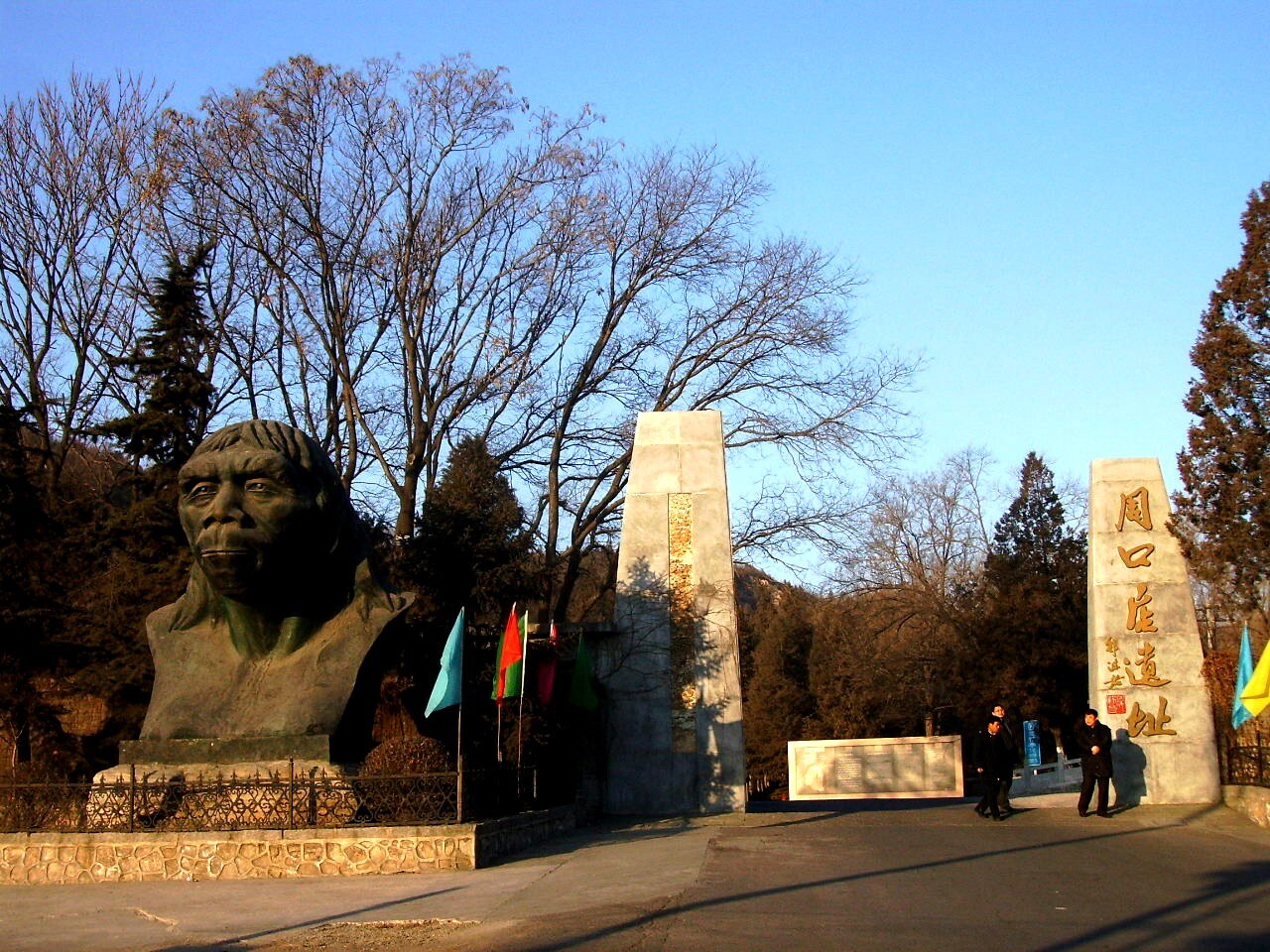
Zhoukoudian Peking Man Site is a paleoanthropological locality in southwest Beijing. It yielded fossils of Homo erectus pekinensis, commonly called Peking Man, in excavations during the early twentieth century. The discoveries established this as one of the most significant sites for understanding early human evolution in East Asia. UNESCO designated it a World Heritage Site in 1987. The location comprises multiple cave systems where systematic archaeological work occurred. The site holds scientific importance rather than conventional scenic appeal. Visitors encounter a museum complex and protected excavation areas in a limestone landscape. The local name is 周口店北京人遗址.
2026-08-26 kontrol edildi
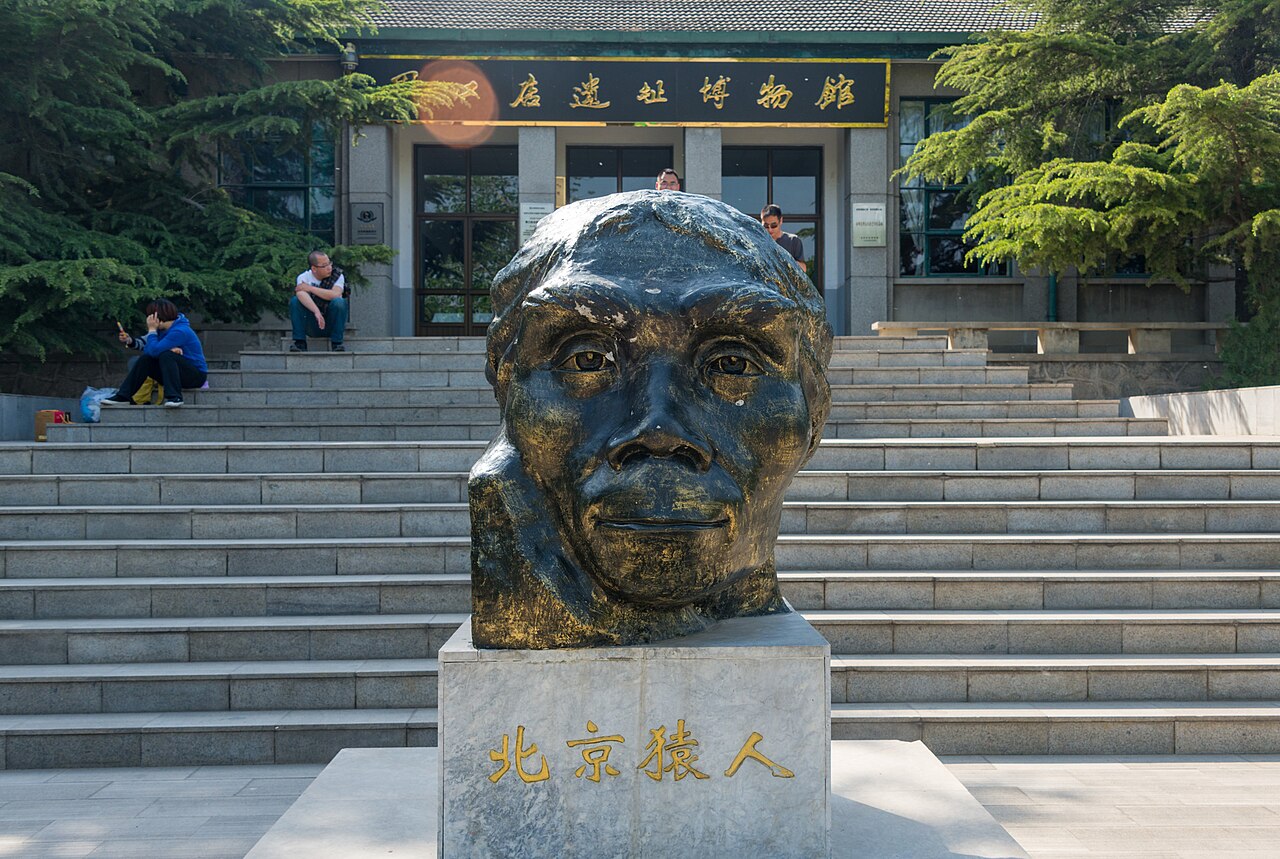
The site contains a museum displaying casts and original finds from excavations, including skull fragments and tools. Outdoor sections include protected cave localities where fossils were recovered, notably Locality 1 and the Upper Cave. Exhibits cover geological context, excavation history, and interpretations of Peking Man behavior. Some original specimens disappeared during World War II, so displayed materials include careful replicas. The museum presents information in Chinese with limited English. The surrounding area has walking paths between excavation points. Interpretive signage exists but density varies. The overall presentation emphasizes scientific narrative over immersive reconstruction. Expect a quiet, educational atmosphere rather than entertainment-focused design.
2026-08-26 kontrol edildi
Most visitors complete the museum and outdoor circuit in approximately two to three hours. The site is compact enough for a half-day excursion from central Beijing. Enthusiasts with strong interest in paleoanthropology or archaeology may extend this duration by reading all exhibits carefully. The walking between cave localities adds modest time. Combined travel from Beijing city center makes this realistically a four to five hour commitment minimum. Rushing through provides limited value given the text-heavy presentation. The museum interior and exterior paths together form a continuous route. No significant queueing is typical. Plan accordingly for the return journey to Beijing.
2026-08-26 kontrol edildi

The site operates as a protected heritage property with seasonal variations typical of Chinese museums. Summer months bring higher temperatures and possible afternoon thunderstorms in the Beijing region. Winter visits mean cold conditions with reduced vegetation, potentially improving visibility of rock formations. Spring and autumn offer moderate temperatures that suit outdoor walking between localities. Weekends and Chinese public holidays likely draw more domestic visitors and school groups. Morning arrival generally provides quieter conditions for reading exhibits. Verify current status before travel as archaeological sites occasionally restrict access for preservation or research activities without advance publicity. Check the operator's own site for the travel date before relying on a schedule or fare.
2026-08-26 kontrol edildi
Chinese World Heritage Sites typically charge admission fees, often with tiered pricing for adults, students, and seniors. Identification may be required for discounted categories. Some Chinese museums offer free admission on specific dates annually, though implementation varies by site and policy changes. Budget for transportation costs separately, as the site lies distant from central Beijing. No significant additional fees for standard museum and cave locality access are apparent. Audio guides or special exhibitions may carry separate charges if available. Carry cash as backup even where electronic payment predominates. Confirm current pricing through official channels before visiting. Check the operator's own site for the travel date before relying on a schedule or fare.
2026-08-26 kontrol edildi

Zhoukoudian lies approximately fifty kilometers southwest of central Beijing in Fangshan District. Public bus routes connect from Beijing urban areas, though transfers and journey times are substantial. The Fangshan Line of Beijing Subway extends toward the district, requiring onward connection by bus or taxi. Private vehicle or hired car provides more direct access but encounters typical Beijing traffic congestion. Rural roads near the site are narrower than urban standards. Signage in Chinese predominates for final approach navigation. Allow generous time for the return journey, as evening transport frequency may decrease. No dedicated tourist shuttle from central Beijing is confirmed. Plan as a deliberate excursion rather than casual stop.
2026-08-26 kontrol edildi

The site involves outdoor walking on uneven surfaces and stairs between cave localities; appropriate footwear is essential. Limited English throughout means preparation or translation assistance improves comprehension. The museum presentation is dated in places, with some exhibits showing age. No food or substantial services exist on site; carry water and snacks. Mobile connectivity may be weaker than in urban Beijing. The scientific content assumes some background knowledge; casual visitors may find density challenging. Respect barriers at protected excavation areas. Weather protection is advisable given exposed sections. Accessibility for mobility-impaired visitors appears limited by terrain and historic infrastructure. Manage expectations for interactive or multimedia elements.
2026-08-26 kontrol edildi
Photography policies are not explicitly documented in available sources. Chinese museums and heritage sites typically permit non-flash photography in general exhibition areas while restricting it in special display rooms. The outdoor cave localities likely allow photography subject to standard heritage site conventions. Tripods and professional equipment may attract scrutiny or require permission. Avoid touching specimens or crossing barriers for better angles. The limestone landscape and protective structures offer limited conventional scenic composition; photography emphasizes documentary or educational purposes. Interior museum lighting may be subdued, affecting image quality without flash. Respect any posted restrictions or staff instructions. Drone use would require explicit authorization given protected status.
2026-08-26 kontrol edildi
Original fossils disappeared during World War II. The museum displays casts and some original tools, with careful replicas substituting for lost specimens.
Allow four to five hours minimum including transport. The site itself requires two to three hours for thorough visitation.
English is limited. Exhibits primarily use Chinese text. Preparation or translation assistance significantly improves the experience.
Protected cave localities are accessible via outdoor paths, though direct entry to sensitive excavation areas is restricted for preservation.
The presentation is text-heavy and scientifically oriented. Young children may find limited engagement compared to interactive museums.
No substantial food services or retail are confirmed. Carry water and provisions. The nearby town may offer basic options.
Etkileşimli harita yükleniyor…
Etkileşimli harita yüklenemedi.

Son güncelleme:
Kaynak: OpenStreetMap katkıda bulunanları, Wikidata ·