

.jpg)
.jpg)


1 dk yürüyüş · Innere Stadt
Jerusalem-Stiege
- Yüksek
- Tarihi anıt
Dil · 11 yayınlandı
İbadet yeri · Innere Stadt, Vienna
The Stadttempel is Vienna's main synagogue, and it survived 1938 because it is hidden.
Joseph Kornhäusel built it between 1824 and 1826 in Biedermeier style, at Seitenstettengasse 4 in the 1st district. Joseph II's edict of 1782 permitted non-Catholic places of worship but required that they not front the street, so the synagogue was built inside a block and wrapped in ordinary apartment buildings.
In the pogroms of November 1938 the Nazis destroyed 93 Jewish prayer houses in Vienna. This one was left because burning it would have taken the residential buildings around it with it.
It is the only synagogue in the city to have survived the war.
2026-08-23 kontrol edildi · Kaynak
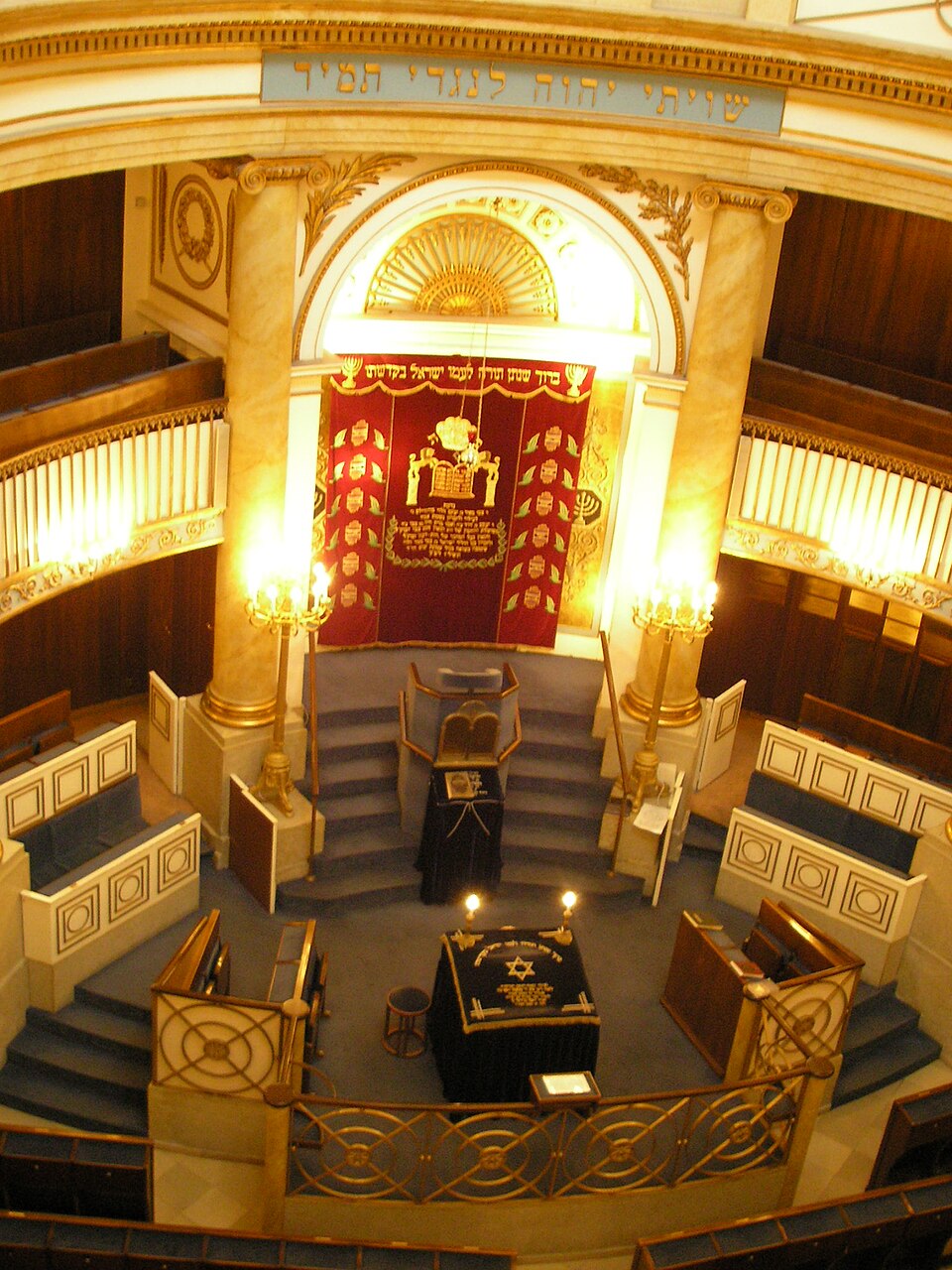
An oval room that gives no hint of itself from the street.
Twelve Ionic columns ring the interior and carry a two-tiered women's gallery. The oval is Kornhäusel's answer to a difficult site — the building had to fit inside a courtyard — and it is one of the finest Biedermeier interiors in Vienna.
It is a working synagogue serving a community of about 7,000, not a museum.
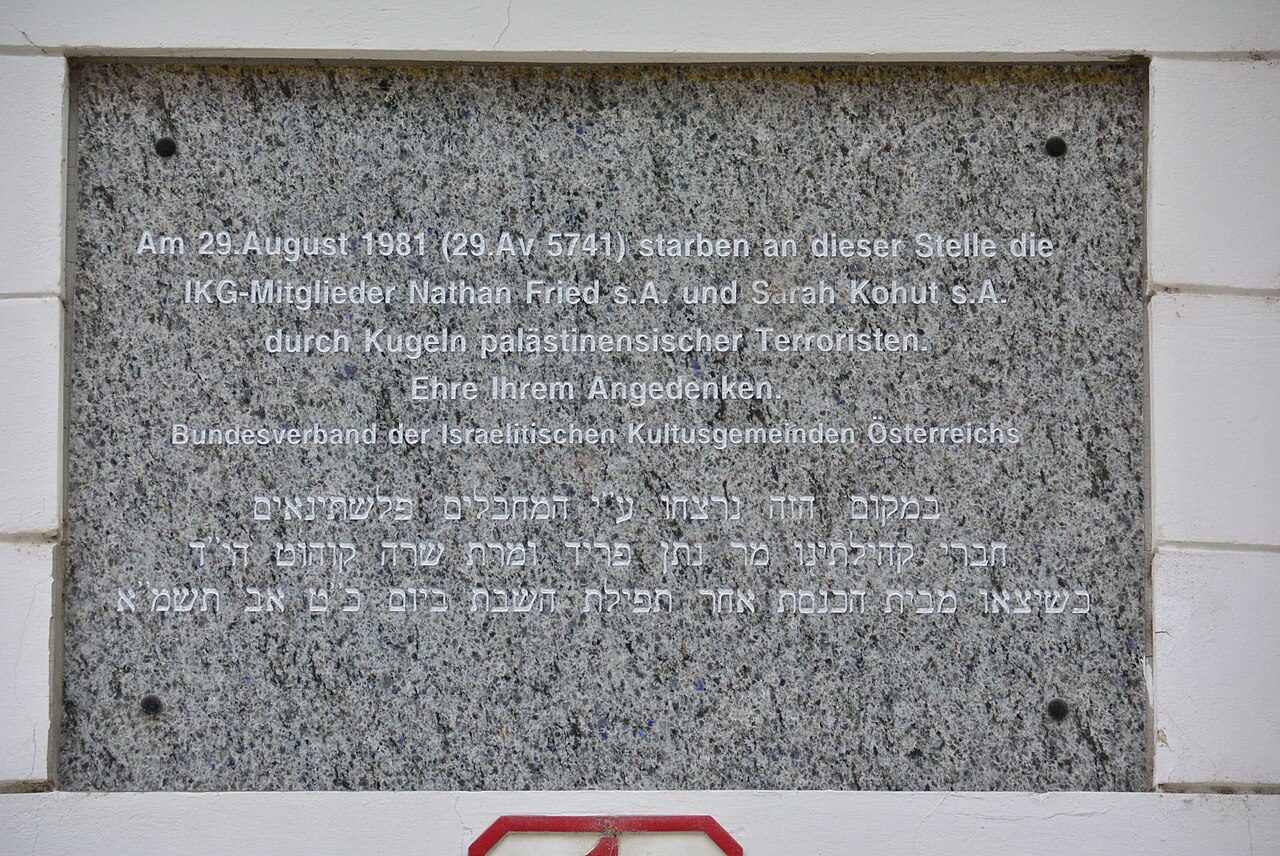
It has been attacked twice: in 1981, when two people were killed and thirty injured, and on 2 November 2020, when four civilians were killed and 23 wounded in the streets around it. The security at the door reflects that history.
2026-08-23 kontrol edildi · Kaynak
Forty-five minutes, on a guided tour, which is the only way in.
The building cannot be visited independently and there is no ticket desk on the street.
The Jewish Museum Vienna, on the Dorotheergasse, and the Museum Judenplatz with the excavated medieval synagogue and Rachel Whiteread's Holocaust memorial are both within ten minutes, and the three together are a half day that makes far more sense than any of them alone.
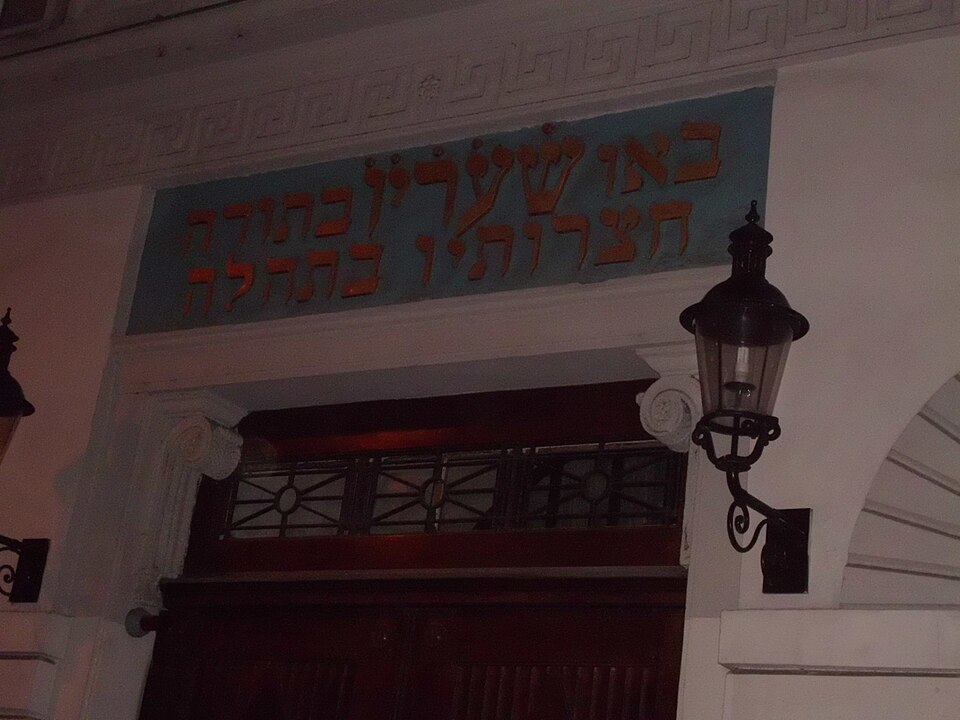
The Seitenstettengasse itself is worth a minute: nothing about the street says what is behind it, and that invisibility is the reason the building is still standing.
2026-08-23 kontrol edildi · Kaynak

On a tour day, booked in advance.
Tours run on set days and times and are arranged through the Jewish community; they do not run on Shabbat or on Jewish holidays.
This is an active congregation and services take absolute priority over visits.
The surrounding quarter — the Bermuda Triangle of bars around the Ruprechtskirche — is a different place at night and has nothing to do with the synagogue.
Anyone coming to Vienna to understand what happened to its Jewish community should treat this building as one stop of four, with the Judenplatz, the Jewish Museum and the Leopoldstadt across the canal.
2026-08-23 kontrol edildi · Kaynak
Guided tours are ticketed and booked in advance through the Jewish community. Current rates are not published on the sources this page uses and are not reproduced here.
Photographic identification is required at the door. A passport is the safest document to carry.
There is no walk-in visiting and no ticket sold at the building.
2026-08-23 kontrol edildi · Kaynak

The 1st district, at Seitenstettengasse 4, between the Judenplatz and the Donaukanal.
Schwedenplatz on U-Bahn lines U1 and U4 is three minutes away; Stephansplatz on the U1 and U3 is seven minutes through the old streets.
The U-Bahn has five lines and 109 stations over 83.9 km, running from about 05:00 to 01:00 and all night at weekends.
2026-08-23 kontrol edildi · Kaynak
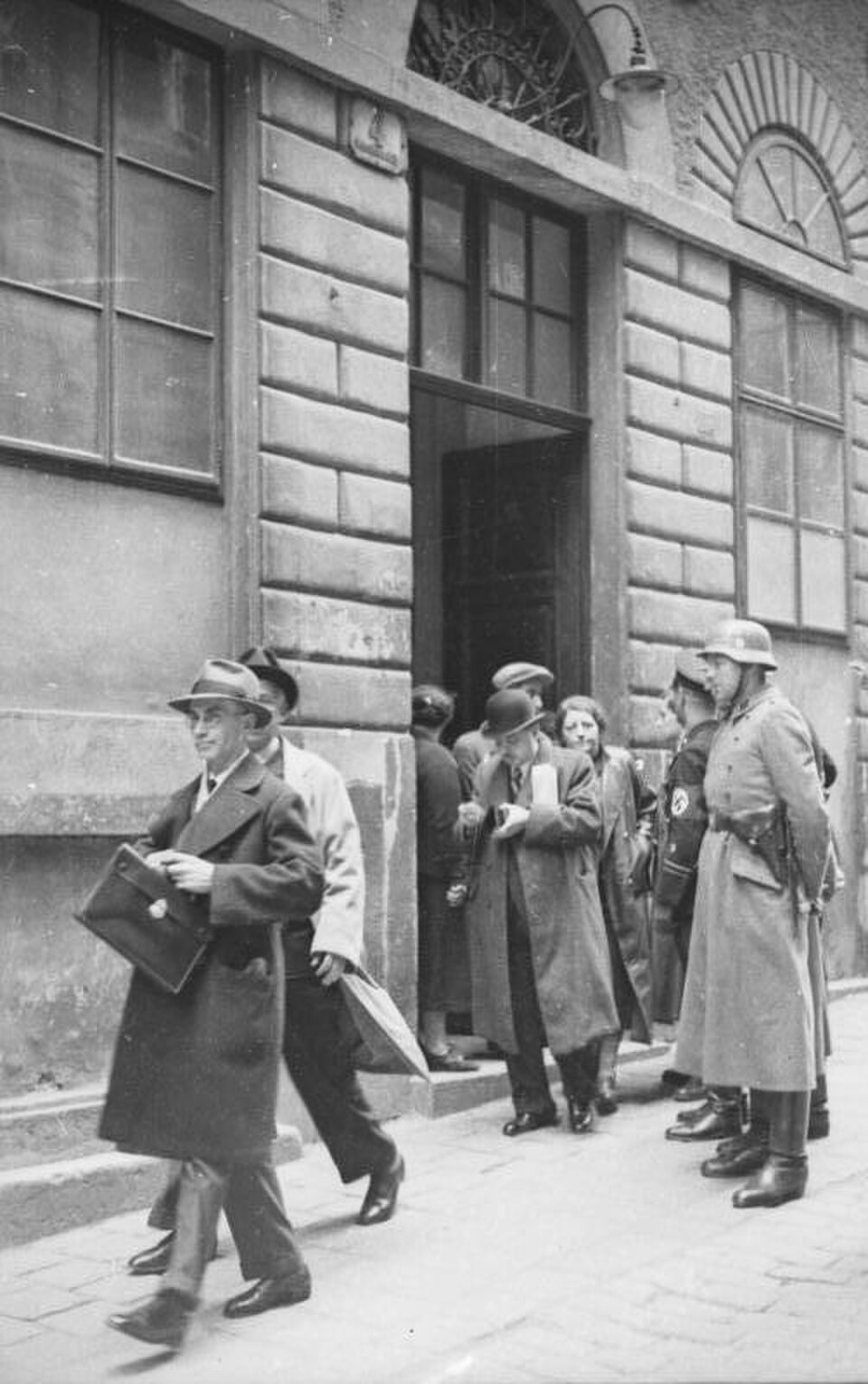
Security is real and it is there for a reason. Identification is checked, bags are searched, and armed police are stationed outside permanently.
There is no walk-in access. Tours are booked in advance and do not run on Shabbat or Jewish holidays.
Head covering is required for men; kippot are provided.
Photography inside is restricted and is usually not permitted; photographing the security arrangements outside is not acceptable.
The building is not signposted from the street and looks like the apartment blocks either side of it, which is the point.
2026-08-23 kontrol edildi · Kaynak

There is nothing to photograph from the street, by design — the façade is an ordinary apartment block and the synagogue is invisible behind it.
Photographing the police posted outside is not acceptable.
Inside, photography is restricted and is usually not permitted; the rules are given at the start of the tour and they are not negotiable.
The Judenplatz nearby, with Rachel Whiteread's concrete library of a Holocaust memorial, is photographable and is the strongest image in this part of the city.
2026-08-23 kontrol edildi
Because it is hidden inside a block of flats. The Nazis destroyed 93 Jewish prayer houses in Vienna in November 1938 but burning this one would have taken the residential buildings around it.
Joseph II's edict of 1782 permitted non-Catholic places of worship but required that they not front the street. Kornhäusel built it inside a courtyard between 1824 and 1826.
No. Access is by guided tour, booked in advance through the Jewish community, with photographic identification required at the door.
An oval room ringed by twelve Ionic columns carrying a two-tiered women's gallery — one of the finest Biedermeier interiors in Vienna, shaped by the courtyard it had to fit into.
Yes. It is the working main synagogue of a community of about 7,000, not a museum, and services take priority over visits.
The synagogue was attacked in 1981, when two people were killed and thirty injured, and on 2 November 2020, when four civilians were killed and 23 wounded in the streets around it.
Etkileşimli harita yükleniyor…
Etkileşimli harita yüklenemedi.
Son güncelleme:
Kaynak: OpenStreetMap katkıda bulunanları, Wikidata ·