


.jpg)
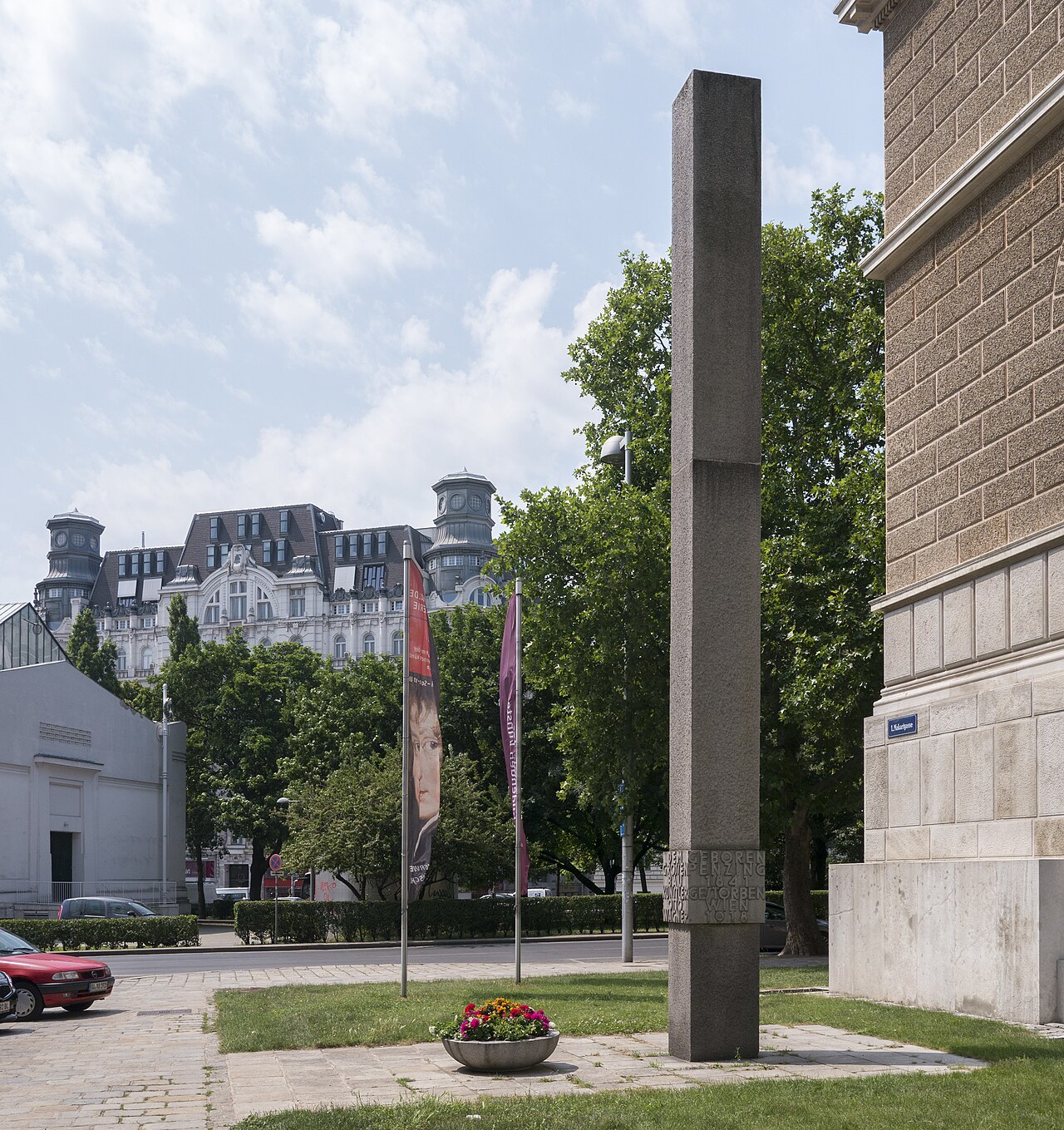
1 dk yürüyüş · Innere Stadt
Otto Wagner Denkmal
- Yüksek
- Tarihi anıt
Dil · 11 yayınlandı
Müze · Innere Stadt, Vienna
Secession
| Pazartesi | Kapalı |
|---|---|
| Salı | 10:00 – 18:00 |
| Çarşamba | 10:00 – 18:00 |
| Perşembe | 10:00 – 18:00 |
| Cuma | 10:00 – 18:00 |
| Cumartesi | 10:00 – 18:00 |
| Pazar | 10:00 – 18:00 |
OpenStreetMap açılış saatlerinden 2026-08-25 tarihinde ayrıştırıldı.
OpenStreetMap erişim etiketlerinden okunur; listede olmayan için kayıtlı etiket yoktur.
Planlayıcıda grup türünü aile seçtiğinizde gün penceresi tek kişilik bir günün yaklaşık dörtte üçüne iner.
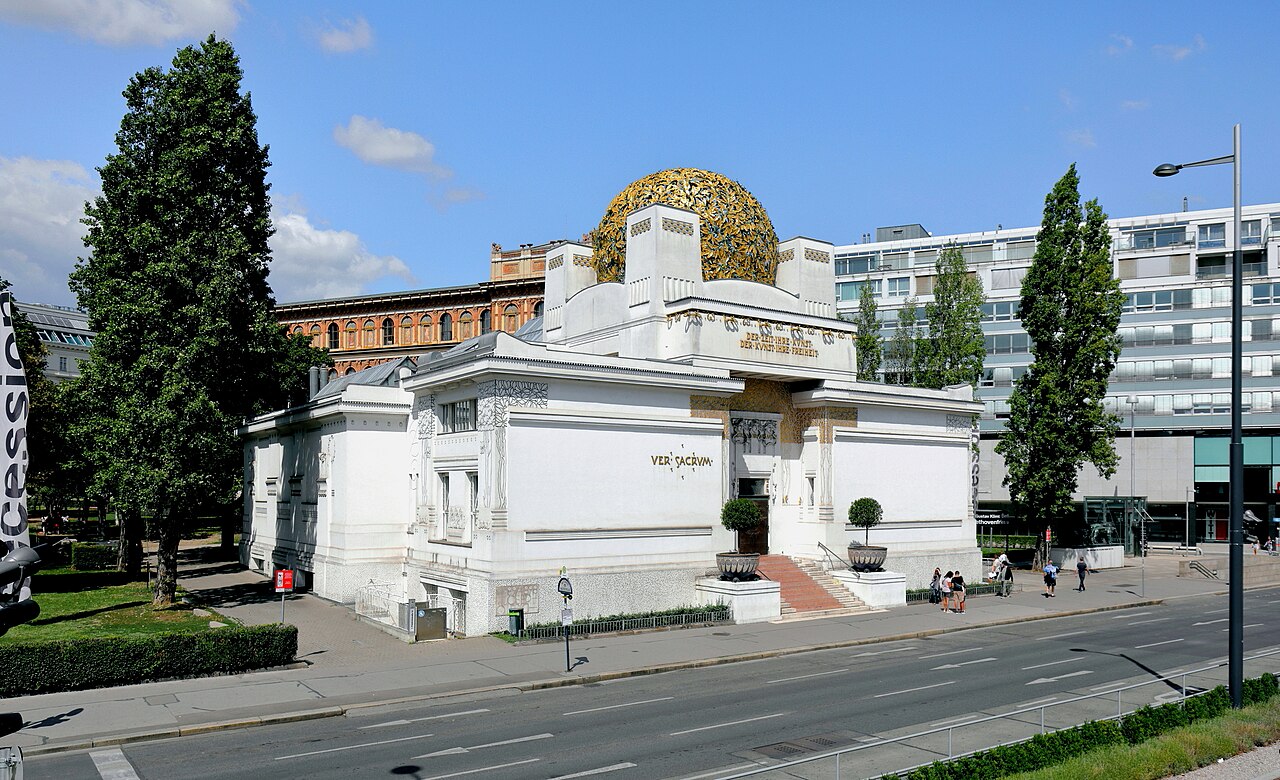
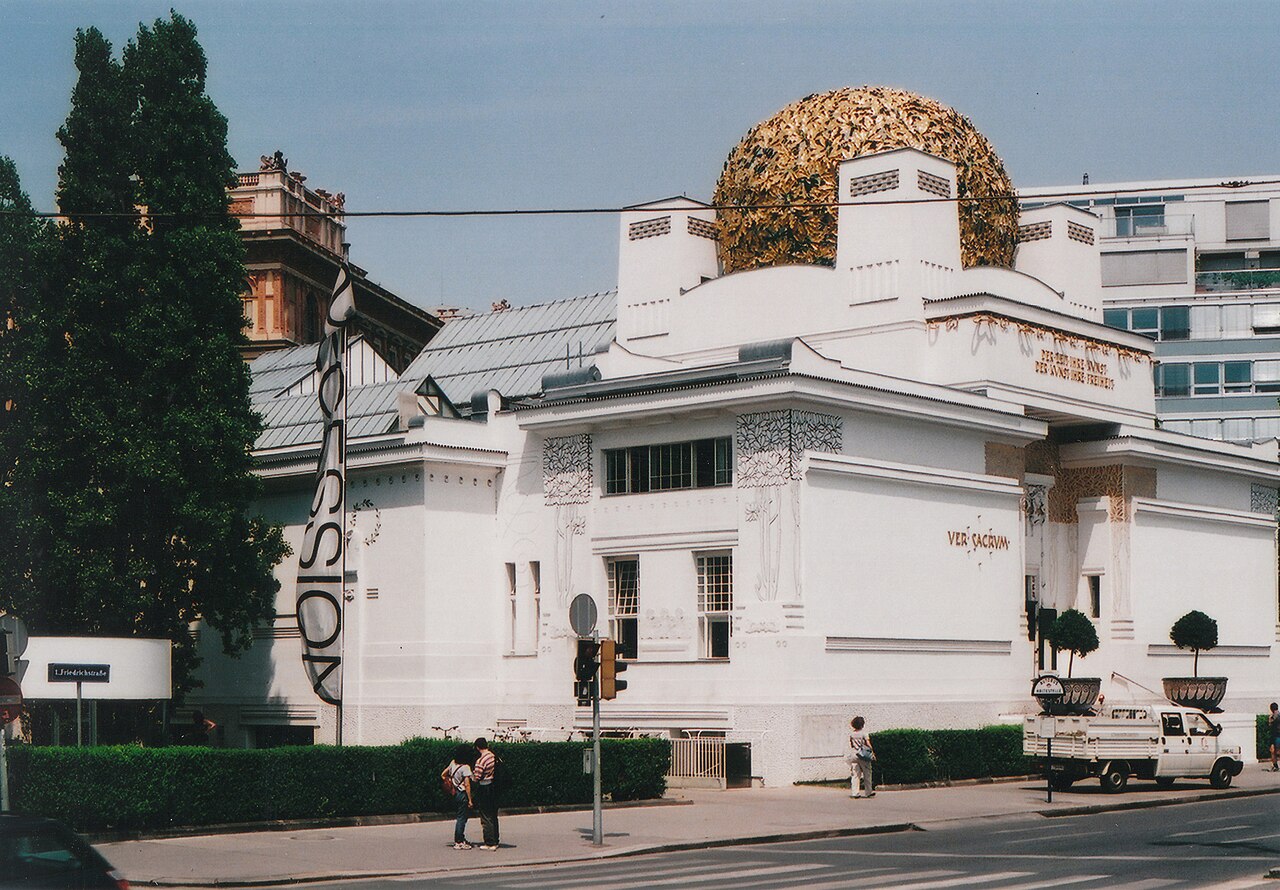
The Secession Building is a manifesto with a roof, built in 1897–98 by artists who had walked out of the establishment.
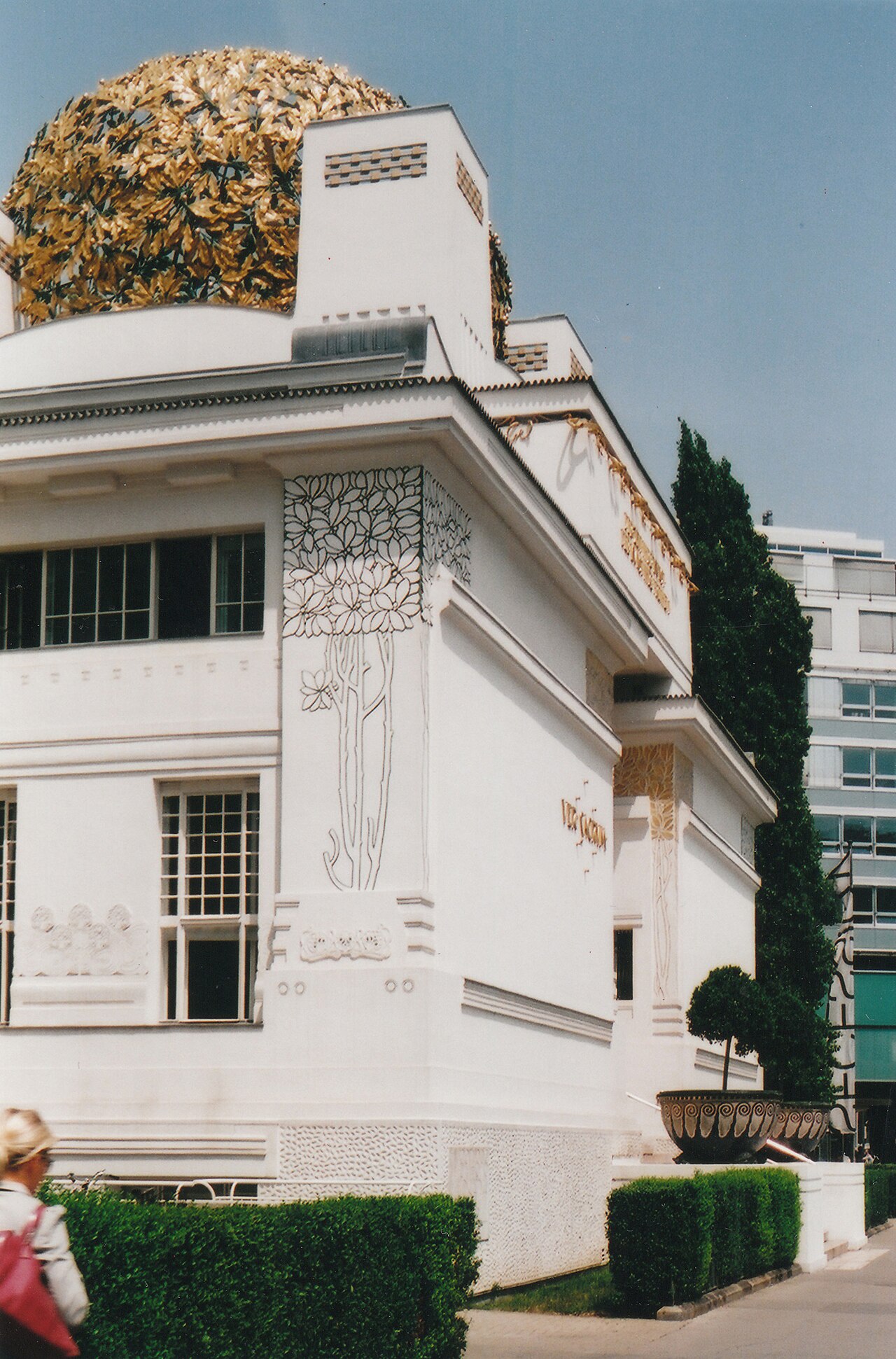
Joseph Maria Olbrich designed it. It is about 40 m by 30 m with a floor area of 1,000 m², and it is crowned by a dome of gilded laurel leaves that the Viennese have called the golden cabbage since it went up.
The motto is cut over the door: Der Zeit ihre Kunst. Der Kunst ihre Freiheit — to every age its art, to every art its freedom. Below it are three gorgons for painting, sculpture and architecture.
Karl Wittgenstein, father of the philosopher, paid for it. It appears on the Austrian 50-cent coin.
2026-08-23 kontrol edildi · Kaynak
Klimt's Beethoven Frieze, and whatever contemporary artists are showing upstairs.
The frieze was painted in 1902 for a single exhibition and was meant to be destroyed afterwards. It survived, and it is now on permanent display in the lower floor, in a room built for it.
It is the most complete surviving statement of what the Secession was arguing for, and it is the reason to buy a ticket.
The building above is an artist-run exhibition hall showing contemporary work, which changes constantly and has nothing to do with 1902. That is deliberate — the point of the motto is that the building was never meant to become a museum of itself.
2026-08-23 kontrol edildi · Kaynak
Forty-five minutes, of which the frieze is twenty.
The basement room is small and the frieze runs around three walls, so it is looked at rather than walked through.
The exhibition halls above take fifteen to thirty minutes depending on what is on.
The Karlsplatz, the Karlskirche and the Naschmarkt are all within five minutes, which makes this an easy addition to an afternoon rather than a journey.
Anyone following the Secession through the city should pair it with the Belvedere, where the movement's paintings hang, and with the Otto Wagner pavilions on the Karlsplatz outside.
2026-08-23 kontrol edildi · Kaynak
Any time; this is one of the quieter significant buildings in Vienna.
The frieze room is small enough that a coach party fills it, but coach parties are rare here.
The dome is gilded and catches the light, so the exterior photograph wants sun; the frieze is artificially lit and is the same in all weather.
The building closes one day a week and between exhibition installations, which can mean several days with only the frieze open.
2026-08-23 kontrol edildi · Kaynak
The Secession charges admission, covering the Beethoven Frieze and the current exhibitions. Current rates are not published on the sources this page uses and are not reproduced here.
The frieze is the permanent part; everything else changes.
Anyone whose interest is the Secession movement rather than contemporary art should know that the ticket buys both and that the building deliberately programmes the latter.
2026-08-23 kontrol edildi · Kaynak
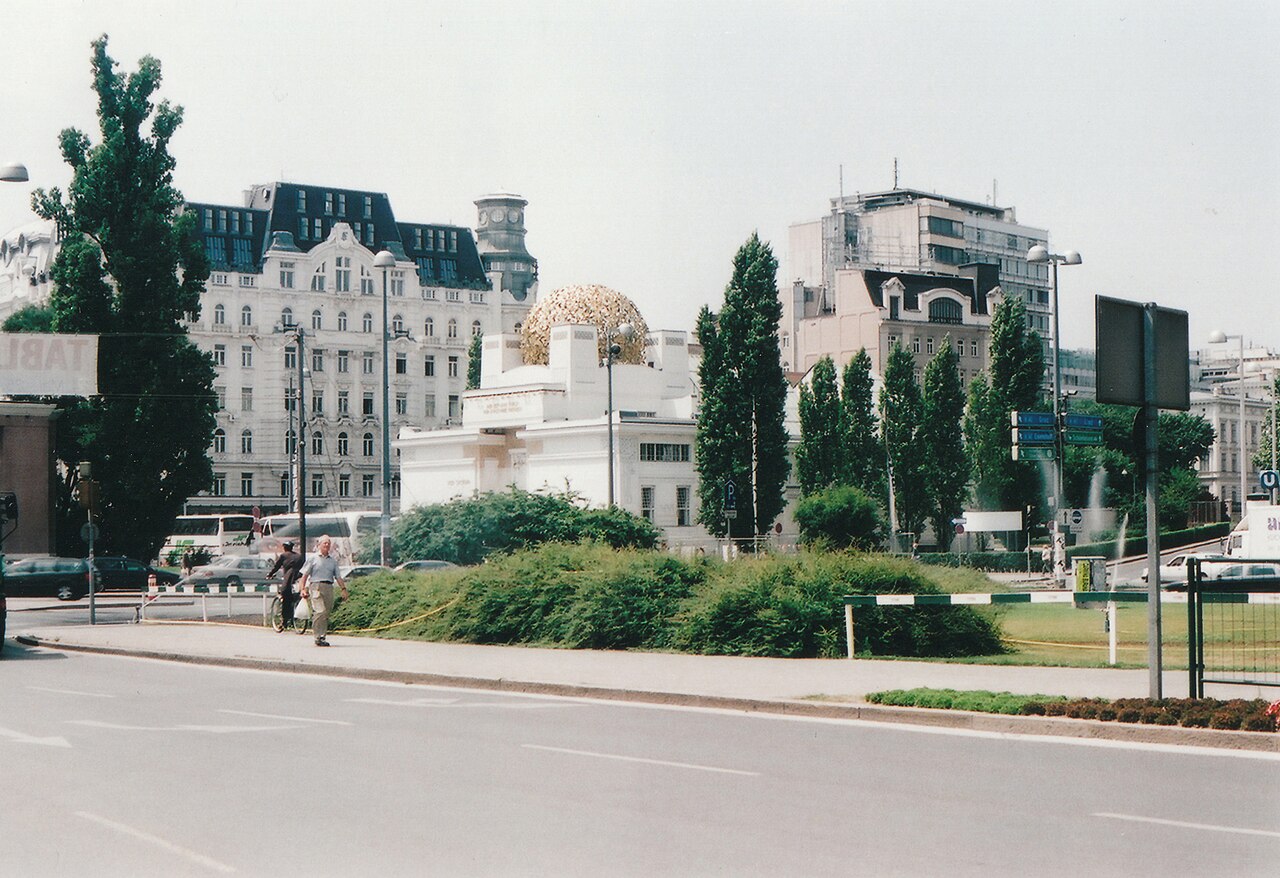
The 1st district, on the Friedrichstraße at the corner of the Karlsplatz, beside the Naschmarkt.
Karlsplatz on U-Bahn lines U1, U2 and U4 is a two-minute walk; the Secession exit from the station passage comes up almost at the door.
The U-Bahn has five lines and 109 stations over 83.9 km, running from about 05:00 to 01:00 and all night at weekends.
2026-08-23 kontrol edildi · Kaynak

The building is a working exhibition hall, not a Klimt museum. Visitors expecting a Secession collection find one work from 1902 and a contemporary show.
The frieze is in the basement and is easy to miss on the way in.
The building closes one day a week and between installations.
Photography rules vary by exhibition and the frieze room has its own.
The Karlsplatz underground passages have a persistent drug scene after dark; the street-level route is better in the evening.
2026-08-23 kontrol edildi · Kaynak

The dome is the photograph. It needs direct sun to read as gold rather than as dull brass, and the best angle is from the Friedrichstraße corner where the white cube and the laurel sphere separate cleanly against the sky.
The motto over the door is a tight frame with a longer lens and is the more interesting picture.
The Beethoven Frieze is in a dim, purpose-built room; photography rules are posted at the entrance and change.
The building is white and blows out easily in midday sun; overcast light suits the façade and not the dome.
2026-08-23 kontrol edildi
A sphere of gilded laurel leaves crowning Joseph Maria Olbrich's building of 1897–98. The Viennese have called it the golden cabbage since it went up.
Der Zeit ihre Kunst. Der Kunst ihre Freiheit — to every age its art, to every art its freedom. It is the Secession's motto.
Yes, on permanent display in the lower floor. He painted it in 1902 for a single exhibition, after which it was meant to be destroyed.
No. The building is an artist-run exhibition hall showing contemporary work. The frieze is the one permanent piece, and the programming is deliberate.
Karl Wittgenstein, father of the philosopher Ludwig Wittgenstein.
Forty-five minutes — twenty for the frieze and the rest for whatever is showing upstairs.
Etkileşimli harita yükleniyor…
Etkileşimli harita yüklenemedi.

Son güncelleme:
Kaynak: OpenStreetMap katkıda bulunanları, Wikidata ·