_%E0%B8%A7%E0%B8%B1%E0%B8%94%E0%B8%9E%E0%B8%A3%E0%B8%B0%E0%B8%99%E0%B8%B2%E0%B8%87%E0%B8%AA%E0%B8%A3%E0%B9%89%E0%B8%B2%E0%B8%87_%E0%B8%AD.%E0%B8%96%E0%B8%A5%E0%B8%B2%E0%B8%87_%E0%B8%88.%E0%B8%A0%E0%B8%B9%E0%B9%80%E0%B8%81%E0%B9%87%E0%B8%95_(1).jpg)
_%E0%B8%A7%E0%B8%B1%E0%B8%94%E0%B8%9E%E0%B8%A3%E0%B8%B0%E0%B8%99%E0%B8%B2%E0%B8%87%E0%B8%AA%E0%B8%A3%E0%B9%89%E0%B8%B2%E0%B8%87_%E0%B8%AD.%E0%B8%96%E0%B8%A5%E0%B8%B2%E0%B8%87_%E0%B8%88.%E0%B8%A0%E0%B8%B9%E0%B9%80%E0%B8%81%E0%B9%87%E0%B8%95_(10).jpg)
_%E0%B8%A7%E0%B8%B1%E0%B8%94%E0%B8%9E%E0%B8%A3%E0%B8%B0%E0%B8%99%E0%B8%B2%E0%B8%87%E0%B8%AA%E0%B8%A3%E0%B9%89%E0%B8%B2%E0%B8%87_%E0%B8%AD.%E0%B8%96%E0%B8%A5%E0%B8%B2%E0%B8%87_%E0%B8%88.%E0%B8%A0%E0%B8%B9%E0%B9%80%E0%B8%81%E0%B9%87%E0%B8%95_(11).jpg)
_%E0%B8%A7%E0%B8%B1%E0%B8%94%E0%B8%9E%E0%B8%A3%E0%B8%B0%E0%B8%99%E0%B8%B2%E0%B8%87%E0%B8%AA%E0%B8%A3%E0%B9%89%E0%B8%B2%E0%B8%87_%E0%B8%AD.%E0%B8%96%E0%B8%A5%E0%B8%B2%E0%B8%87_%E0%B8%88.%E0%B8%A0%E0%B8%B9%E0%B9%80%E0%B8%81%E0%B9%87%E0%B8%95_(12).jpg)
_%E0%B8%A7%E0%B8%B1%E0%B8%94%E0%B8%9E%E0%B8%A3%E0%B8%B0%E0%B8%99%E0%B8%B2%E0%B8%87%E0%B8%AA%E0%B8%A3%E0%B9%89%E0%B8%B2%E0%B8%87_%E0%B8%AD.%E0%B8%96%E0%B8%A5%E0%B8%B2%E0%B8%87_%E0%B8%88.%E0%B8%A0%E0%B8%B9%E0%B9%80%E0%B8%81%E0%B9%87%E0%B8%95_(13).jpg)
_%E0%B8%A7%E0%B8%B1%E0%B8%94%E0%B8%9E%E0%B8%A3%E0%B8%B0%E0%B8%99%E0%B8%B2%E0%B8%87%E0%B8%AA%E0%B8%A3%E0%B9%89%E0%B8%B2%E0%B8%87_%E0%B8%AD.%E0%B8%96%E0%B8%A5%E0%B8%B2%E0%B8%87_%E0%B8%88.%E0%B8%A0%E0%B8%B9%E0%B9%80%E0%B8%81%E0%B9%87%E0%B8%95_(14).jpg)
59 min walk
Night Market (Touristic)
- Notable
- Market
Language · 1 published
Place of worship · Phuket
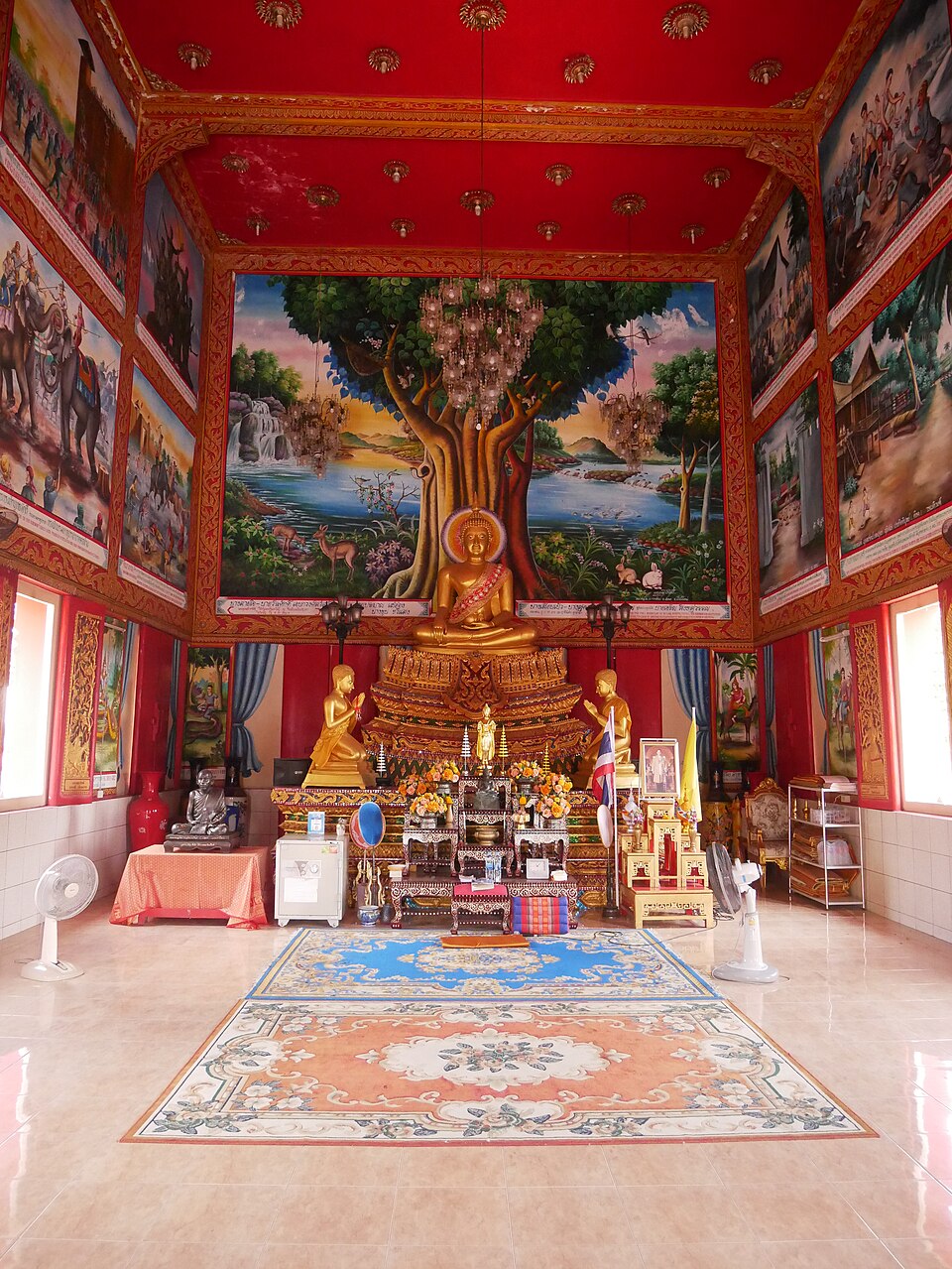
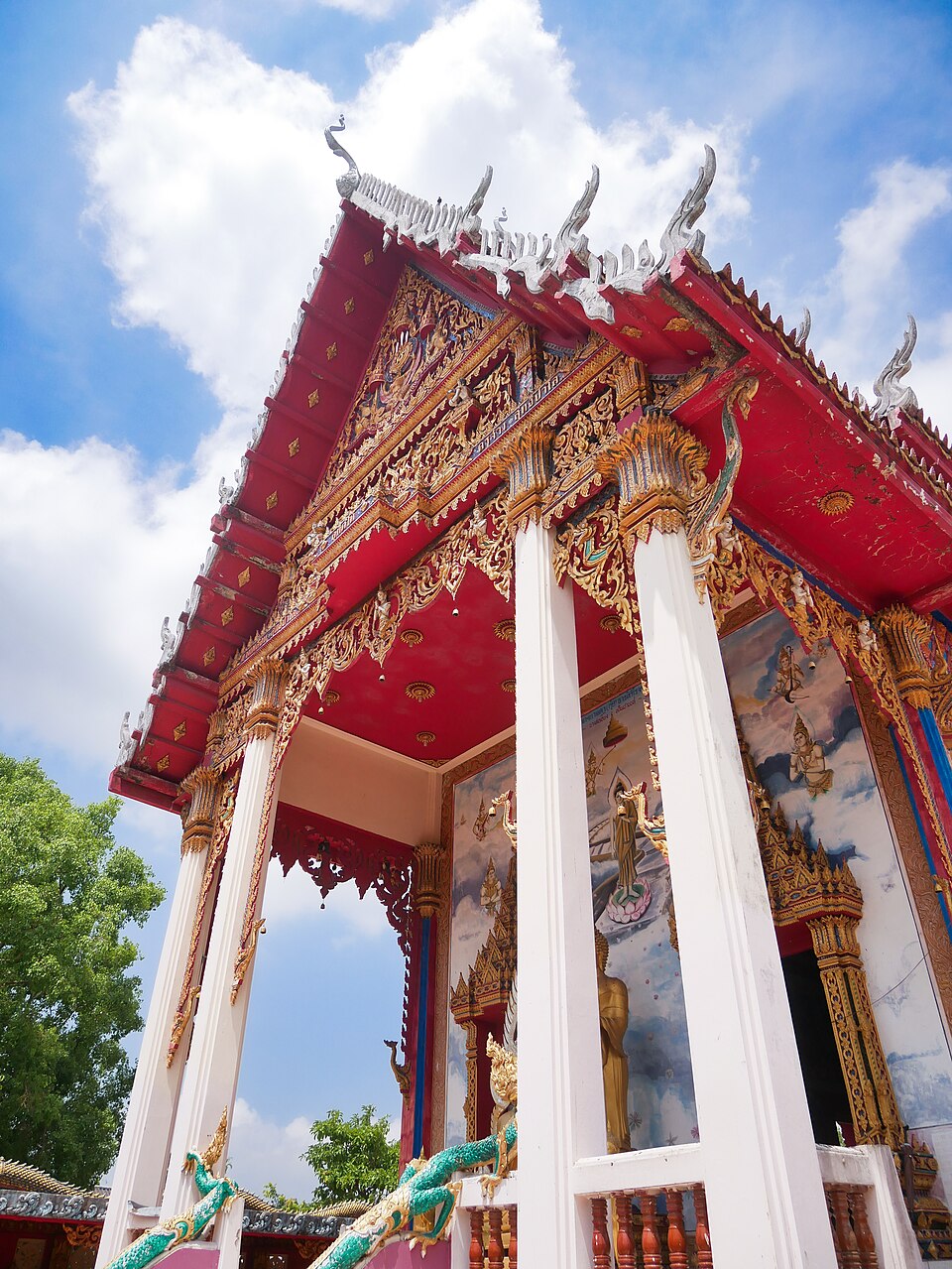
Wat Phra Nang Sang is a Buddhist temple in Phuket, Thailand. It stands as one of the island's older religious sites, carrying historical significance within the province's cultural landscape. The temple serves local worshippers and attracts visitors interested in Phuket's spiritual heritage. Its name references a legendary queen associated with the island's past. The structure represents traditional Thai temple architecture adapted to the southern regional context. As a functioning religious site, it maintains active Buddhist practices including ceremonies and observances. The temple contributes to understanding Phuket beyond its coastal tourism identity, offering insight into enduring local traditions and community life.
Checked 2026-08-26
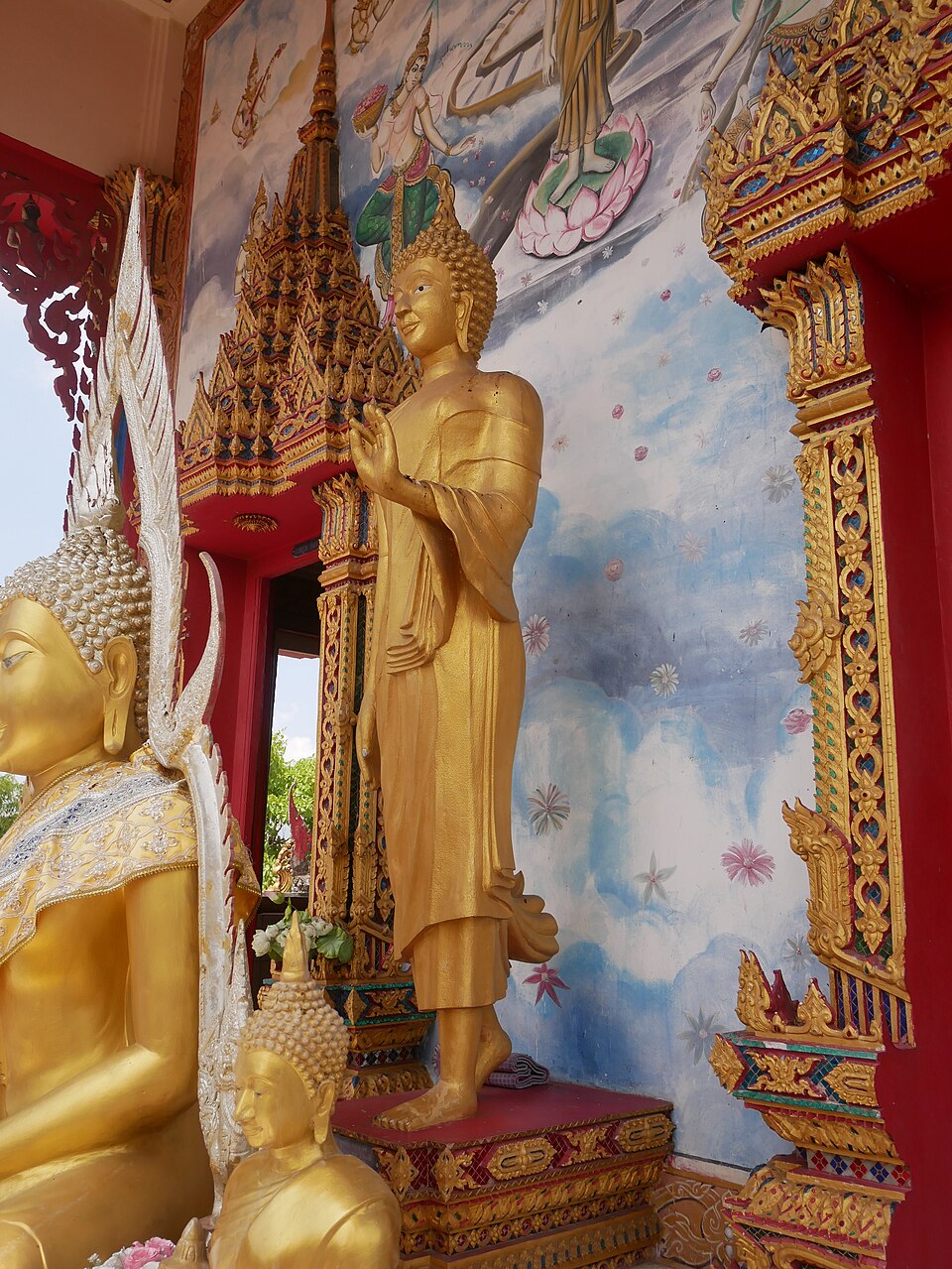
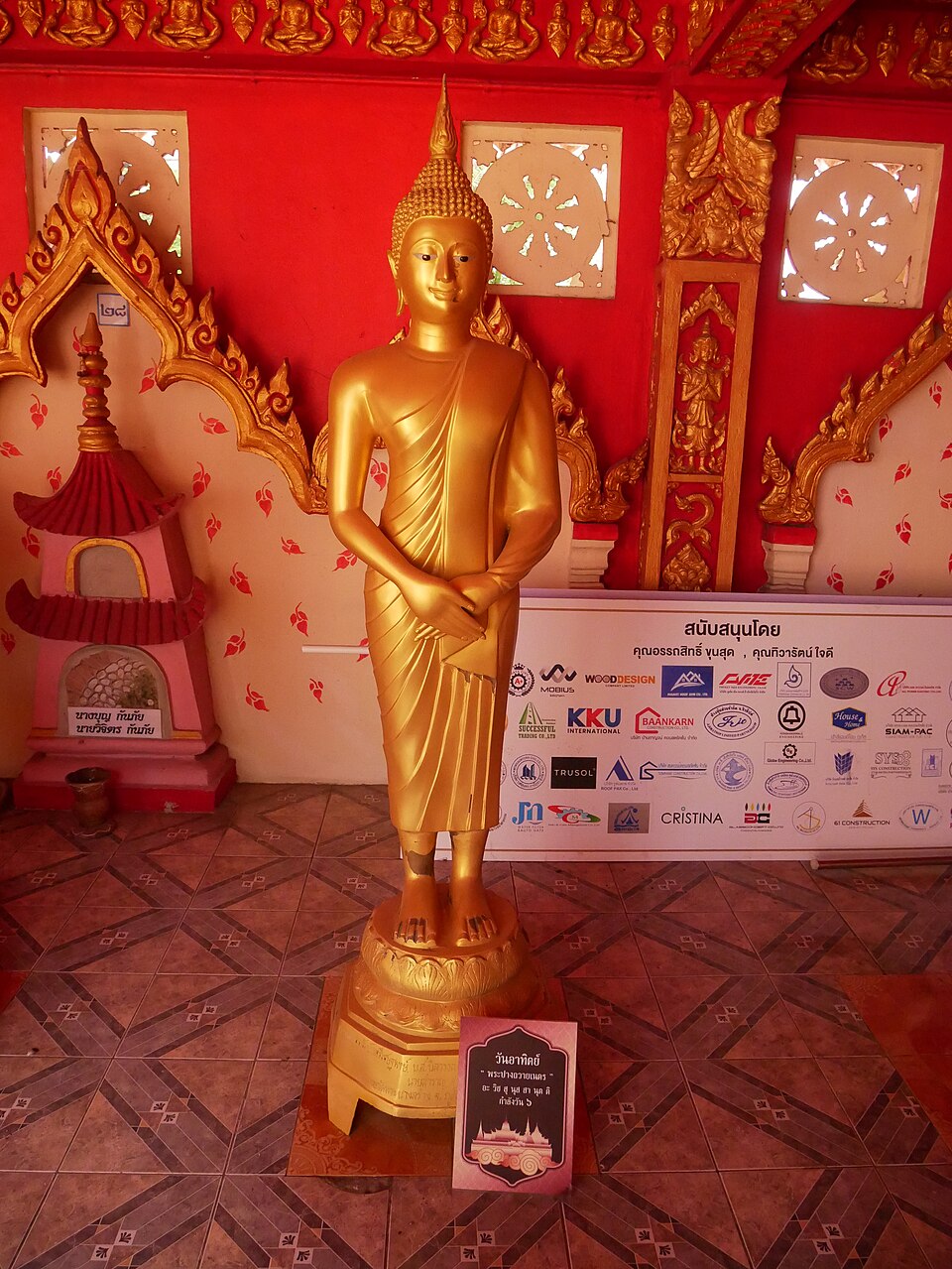
The temple grounds contain typical Buddhist religious structures including a main ordination hall and subsidiary buildings. Visitors may observe Buddha images, decorative elements, and architectural features consistent with Thai temple design. The site likely includes spaces for meditation, prayer, and monastic residence. Decorative details may reflect regional artistic influences particular to southern Thailand. Specific interior contents, historical artifacts, or unique artistic treasures are not recorded in available sources. Visitors should approach with appropriate respect for active religious practice. The physical arrangement follows customary Thai temple planning with sacred spaces arranged according to traditional principles. Exact measurements of structures or detailed inventories of contents remain unverified.
Checked 2026-08-26
A visit to Wat Phra Nang Sang typically requires between thirty minutes and one hour for respectful observation of the grounds and main structures. Visitors engaged in meditation or extended contemplation may choose to remain longer. The compact nature of traditional Thai temple compounds generally permits efficient circulation. Those with deep interest in Buddhist architecture, decorative details, or photographic documentation might allocate additional time. Combination with other nearby cultural sites could extend the overall excursion duration. Individual pacing varies considerably based on personal interest, physical mobility, and weather conditions. No guided tour duration or structured visit program is documented in available sources for this specific location.
Checked 2026-08-26
Phuket experiences tropical climate conditions with distinct wet and dry seasons affecting visitor comfort. The drier months from November through April generally offer more favorable conditions for outdoor temple exploration. Morning hours typically provide cooler temperatures and softer light for observation. Religious observances and local festivals may create special atmosphere but also restrict access to certain areas. Buddhist holy days see increased local attendance and devotional activity. Operator-confirmed hours are Not recorded pending review. Visitors should verify current accessibility before traveling, as temple schedules may vary seasonally or according to religious calendar events. Rain protection remains advisable regardless of season.
Checked 2026-08-26
Many Thai Buddhist temples operate without formal admission charges, relying instead on voluntary donations for maintenance and religious activities. Some sites may request contributions for specific services or facilities. Wat Phra Nang Sang's exact financial arrangements for visitors are not documented in available sources. Visitors should carry small denomination currency for potential donations or merit-making opportunities. Operator-confirmed prices are Not recorded pending review. Respectful dress and conduct carry greater importance than monetary contribution at functioning religious sites. Any photography fees, parking charges, or special access arrangements remain unverified. Visitors should inquire locally regarding current practices and expectations.
Checked 2026-08-26
Wat Phra Nang Sang is located within Phuket province, accessible by road from principal tourist areas including Phuket Town and coastal resort zones. Motor vehicle transport represents the most practical approach given dispersed island geography. Rental cars, hired vehicles with drivers, or organized tours serve most visitors. Public transportation options may exist but specific routes, schedules, and reliability are not documented. Motorbike taxis or ride-hailing services potentially serve the area depending on exact location. Signage in Thai and possibly English may assist navigation. Visitors should obtain precise directions and current road conditions locally, as infrastructure developments may alter access patterns from published descriptions.
Checked 2026-08-26
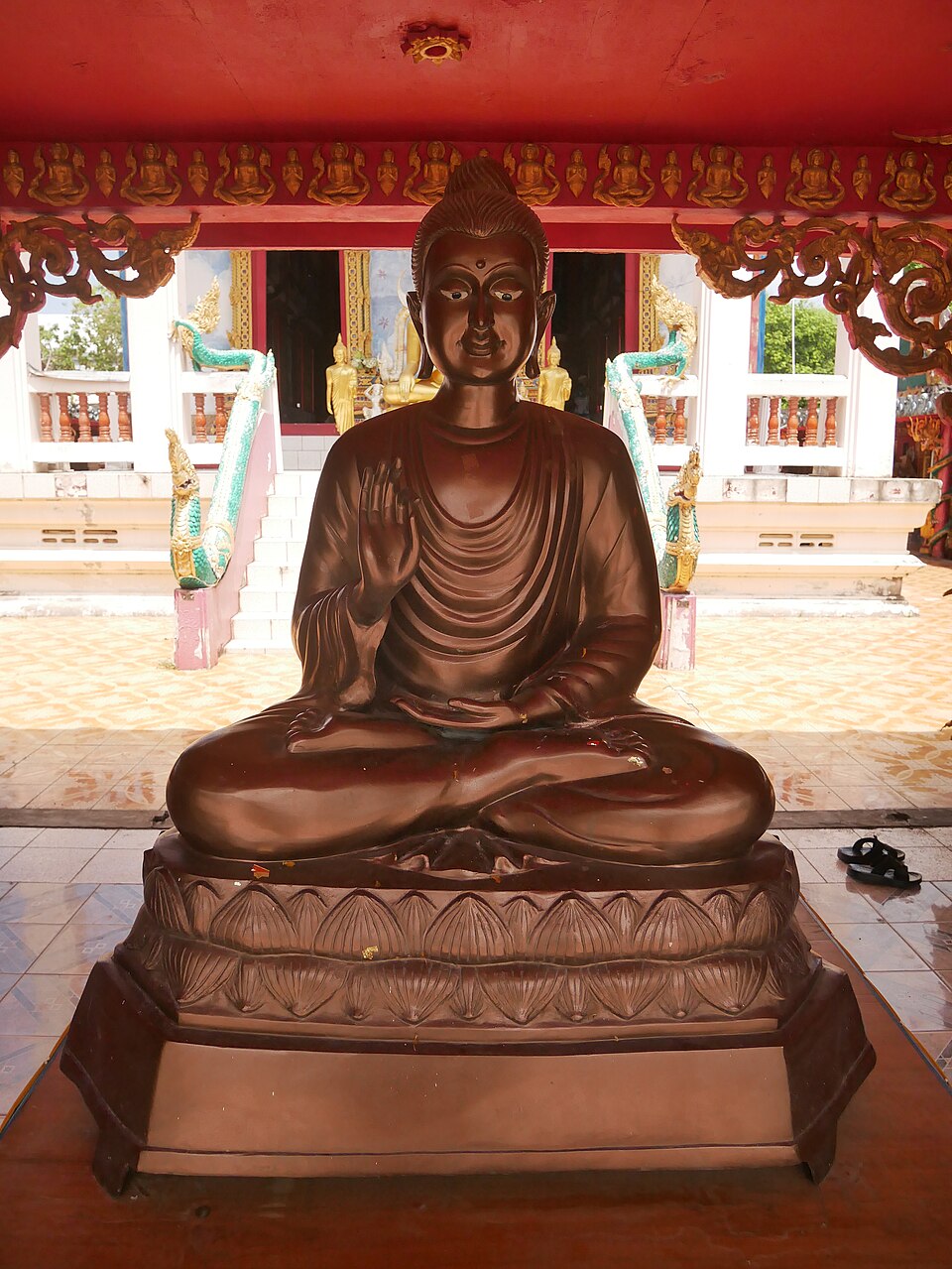
Visitors must observe standard Buddhist temple etiquette throughout their presence. Appropriate dress covering shoulders and knees is essential; revealing clothing causes offense and may result in denied entry. Footwear removal is required before entering sacred buildings. Physical contact with monks is prohibited for women. Respectful quiet conduct supersedes casual tourist behavior. Photographic restrictions may apply in certain spaces without explicit signage. Tropical sun exposure, hydration needs, and sudden rainfall require preparation. Uneven surfaces, steps, and barefoot walking present physical hazards. Animal presence including temple dogs is common. No specific security concerns, construction activity, or access limitations are documented in available sources for this site.
Checked 2026-08-26
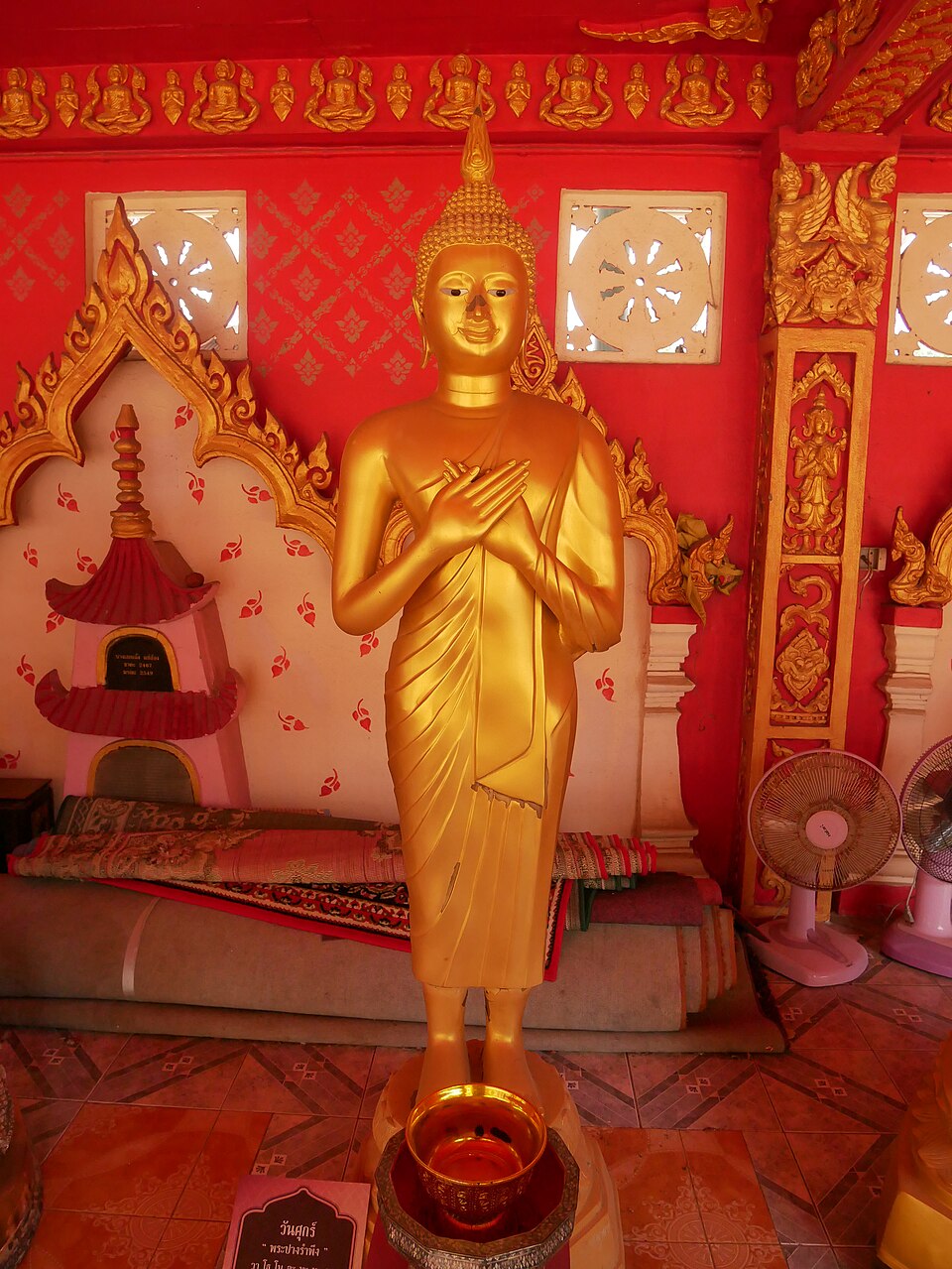
Photography at Thai temples generally permits exterior documentation while interior restrictions vary by specific location and current religious activity. Flash photography is typically discouraged near Buddha images out of respect and preservation concerns. Tripod use may attract attention or restriction as potentially disruptive. Visitors should observe implicit boundaries even without explicit signage, particularly during active worship or ceremonial periods. Monks and worshippers deserve privacy and should not be photographed without clear permission. The quality of natural light varies significantly by time of day and season. No specific photography permits, drone policies, or commercial filming regulations are documented for Wat Phra Nang Sang in available sources.
Checked 2026-08-26
As a functioning Buddhist temple, the site traditionally permits respectful visitors regardless of nationality. Specific current access policies are not recorded.
Conservative dress covering shoulders and knees is required. This standard applies to all Thai Buddhist temples as basic etiquette.
No specific guided tour services for this temple are documented in available sources. Visitors typically explore independently.
Wat Chalong is Phuket's most famous temple with documented visitor infrastructure. Comparative details for Wat Phra Nang Sang are not recorded.
Observing Buddhist practices respectfully is generally welcomed. Active participation requirements and opportunities are not documented.
Traditional Thai temple architecture includes steps and uneven surfaces. Specific accessibility accommodations are not recorded in available sources.
Loading the interactive map…
The interactive map could not be loaded.
Last updated:
Source: OpenStreetMap contributors ·