
_%E0%B8%A7%E0%B8%B1%E0%B8%94%E0%B9%84%E0%B8%8A%E0%B8%A2%E0%B8%98%E0%B8%B2%E0%B8%A3%E0%B8%B2%E0%B8%A3%E0%B8%B2%E0%B8%A1_(%E0%B8%A7%E0%B8%B1%E0%B8%94%E0%B8%89%E0%B8%A5%E0%B8%AD%E0%B8%87)_%E0%B8%AD.%E0%B9%80%E0%B8%A1%E0%B8%B7%E0%B8%AD%E0%B8%87_%E0%B8%88.%E0%B8%A0%E0%B8%B9%E0%B9%80%E0%B8%81%E0%B9%87%E0%B8%95_(1).jpg)
_%E0%B8%A7%E0%B8%B1%E0%B8%94%E0%B9%84%E0%B8%8A%E0%B8%A2%E0%B8%98%E0%B8%B2%E0%B8%A3%E0%B8%B2%E0%B8%A3%E0%B8%B2%E0%B8%A1_(%E0%B8%A7%E0%B8%B1%E0%B8%94%E0%B8%89%E0%B8%A5%E0%B8%AD%E0%B8%87)_%E0%B8%AD.%E0%B9%80%E0%B8%A1%E0%B8%B7%E0%B8%AD%E0%B8%87_%E0%B8%88.%E0%B8%A0%E0%B8%B9%E0%B9%80%E0%B8%81%E0%B9%87%E0%B8%95_(10).jpg)
_%E0%B8%A7%E0%B8%B1%E0%B8%94%E0%B9%84%E0%B8%8A%E0%B8%A2%E0%B8%98%E0%B8%B2%E0%B8%A3%E0%B8%B2%E0%B8%A3%E0%B8%B2%E0%B8%A1_(%E0%B8%A7%E0%B8%B1%E0%B8%94%E0%B8%89%E0%B8%A5%E0%B8%AD%E0%B8%87)_%E0%B8%AD.%E0%B9%80%E0%B8%A1%E0%B8%B7%E0%B8%AD%E0%B8%87_%E0%B8%88.%E0%B8%A0%E0%B8%B9%E0%B9%80%E0%B8%81%E0%B9%87%E0%B8%95_(12).jpg)
_%E0%B8%A7%E0%B8%B1%E0%B8%94%E0%B9%84%E0%B8%8A%E0%B8%A2%E0%B8%98%E0%B8%B2%E0%B8%A3%E0%B8%B2%E0%B8%A3%E0%B8%B2%E0%B8%A1_(%E0%B8%A7%E0%B8%B1%E0%B8%94%E0%B8%89%E0%B8%A5%E0%B8%AD%E0%B8%87)_%E0%B8%AD.%E0%B9%80%E0%B8%A1%E0%B8%B7%E0%B8%AD%E0%B8%87_%E0%B8%88.%E0%B8%A0%E0%B8%B9%E0%B9%80%E0%B8%81%E0%B9%87%E0%B8%95_(14).jpg)
_%E0%B8%A7%E0%B8%B1%E0%B8%94%E0%B9%84%E0%B8%8A%E0%B8%A2%E0%B8%98%E0%B8%B2%E0%B8%A3%E0%B8%B2%E0%B8%A3%E0%B8%B2%E0%B8%A1_(%E0%B8%A7%E0%B8%B1%E0%B8%94%E0%B8%89%E0%B8%A5%E0%B8%AD%E0%B8%87)_%E0%B8%AD.%E0%B9%80%E0%B8%A1%E0%B8%B7%E0%B8%AD%E0%B8%87_%E0%B8%88.%E0%B8%A0%E0%B8%B9%E0%B9%80%E0%B8%81%E0%B9%87%E0%B8%95_(15).jpg)
26 min walk
Fruit Market
- Notable
- Market
Language · 1 published
Place of worship · Phuket
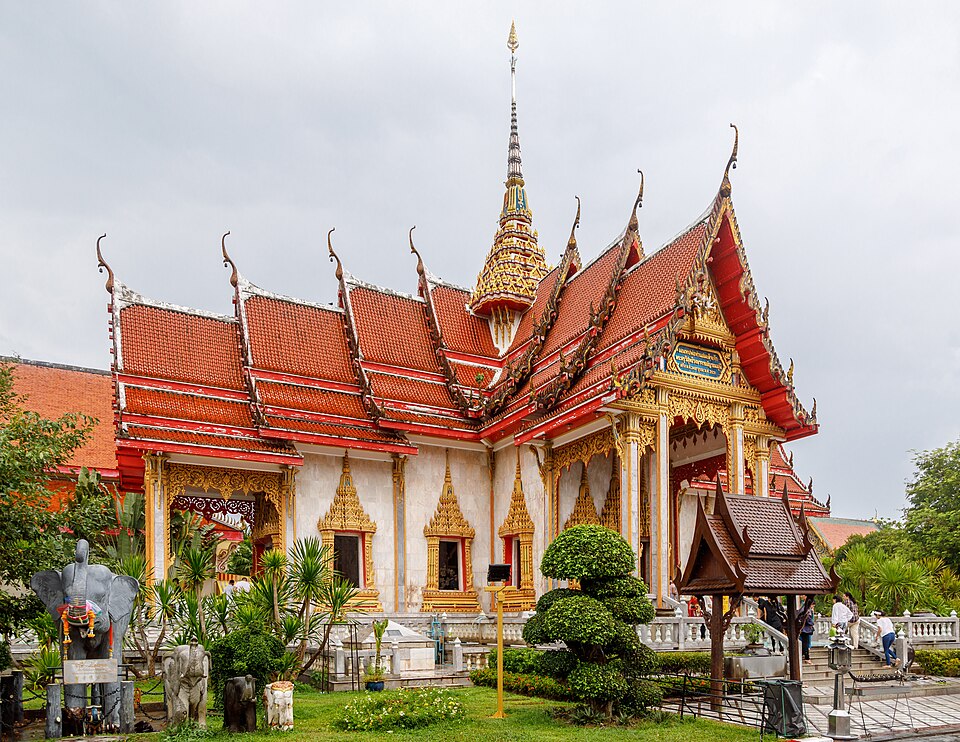
Wat Chalong is a Buddhist temple complex in Phuket, Thailand. It stands as one of the island's most significant religious sites and serves as an active place of worship for the local community. The temple is dedicated to two revered monks, Luang Pho Chaem and Luang Pho Chuang, who were instrumental in quelling a tin miners' rebellion in 1876. Visitors should observe standard temple etiquette, including modest dress covering shoulders and knees. The site holds spiritual importance for Thai Buddhists and attracts both devotees and culturally curious travellers seeking to understand local religious practices.
Checked 2026-08-26
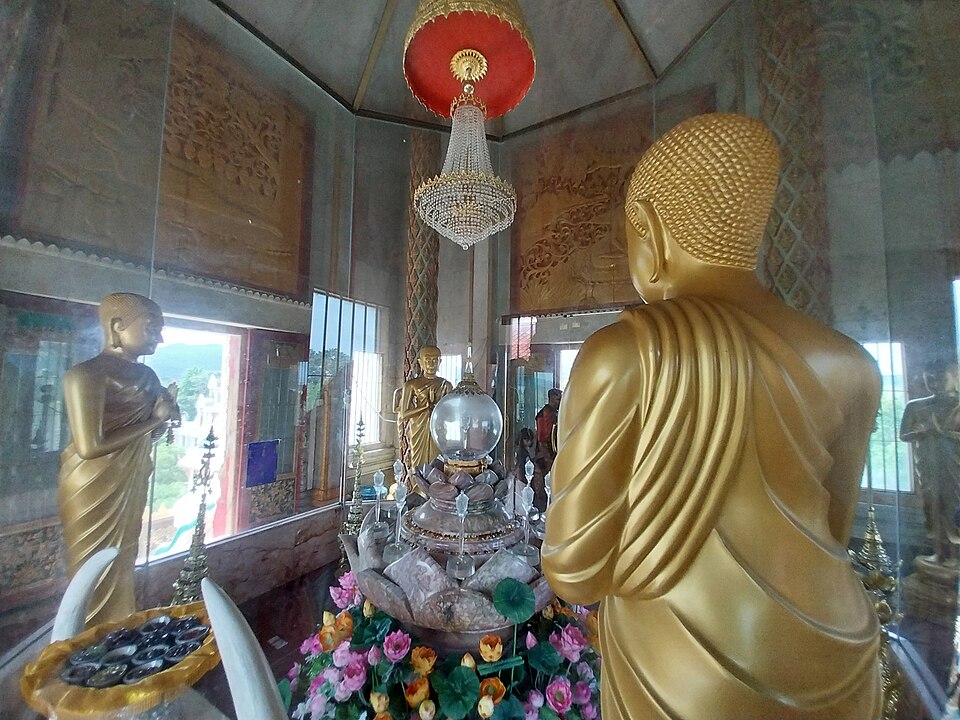
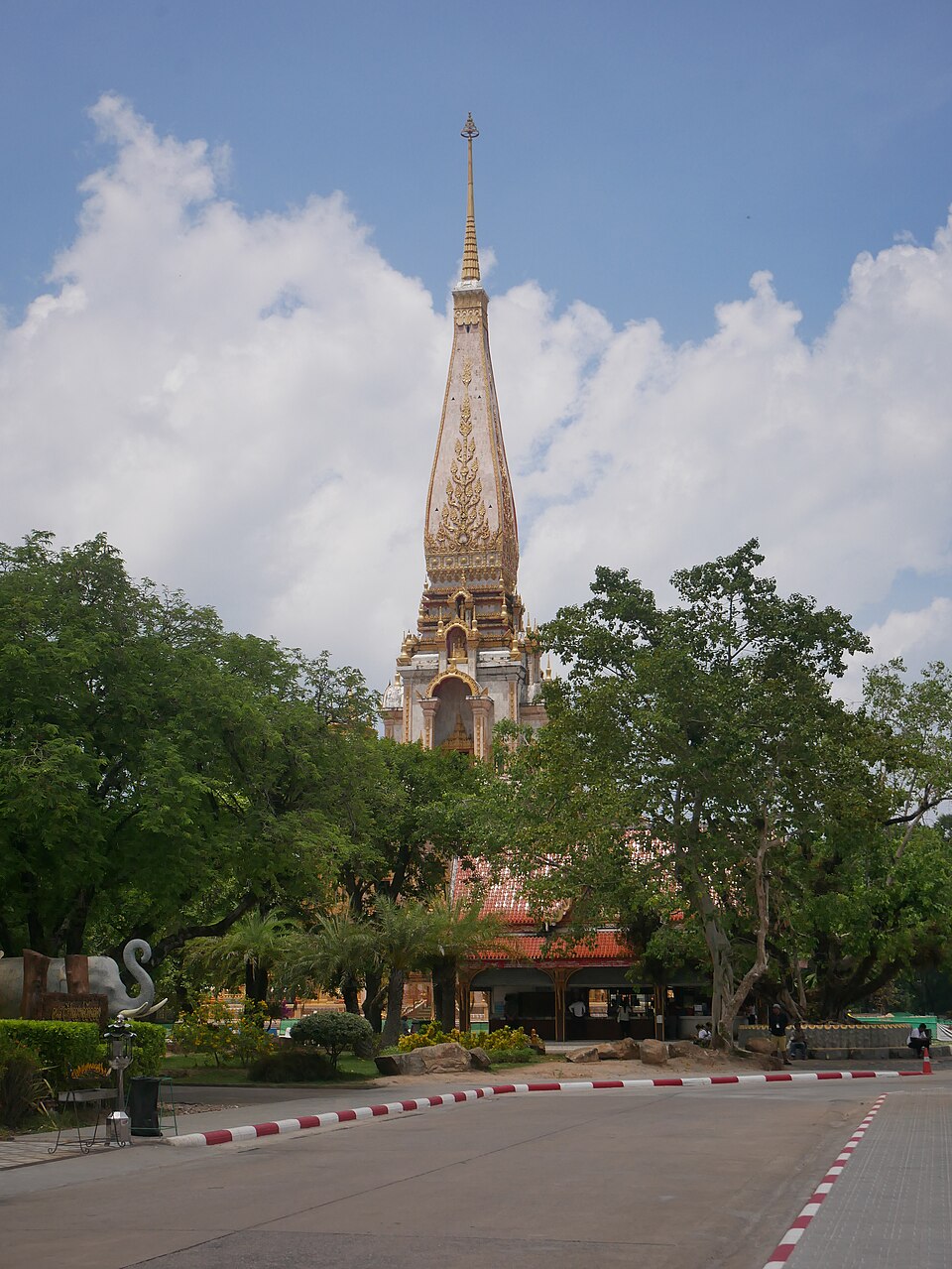
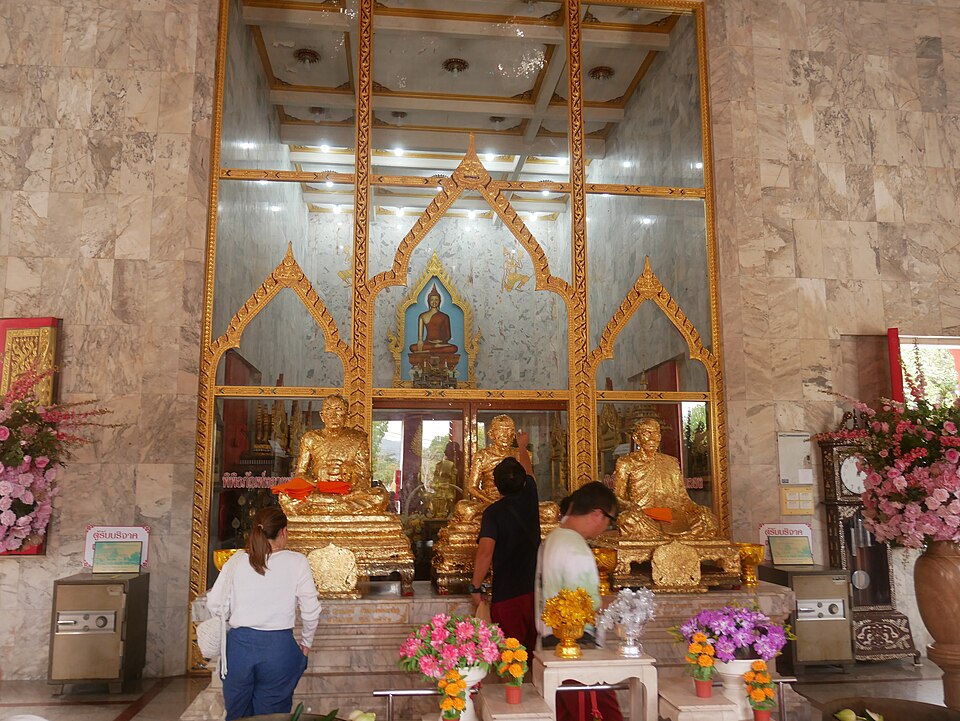
The temple grounds contain several structures of religious significance. The main hall houses important Buddha images, including a fragment of bone said to belong to the Buddha himself. A prominent chedi, or stupa, stands within the complex, decorated with murals depicting Buddha's life. The architecture reflects traditional Thai Buddhist design with multi-tiered roofs and ornate detailing. Visitors will encounter burning incense, gold leaf application on statues, and offerings left by worshippers. The atmosphere combines devotional practice with architectural interest, though specific interior measurements and exact artifact counts are not recorded.
Checked 2026-08-26
A meaningful visit to Wat Chalong typically requires between forty-five minutes and ninety minutes, depending on individual pace and level of interest in Buddhist temple architecture and practice. Those wishing to observe worshippers, study mural details, or participate respectfully in devotional activities may wish to allocate additional time. The compact nature of the temple grounds means extensive walking is not required. Visitors should factor in time for removing and replacing footwear when entering buildings, and for potential brief queues during peak visitor periods. Early morning visits may offer a more contemplative experience.
Checked 2026-08-26
Phuket experiences tropical weather with distinct wet and dry seasons that may influence visitor comfort. The dry season months generally offer more predictable conditions for outdoor temple exploration. However, operator-confirmed hours are Not recorded pending review, and visitors should verify current opening times before planning their visit. Religious festivals may create both enhanced atmosphere and larger crowds. Chinese New Year and Visakha Bucha Day see increased devotional activity. Visitors should check local calendars for temple-specific events. Morning hours typically coincide with active worship and may provide more authentic cultural observation opportunities.
Checked 2026-08-26
Wat Chalong operates as an active religious site rather than a commercial tourist attraction. Operator-confirmed prices are Not recorded pending review. Visitors should be prepared for the possibility of voluntary donation requests for temple maintenance, though specific amounts are not established in available sources. Some temple complexes in Thailand request modest contributions for parking or specific buildings. Visitors carrying cash for incidental offerings demonstrate appropriate cultural sensitivity. Any mandatory fees would be clearly posted at entry points. Visitors should not assume free entry extends to guided services or special ceremonies that may involve separate arrangements.
Checked 2026-08-26
Wat Chalong sits in the Chalong subdistrict of Phuket's Mueang district, south of Phuket Town. The temple is accessible by road from major tourist areas including Patong, Kata, and Karon beaches. Motorbike taxis, tuk-tuks, and private hire vehicles serve the route, though specific fares vary by negotiation and distance. Rental vehicles offer independence but require familiarity with Thai driving conditions. Public songthaew trucks operate on some routes but with irregular schedules not documented in available sources. Visitors should confirm return transportation arrangements, as remote waiting areas may lack immediate taxi availability. Signage in Thai and English assists wayfinding.
Checked 2026-08-26
Visitors must dress modestly, covering shoulders, chest, and knees; revealing clothing will likely result in denied entry to buildings. Footwear removal is mandatory before entering any temple structure; secure storage or careful placement prevents loss. Photography restrictions may apply in specific areas; observe posted signs and worshipper sensitivity. Scam awareness extends to taxi negotiations and unsolicited guiding offers. The tropical climate demands hydration and sun protection during outdoor exploration. Religious objects and imagery should be treated with respect; pointing feet toward Buddha images constitutes serious cultural offense. Physical accessibility may be limited by steps and uneven surfaces throughout the complex.
Checked 2026-08-26
Photography is generally permitted in exterior temple areas, capturing architectural details, chedi structures, and decorative elements. Interior photography policies are not consistently documented and visitors should observe posted restrictions or seek guidance from temple staff. Flash photography may disturb worshippers and potentially damage sensitive painted surfaces. Tripod use likely requires permission and may be restricted during busy periods. Respectful distance from devotional activities should be maintained when photographing; intrusive documentation of individual worshippers is inappropriate. Morning and late afternoon light offers favourable conditions for architectural photography. Drone operation would require explicit permission and compliance with Thai aviation regulations.
Checked 2026-08-26
Specific operating hours and closure schedules are not recorded in available sources. Visitors should verify current accessibility before travelling.
Operator-confirmed prices are Not recorded pending review. The site functions primarily as a religious institution rather than commercial attraction.
Modest clothing covering shoulders, chest, and knees is essential. Revealing attire will likely result in denied entry to temple buildings.
Interior photography policies are not consistently documented. Visitors should observe posted signage and exercise cultural sensitivity toward worshippers.
Road transport including hired vehicles, tuk-tuks, and motorbike taxis serves this route. Specific fares require negotiation; public transport options have irregular schedules.
The site welcomes respectful visitors of all backgrounds. Observing worshippers and architecture offers cultural insight regardless of personal religious affiliation.
Loading the interactive map…
The interactive map could not be loaded.
Last updated:
Source: OpenStreetMap contributors, Wikidata ·